Torabhaig Launches Taigh, its Inaugural Core Single Malt, Defining the Isle of Skye Distillery’s House Style

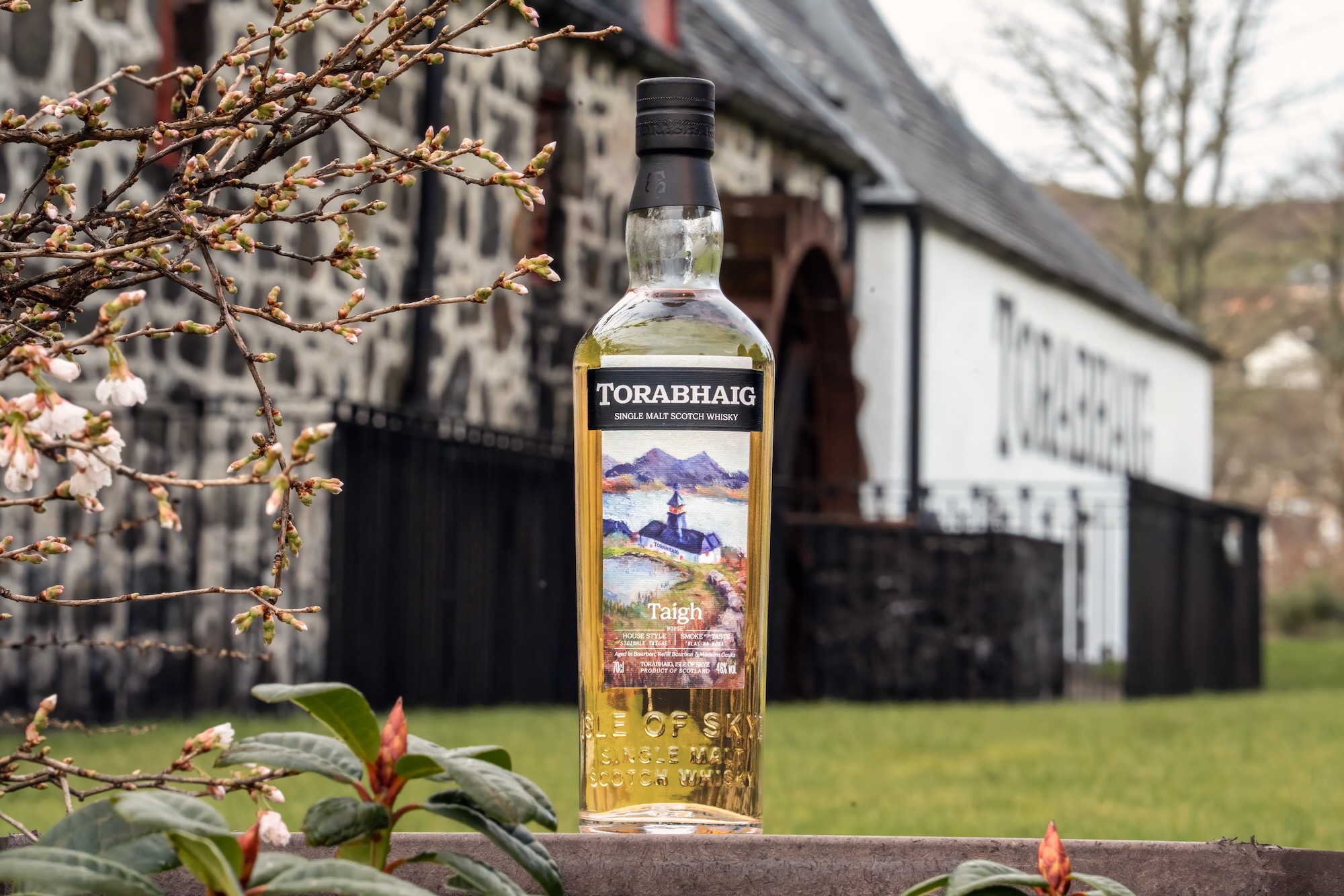
The Isle of Skye’s Torabhaig Distillery has officially unveiled Taigh, its first permanent core single malt Scotch whisky. This landmark release is poised to establish the distillery’s signature style for years to come, representing a significant evolution in its journey since beginning production in 2017.
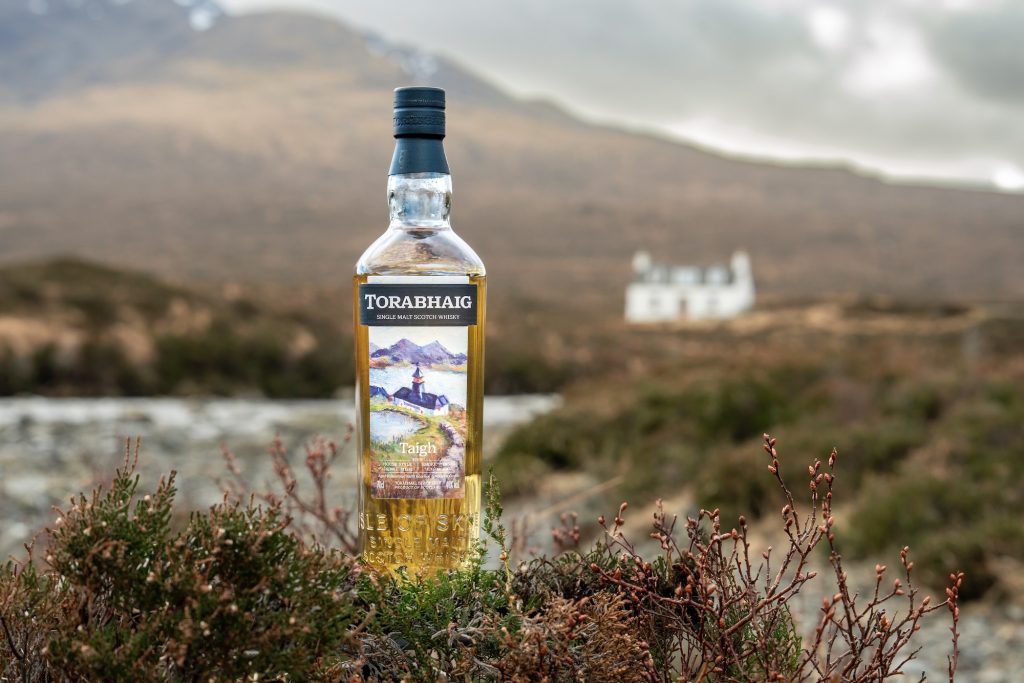
Taigh, pronounced "Tie," is derived from the Scottish Gaelic word for "house." This nomenclature deliberately echoes the distillery’s home: a meticulously restored 19th-century steading nestled on the picturesque Sleat Peninsula of the Isle of Skye. Beyond the physical structure, the name encapsulates a broader ethos of place, community, and a profound sense of belonging, all of which are intrinsically woven into the fabric of the spirit crafted there. As articulated by the distillery, Taigh embodies "home in its broadest sense," a sentiment that permeates every aspect of its production and presentation.
The establishment of Torabhaig Distillery in 2017 marked a historic moment, signifying the first new distillery to emerge on the Isle of Skye in nearly two centuries. Since its inception, a dedicated team of nine local distillers, all meticulously trained on-site, has been diligently working to cultivate the distillery’s reputation through a series of highly acclaimed Legacy Series releases. These limited editions have served as precursors, offering glimpses into the distillery’s potential. Taigh, however, represents a decisive step forward – a whisky conceived not as a fleeting collectible, but as an enduring declaration of intent and a cornerstone of the Torabhaig portfolio.
Crafting the Essence of Skye: The Taigh Production Philosophy
Taigh is meticulously crafted in small batches, a testament to Torabhaig’s commitment to quality and artisanal production. The maturation process is a carefully orchestrated symphony of cask influences, predominantly featuring first-fill and refill bourbon casks. This foundational maturation is thoughtfully augmented by the inclusion of Madeira casks, which impart a unique layer of complexity and character. The spirit is bottled at a robust 46% ABV, a strength chosen to preserve its integrity, and crucially, without resorting to chill-filtration or artificial colouring. This commitment to natural presentation ensures that the whisky retains its full spectrum of oils and esters, offering an unadulterated tasting experience.
The selection of casks is intrinsically linked to Torabhaig’s guiding principle: "Smoke with Taste." This philosophy champions an elegant and balanced approach to peat, where the smoky character is not intended to dominate but rather to subtly enhance and complement the underlying flavours of the spirit. The consistent use of first-fill bourbon barrels has been a cornerstone of the distillery’s developing style, providing a sweet, vanilla-rich foundation. The addition of Madeira casks introduces a welcome softening roundness, a subtle sweetness, and a layer of fruit-forward complexity that elegantly balances the smoky notes. This nuanced interplay between peat, oak, and fruit is designed to create a whisky that is both approachable and deeply rewarding.
A Sensory Journey: Unpacking the Flavour Profile of Taigh
The tasting notes for Taigh offer a vivid portrayal of its intricate character. On the nose, the whisky presents an evocative aroma of seaside embers and flint smoke, hinting at the coastal environment of its origin. These smoky elements are gracefully intertwined with the richness of baked apple, the comforting sweetness of maple syrup, and the deep, dried fruit notes of raisins. Underlying these prominent aromas is a subtle yet distinct edge of cereal biscuit, accompanied by the warm embrace of clove and cinnamon, suggesting a well-rounded and inviting complexity.
The palate is described as light to medium-bodied, a characteristic that allows the delicate nuances of the spirit to shine through. Soft smoke gracefully envelops notes of creamy vanilla custard, the nutty depth of toasted almond, and the lingering sweetness of dried fruit. The texture is notably smooth and oily, contributing to a luxurious mouthfeel that enhances the overall drinking experience. The finish is a prolonged and evolving journey. It begins with the robust character of toasted oak, giving way to vibrant red fruit notes and a warming spice that gently lingers. This is followed by a settling into a gentle, persistent smokiness, which provides a satisfying and memorable conclusion to each sip, leaving a lasting impression of Skye’s elemental beauty.
A Deeper Connection: Taigh and the Art of Iona Lee
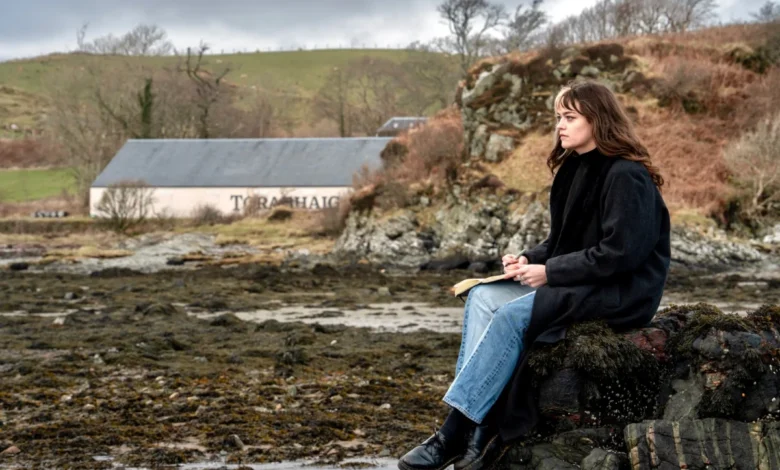
In celebration of Taigh’s launch, Torabhaig Distillery has embarked on a compelling cultural collaboration with acclaimed Scottish poet Iona Lee. This partnership has inspired a new body of artistic work deeply rooted in the distillery’s home on the Sleat Peninsula. The project purposefully draws inspiration from the elemental landscape, the rich tapestry of the Gaelic language, and the profound concept of belonging – themes that are intrinsically woven into the very identity of Torabhaig and its geographical context.
Through a series of performances, evocative films, and engaging editorial content to be rolled out over the coming months, Iona Lee’s poetry will serve to extend the narrative of Taigh beyond the confines of the bottle. This artistic endeavor aims to create a multi-sensory experience, allowing audiences to connect with the spirit of the distillery and the Isle of Skye on a deeper, more resonant level. The collaboration underscores Torabhaig’s commitment to celebrating and engaging with the cultural heritage of its location, positioning Taigh not just as a whisky, but as a cultural ambassador for the Sleat Peninsula.
The Significance of Taigh: A New Chapter for Skye Whisky
The introduction of Taigh marks a pivotal moment for Torabhaig Distillery and, by extension, for the burgeoning whisky scene on the Isle of Skye. As the first permanent core expression, Taigh serves as the benchmark for the distillery’s future output. Its consistent availability and carefully crafted profile are designed to build a loyal following and establish a recognisable "house style" that discerning whisky drinkers can anticipate and appreciate.
The decision to embrace a "Smoke with Taste" philosophy positions Torabhaig as a producer that understands the evolving preferences of the modern whisky consumer. While peat remains a beloved element in Scotch whisky, there is a growing appreciation for subtlety and balance, where smoke complements rather than overwhelms. Taigh’s successful execution of this principle suggests a promising future for its approach to peated whisky.
The strategic use of both first-fill bourbon and Madeira casks demonstrates a sophisticated understanding of maturation techniques. The bourbon casks provide the essential sweetness and vanilla notes, while the Madeira casks offer a layer of complexity and a softening influence that rounds out the spirit beautifully. This careful selection of cask types is crucial in developing a whisky that possesses both depth and drinkability.
The decision to bottle at 46% ABV without chill-filtration or added colour is a strong indicator of Torabhaig’s commitment to quality and authenticity. These practices, increasingly favoured by craft distilleries and sought after by connoisseurs, ensure that the whisky’s natural character and full flavour profile are preserved. This adherence to traditional and natural methods further elevates Taigh’s standing in the premium single malt market.
The collaboration with Iona Lee is a forward-thinking marketing strategy that goes beyond conventional product promotion. By engaging with the arts and celebrating local culture, Torabhaig is building a brand narrative that resonates with consumers seeking more than just a beverage. This approach fosters a deeper emotional connection to the whisky and its origins, positioning Torabhaig as a distillery that values heritage, community, and artistic expression.
The implications of Taigh’s success are significant for Torabhaig. A well-received core expression can drive sales, increase brand recognition, and provide a stable revenue stream that supports further innovation and expansion. For the Isle of Skye, the growing prominence of Torabhaig, alongside its established neighbours, further solidifies its reputation as a world-class whisky destination, attracting tourism and contributing to the local economy.
The launch of Taigh is not merely the introduction of a new whisky; it is the crystallisation of a vision. It represents Torabhaig Distillery’s dedication to crafting a single malt that is deeply rooted in its unique location, meticulously produced with a commitment to quality, and thoughtfully presented to capture the essence of its island home. As this inaugural core expression begins its journey into the hands of whisky enthusiasts worldwide, it carries with it the promise of a distinguished and enduring legacy for Torabhaig on the Isle of Skye.
Taigh is now available for purchase directly from the Torabhaig Distillery website.