Greece Solidifies Position as a Premier Family Travel Destination with Enhanced Luxury and Diverse Offerings

Greece has firmly established itself as a leading destination for family travel, offering an unparalleled blend of historical grandeur, natural beauty, and a robust hospitality sector tailored to guests of all ages. Over recent decades, strategic investments across the mainland and its myriad islands have transformed the nation into a hub for family-friendly accommodations, ranging from expansive resorts with comprehensive children’s programs to secluded luxury villas promoting intimate, multi-generational experiences. This evolution caters to a growing demand for holidays that combine relaxation, cultural immersion, and engaging activities for every member of the family.

The Evolution of Greece’s Family Tourism Landscape

Greece’s appeal as a tourist destination is deeply rooted in its rich history, iconic landscapes, and warm Mediterranean climate. Historically, the country attracted visitors primarily for its archaeological sites, vibrant city life, and picturesque islands. However, the last thirty years have witnessed a concerted effort by both public and private sectors to diversify and elevate the tourism offering, with a particular emphasis on the family segment. This shift is in response to global travel trends indicating a rise in multi-generational travel and a demand for integrated resort experiences that alleviate the stresses often associated with family holidays.

Government initiatives have supported the development of infrastructure, while major hotel groups have invested heavily in creating properties that go beyond basic amenities. This includes specialized childcare services, innovative children’s clubs, dedicated family dining options, and recreational facilities designed for diverse age groups. The economic implications of this focus are substantial, contributing significantly to Greece’s GDP and creating numerous employment opportunities in local communities. According to the Bank of Greece, tourism remains a cornerstone of the national economy, with family travel increasingly recognized as a high-value segment contributing to longer stays and repeat visits. Industry experts emphasize that the success lies in blending authentic Greek experiences with world-class facilities.

This article highlights ten exemplary family hotels across Greece, each demonstrating a unique approach to ensuring memorable and stress-free family vacations, spanning locations from the culturally rich Peloponnese to the sun-drenched islands of Crete, Zakynthos, Corfu, and Kos, as well as the Athenian Riviera.

1. Sani Resort, Halkidiki: A Sanctuary for All Generations

Nestled on the Kassandra peninsula of Halkidiki, Sani Resort stands as a testament to comprehensive family hospitality. Accessible via Thessaloniki Airport, this expansive resort operates as a self-contained village, comprising several distinct hotels within a larger complex. Its philosophy extends beyond traditional kids’ clubs, focusing on creating an environment where family trips are seamless and enjoyable for both children and adults.

For infants and toddlers, Sani Resort offers extensive provisions, including certified nannies, day-care services, and a full array of baby essentials upon arrival, such as cots, high chairs, sterilizers, and specialized baby food and soaps. This meticulous attention to detail significantly reduces the luggage burden for parents. The resort’s transportation fleet is also equipped with child car seats, ensuring safe and convenient travel within the property and to/from the airport.

Older children are engaged through a diverse range of activities, from the prestigious Rafael Nadal Tennis Centre to the adventurous Bear Grylls Survival Academy. These programs offer unique educational and recreational opportunities that foster independence and discovery. Dining is a highlight, with all Sani Resort restaurants offering complimentary, freshly prepared meals for children and babies, addressing common parental concerns about dietary needs and preferences.

The resort boasts numerous pools, entertainment centers, bars, and restaurants, all designed to be child-friendly, allowing families to enjoy their meals and leisure time without strict time constraints. Flexible meal plans, including half-board and full-board options, provide guests with choice and value, with half-board often including discounts at various eateries like the popular Beach Bar. Sani Resort’s sister brand, Ikos Hotels, offers an all-inclusive model for those preferring a worry-free financial experience, reinforcing the group’s commitment to diverse family travel needs.

2. Costa Navarino, Peloponnese: A Luxury Destination Village

Situated on the picturesque southwestern coast of the Peloponnese, Costa Navarino mirrors Sani Resort’s multi-hotel concept, creating a luxurious resort-like town. This destination appeals to families seeking a high-end experience coupled with opportunities to explore the stunning natural beauty and historical sites of the Peloponnese. The region itself is renowned for its pristine beaches, olive groves, and ancient ruins, offering a rich backdrop for family adventures.

Costa Navarino encompasses four five-star hotels: The Westin Resort Costa Navarino, The Romanos, a Luxury Collection Resort, the contemporary W Costa Navarino, and the Mandarin Oriental, Costa Navarino. Each property offers distinct ambiance and amenities while benefiting from the overarching resort facilities. While individual hotels may cater to specific preferences (e.g., The Romanos for ultra-luxury, The Westin for broader family appeal), the collective offerings ensure a rich experience.

The resort provides extensive facilities for families, including dedicated kids’ clubs, water parks, sports academies, and a wide array of dining options suitable for all ages. The diversity of hotels within the complex means families can enjoy different culinary experiences and recreational pursuits without leaving the resort grounds. The emphasis here is on offering a curated luxury experience that thoughtfully integrates family needs, allowing both parents and children to find their preferred activities, from golf and spa treatments for adults to water sports and creative play for younger guests. Its location also serves as an excellent base for day trips to nearby historical sites like the Palace of Nestor or the ancient city of Messene, enriching the family holiday with cultural exploration.

3. Atlantica Eleon Grand Resort, Zakynthos: Premium All-Rounder Family Escape

On the east coast of Zakynthos, the Atlantica Eleon Grand Resort positions itself as a premium yet accessible family hotel, offering a compelling balance of quality and value. While not ultra-luxury, it provides a comprehensive experience that caters effectively to families. Its prime location offers direct access to Katragaki Beach, known for its award-winning status, though it features a pebbly shoreline. For families preferring sandy expanses, the resort compensates with its extensive internal facilities.

The resort particularly shines for families with older children, boasting an impressive array of slides and large swimming pools that guarantee hours of entertainment. Younger children are also well-catered for with dedicated baby pools. Its location on the less hilly eastern side of Zakynthos simplifies exploration of the island via rental car, allowing families to discover iconic attractions like Navagio Beach (Shipwreck Beach) or the charming capital, Zakynthos Town.

The sheer size of the Atlantica Eleon Grand Resort provides a wealth of dining and leisure options, mitigating any potential monotony during longer stays. This ensures that families can enjoy diverse culinary experiences and activities within the resort perimeter. Its inclusive nature, combined with a focus on active recreation, makes it a popular choice for families seeking a dynamic and convenient island holiday experience.

4. Amanzoe Hotel, Peloponnese: Serene Luxury for Discerning Families

For families seeking an unparalleled luxury experience within a tranquil retreat setting, Amanzoe Hotel in the Peloponnese offers a distinct proposition. While not overtly marketed as a conventional "family hotel," Amanzoe’s design and service philosophy are inherently accommodating to families desiring privacy, sophisticated comfort, and seamless access to nature. The hotel is situated amidst rolling hills near Porto Heli, approximately a 2.5 to 3-hour drive from Athens Airport, a journey that guests find worthwhile for the secluded beauty it offers.

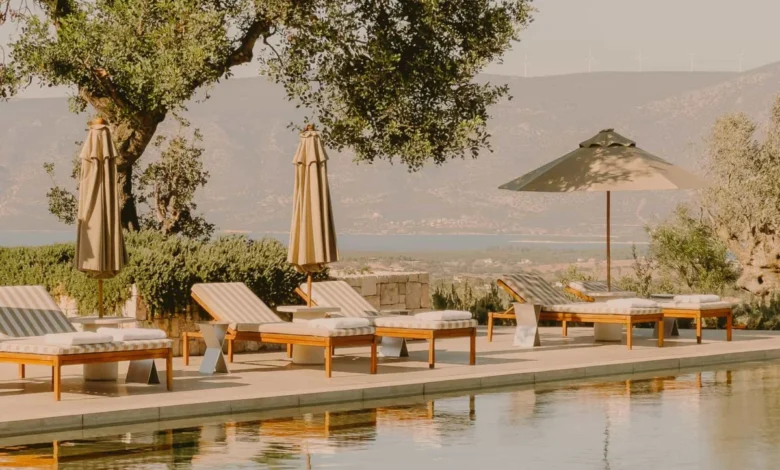
Amanzoe emphasizes peace and quiet, with many of its exquisite suites and villas featuring private pools. This amenity is particularly valued by families, providing a personal space for children to splash and play without concern for disturbing other guests, while adults can relax in privacy. The hotel facilitates easy access to its private beach club through convenient transfers, ensuring families can enjoy the Aegean Sea’s calm waters.

The Aman brand is renowned for its exceptional service and attention to detail, which extends to its younger guests. While structured kids’ clubs are not its primary focus, the staff are adept at arranging bespoke activities and experiences tailored to children’s interests, from swimming lessons to local excursions. The culinary offerings are world-class, providing exquisite dining experiences that can be adapted for children’s palates. Amanzoe represents a refined choice for families who prioritize a luxurious, restorative holiday experience, allowing for both collective enjoyment and individual relaxation in a breathtaking Greek setting.

5. Four Seasons Astir Palace, Athens: Urban Sophistication Meets Coastal Charm

The Four Seasons Astir Palace in Athens offers a unique proposition for families, blending the cultural vibrancy of a city break with the relaxed luxury of a seaside resort. Located approximately 25 minutes from the heart of Athens on the Athenian Riviera, this hotel provides the perfect balance for families who wish to explore ancient historical sites while also enjoying ample beach and pool time. This strategic location allows for easy access to attractions like the Acropolis and the Parthenon, without the constant hustle and bustle of the city center.

This luxury family hotel is particularly well-suited for multi-generational travel, focusing on adult-led experiences while meticulously catering to children’s needs. The "Kids For All Seasons" club is a dedicated program for children aged four and above, offering a variety of activities, workshops, and supervised play, all included in the hotel price. For younger children, a professional babysitting service is available at an additional charge, providing parents with the flexibility to enjoy an evening out or a spa treatment.

A significant draw is the hotel’s access to three pristine private beaches, where the calm, shallow waters of the Aegean Sea are ideal for children to swim and play safely. The array of pools and diverse dining options further enhance the family experience, ensuring convenience and choice. The Four Seasons Astir Palace exemplifies how a luxury urban resort can seamlessly integrate family-friendly amenities, offering a sophisticated yet welcoming environment for a comprehensive Greek holiday experience.

6. Stella Palace, Crete: An Active Paradise for Kids

Located on the island of Crete, Stella Palace is celebrated as an ideal destination for families with active children. This resort operates adjacent to the Stella Island Luxury Resort, which offers overwater villas and caters to an older clientele (15+). This proximity provides a unique flexibility for larger family groups, allowing grandparents or friends seeking tranquility to stay at Stella Island while still easily joining the main family at Stella Palace, which is just a two-minute walk away.

Stella Palace distinguishes itself with an impressive array of facilities designed to keep children entertained. Its dedicated water park is a major highlight, promising endless fun for kids of all ages. The resort’s flat layout is a practical advantage for families with strollers, ensuring easy navigation. Direct beach access further enhances its appeal, making seaside adventures effortless.

The all-inclusive nature of Stella Palace is a game-changer for families, eliminating the need to constantly manage expenses and allowing everyone to enjoy a variety of dining options without culinary disputes. This model simplifies meal planning and budgeting, contributing to a truly relaxed holiday experience. Beyond the resort, Crete itself, as Greece’s largest island, offers a wealth of attractions, from historical sites like Knossos to charming towns and scenic coves. Renting a car is highly recommended for families wishing to explore the island’s diverse offerings. Stella Palace provides an energetic and convenient base for a memorable family holiday on Crete.

7. Thermae Sylla Spa & Wellness Hotel, Evia: Relaxed Family-Friendly Retreat

For families seeking a sophisticated retreat where children are welcome but the primary focus is on adult relaxation and wellness, the Thermae Sylla Spa & Wellness Hotel on the island of Evia offers a unique blend. This hotel stands apart from large, activity-driven resorts by integrating family needs within a luxury spa environment. Evia is renowned for its natural thermal springs, and the hotel leverages this, offering extensive spa facilities for guests aged 15 and above. This makes it an excellent choice for families with older children or those traveling with infants who can be cared for by parents while others enjoy spa treatments.

Unlike resorts with dedicated kids’ clubs or specific children’s pools, Thermae Sylla encourages families to enjoy its outdoor spaces together. The absence of age-restricted pools means the entire family can share the experience of the thermal waters, which are known for their therapeutic properties. This approach fosters shared family moments rather than segregated activities.

The hotel’s ambiance is one of serene luxury, appealing to parents who appreciate high-quality dining, elegant surroundings, and a focus on well-being, while still ensuring their children are comfortable and entertained within the overall resort setting. It represents a "family-friendly" rather than "family-marketed" philosophy, providing a tranquil base from which to explore Evia’s natural beauty and charming towns. This option is ideal for families prioritizing relaxation and shared experiences in a refined environment.

8. Kontokali Bay Resort and Spa, Corfu: Ionian Luxury for Diverse Ages

On the verdant island of Corfu in the Ionian Sea, Kontokali Bay Resort and Spa delivers a luxurious family holiday experience without excessive formality. It successfully combines high-end amenities with a genuinely welcoming atmosphere for families, catering to both young children and teenagers. This resort’s appeal lies in its ability to offer a sophisticated retreat that is also deeply engaging for its younger guests.

Kontokali Bay boasts a stunning private beach, perfect for children to safely enjoy the gentle Ionian waters and sunshine. The resort thoughtfully provides dedicated toddler pools and a Mini Club for older children, ensuring age-appropriate entertainment. Daily activities and evening entertainment programs mean children can be fully engaged or simply dip in and out of activities as they please, offering flexibility for parents.

A key strength of Kontokali Bay is its commitment to catering to all children, not just specific age groups. This inclusive approach to family programming ensures that every child, from infants to pre-teens, finds something enjoyable. The diverse restaurant offerings cater to varied tastes, satisfying both adult palates and picky eaters. The resort’s focus on a balanced luxury experience, coupled with its comprehensive children’s facilities, makes it an outstanding choice for families exploring the captivating island of Corfu, known for its Venetian architecture and lush landscapes.

9. Ikos Aria Resort, Kos: All-Inclusive Excellence on the Aegean

Ikos Aria Resort on the island of Kos is a prime example of the all-inclusive luxury brand, part of the same prestigious group as Sani Resorts. What distinguishes Ikos is its "Infinite Lifestyle" concept, where almost all aspects of the holiday—from gourmet dining and premium drinks to activities and childcare—are included in the initial booking price. This approach offers families complete financial transparency and peace of mind, allowing for a truly worry-free vacation experience.

Ikos Aria places a strong emphasis on family needs, mirroring Sani’s meticulous attention to detail. This includes freshly prepared meals for children of all ages, and the provision of essential baby amenities such as sterilizers, cots, and high chairs at no extra cost. The resort features daily crèche services for younger children and dedicated clubs for older kids, offering structured fun and social opportunities.

A unique perk offered by Ikos is a complimentary one-day car rental for guests staying several days, encouraging families to explore the beautiful island of Kos. This initiative allows guests to discover the island’s historical sites, picturesque villages, and stunning beaches at their own pace. For families seeking an all-encompassing luxury experience where every detail is managed, Ikos Aria Resort (and other Ikos properties across Greece) stands out as a top-tier choice.

10. Porto Zante, Zakynthos: Exclusive Villa Luxury with Family Focus

Porto Zante, also located on Zakynthos, offers a more intimate and exclusive luxury experience compared to larger resorts. Its philosophy centers on privacy and bespoke service, making it an exceptional choice for families who prefer a villa-style holiday without compromising on high-end amenities. Despite its smaller scale compared to sprawling resorts like Sani, Porto Zante delivers an equally impressive, if not more personalized, family experience.

The resort’s strength lies in its collection of luxurious villas, many featuring private pools. These private aquatic spaces are ideal for families, providing a secure and exclusive environment for children to play freely, offering parents both convenience and peace of mind. For babies, Porto Zante ensures all necessary amenities, such as cots, high chairs, and other equipment, are readily available, significantly easing the packing burden for parents.

Dining at Porto Zante is a highlight, with its Japanese fusion restaurant, MAYA, receiving particular acclaim for its exceptional cuisine. The resort’s culinary team is also adept at catering to children’s dietary needs and preferences. The privacy afforded by the villas, combined with attentive service, makes Porto Zante a superb option for families seeking a tranquil and luxurious base from which to explore the charming island of Zakynthos. Its focus on individual family units within a secluded, elegant setting offers a distinct alternative to the bustling atmosphere of larger resorts.

Conclusion: Greece’s Enduring Appeal for Family Travelers

Greece’s commitment to enhancing its family tourism offerings has solidified its position as a world-class destination for multi-generational travel. The diverse range of hotels, from expansive luxury resorts to intimate villa complexes, ensures that every family can find an option perfectly tailored to their needs and preferences. These establishments expertly combine traditional Greek hospitality with modern amenities, innovative children’s programs, and exquisite dining, all set against the breathtaking backdrop of Greece’s mainland and islands. The ongoing investment in infrastructure and services underscores a clear vision for sustainable tourism growth, promising continued excellence for future family adventures in this remarkable country. As families increasingly seek holistic holiday experiences that cater to every age, Greece continues to deliver, blending cultural richness with unparalleled comfort and recreation.
Related posts: