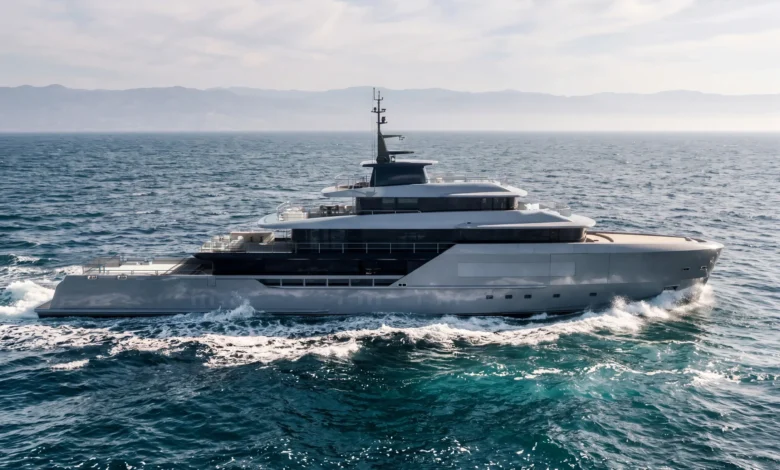
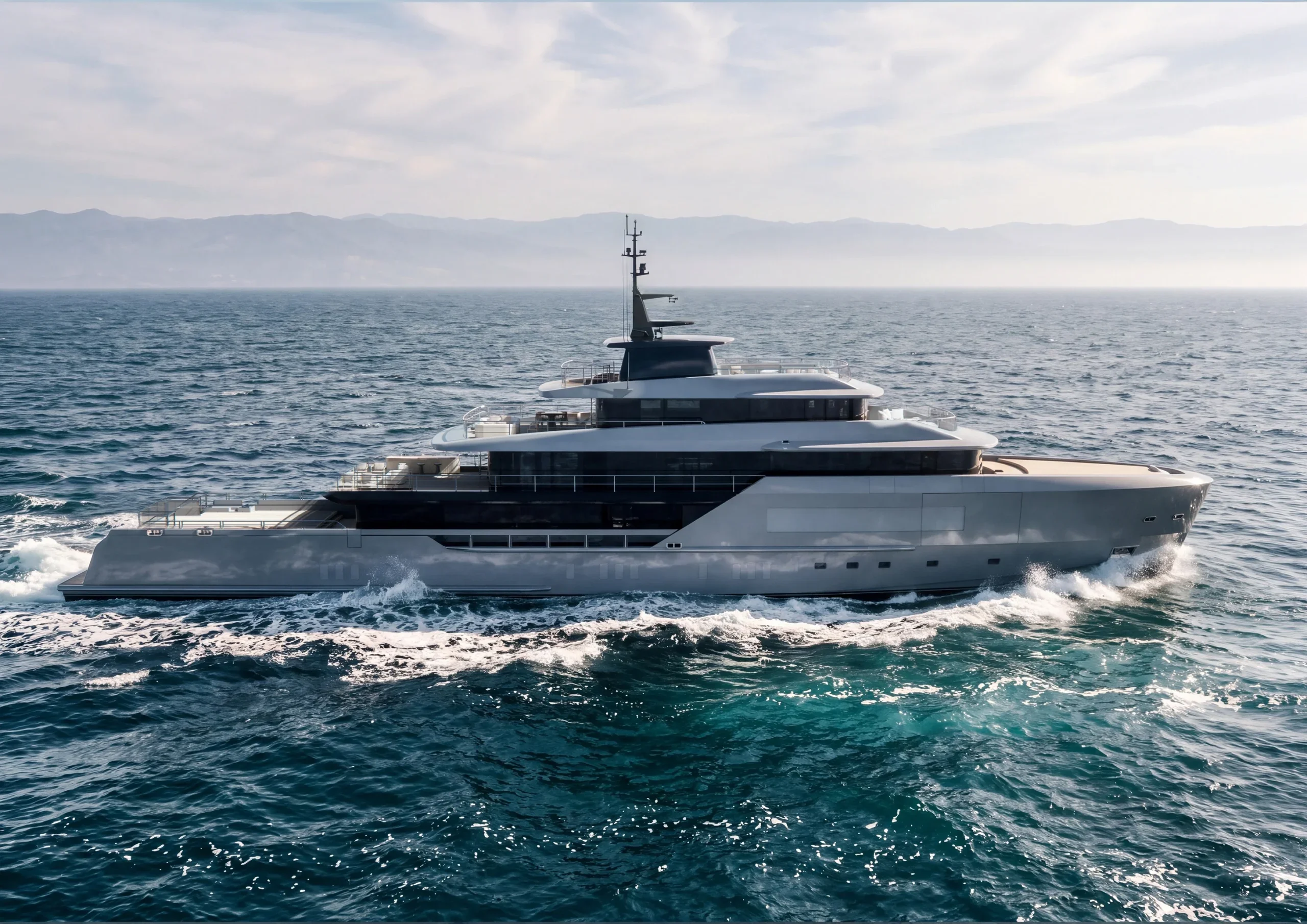
The superyacht industry has long been defined by the pursuit of leisure, with vessels often serving as floating platforms for cinemas, expansive beach clubs, and an exhaustive inventory of water toys. However, a significant pivot is currently reshaping the sector as high-net-worth individuals increasingly trade the predictable comfort of Mediterranean ports for the autonomy and isolation of remote exploration. At the forefront of this evolution is the newly unveiled Sanlorenzo 1150 Explorer, a 196-foot vessel designed not merely to traverse the seas, but to serve as a self-sufficient base for prolonged, high-latitude or deep-ocean expeditionary travel.
The Rise of the Expedition Category
The debut of the 1150 Explorer arrives during a period of sustained growth for the expedition yacht market. According to the 2026 Global Order Book published by BOAT International, the industry is witnessing a clear departure from traditional superyacht configurations. Of the 1,093 superyachts currently on order or under active construction worldwide, 101 are specifically classified as explorer vessels. This places the explorer segment among the most robust categories in the global fleet pipeline, reflecting a broader consumer trend toward "experiential luxury."
The 1150 Explorer is engineered for these specific demands. With a range of 4,000 nautical miles at a cruising speed of 11 knots, the vessel is built to remain at sea for extended periods, far removed from the support infrastructure of traditional marinas. This technical capability shifts the yacht’s utility from that of a coastal day-boat to a sophisticated, long-range transport and logistics platform.
A Chronology of Vision and Development
The genesis of the 1150 Explorer project is rooted in the success of the shipyard’s previous endeavors, most notably the Sanlorenzo 500 Explorer. The project began as a collaborative effort between the Italian shipyard’s internal design team and Zuccon International Project, a firm that has long served as a key architectural partner for Sanlorenzo.
The owner, a repeat client who previously commissioned and operated the 500 Explorer, sought to scale up his operations without sacrificing the specific functionality that defines a true expedition vessel. The development process, which spanned several years, was characterized by an iterative dialogue between the owner’s operational requirements and the shipyard’s engineering constraints.
Bernardo Zuccon, the lead designer behind the exterior, noted that the process was notably streamlined by the client’s existing experience with the brand. "From the very beginning, the project was shaped by a clear and coherent vision of what a true explorer yacht should be," Zuccon stated. "Rather than adapting the project to specific requests, the process revealed a genuine alignment between a design vision refined through years of Explorer development and an owner whose lifestyle, aspirations, and experience perfectly reflected that vision."
Technical Specifications and Operational Logistics
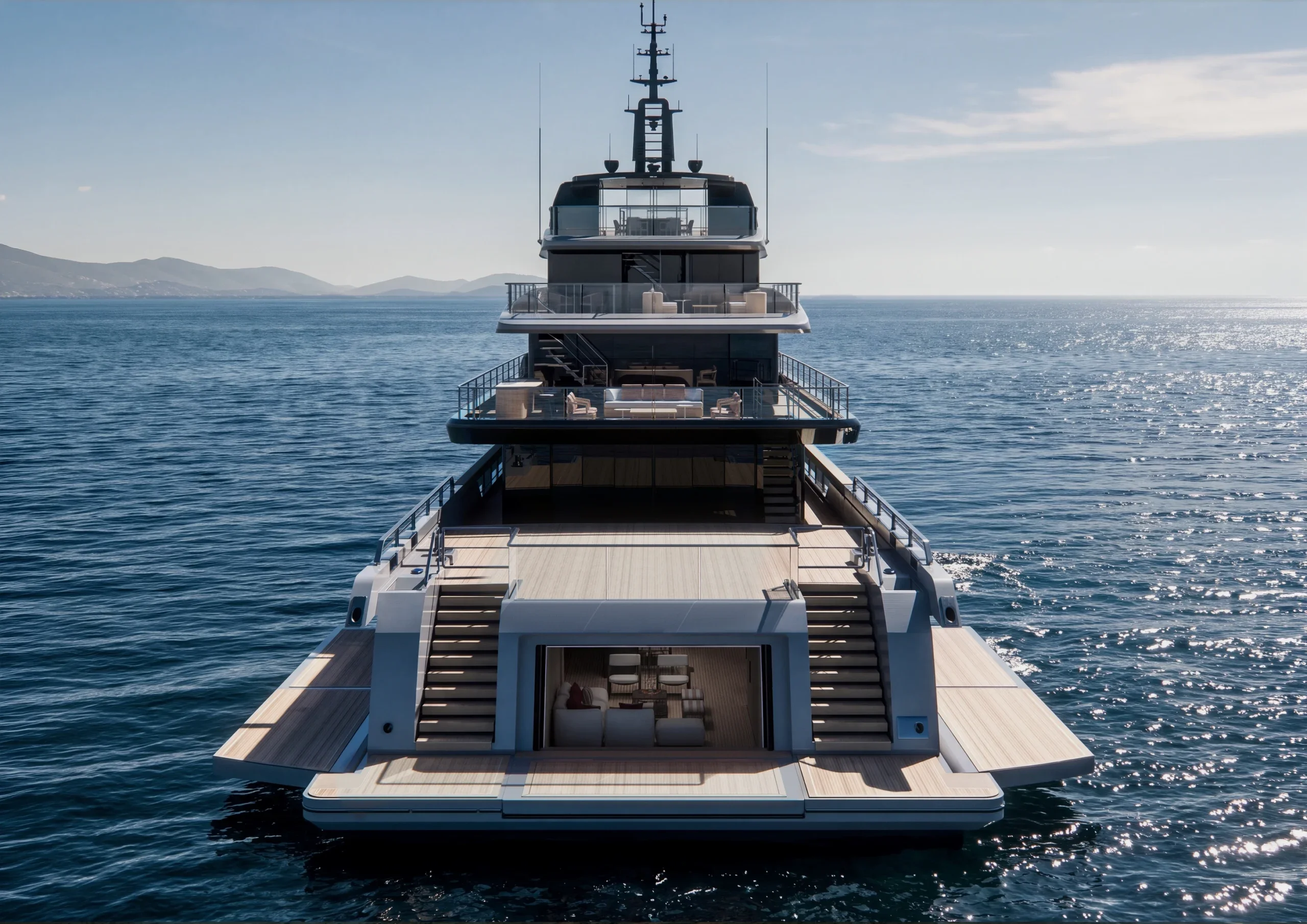
The 1150 Explorer is designed with a heavy emphasis on utility. A standout feature is the expansive beach club, which provides more than 1,506 square feet of space when the fold-down terraces are deployed. This area is supported by a hydraulic staircase system that facilitates direct access to the water, a critical feature for diving and scientific observation.
Logistically, the vessel is equipped to handle the requirements of remote travel. A heavy-duty crane is capable of launching tenders weighing up to 7.5 tonnes, allowing the owner to deploy specialized exploration craft, such as rigid-hull inflatables or research-grade boats, without reliance on portside assistance. Furthermore, a touch-and-go helipad provides the necessary agility for personnel transfers or emergency medical evacuations, effectively decoupling the vessel from the constraints of coastal proximity.
Beyond the technical gear, the interior architecture balances the ruggedness required for open-ocean transit with the high-end finishes expected of a vessel in this size class. The yacht features a comprehensive wellness suite, including a gym, hammam, and dedicated massage facilities, ensuring that the crew and guests can maintain physical health during months at sea.
The Redefinition of Luxury
Tommaso Vincenzi, CEO of Sanlorenzo, views the 1150 Explorer as a landmark for the company, signaling a shift in how the ultra-wealthy perceive value. "The launch of 1150 Explorer comes at a time when we are seeing a global shift towards a different idea of luxury," Vincenzi explained. "One defined less by material possession and more by quality time, privacy, and the freedom to discover places and enjoy extraordinary experiences."
This philosophy is physically manifest in the yacht’s owner’s apartment. Spanning over 3,200 square feet across two decks, the duplex suite includes a full-beam bedroom, a private lounge, and a dedicated dressing area. A private staircase connects this interior space to a further 1,075 square feet of private outdoor space, complete with a swimming pool and al fresco dining areas. By prioritizing these private zones, the design team has created a "refuge" that remains detached from the high-activity zones of the vessel.
Industry Implications and Future Outlook
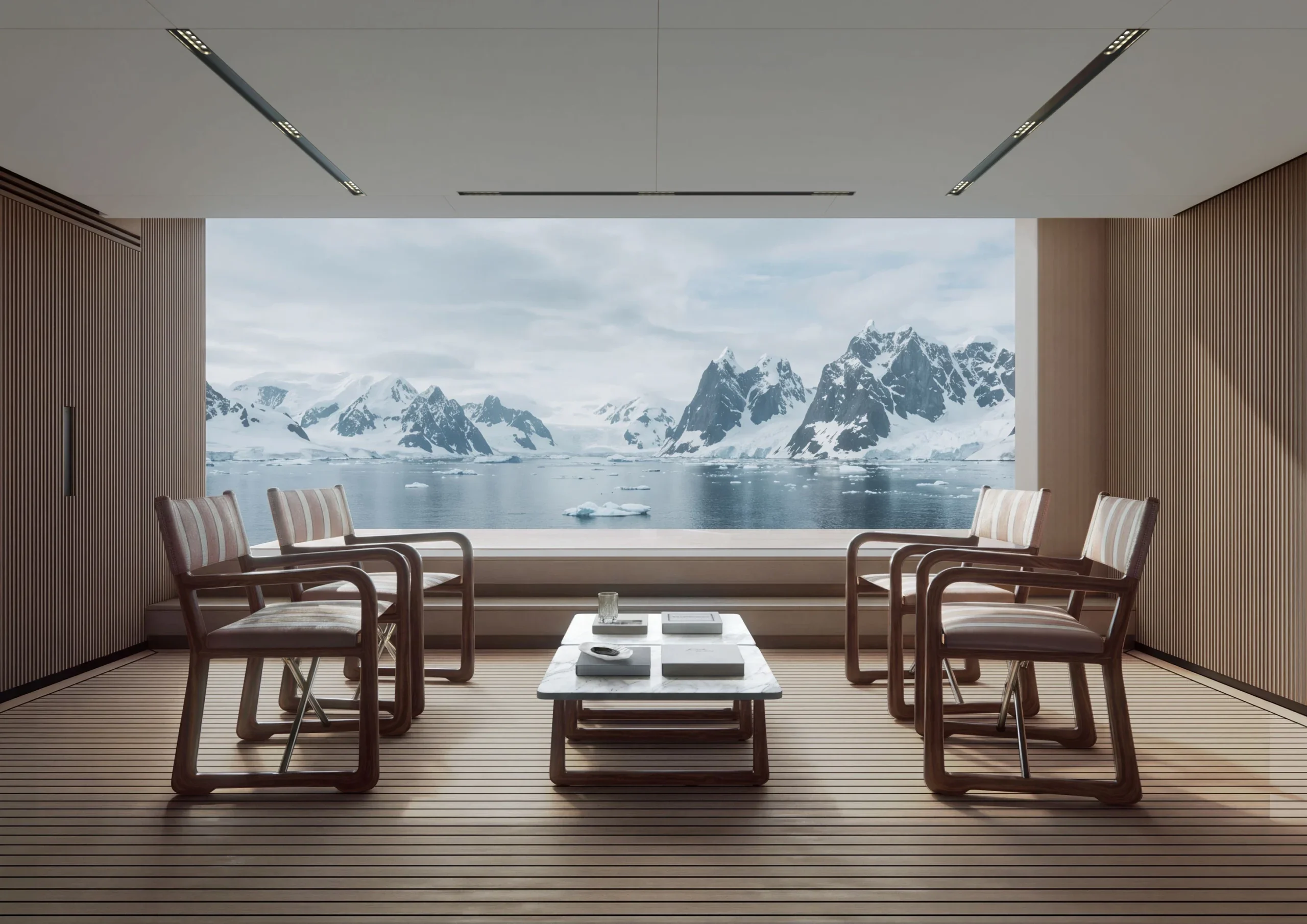
The entry of the 1150 Explorer into the fleet suggests several implications for the future of yachting. First, it underscores the increased demand for "self-sufficiency" as a premium amenity. Modern owners are increasingly concerned with climate resilience and the ability to operate in areas with minimal infrastructure, such as the Arctic, the Antarctic, or the remote archipelagos of the South Pacific.
Second, the design philosophy emphasizes protection and "essentiality" over ornate decoration. As Zuccon noted, "The Explorer is not designed to reach a destination, but to remain open and receptive to what surrounds us. We did not pursue form for its own sake; rather, the project conveys a sense of protection and essentiality, almost that of a refuge."
This shift toward form-following-function represents a departure from the traditional aesthetics of the 1990s and 2000s, where yacht design was often focused on exterior styling that prioritized speed and sleek silhouettes. In contrast, the current generation of explorer vessels prioritizes hull stability, fuel efficiency, and structural integrity.
As the industry moves toward 2030, the success of the 1150 Explorer will likely influence future commissions. With 101 explorer yachts currently in the pipeline, the sector is no longer a niche market but a significant pillar of the global luxury maritime economy. The ability to provide a vessel that can function simultaneously as a private sanctuary and an expeditionary tool will remain the primary competitive advantage for shipyards in the coming decade.
Conclusion
The Sanlorenzo 1150 Explorer serves as a synthesis of technical performance and refined luxury. By integrating the operational capabilities of a commercial-grade expedition ship with the interior sophistication of a superyacht, Sanlorenzo has provided a blueprint for the future of private maritime exploration. As owners increasingly value the autonomy to navigate away from the established routes of the Mediterranean and Caribbean, vessels like the 1150 Explorer will become the essential instruments for a new generation of explorers who define status by the remoteness of their reach.