Tall Ship Tourism and the Rise of Small Vessel Cruising: A Comprehensive Analysis of the Star Clippers Grenadines Expedition

The global cruise industry is currently witnessing a significant divergence in consumer preferences, with a growing segment of travelers seeking "anti-cruise" experiences characterized by intimacy, traditional maritime heritage, and access to remote ports. Central to this movement is Star Clippers, a specialist cruise line operating three of the world’s largest sailing vessels. Its flagship, the Royal Clipper, recently completed a series of weeklong Caribbean voyages through the Grenadines, highlighting the operational and economic nuances of boutique tall-ship tourism. Since its certification by the Guinness Book of World Records in 2001 as the largest square rigger in service, the Royal Clipper has served as a primary case study for the viability of wind-powered luxury travel in a market otherwise dominated by motorized mega-ships.
Technical Specifications and Vessel Operations
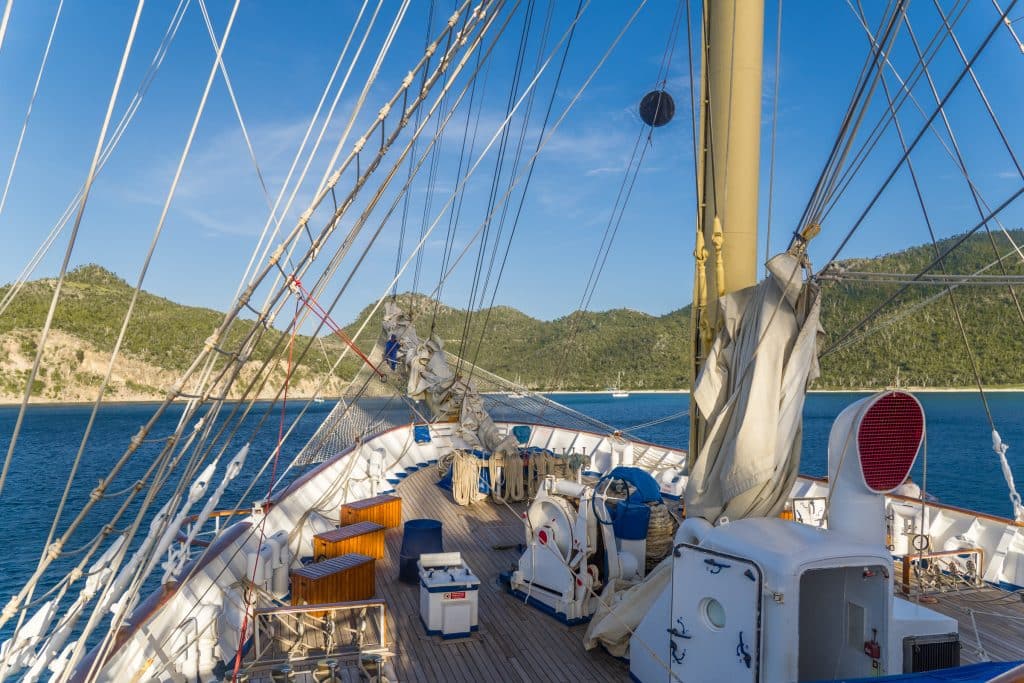
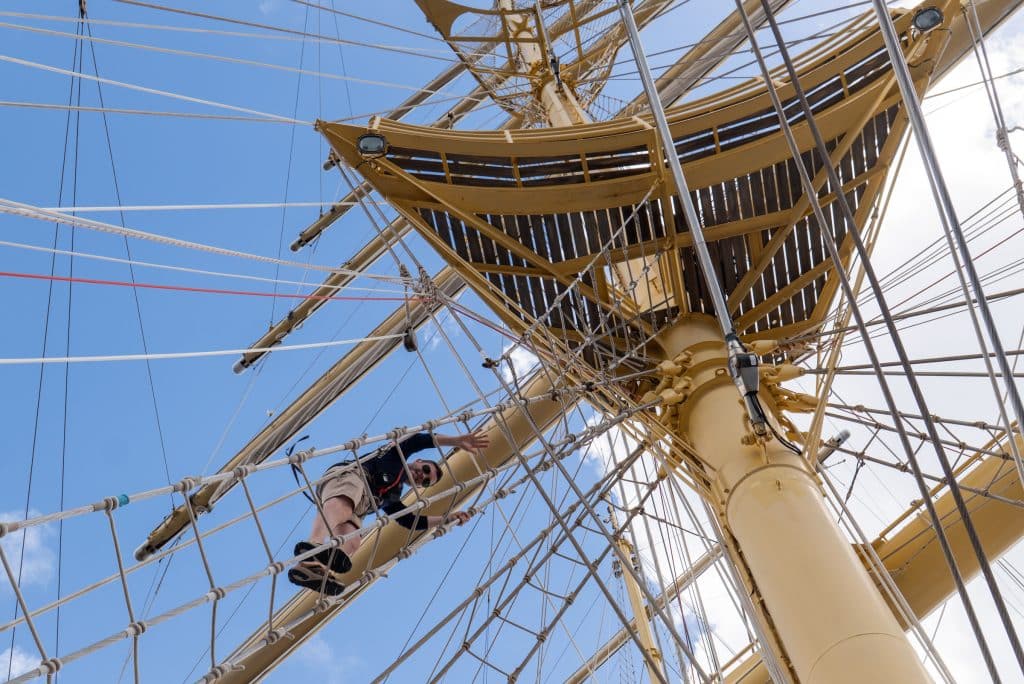
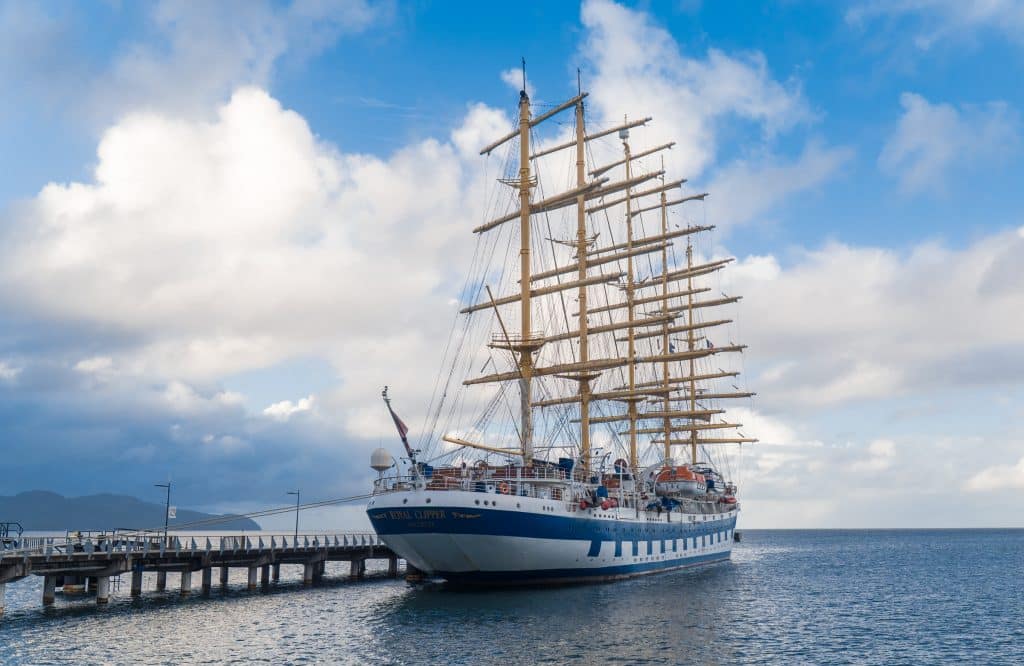
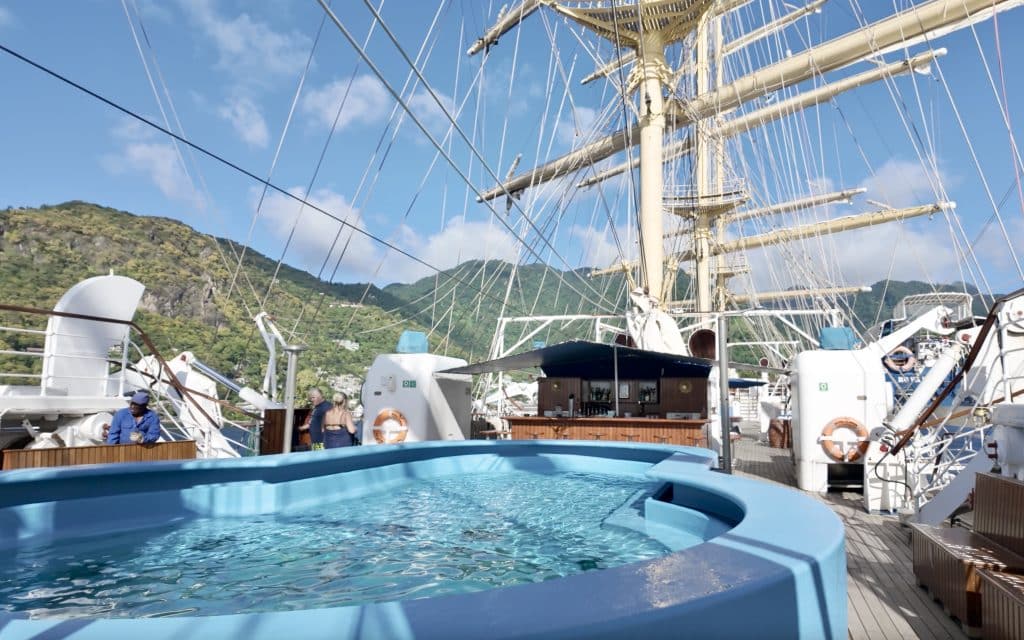
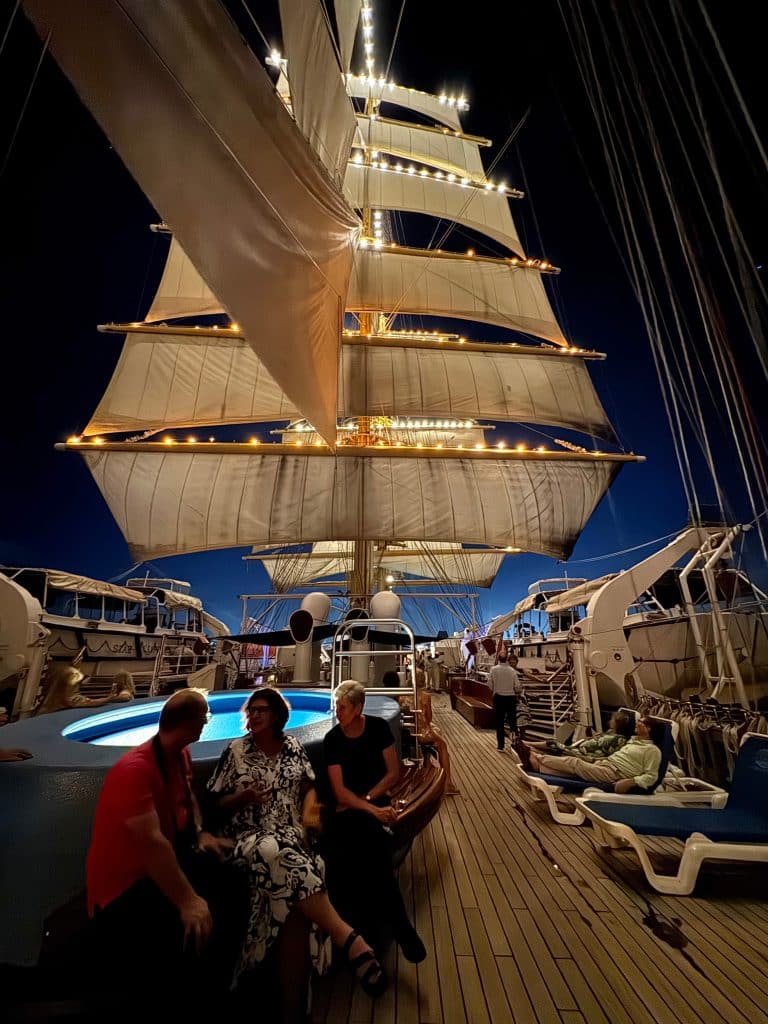
The Royal Clipper is a five-masted, full-masted ship inspired by the legendary Preussen, a German flyer built in 1902. Measuring 134 meters (439 feet) in length with a displacement of 5,000 tons, the vessel carries 42 sails totaling 5,202 square meters (56,000 square feet). Unlike modern cruise ships that rely almost exclusively on diesel-electric propulsion, the Royal Clipper utilizes its sails whenever weather conditions permit, offering a hybrid model that appeals to environmentally conscious travelers and maritime enthusiasts alike.
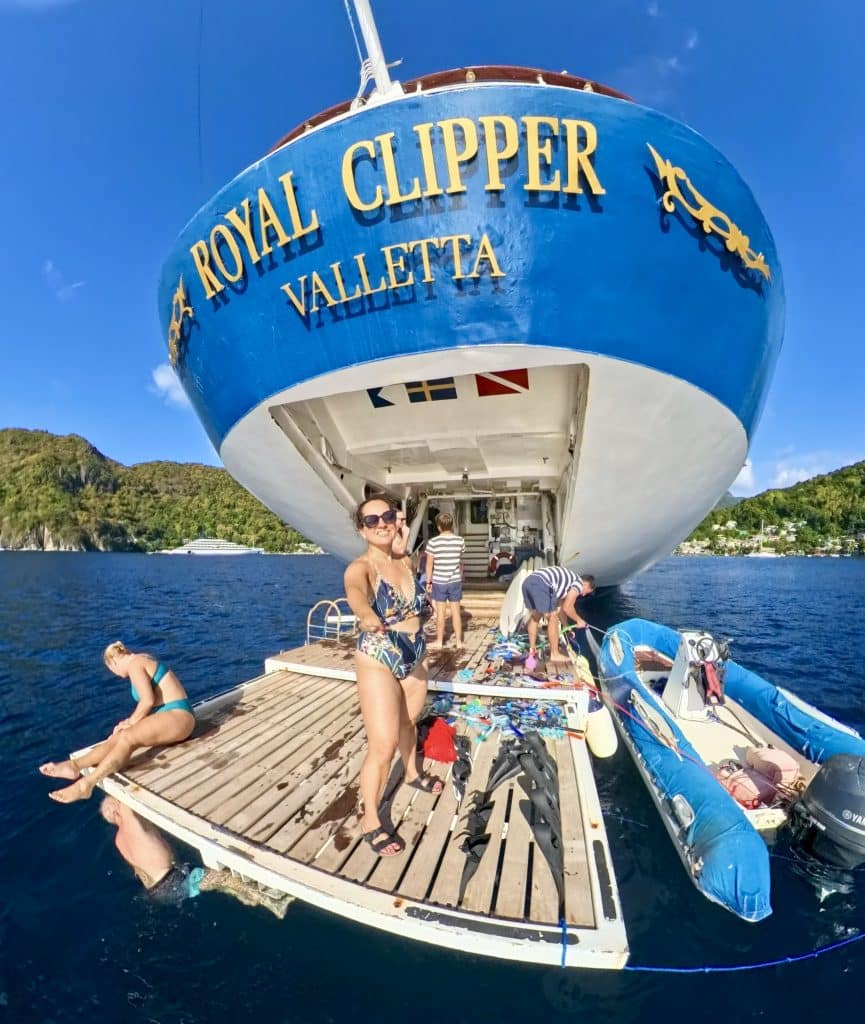
With a maximum capacity of 230 passengers and a crew of 106, the ship maintains a high crew-to-guest ratio. During the December 2025 sailing season, manifest data indicated average occupancies of approximately 200 passengers, primarily hailing from the United States, the United Kingdom, and Germany. The operational model of the ship differs significantly from standard industry practices. The vessel features a "marina platform" at the stern, which can be lowered to sea level when anchored, allowing guests direct access to the water for swimming and water sports—a feature physically impossible for larger, pier-dependent vessels.
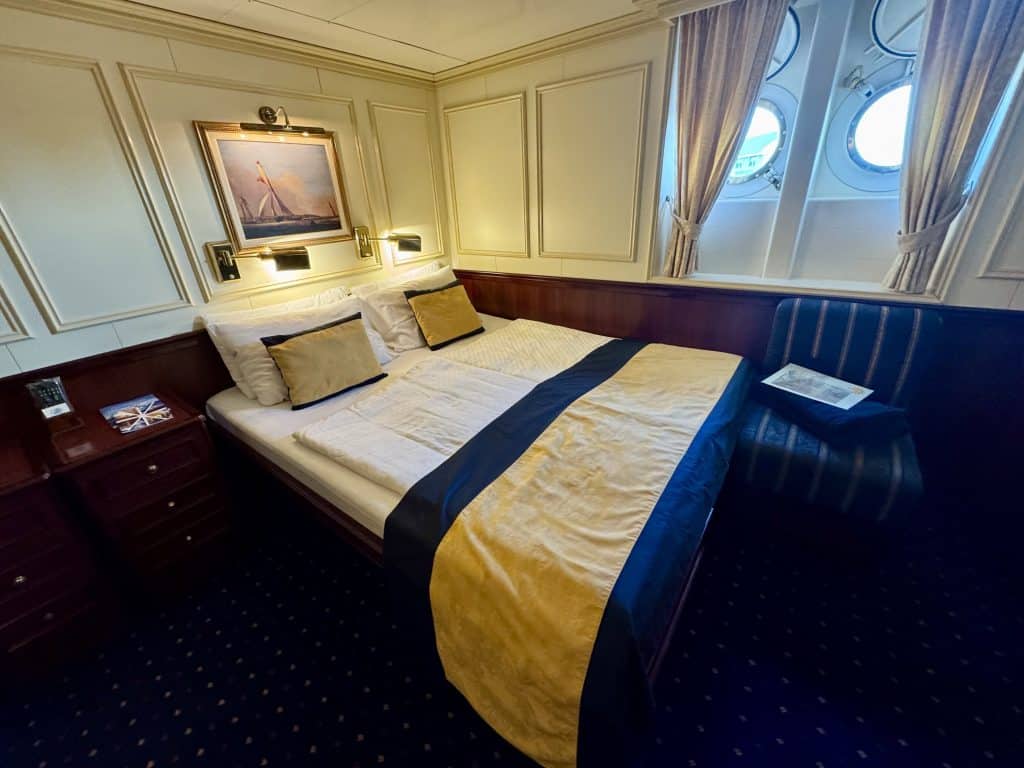
However, the ship’s traditional design presents specific logistical challenges regarding accessibility. Unlike modern "Solas" class vessels, the Royal Clipper lacks elevators. The interior is characterized by steep companionways, heavy manual doors, and high thresholds designed to prevent water ingress. Industry analysts note that while this preserves the authenticity of the sailing experience, it effectively limits the demographic to mobile passengers, a stark contrast to the universal design standards adopted by major lines like Royal Caribbean or Carnival.
Chronology of the Grenadines Itinerary
The Star Clippers Grenadines itinerary follows a rigorous seven-night loop beginning and ending in Bridgetown, Barbados. This route is strategically designed to bypass the high-traffic ports of the Northern Caribbean in favor of the Lesser Antilles’ more secluded outposts.
Days 1-2: Embarkation and Union Island
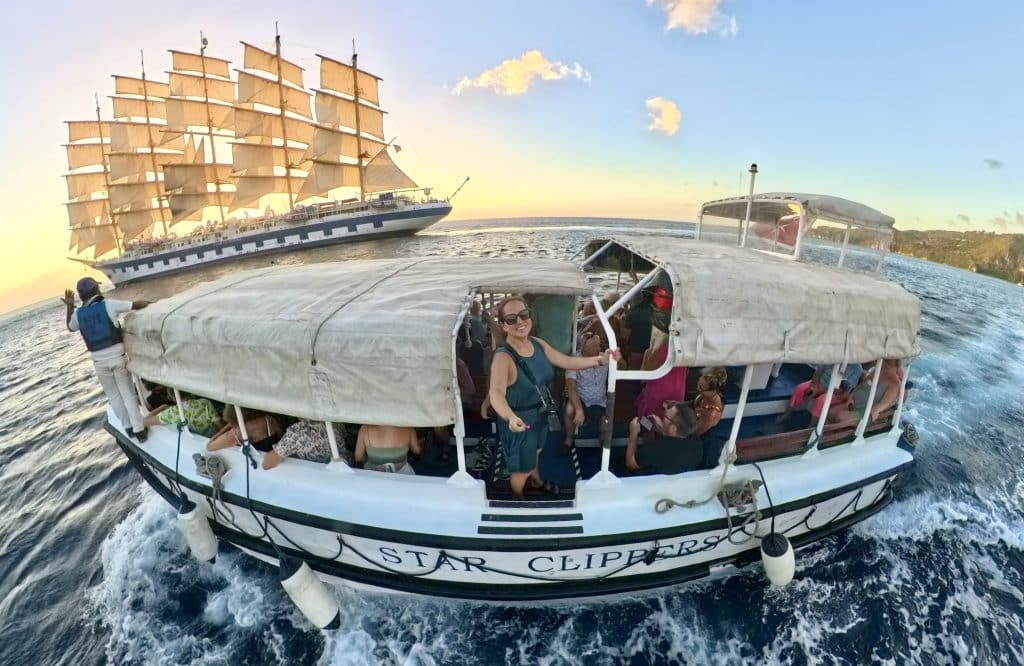
The voyage commences in Barbados, a critical logistical hub for the Southern Caribbean. Upon departure, the vessel enters the Grenadines, anchoring first at Union Island. The arrival at Chatham Bay illustrates the "tender-based" operational model of Star Clippers. As the ship cannot dock at small island piers, it utilizes two 50-passenger tenders to ferry guests to shore. This allows the cruise line to patronize "virgin" beaches that remain inaccessible to ships carrying thousands of passengers.
Days 3-4: Grenada and Tobago Cays
The transit to St. George’s, Grenada, marks the most southerly point of the journey. Here, the vessel interacts with the local economy through shore excursions focused on the island’s spice production and chocolate industry. Following Grenada, the ship moves to the Tobago Cays, a marine park consisting of five uninhabited cays. The logistical highlight of this stop is a ship-catered beach barbecue on Petit Rameau, requiring the crew to transport all food, drink, and equipment from the ship to a remote beach via tender—a complex "ship-to-shore" operation.
Days 5-7: St. Vincent, Bequia, and Martinique
The final leg of the journey focuses on the cultural diversity of the region. Kingstown, St. Vincent, serves as a hub for botanical and volcanic tours, while Bequia offers a more developed, boutique island experience. The transit to Fort-de-France, Martinique, provides a unique geopolitical contrast, as passengers enter a French Overseas Department and, by extension, the European Union. The itinerary concludes with a stop in Soufrière, St. Lucia, positioned between the iconic Pitons, before returning to Barbados for debarkation.
The Boutique Culinary and Service Model
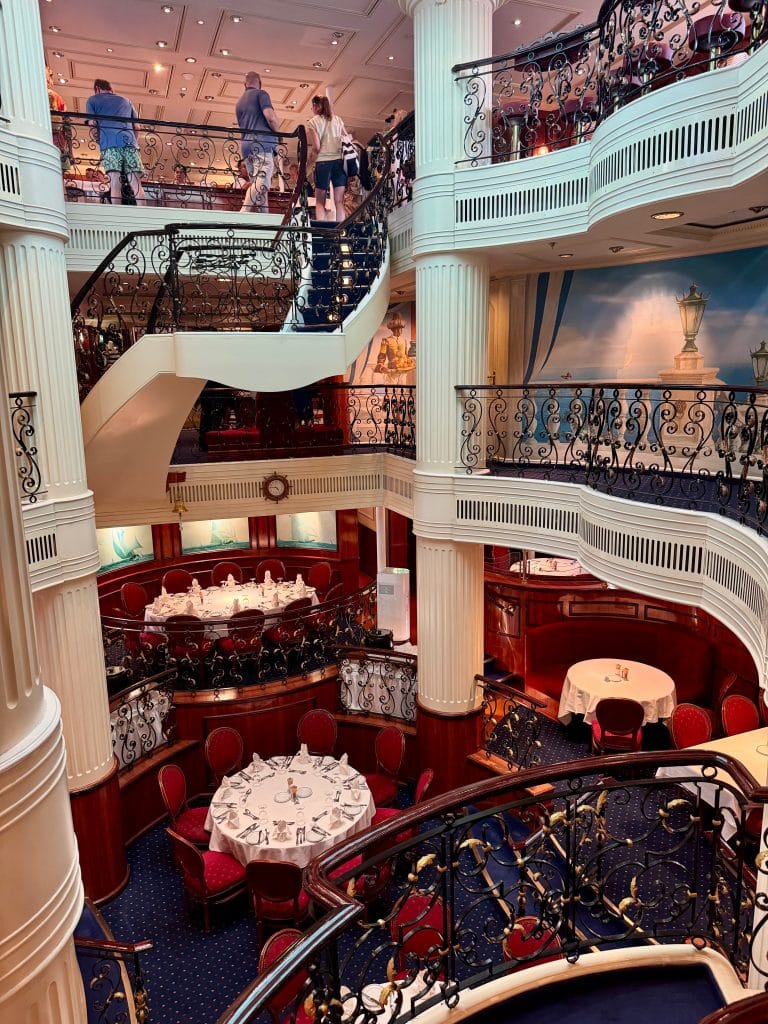
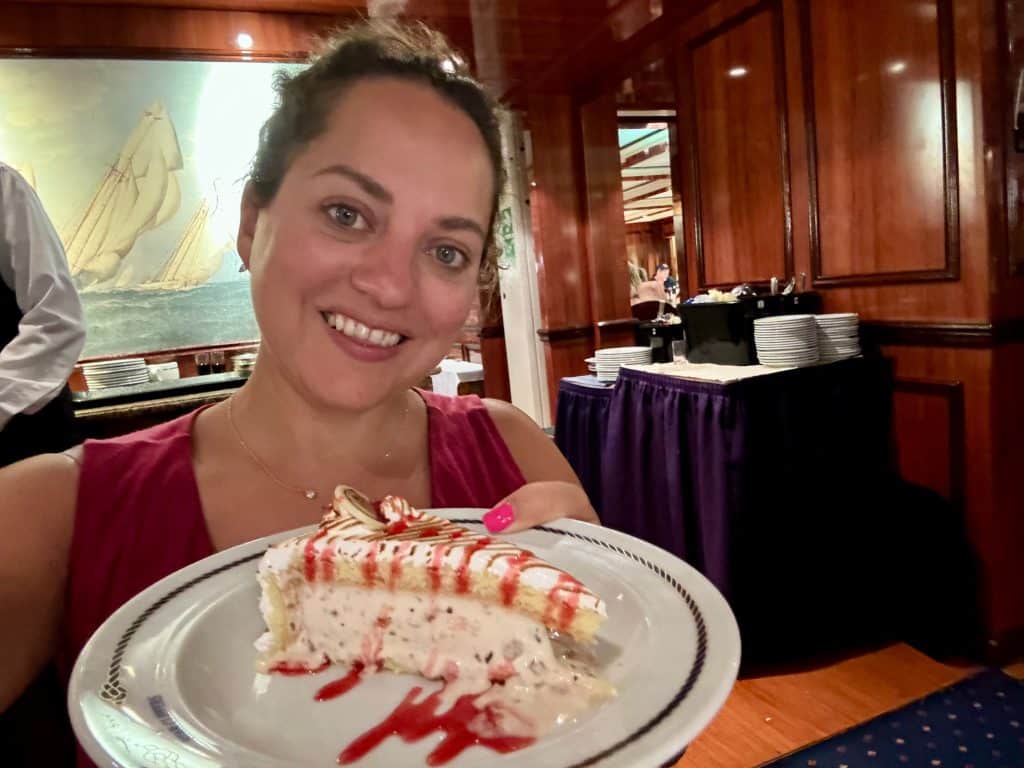
Star Clippers employs a culinary strategy that diverges from the "all-inclusive" buffet-heavy model of larger lines. The Royal Clipper operates a single, multi-level dining room with open seating, encouraging social interaction among a diverse international passenger base. The menu is notably Eurocentric, reflecting the line’s ownership and primary market.
A key differentiator in the Star Clippers business model is the absence of "drink packages." In the broader cruise industry, drink packages are a major revenue driver but are often associated with high-volume alcohol consumption. Star Clippers’ à la carte pricing—featuring modest markups on European wines and standard spirits—is designed to attract a "slow travel" demographic that prioritizes quality over volume.
Furthermore, the ship has recently integrated Starlink satellite technology to provide high-speed internet. However, the data-based billing model utilized by the line remains a point of contention for modern travelers accustomed to unlimited bandwidth. Analysts suggest this is a deliberate choice to maintain the "unplugged" atmosphere of a traditional sailing vessel while still providing essential connectivity for weather monitoring and emergency communication.
Demographic Trends and Passenger Profiles
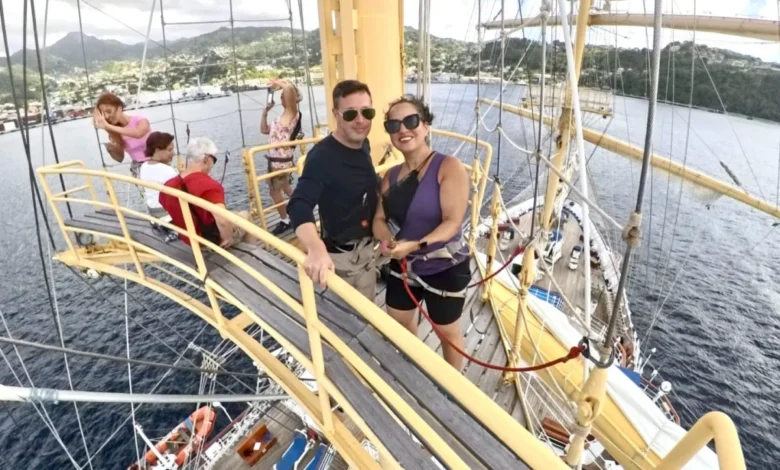
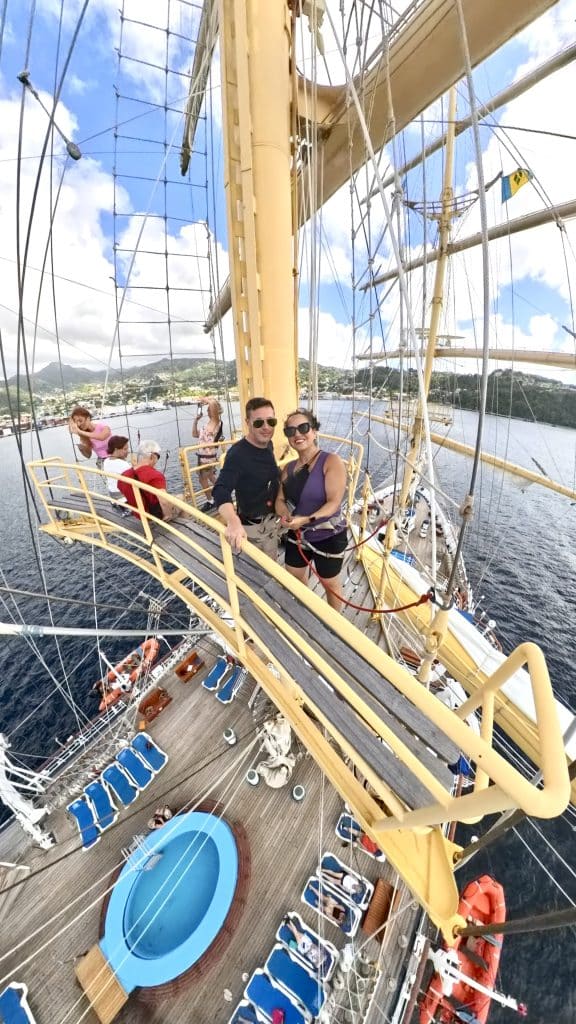
Market data from the 2025-2026 season suggests that the average Star Clippers passenger is between 55 and 75 years of age, possessing significant travel experience and a higher-than-average disposable income. Interestingly, the "anti-cruise" sentiment is a recurring theme in passenger feedback. Many guests report a distaste for the "theme park" atmosphere of mega-ships, opting instead for the "Royal Clipper’s" focus on nautical tradition, such as "Story Hour" with the Captain and opportunities for passengers to climb the rigging to the crow’s nest.
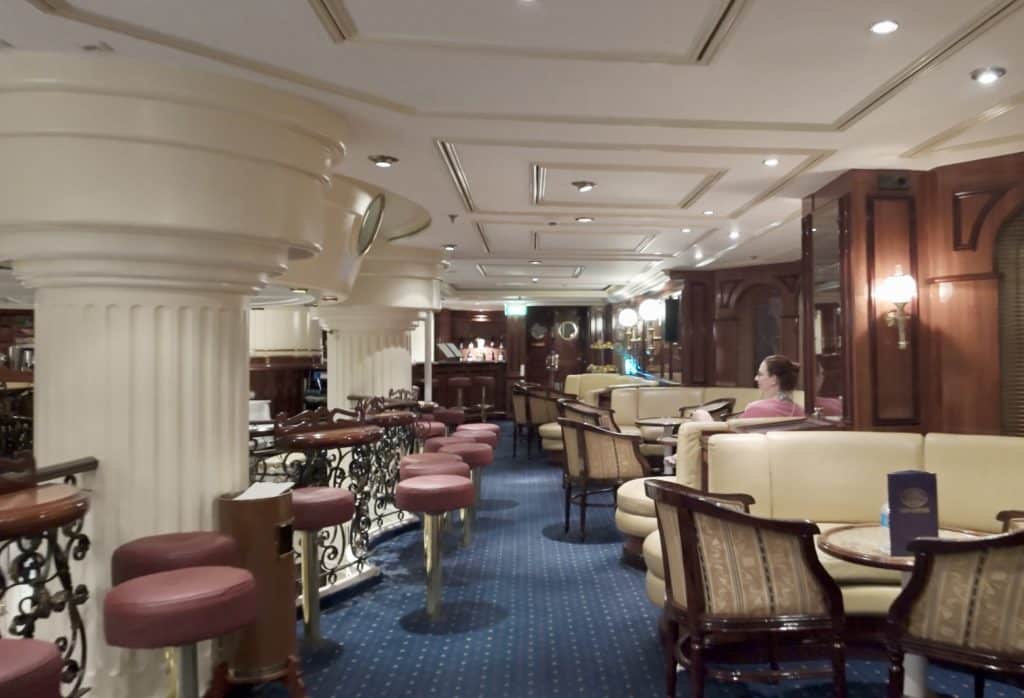
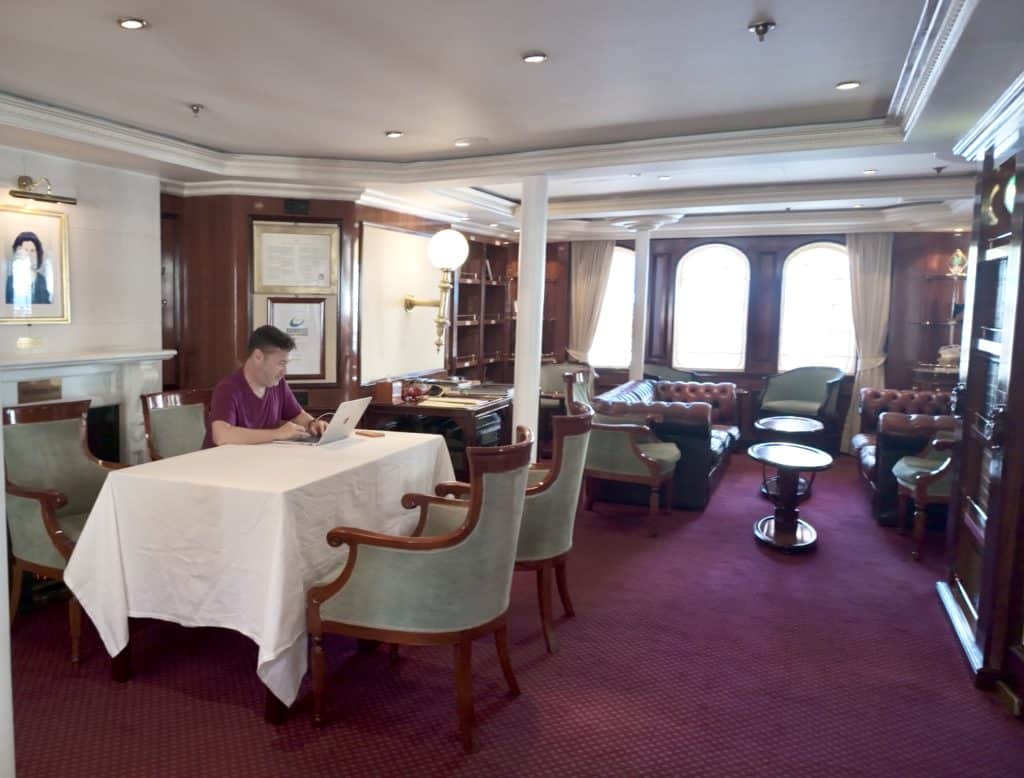
The passenger base is also characterized by a high degree of "charter" activity. It is common for specialized groups—such as religious study groups, photography clubs, or maritime history societies—to book significant blocks of cabins. This "group-within-a-ship" dynamic requires the crew to balance the needs of private organizations with those of independent travelers, a feat achieved through the ship’s varied communal spaces, including the Tropical Bar and the quiet Piano Lounge.
Economic and Environmental Implications
The presence of the Royal Clipper in small Caribbean ports has a distinct economic impact. Unlike mega-ships that can overwhelm local infrastructure, a 200-passenger sailing vessel provides a manageable influx of tourists who are more likely to spend money at local "shack" bars and independent markets rather than port-side shopping malls owned by the cruise lines.
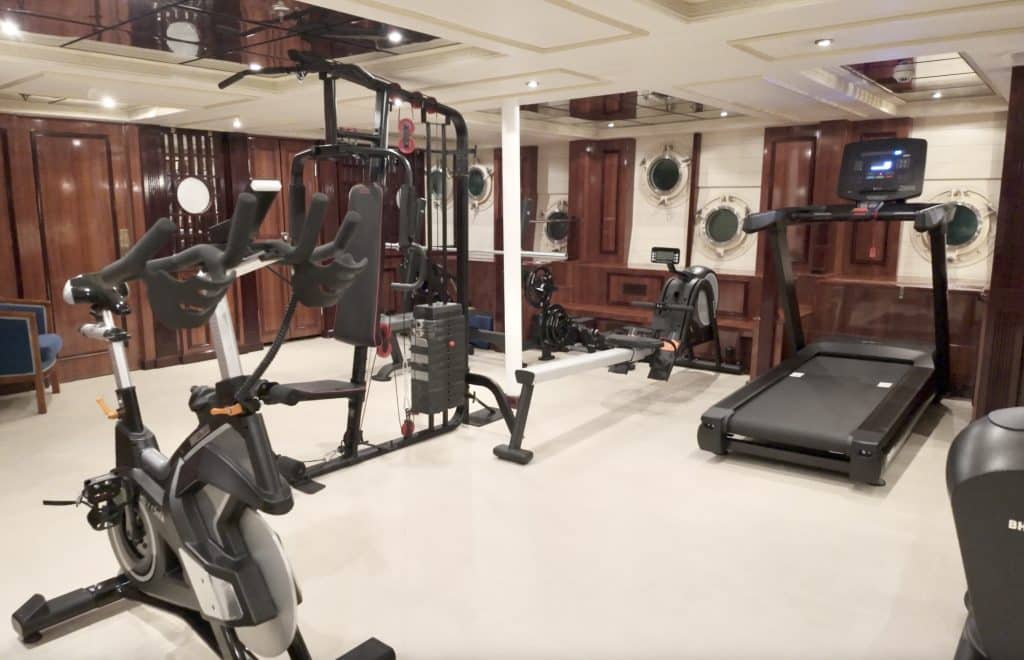
From an environmental perspective, the use of wind power is a significant advantage. While the Royal Clipper still utilizes marine gas oil for maneuvering and hotel loads (air conditioning, lighting, etc.), its ability to sail under wind power reduces its carbon footprint relative to motorized vessels of a similar size. As the International Maritime Organization (IMO) continues to tighten emissions regulations, the Star Clippers model of "assisted sail" is being looked at by naval architects as a potential blueprint for the future of sustainable short-sea shipping.
Conclusion and Future Outlook
The success of the Royal Clipper’s Grenadines itinerary underscores a robust demand for specialized, heritage-based maritime travel. While the ship’s lack of accessibility and data-restricted internet may alienate certain segments of the market, these same features reinforce its brand identity as an authentic sailing experience.
Looking forward, Star Clippers faces the challenge of maintaining an aging fleet of specialized vessels while meeting modern traveler expectations. The integration of better espresso-based coffee services and more diverse, globalized culinary options are among the low-cost, high-impact improvements suggested by industry observers. Nevertheless, the "Royal Clipper" remains a singular entity in the tourism landscape—a Guinness World Record holder that proves that in an era of increasingly massive ships, there is still a profitable and prestigious place for the wind and the waves. The enduring appeal of the "photo safari"—where passengers circle the ship in tenders to watch the sails unfurl at sunset—serves as a reminder that for a certain class of traveler, the vessel itself will always be the destination.