The Ultimate Guide to Luxury Dog-Friendly Family Travel: How to Plan the Perfect Vacation with Your Pet

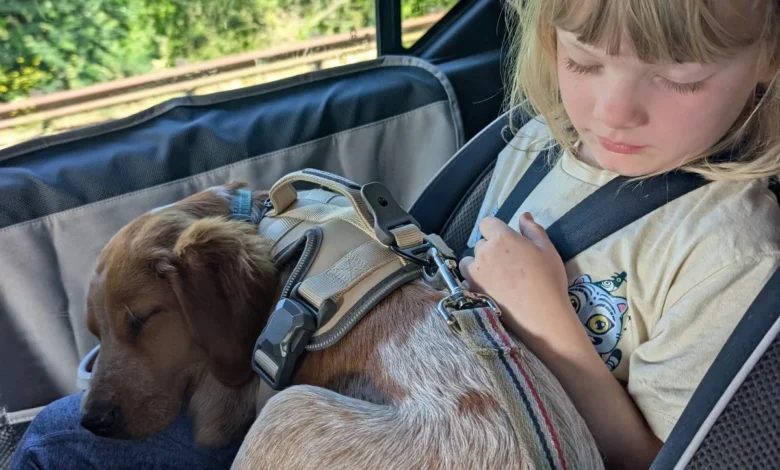
The modern family vacation is increasingly evolving to include four-legged members, transforming how households approach leisure, itinerary planning, and hospitality accommodations. What once required frantic calls to local boarding kennels or anxious requests to neighbors is now frequently solved by packing a pet suitcase and securing reservations at high-end, pet-inclusive resorts. Industry data indicates that pet travel has surged over the past decade, driven by shifting demographics, remote work flexibility, and a cultural pivot toward treating pets as full family members. However, successfully navigating a multi-destination journey—such as a recent high-profile family road trip featuring a California wedding, coastal excursions, and woodland hikes—demands rigorous logistical preparation, scheduling discipline, and an understanding of hospitality policies.
The Evolution of Pet Travel and Market Dynamics
The travel and hospitality sectors have undergone a dramatic transformation to accommodate the nearly 70% of American households that own pets. Historically, traveling with a dog meant restricted lodging options, hidden fees, and minimal amenities outside of a patch of grass near a parking lot. Today, luxury hospitality brands recognize that accommodating pets is no longer an afterthought but a vital competitive advantage.

Market research from travel associations highlights that pet owners are spending significantly more on experiential travel that includes their animals. This shift has prompted elite hotel groups—including Montage Hotels & Resorts, Auberge Resorts Collection, Kimpton Hotels & Restaurants, and Four Seasons Hotels and Resorts—to roll out sophisticated pet-centric programs. Rather than merely tolerating animals, these properties offer bespoke experiences designed to pamper pets as thoroughly as their human counterparts.
Luxury Accommodations Redefining Pet Hospitality
Finding a hotel that genuinely welcomes pets is the cornerstone of a successful trip. Top-tier luxury properties have elevated the pet-friendly standard by introducing tailored amenities that eliminate the friction typically associated with traveling alongside animals.
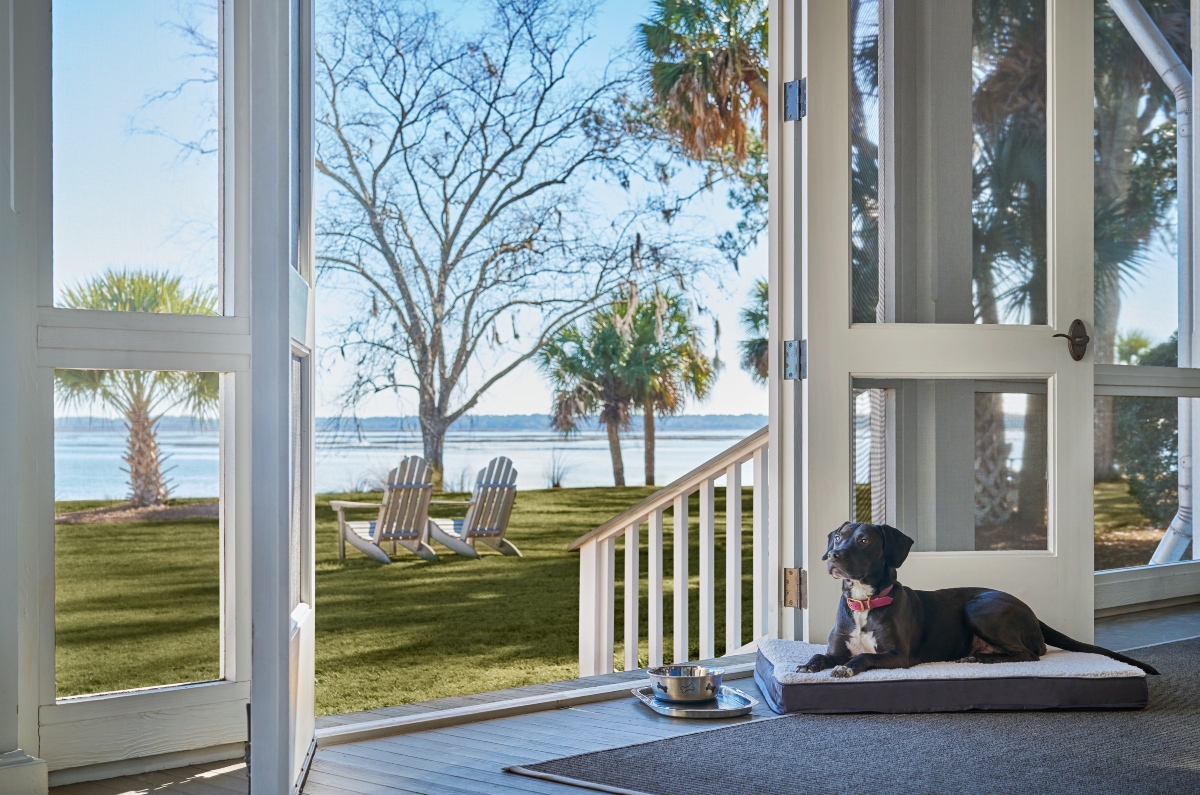
At Montage Laguna Beach in Southern California, in-room pet dining menus feature gourmet selections such as specially prepared chicken, salmon, beef, and dedicated filet dishes. Similarly, Montage Palmetto Bluff in South Carolina greets canine guests with house-made dog biscuits and provides dedicated concierge services to arrange professional walks or sitting schedules. Furthermore, many of these comprehensive resorts seamlessly integrate pet accommodations with family-friendly offerings, such as the brand’s signature Paintbox kids’ programming, allowing children aged five to 12 to engage in supervised group games and arts and crafts while parents manage pet-specific itineraries or adult-only events.
Other notable luxury standouts across the United States include:
- The Lowell (New York City, New York): Known for sophisticated Upper East Side elegance and personalized pet welcoming baskets.
- Enchantment Resort (Sedona, Arizona): Offers direct access to red rock trails where dogs can hike alongside the family.
- Inn by the Sea (Cape Elizabeth, Maine): Features a long-standing tradition of welcoming dogs, complete with luxury bedding and local treats, and even hosts rescue-dog adoption events.
- The Broadmoor (Colorado Springs, Colorado): Provides expansive historic grounds and specialized pet amenities tailored to mountain exploration.
- Ojai Valley Inn (Ojai, California): Blends upscale resort luxury with wide-open outdoor spaces ideal for traveling pets.
Industry experts emphasize that travelers must confirm current pet policies, weight limits, and cleaning fees directly with properties before booking, as regulations can change frequently. Utilizing specialized travel advisors, such as Ciao Bambino Travel Advisors, can streamline this process by matching family and pet needs with the most accommodating hotels.
Chronology and Itinerary Management: Balancing Pet and Family Needs
A well-executed pet-inclusive vacation requires a carefully timed itinerary that accounts for the distinct needs of children, adults, and animals. A representative family travel timeline demonstrates how to balance high-energy activities with mandatory downtime:
- Pre-Trip Phase (Weeks to Months Prior): Veterinary check-ups, updating microchip and vaccination records, purchasing airline- or car-approved safety harnesses, and booking local pet daycares at the destination.
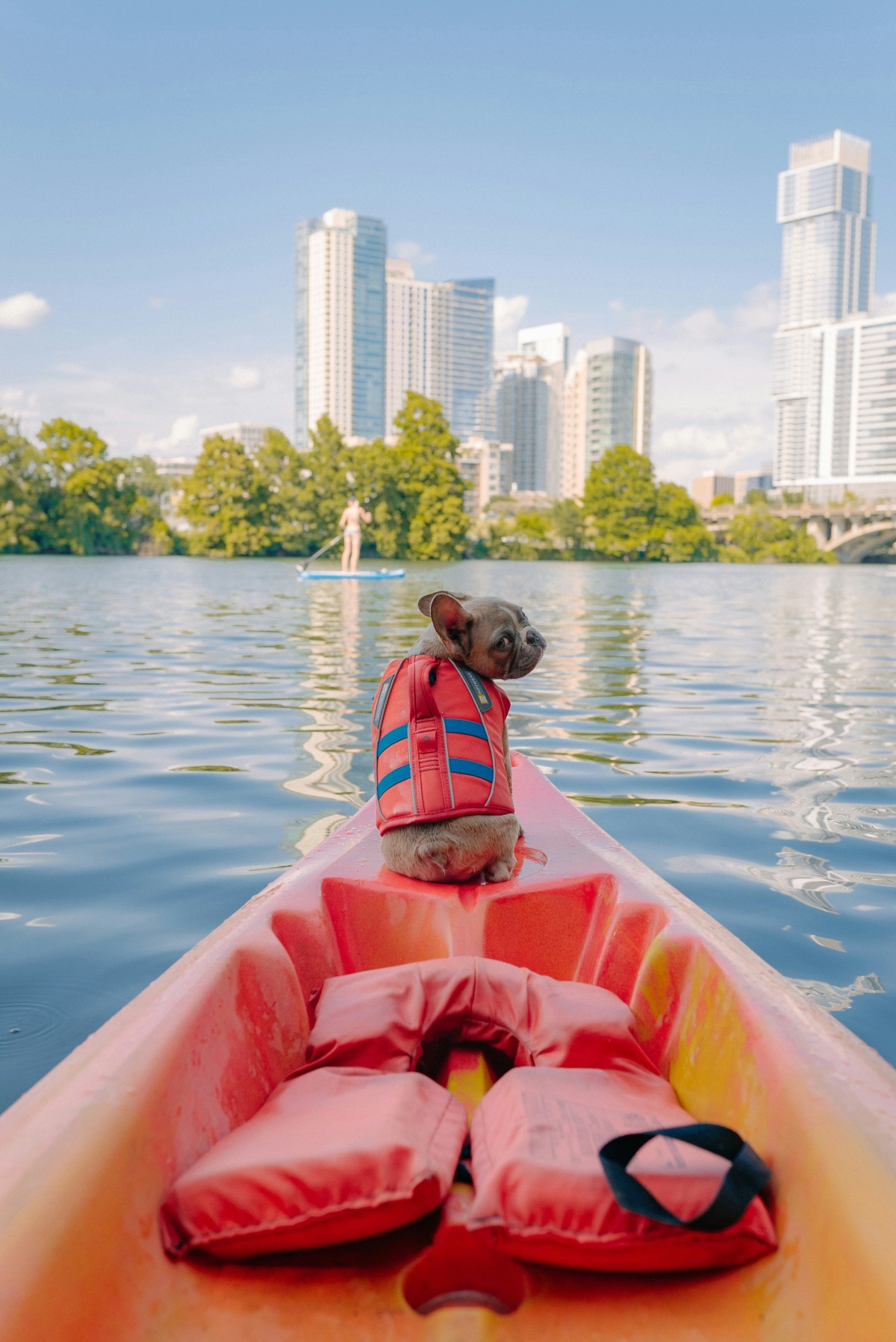
- Departure and Transit Day: Incorporating extended rest stops at off-leash parks or lakeside areas rather than standard highway gas stations, transforming travel time into active recreation.
- Mid-Trip Event Days (e.g., Weddings or Formal Gatherings): Utilizing pre-arranged local luxury daycare facilities—such as K9 Resorts, which operates dozens of locations nationwide featuring rigorous evaluation processes and size-separated playgroups—to ensure the pet is safe and supervised during human-centric events.
- Exploration Days: Allocating mornings and evenings for outdoor excursions, such as coastal beach walks and forest hikes, when temperatures are lower and crowds are minimal.
Navigating Regional Regulations and Outdoor Activities
While the desire to let a dog roam free on a scenic beach or a mountain trail is universal, municipal laws and state regulations vary dramatically by region. For instance, travelers coming from Oregon—where the vast majority of public beaches permit dogs—often encounter a steep learning curve when visiting California. Many California state beaches strictly prohibit dogs on the sand, and local municipalities enforce independent ordinances.
However, exceptions exist, such as Carmel-by-the-Sea on the Monterey Peninsula, which famously permits dogs to run off-leash along its pristine shores. Researching local leash laws, wildlife protection zones, and park regulations well in advance prevents itinerary disruptions and potential fines.
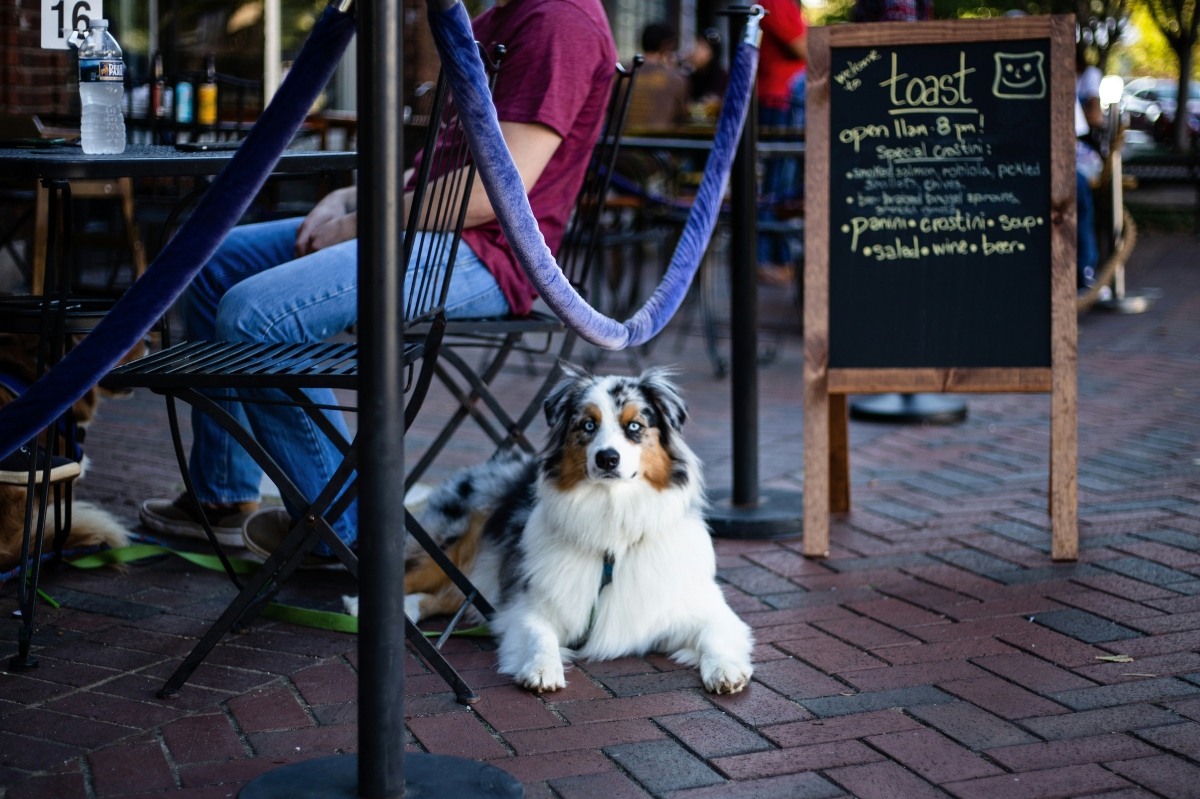
Dining out presents another logistical challenge. Destinations that foster outdoor patio culture allow dogs to join the family for meals, eliminating the need to leave pets unattended in hotel rooms—a practice prohibited by many properties. When restaurant options are limited, families can pivot to picnics in dog-friendly public green spaces, ensuring the pet remains integrated into the daily routine.
Expert Insights and Health Protocols
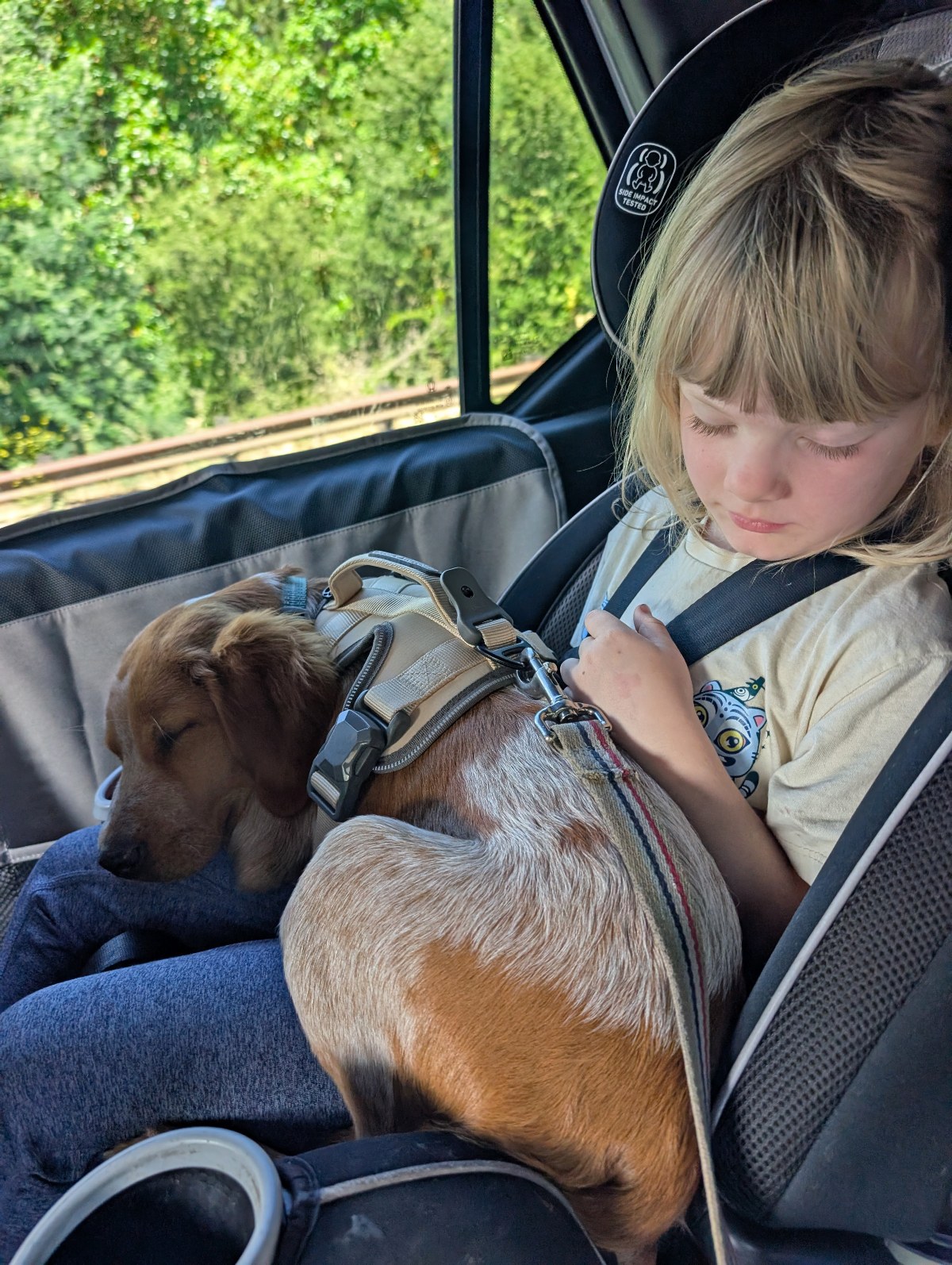
Veterinary and animal behavior experts stress that preparation must begin long before packing the bags. The American Kennel Club (AKC) provides comprehensive guidelines emphasizing health and safety basics for traveling dogs. Key recommendations include crate training for vehicle safety, maintaining regular feeding schedules to prevent travel-induced gastrointestinal distress, and packing a dedicated travel kit containing first-aid supplies, bottled water, familiar toys, and current medical records.
Animal behaviorists note that a dog’s temperament, age, and breed heavily influence travel adaptability. High-energy puppies require significantly more physical exertion and mental stimulation during a trip compared to senior dogs, who prioritize comfort and stable routines. Tempering expectations and observing the animal’s stress levels are critical to ensuring a positive experience for the entire household.
Broader Impact and Industry Implications
The commercial expansion of pet-friendly luxury travel reflects a broader macroeconomic trend: the humanization of pets. As consumers allocate a greater share of discretionary income to their pets, service providers across the tourism ecosystem are adapting. Airlines, rental car agencies, and tour operators are continually refining their policies to capture this lucrative demographic.
Ultimately, traveling with a dog requires patience, schedule juggling, and financial investment in specialized lodging and care. Yet, industry analysts observe that the emotional dividends—such as children building lifelong memories with their pets in new environments—far outweigh the logistical hurdles. By combining thorough preparation with high-end hospitality resources, families can craft seamless, enriching journeys that honor every member of the household.