The Early Bird Catches Alone Time: Strategies for Experiencing Lake Tahoe’s Natural Splendor Amidst Peak Season Crowds

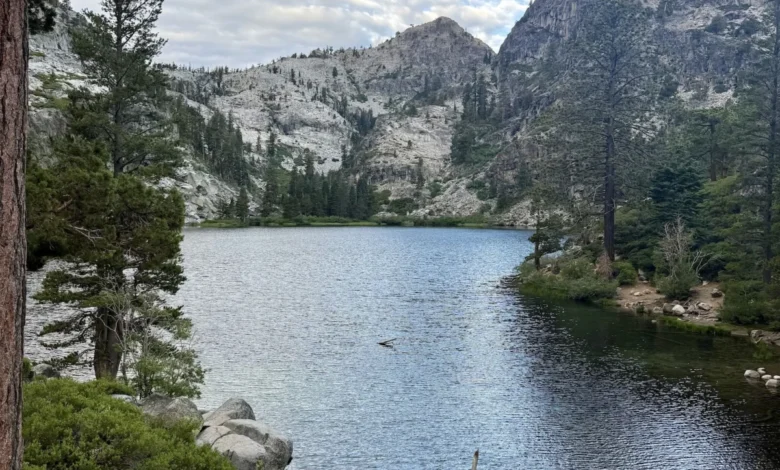
Following a week immersed in the vibrant urban landscape of Reno, Nevada, for the annual Artown Music and Art Festival, the desire for a tranquil escape from the city’s energy became palpable. Fortunately, the proximity of Reno to the majestic Lake Tahoe offered a seamless transition from desert heat to the unparalleled beauty of the world’s largest alpine lake. What was envisioned as a leisurely Saturday morning drive transformed into a stark lesson in the realities of popular tourist destinations during peak season, highlighting the critical importance of strategic planning for an optimal experience.
The initial plan was straightforward: depart Reno around 9 AM, procure a refreshing iced coffee en route, and seek out one of Lake Tahoe’s famed, Instagram-worthy coves, where the water gleams with an almost impossibly bright teal hue. This journey, estimated at a mere 35 minutes, quickly dissolved into a two-hour ordeal of bumper-to-bumper traffic, navigating narrow, single-lane roads, and a frustrating search for parking that would grant access to a handful of potential beach locations along the north shore. This experience underscored a fundamental truth about Lake Tahoe: it is not a destination that accommodates a "sleep in and see what happens" approach, particularly during the bustling summer months. By July 2025, the region had already welcomed nearly three million visitors to its picturesque mountain towns, a testament to its enduring appeal but also a clear indicator of the ongoing challenge of overtourism.
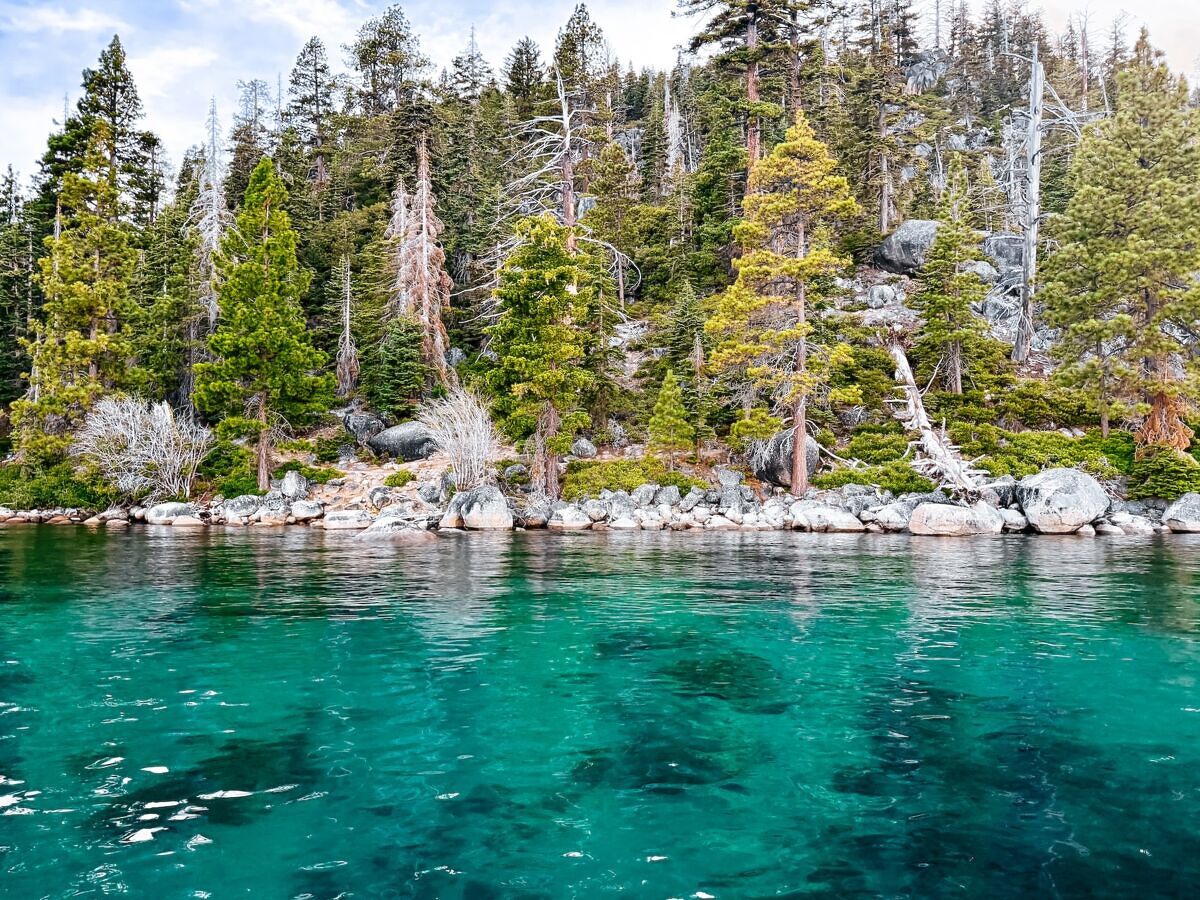
Lake Tahoe, straddling the borders of Nevada and California, offers a landscape of undeniable allure. Pine-covered mountains cascade down to meet a lake so pristine it appears almost unreal. The charm of its quirky ski towns and the sheer clarity of its waters have long cemented its status as a coveted travel destination, often featured on the wish lists of those dreaming of a "someday trip." However, the reality of experiencing this natural wonder during peak season often diverges from the idyllic postcards. The congestion and competition for access can detract from the serene escape many seek.
The realization of this miscalculation dawned swiftly, leading to the discovery of a crucial strategy for maximizing the Tahoe experience: the unparalleled magic of early mornings. Sunrise hikes through deserted trails, quiet contemplation on an uncrowded beach, or securing the first gondola ride of the day to witness the ethereal clearing of fog from the mountain peaks – these are the moments that truly showcase Tahoe’s pristine natural charm. The key to navigating the busy summer season without succumbing to frustration or losing precious time to logistical hurdles lies in embracing the dawn.
Adjusting the Summer Schedule: The Power of Pre-Dawn Exploration
The most impactful strategy for a fulfilling Lake Tahoe summer vacation is a radical adjustment to one’s typical schedule: waking up exceptionally early, ideally before 5 AM. While this may sound daunting, the reward of experiencing the region’s natural beauty in solitude far outweighs the temporary discomfort of an early start. The adage "you can always take a nap later" becomes a comforting mantra. For those who prioritize a leisurely pace and value sleep, visiting Lake Tahoe during its peak summer weekends might necessitate a reconsideration of priorities.
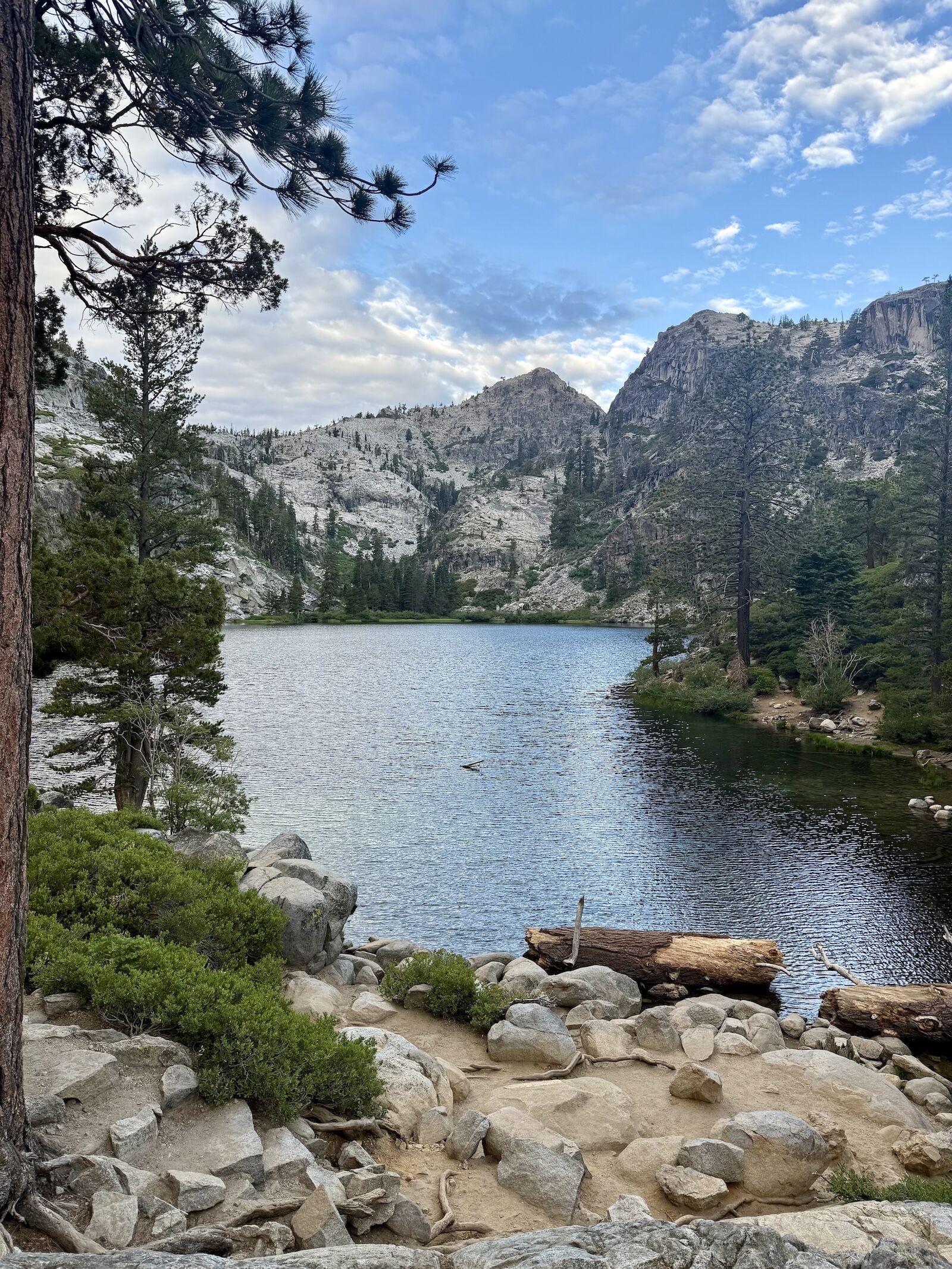
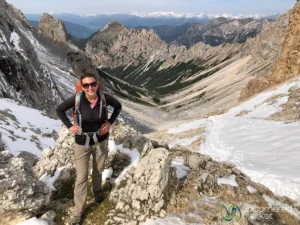
Those willing to pack their bags the night before and rise before the sun will undoubtedly reap the benefits. The payoff of crisp mountain air and unobstructed vistas is well worth the sacrifice of a few extra hours of sleep. Even for individuals who do not typically identify as early risers, the experience of having America’s most stunning landscapes virtually to oneself is a profound adventure. A hike to Eagle Lake in Emerald Bay State Park, for instance, can offer an unparalleled sense of peace and connection with nature when undertaken in the quiet solitude of dawn, with no other souls in sight. This intimate encounter with the natural world, sharing the first light of day with the surrounding trees and the tranquil lake, represents a near-perfect adventure.
It is crucial to understand that the allure of sleeping in a little later often comes at a significant cost in popular destinations like Tahoe. Many trailheads possess extremely limited parking capacity. Arriving later in the day can mean not only encountering crowded trails but also facing the impossibility of parking altogether, rendering the planned excursion moot.
Beyond the immediate benefits of tranquility and accessibility, early morning exploration also sets the stage for a truly satisfying post-activity experience. Imagine enjoying a hearty breakfast after a rewarding hike, perhaps indulging in mouthwatering biscuits and gravy at a local institution like Bert’s Café, or savoring a robust cup of coffee at Three Pines Coffee Shop to invigorate the senses after an early start. These simple pleasures are amplified when earned through an active and mindful engagement with the surroundings.
Embracing the Wilderness: Overnight Stays for Crowd Avoidance
For individuals for whom the prospect of a pre-dawn alarm triggers an immediate aversion, an alternative strategy exists: immersing oneself in the wilderness by camping overnight. By choosing to camp, visitors are already situated in the very locations that others are desperately trying to access later in the day. This approach bypasses the traffic and parking woes entirely, allowing for immediate access to the natural beauty of Lake Tahoe.
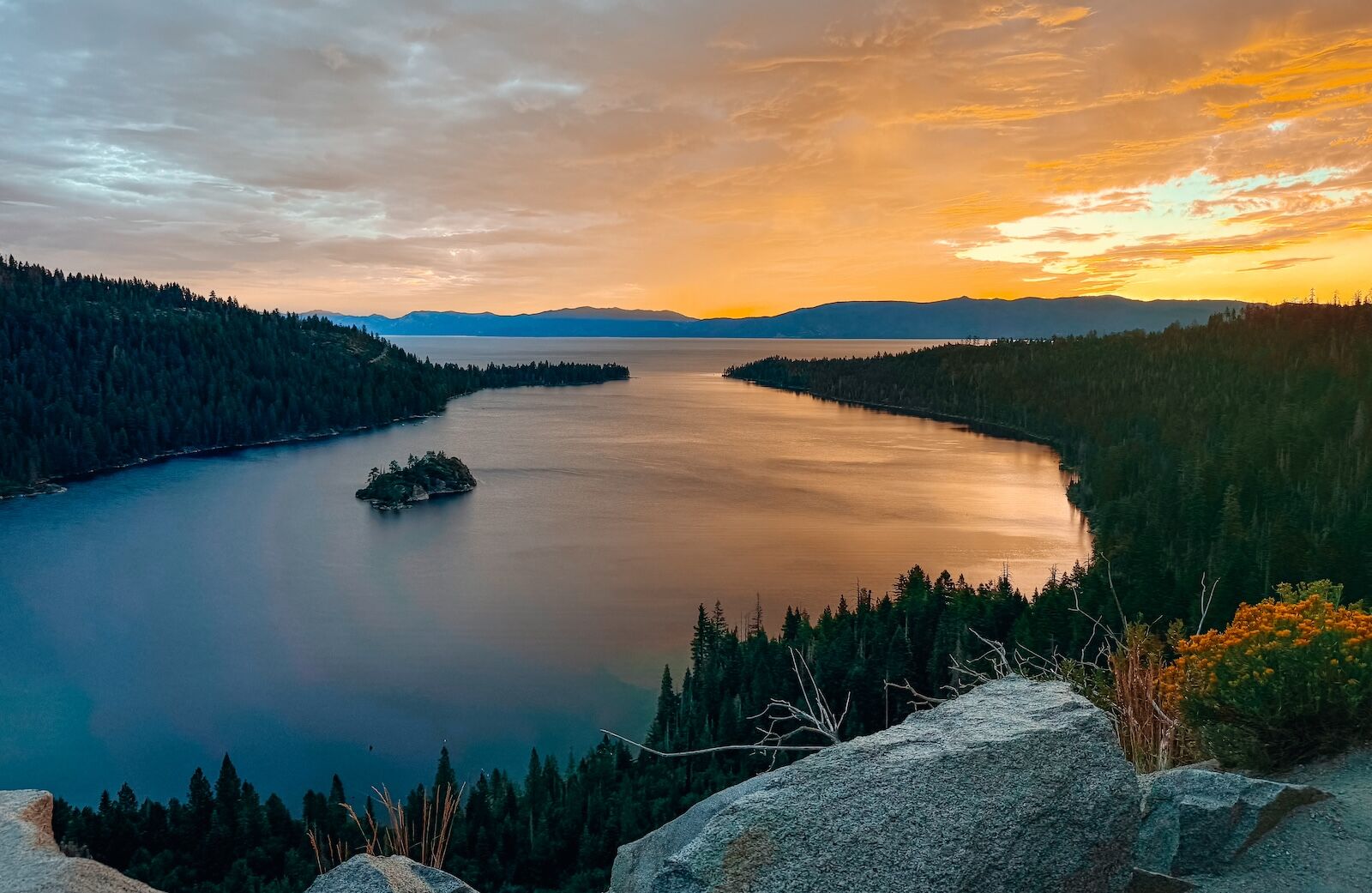
Several convenient and picturesque camping locations surround Lake Tahoe. For those seeking an experience within Desolation Wilderness, options abound, though reservations are paramount. A particularly unique and adventurous option is the Emerald Bay Boat-In Campground. Accessible primarily by boat and limited to just 20 sites, this campground offers a rare opportunity to wake up within Emerald Bay without the presence of large crowds. Overnight boat rentals are available from companies in nearby South Lake Tahoe, and the campground’s location on the site of an 1880s resort provides a historical dimension to the experience. Securing reservations well in advance is non-negotiable, as these sought-after spots book up rapidly, and arriving without a permit can quickly shatter the wilderness dream.
Meticulous Planning: The Key to a Seamless Tahoe Experience
Lake Tahoe is not a destination that rewards spontaneity during peak season. Arriving without a concrete plan can result in a significant portion of the day being consumed by searching for parking, waiting in queues for tables, or navigating logistical challenges. The antidote to this potential frustration is meticulous planning. Channeling an inner "Type A" personality, or enlisting the help of a detail-oriented friend, is essential. Locking in details at least a day or two in advance is crucial. This includes selecting specific hiking trails, identifying desired swim spots, and, for popular restaurants, making reservations weeks ahead of time, especially for weekend visits.
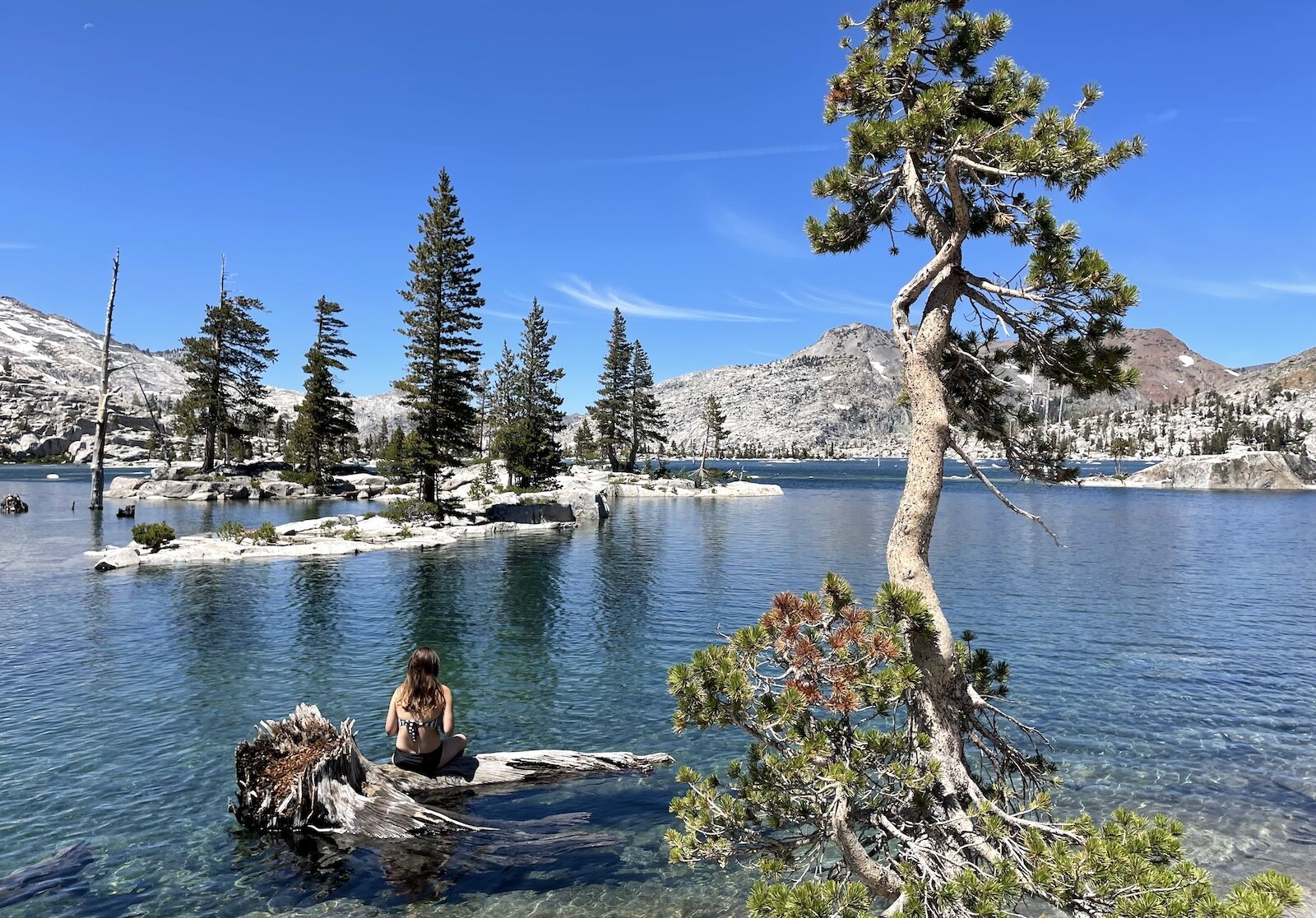
For those opting for picnics, pre-purchasing all necessary provisions and storing them in a cooler ensures that daylight hours are not wasted on last-minute grocery runs or lengthy waits in line. The overarching goal is to dedicate mornings to active exploration and afternoons to relaxation, a rhythm made possible through advance preparation. For instance, a well-planned morning hike can be followed by a visit to a less crowded, private beach, such as the Lakeside Park Association Beach, which is accessible to guests of hotels like the Desolation Hotel. This strategic approach transforms the potential for a day spent in traffic into an idyllic immersion in nature.
Leveraging Resort Amenities: Strategic Stays for Summer Enjoyment
While renowned for their winter prowess, Lake Tahoe’s ski resorts also transform into bustling summer destinations. Staying at one of these resorts offers a strategic advantage, similar to camping, by placing visitors directly where they want to be. Heavenly Resort’s iconic gondola, for example, provides a breathtaking summer perspective of the lake. A ride to the summit offers panoramic views of the dramatic divide between the shimmering waters of Lake Tahoe and the vast expanse of the Great Basin Desert. Cole Zimmerman, Heavenly Resort’s PR manager, emphasizes the unparalleled nature of these vistas, noting that "It really doesn’t get much better than the view of Lake Tahoe from our gondola."
During the summer months, Heavenly Resort complements its scenic gondola rides with an adventure park located near the mountain’s summit. This park features a range of activities, including ziplining, a climbing wall, and the region’s only gravity-powered mountain coaster. Staying within Heavenly Village provides a distinct advantage in accessing these activities and the gondola with minimal waiting. This combination of adventure and scenic beauty offers a compelling taste of what Lake Tahoe has to offer. Zimmerman further elaborates on the resort’s appeal: "Whether you’re looking for adrenaline or just a relaxing time, you can find both at Heavenly, and that’s something we’re really proud of."
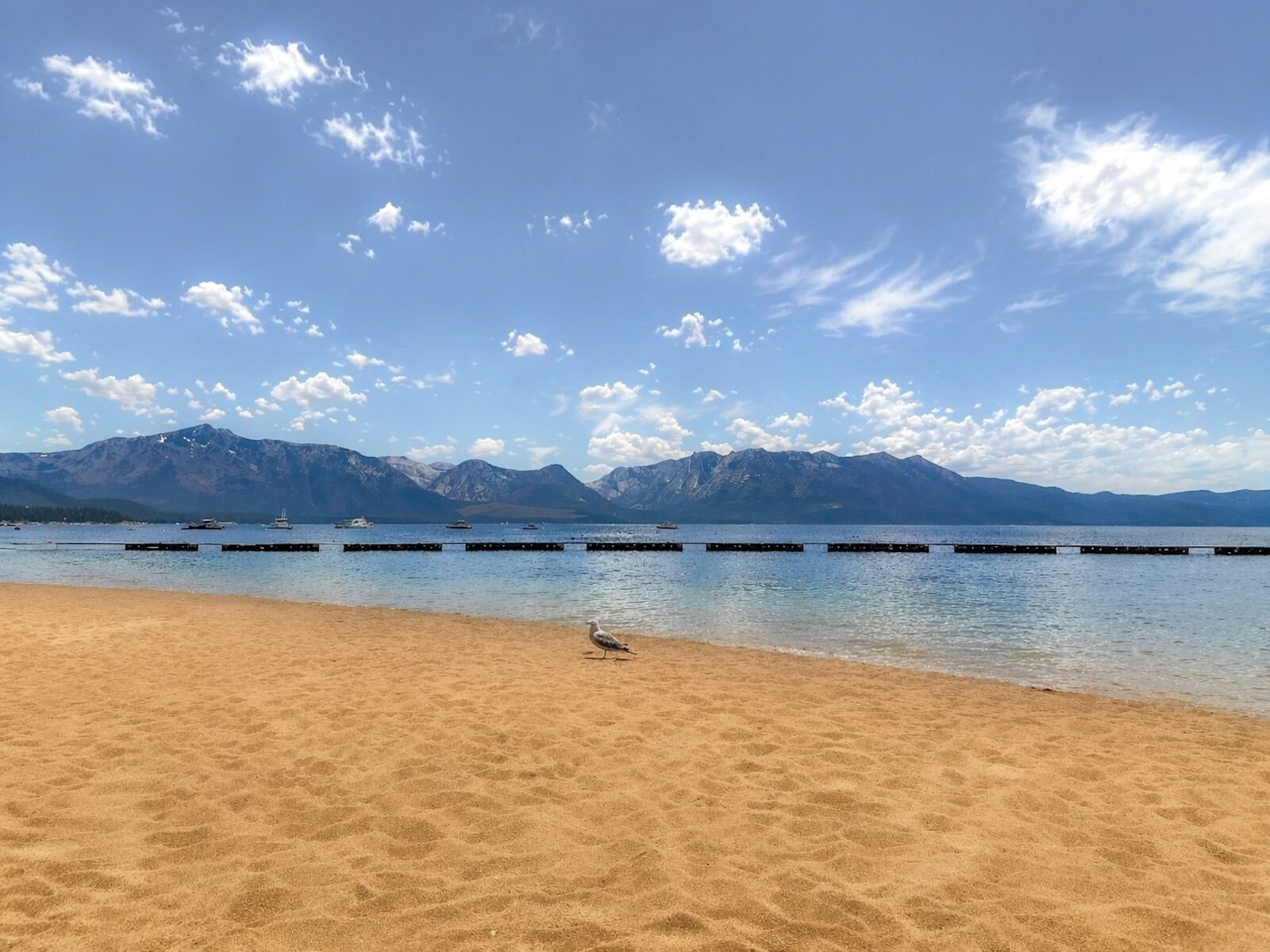
Resort stays also streamline logistical planning. Purchasing gondola passes or lift tickets for mountain biking the day before can eliminate morning rush and stress. Major resort operators like Alterra Mountain Company (Palisades Tahoe and Alpine Meadows) and Vail Resorts (Northstar California, Heavenly, and Kirkwood Mountain Resort) often offer benefits to pass holders. For instance, Epic Pass holders may receive discounts on summer activities, including scenic lift rides and food and beverage purchases. Beyond the specific attractions, most mountain resorts provide summer access to hiking trails, offering diverse experiences. Northstar California boasts a bike park and a vibrant village, while Kirkwood Mountain Resort provides a more secluded retreat focused on hiking amidst wildflowers.
Backup Plans: Embracing the Night Sky When Early Mornings Aren’t an Option
For those who find themselves unable to seize the early morning hours, the allure of Lake Tahoe doesn’t entirely dissipate with the rising sun. The region’s high elevation and exceptionally clear skies offer a spectacular opportunity for stargazing, particularly for those accustomed to the light pollution of urban environments. Northstar California hosts "dark sky events" where attendees can gather by firepits, equipped with telescopes, and receive guided tours of the cosmos from astronomers affiliated with Tahoe Star Tours.
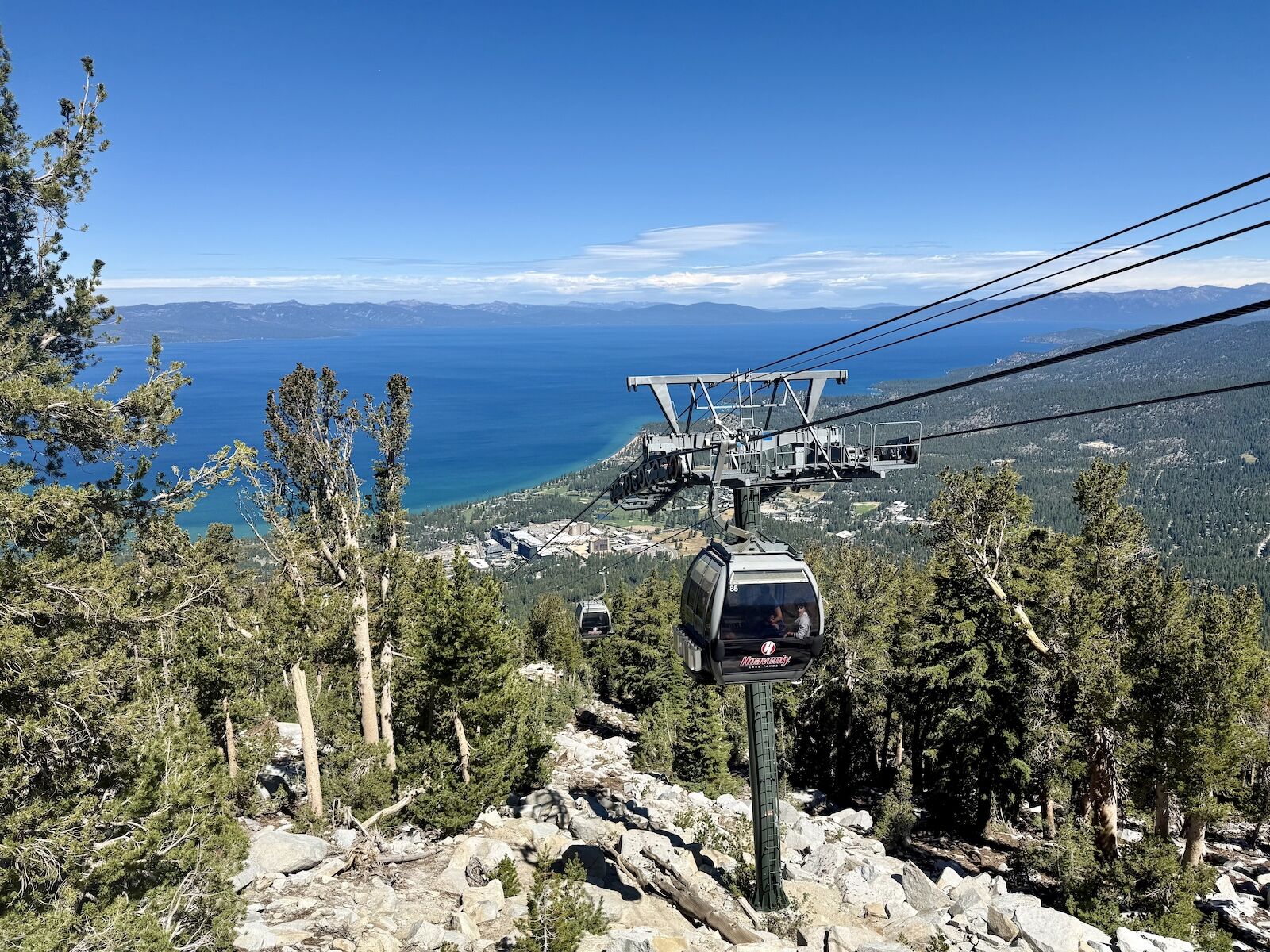
A more rugged and DIY stargazing experience can be found at Sand Harbor Beach on Tahoe’s east shore. The placid surface of the lake acts as a natural mirror, reflecting the vast expanse of the night sky, creating an immersive celestial panorama. Bringing a blanket and a picnic allows for an extended evening of contemplation. Other favored stargazing locations include Secline Beach in Kings Beach, which offers a serene environment shielded from town lights, and elevated vantage points such as Emerald Bay State Park and D.L. Bliss State Park, where minimal light pollution provides unobstructed, panoramic views of the night sky.
Taking to the Water (and Skies): Alternative Perspectives on Tahoe’s Beauty
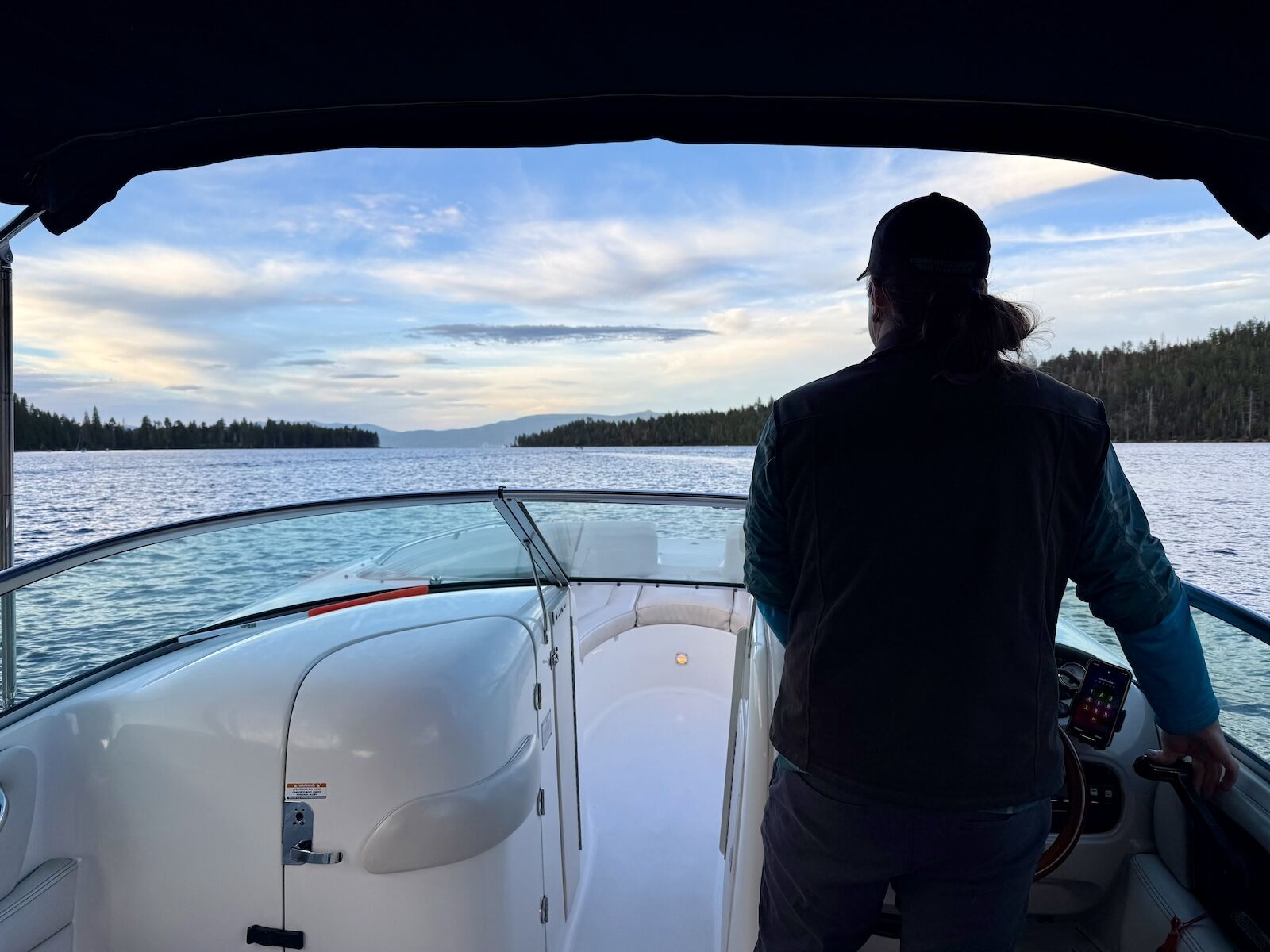
One of the most effective methods for circumventing Lake Tahoe’s summer crowds is to experience the region from its expansive waters. Participating in a sunset cruise, such as the one offered by Lake Tahoe Boat Rides, provides a unique vantage point. Captain Dan Kramer, who leads these excursions, shares historical insights into the lake, points out hidden inlets, and discusses the crucial sustainability efforts that maintain Tahoe’s postcard-perfect clarity. From the water, the traffic jams and crowded beaches feel worlds away, offering a profound appreciation for the lake’s sheer scale and grandeur.
As Captain Kramer aptly states, "The very best thing you can do for yourself is get out on the lake. You can get oriented. See the different communities around the lake, the beaches, the hiking trails, and get ideas for all the recreational things you can do." Charter boat services like Lake Tahoe Boat Rides offer customizable experiences, whether the goal is water skiing, exploring secluded coves, or simply enjoying a leisurely cruise along the shoreline. Beyond private charters, a plethora of options exist, ranging from hourly kayak rentals to sightseeing and happy hour cruises.
However, for a truly dramatic escape from the crowds, consider a perspective from above. The Tahoe Flyer offers a unique experience as the world’s only hot-air balloon launched from a boat. Before sunrise, the balloon is inflated on deck while out on the water. Once ready, passengers ascend into the basket for an otherworldly view of Tahoe’s glassy waters and the surrounding Sierra Nevada mountain range. This immersive experience typically lasts about four hours and concludes with a celebratory mimosa toast upon returning to the boat.
The undeniable truth is that Lake Tahoe’s popularity is well-deserved, owing to its breathtaking beauty. However, to bridge the gap between idealized expectations and the reality of peak-season crowds, particularly at its renowned beaches, an early start is often essential. Fortunately, the sheer abundance of activities available ensures that even without the added incentive of avoiding crowds, one would be inclined to wake early simply to maximize the limited time available. While the initial grogginess of a 5 AM wake-up call might be a hurdle, the sight of the sunrise over the lake is a powerful affirmation that the effort is unequivocally worthwhile. And as a final comfort, the option to later relax on a beach remains a delightful possibility.