The Most Spectacular Swimming Destinations Across the United States for Nature Enthusiasts

The United States offers a diverse array of natural aquatic environments that serve both as vital ecological sanctuaries and premier recreational destinations. From the glacially carved basins of the Sierra Nevada to the ancient fossil beds of Florida’s limestone sinkholes, the American landscape provides a variety of swimming experiences that demand both appreciation and responsible stewardship. As the popularity of outdoor recreation continues to climb, federal and state agencies are increasingly tasked with balancing public access with the urgent need for habitat preservation.
Yosemite National Park: Aquatic Preservation and Recreational Access
Yosemite National Park remains one of the few federally protected areas in the United States that permits swimming across a broad spectrum of its waterways. The Merced River, a designated Wild and Scenic River, serves as the park’s primary artery for water-based recreation. At El Capitan Meadow, the river exhibits a gentle flow, providing a calm environment for casual swimmers and floaters. In contrast, higher elevations offer alpine experiences such as Tenaya Lake, situated along Highway 120.
Environmental regulations within the park are strictly enforced to mitigate the impact of human presence on delicate riparian ecosystems. National Park Service (NPS) officials consistently remind visitors that while the water is inviting, the preservation of water quality is a collective responsibility. This includes the proper disposal of waste and the avoidance of chemical contaminants, such as sunscreen and bug spray, which can degrade the fragile aquatic environments.
Subterranean Wonders: Devil’s Den and the Florida Spring System
Florida’s Devil’s Den, located near Gainesville, represents a significant geological anomaly. This 50-foot-deep subterranean sinkhole has become a site of intense interest for geologists and recreational divers alike. The site features 33-million-year-old fossil beds and distinct rock formations, including stalactites. The water temperature remains a constant 72 degrees Fahrenheit year-round, a result of the stable subterranean environment.
Because the site is a private geological preserve, management policies differ from public parks. Swimming is restricted to those equipped with snorkeling or scuba gear, as the primary objective of the site is to preserve the integrity of the cavern. There are no apex predators, such as alligators or crocodiles, present in the sinkhole, allowing for a unique, controlled wildlife interaction. The site serves as a reminder of the vast, hidden aquifer systems that define Florida’s geography.
The Alpine Challenges of Lake Tahoe and Sebago Lake
Lake Tahoe, straddling the California-Nevada border, represents a massive hydrological resource. As the second-deepest lake in the United States, its sheer volume of water keeps temperatures significantly lower than smaller, shallower bodies of water. The lake’s diverse shoreline—ranging from the granitic boulders of Sand Harbor to the sandy expanses of its southern basin—attracts millions of visitors annually.
In the Northeast, Sebago Lake in Maine offers a different historical perspective. As one of the state’s five original state parks, it sits at the foothills of the White Mountains. Its basin, shaped by glacial activity during the last Ice Age, contains some of the region’s finest white-sand beaches. The seasonal fluctuation of the water temperature serves as a natural regulator for visitation, with peak activity occurring during the brief, temperate summer months.
High-Altitude Conservation: Havasupai Falls and the Grand Canyon
Perhaps the most logistically complex swimming destination in the United States is Havasupai Falls. Located within the Grand Canyon on tribal land managed by the Havasupai Tribe, the site is famous for its distinct, turquoise-hued water caused by high concentrations of calcium carbonate.
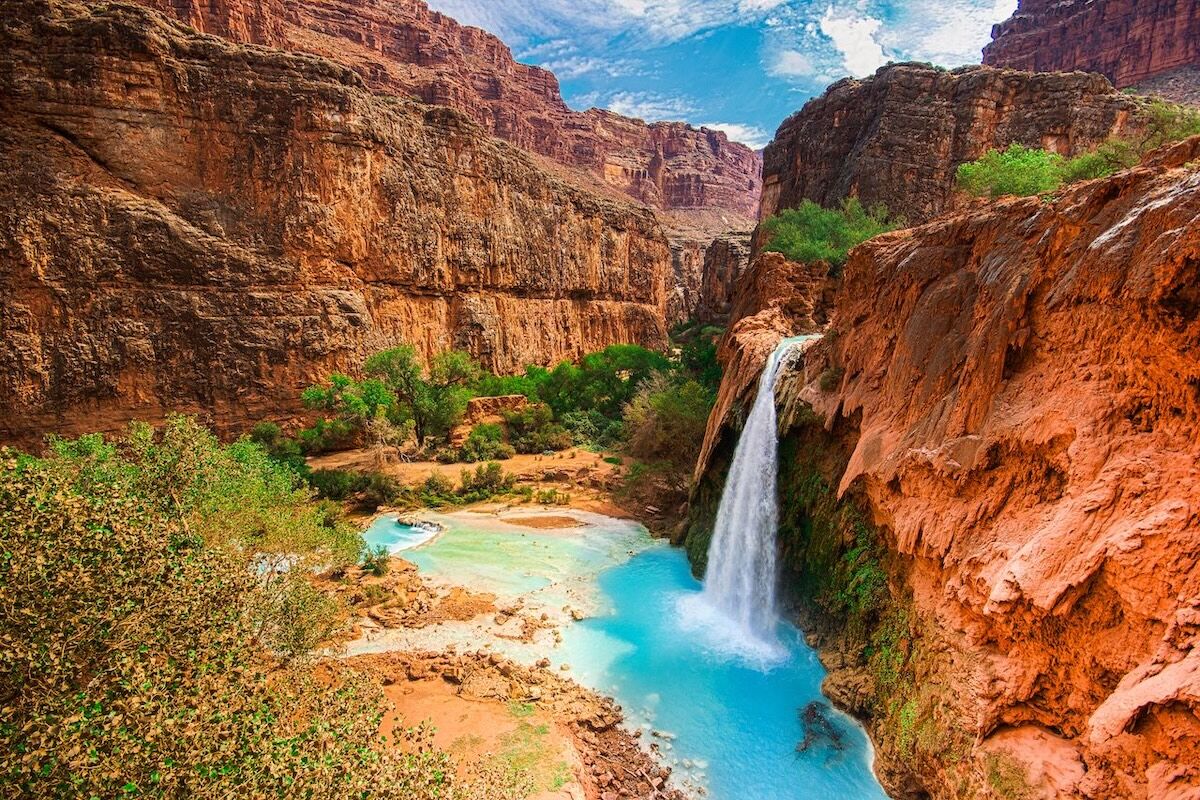
The management of this area is a model for indigenous-led conservation. Access is highly restricted; potential visitors must participate in a competitive annual lottery for permits, which often sell out within minutes of release each February. The cost, which currently sits at approximately $150 per night, reflects the logistical challenges of supporting tourism in such a remote location, as well as the tribe’s commitment to limiting the environmental footprint on the canyon floor. The Havasupai people maintain strict regulations to protect the falls, emphasizing that the area is not merely a tourist attraction but a sacred cultural landscape.
The Ozarks: Igneous Geology at Johnson’s Shut-Ins
In the St. Francois Mountains of Missouri, Johnson’s Shut-Ins State Park demonstrates the power of geological resistance. The park is named for the "shut-ins," where the East Fork Black River is constricted by igneous rock that has resisted millions of years of erosion. This creates a natural water park effect, with deep, clear pools interspersed with rapid-moving chutes. The Missouri Department of Natural Resources maintains the park with a focus on safety, as the shifting water levels and rocky terrain require a high degree of situational awareness from visitors.
Protecting Vulnerable Species: Crystal River National Wildlife Refuge
The Crystal River National Wildlife Refuge serves as a critical warm-water habitat for the West Indian manatee, a species historically classified as endangered. Three Sisters Springs is the focal point of this refuge. The management of this site highlights the tension between public recreation and environmental protection.
From November 15 to March 31, the springs are frequently closed to swimmers to provide manatees with a sanctuary from human disturbance. The U.S. Fish and Wildlife Service utilizes this period to monitor the health of the manatee population. During the open season, visitors are encouraged to practice "passive observation," ensuring that their presence does not alter the natural behaviors of the wildlife. This management strategy provides a blueprint for how other refuges might approach high-traffic areas in the future.
New England’s Hidden Pools: Warren Falls, Vermont
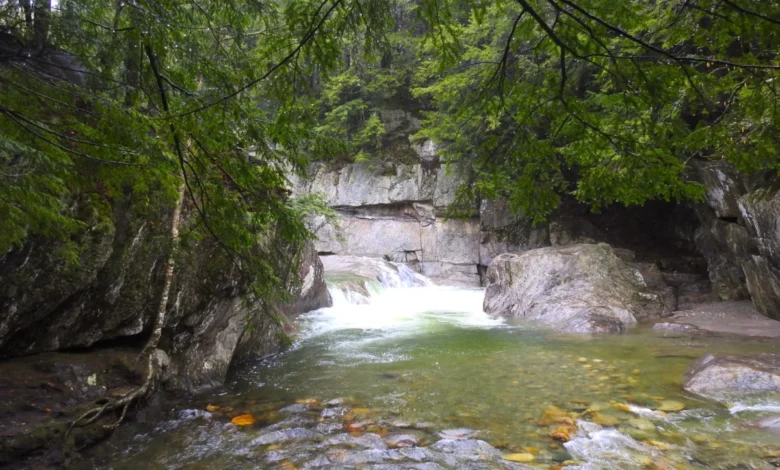
Warren Falls in the Green Mountain National Forest remains a quintessential New England swimming destination. The falls consist of a series of medium-sized drops into deep, rock-enclosed pools. The water, which ranges in color from turquoise to emerald, is sourced from the Mad River.
The popularity of the site has led to increased management efforts by the U.S. Forest Service to address erosion along the riverbanks and parking congestion. While the site remains a popular spot for families and pet owners, authorities have expressed concerns regarding cliff diving, which presents significant safety risks. The area serves as a case study for the challenges of managing "wild" swimming holes that have gained viral popularity on social media platforms.
Broader Implications for American Outdoor Recreation
The surge in interest regarding these natural swimming sites has created a significant shift in land management strategies. Across the United States, land managers are reporting record visitation numbers, which has led to several emerging trends:
- Permit Systems: As seen at Havasupai Falls, the implementation of lottery-based permit systems is becoming a primary tool for controlling crowd density and ensuring that the revenue generated covers the cost of ecological restoration.
- Seasonal Closures: Agencies are increasingly willing to close areas during peak wildlife breeding or migration periods, as evidenced by the policies at Crystal River.
- Infrastructure Investments: Many parks are upgrading facilities to better handle human waste and prevent runoff, recognizing that the primary threat to these pristine waters is often the very people who come to enjoy them.
The long-term health of these swimming destinations depends on the public’s ability to adhere to "Leave No Trace" principles. Scientific studies on water quality in public recreation areas consistently show that high concentrations of visitors lead to increased nitrogen and phosphorus levels, which can trigger algae blooms and threaten local biodiversity.
As the United States continues to prioritize the accessibility of public lands, the future of these sites will require a delicate balance. The goal is to ensure that the water remains clear, the ecosystems remain intact, and the experience remains available to future generations. For the modern traveler, the directive is clear: the privilege of visiting these natural wonders carries the mandatory obligation to protect them from the impacts of human activity. Whether in the depths of a Florida sinkhole or the currents of a mountain river, the stewardship of these environments remains a paramount concern for both local communities and federal agencies alike.