Aegean E-Bike Odyssey: Blending Ancient History, Boutique Wine, and Sustainable Travel in Turkey

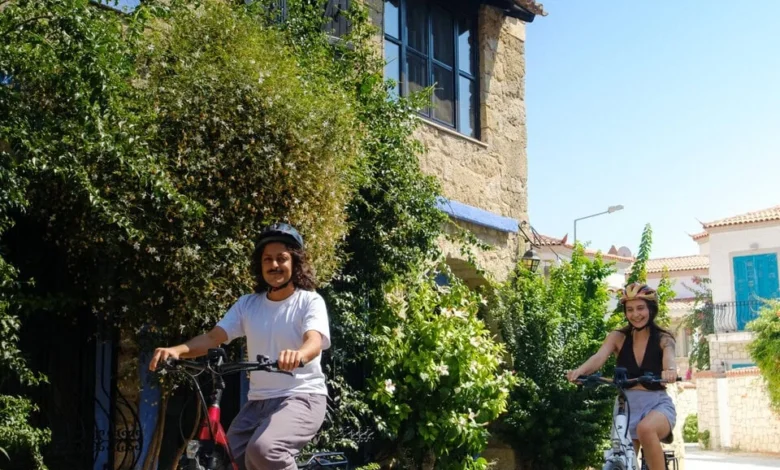
The global rise of experiential and slow-travel tourism has transformed traditional cycling holidays, shifting the priority from grueling athletic endurance to cultural immersion and accessible outdoor recreation. Along Turkey’s western seaboard, a growing tourism sector combines premium electric bicycles, ancient archaeological exploration, and the revival of indigenous viticulture. This 7-day guided e-bike itinerary through İzmir Province—stretching from the cobblestone lanes of Alaçatı to the vineyards of Urla and the marble ruins of Ephesus—highlights a broader industry shift toward low
-impact, high-yield regional tourism designed for travelers seeking both active engagement and historical depth.
Main Facts and Itinerary Overview
Operated by specialized active-travel providers such as S4HT, the seven-day, six-night excursion is anchored at the boutique hotel Sakin Ev in the historic town of Alaçatı. Designed specifically for autumn, winter, and spring windows when Mediterranean temperatures are optimal for outdoor exertion, the itinerary covers daily cycling distances between 35 and 60 kilometers over rolling terrain.
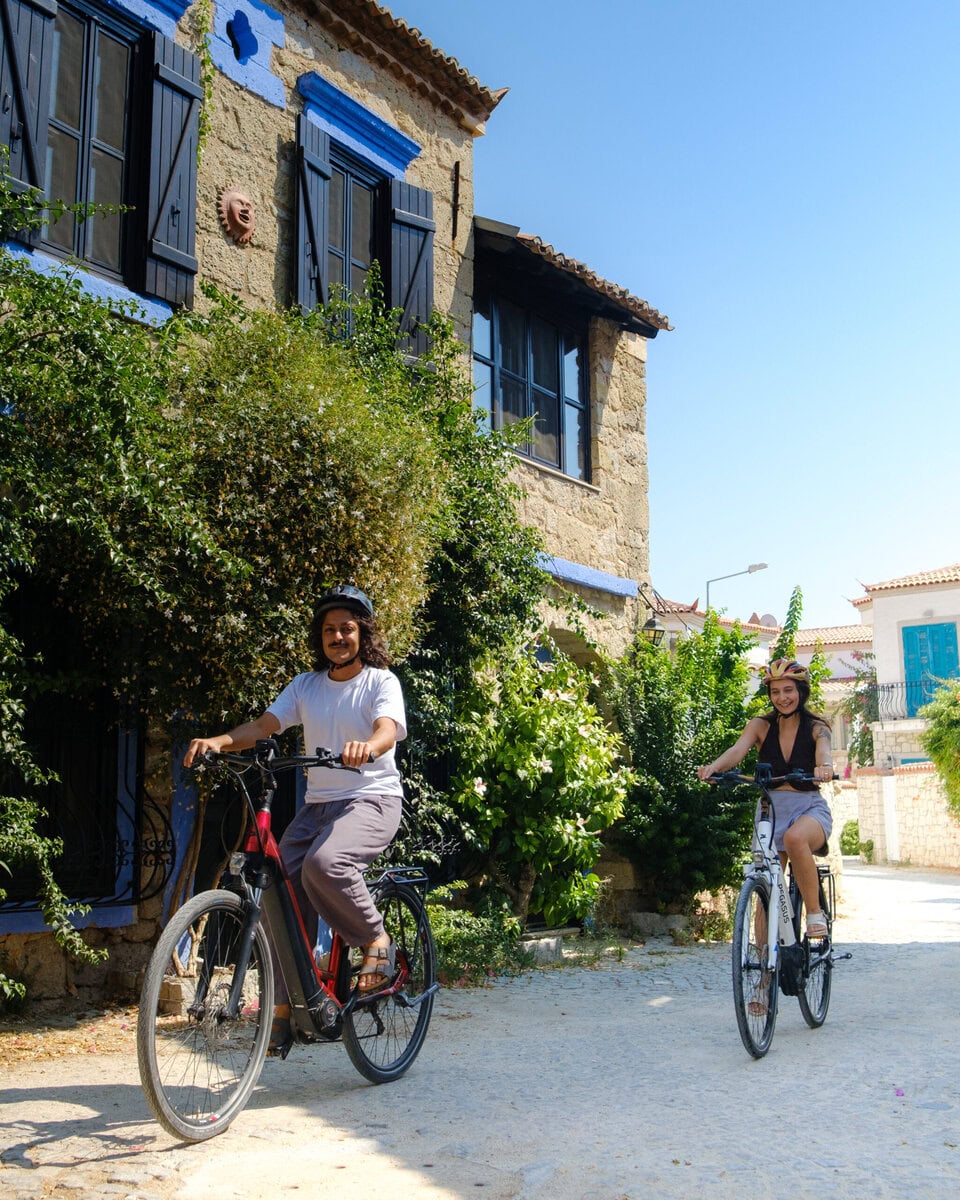
Crucially, the deployment of Bosch-powered electric bicycles neutralizes topographical challenges, opening active tourism demographics to participants who might otherwise dismiss cycling vacations due to fitness concerns. A dedicated support vehicle accompanies the riders at all times, functioning not only as a luggage transfer and logistics hub but also as a mobile hospitality unit that coordinates spontaneous roadside refreshments, including traditional Turkish tea and locally sourced pastries.
Chronology and Daily Progression
The structured journey follows a carefully paced chronometric blueprint that bridges contemporary culinary arts with millennia-old heritage.
Days 1 and 2: Arrival and Coastal Acclimatization
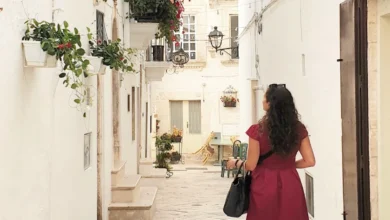
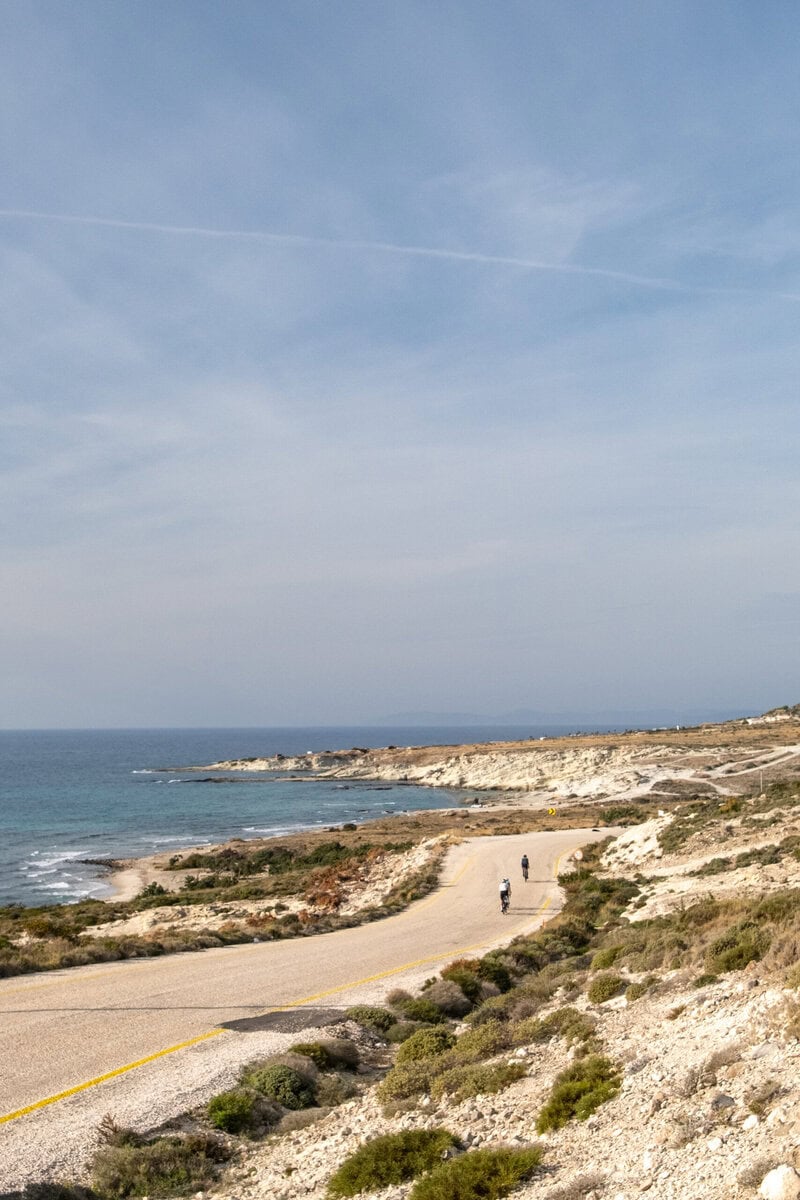
Participants arrive in İzmir and transfer to Alaçatı, an Aegean hub renowned for its preserved stone architecture, narrow alleys, and vibrant bougainvillea. Mornings begin with traditional Turkish breakfast spreads before guests are introduced to their electric bicycles beneath the shade of centuries-old olive trees. Initial rides hug the coastline of the Karaburun peninsula, capitalizing on the refreshing İmbat sea breeze while cyclists adjust to the mechanics of pedal-assist technology along quiet tarmac and coastal tracks.
Days 3 and 4: The Urla Viticulture and Gastronomy Route
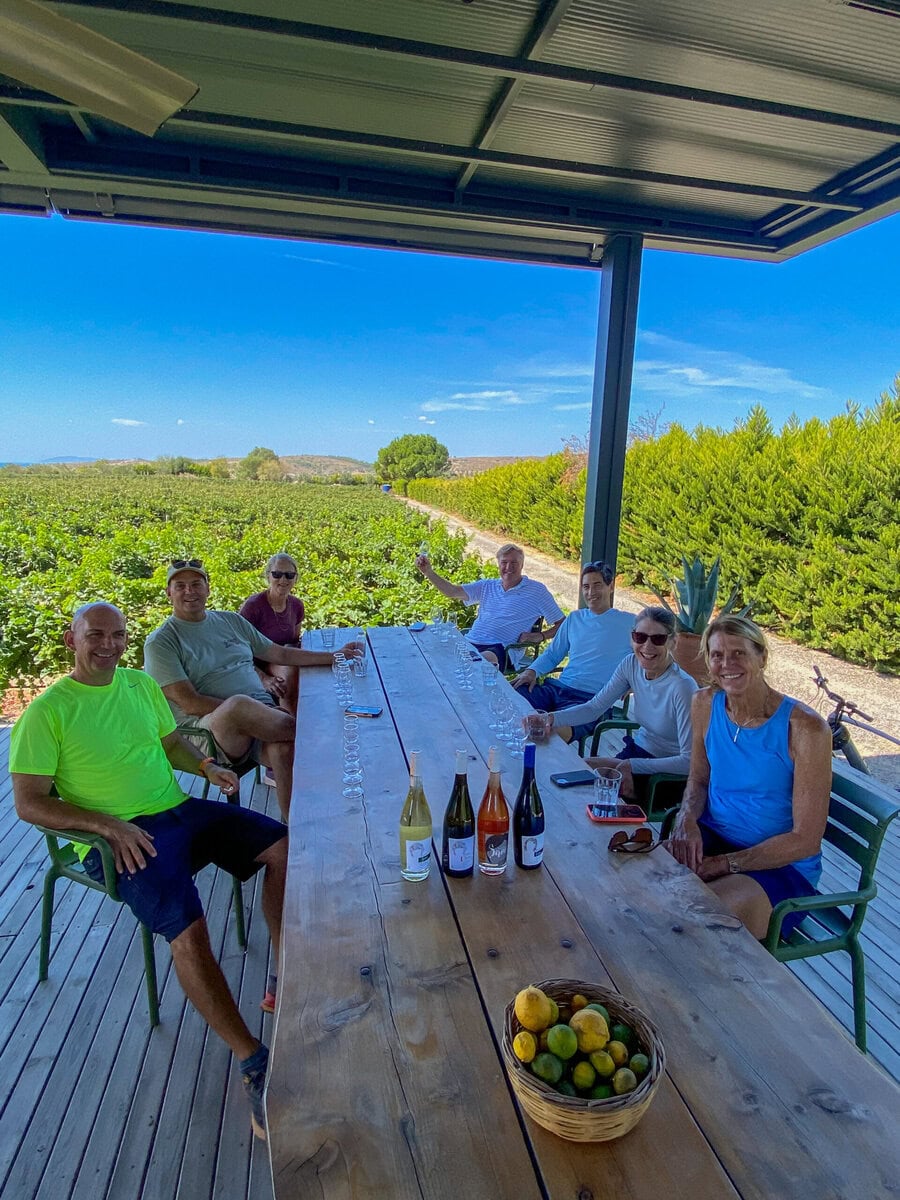
Midway through the week, the itinerary shifts inland to the agricultural and historical landscapes of Urla. Transported past prominent rolling hills via the support van, cyclists navigate dirt pathways winding through silver-leafed olive groves and expansive vineyards. Stops include boutique, family-owned estates where winemakers—often returnees from fast-paced urban corporate sectors—guide participants through tastings paired with farm-to-table dining, featuring cold-pressed extra virgin olive oil and rustic breads.
Days 5 and 6: Archaeological Immersion at Ephesus
Trading agricultural landscapes for monumental architecture, the itinerary transitions to Ephesus, one of the best-preserved classical antiquity sites in the Mediterranean. Rather than cycling, guests explore the ancient metropolis on foot, walking the marble thoroughfares past the Library of Celsus. This phase of the program is deliberately scheduled toward the end of the week, allowing travelers to synthesize their physical transit through the regional landscape with an intellectual appreciation for the civilizations that historically inhabited it.
Day 7: Departure and Coastal Reflection
The program concludes with a farewell dinner along the waterfront, emphasizing local seafood such as grilled sea bass, regional mezes, and indigenous wines, encapsulating the regional ethos known locally as Ege kafası—the Aegean state of mind characterized by deliberate deceleration and appreciation of the present moment.
Supporting Data and Historical Context
The contemporary revival of Urla’s wine and olive oil economy is underpinned by significant archaeological pedigree. The region sits directly upon the historical territory of ancient Klazomenai, recognized by classical historians and archaeologists as one of the most prominent production centers for wine and olive oil in the ancient Greek world.
Archaeological excavations directed by the Turkish Ministry of Culture and Tourism in the region have unearthed evidence of sophisticated industrial agriculture dating back to the 6th century BCE, including what is widely considered the oldest known olive oil workshop infrastructure in the Mediterranean basin. Modern agronomists and boutique winemakers in Urla have leveraged this heritage to resurrect near-extinct indigenous grape varieties. Among these is Urla Karası, an ancient red grape species indigenous to Ionian soils, alongside the crisp white Bornova Misketi. These revivals connect contemporary agritourism directly to classical antiquity, allowing modern visitors to consume products grown under the same climatic and edaphic conditions as their Hellenistic and Roman predecessors.
Official Responses and Industry Analysis
Industry analysts observe that the integration of electric-assist bicycles into guided historical tours represents a vital demographic expansion for active travel operators. By removing the physical intimidation factor traditionally associated with cycling holidays, tour operators report significantly higher participation rates among older travelers, couples with mixed fitness levels, and professionals seeking wellness-focused retreats rather than athletic boot camps.
"Travelers increasingly reject the passive observation of heritage sites from behind the window of a tour bus," notes an industry logistics coordinator familiar with Aegean tourism developments. "When a visitor physically traverses the terrain, smells the wild thyme, battles the coastal wind with mechanical assistance, and subsequently drinks a wine produced from grapes harvested yards away, the cognitive connection to the history is profound. It turns a standard sightseeing trip into a visceral, multi-sensory education."
Broader Impact and Regional Implications
The success of slow-travel and e-bike initiatives in regions like Urla and Alaçatı points toward a more sustainable, high-value tourism model for Turkey’s western coast. Traditionally dominated by mass-market, all-inclusive resort tourism centered around large coastal hotels—particularly further south in regions like Bodrum—the İzmir peninsula has carved out an economic niche that closely mirrors European agritourism models found in Tuscany or Provence.
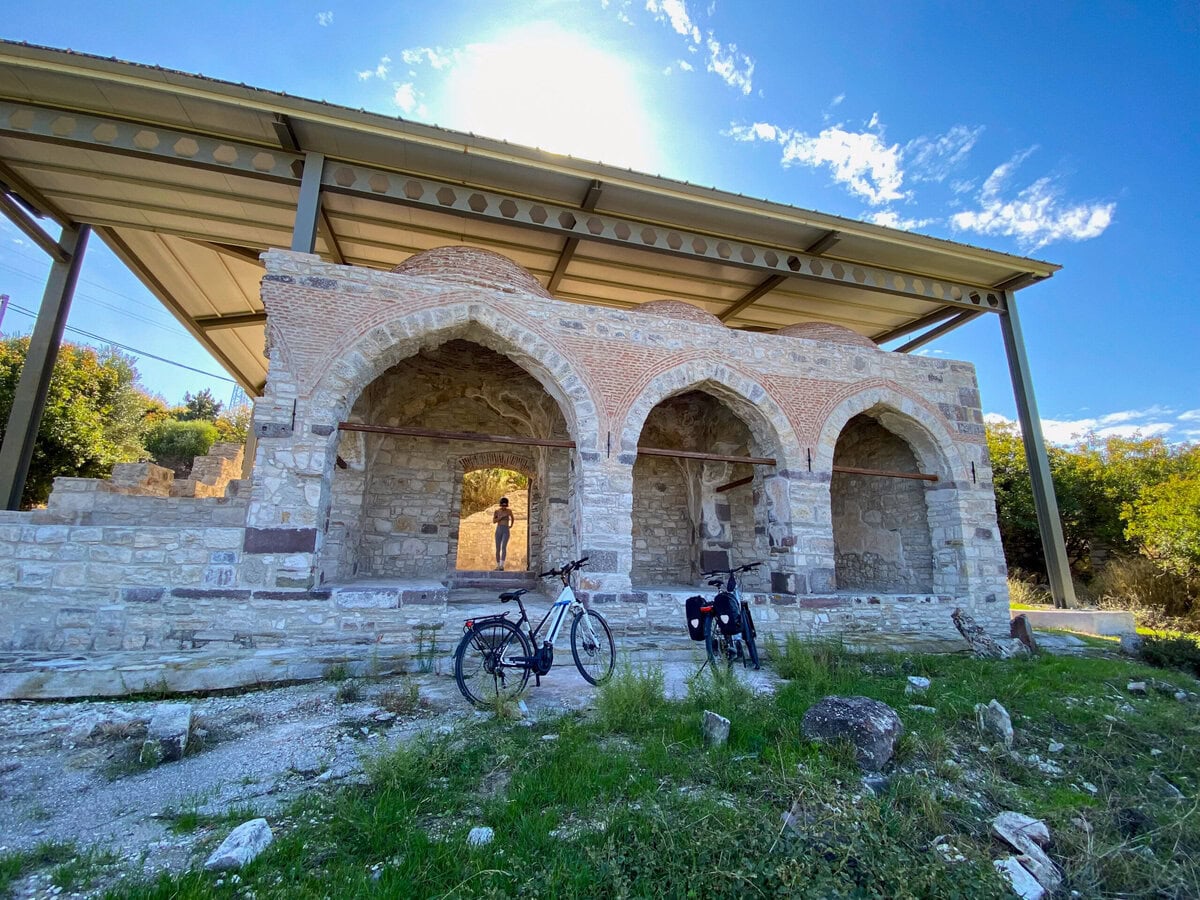
This boutique approach generates direct economic benefits for local agricultural producers, family-run vineyards, and small-scale hospitality providers, encouraging rural preservation and sustainable land use. Furthermore, because the primary operating windows are restricted to the shoulder seasons of autumn, winter, and spring, the model directly combats seasonal overtourism, mitigating strain on local infrastructure while providing year-round economic stability for regional service providers.
Practical Considerations for Prospective Travelers
For travelers evaluating similar itineraries, industry guidelines emphasize preparation for variable weather rather than rigorous physical conditioning. While the Bosch e-bike motors manage elevation gains on rolling tarmac and unpaved farm tracks, participants must be equipped with appropriate sun protection, layered clothing to combat sudden coastal breezes, and sturdy footwear suitable for walking over uneven marble surfaces at archaeological monuments like Ephesus. Comprehensive packages generally bundle boutique accommodation, equipment rental, professional guiding, and designated tastings, while leaving international air travel and interim midday dining independent to encourage local exploration.