Elevating the Classic Chocolate Mousse: Culinary Techniques and Professional Standards for the Modern Pastry Kitchen

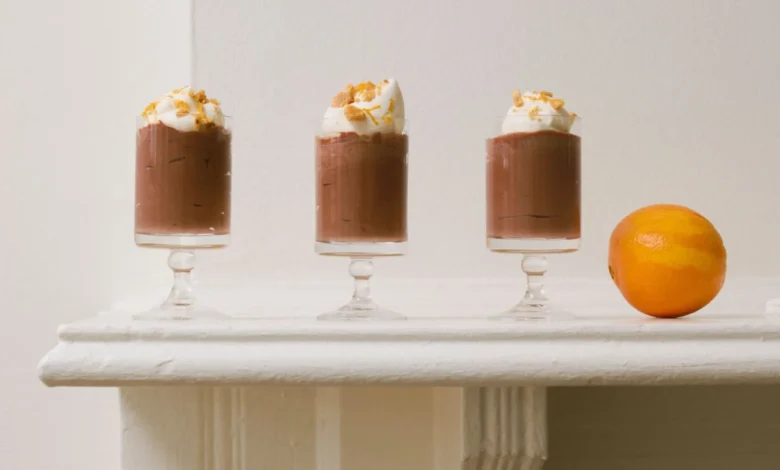
The art of the chocolate mousse remains a cornerstone of professional pastry arts, representing a delicate equilibrium between molecular stability and sensory indulgence. As featured in the forthcoming publication Will This Make You Happy: Stories & Recipes from a Year of Baking by Tanya Bush, the classic chocolate mousse is undergoing a modern re-evaluation that prioritizes textural versatility and the integration of savory flavor profiles. This evolution in preparation methods reflects a broader trend in high-end culinary arts: the movement away from overly sweet, one-dimensional desserts toward complex, balanced experiences that leverage salt, acidity, and fat to elevate the foundational ingredient—cocoa.
The Chemistry and Culinary Evolution of Mousse
Historically, the chocolate mousse, derived from the French term for "foam," relied heavily on aerated egg whites to achieve its signature lightness. However, contemporary culinary practices, as documented in Bush’s new work, often favor a stabilization method involving high-quality heavy cream and precision-chopped dark chocolate. This shift is not merely aesthetic; it is structural. By utilizing a 60% to 70% dark chocolate base, pastry chefs can maintain a stable emulsion that holds its form for extended periods, making it an ideal component for complex assemblies, including cake fillings and layered parfaits.
Data from the global food and beverage industry suggests that consumer demand for "premiumized" desserts is at an all-time high. Consumers are increasingly seeking out ingredients with higher cocoa butter content and lower sugar levels. The incorporation of kosher salt and powdered sugar in controlled ratios—as seen in the preparation of a 340-gram batch of heavy cream—demonstrates the shift toward "flavor layering," where the salt acts as a flavor enhancer, tempering the bitterness of the dark chocolate while highlighting the floral notes inherent in high-quality cacao.
Chronology of Culinary Development
The development of the modern chocolate mousse has seen several distinct phases of refinement. During the early 20th century, the dessert was a staple of French bourgeois cooking, typically prepared with butter and egg yolks. In the mid-to-late 20th century, the rise of industrial dairy processing allowed for the widespread adoption of whipped cream-based mousses, which provided a more reliable texture for commercial environments.
The current trend, which this specific recipe represents, marks a return to minimalist integrity. Between 2023 and 2025, culinary experts have increasingly focused on the "tempering" process—the practice of allowing a chilled or frozen product to reach optimal serving temperature slowly. By freezing the mousse in quart-sized containers and allowing it to temper in a refrigerated environment for twelve hours, chefs can achieve a velvet-like consistency that is unattainable through rapid chilling methods. This chronological approach to preparation ensures that the fats in the chocolate and cream are perfectly aligned, providing the characteristic "melt-on-the-tongue" experience that defines a successful mousse.
Ingredients and Technical Specifications
To achieve the professional standard outlined in the upcoming release, strict adherence to ingredient ratios is required. The recipe calls for a dual-component structure: the core mousse and a complementary salty orange whipped cream.
Technical Composition for the Mousse:
- Heavy Cream: 340g (divided), serving as the primary aeration agent.
- Dark Chocolate: 170g, specifically within the 60% to 70% cacao range. The higher cocoa butter content is essential for structural integrity.
- Stabilizers: 1.5 tablespoons of powdered sugar and 0.25 teaspoons of kosher salt, which assist in emulsification.
Technical Composition for the Salty Orange Whipped Cream:
- Heavy Cream: 227g.
- Flavor Profile: 2 tablespoons of powdered sugar, 0.5 teaspoons of kosher salt, 1 teaspoon of vanilla extract, and 1 teaspoon of freshly grated orange zest.
The inclusion of orange zest and salt serves a specific sensory purpose. In professional pastry, the introduction of citrus oils provides a bright top note that cuts through the density of the chocolate, while the salt provides a savory finish that encourages a second bite, effectively managing the "palate fatigue" often associated with high-fat desserts.
Institutional Analysis: The Role of Modern Pastry Literature
The release of Will This Make You Happy: Stories & Recipes from a Year of Baking by Tanya Bush is part of a growing movement of literature that bridges the gap between domestic baking and professional pastry science. According to representatives from Chronicle Books, the volume aims to demystify technical processes for the home cook while maintaining the rigor of a professional kitchen.

"The modern reader is no longer satisfied with simple recipes," a representative for the publisher noted. "There is a desire for the ‘why’ behind the ‘how.’ By providing context on tempering and ingredient interaction, authors like Bush are elevating the standard of home-prepared desserts."
This perspective is supported by food science analysis, which indicates that the "crowd-pleasing" quality of such recipes is linked to the Maillard reaction and the precise management of emulsions. When a chef serves the mousse with elements like extra-virgin olive oil and flaky sea salt—toppings often associated with savory courses—they are engaging in a deliberate cross-pollination of flavors that challenges traditional dessert archetypes.
Broader Culinary Implications
The widespread adoption of these advanced techniques has significant implications for both professional kitchens and the retail sector. Restaurants are increasingly looking for ways to streamline prep time without sacrificing quality. The ability to batch-produce mousse, freeze it, and temper it on demand allows for consistent output, a critical metric for high-volume establishments.
Furthermore, the emphasis on high-quality dark chocolate supports the sustainable cocoa movement. By focusing on products that utilize higher percentages of cocoa solids, the industry shifts away from sugar-heavy, lower-grade chocolate, encouraging consumers to value the provenance and quality of their ingredients.
The logistical benefits of this method are equally notable. In a professional setting, the stability of a mousse that does not rely on raw egg whites—which carry inherent food safety risks and shorter shelf lives—presents a clear operational advantage. The current formula, relying on the shelf-stable nature of pasteurized heavy cream and high-quality dark chocolate, allows for a longer service window and less wastage.
Serving and Presentation Standards
The final stage of the culinary process is the presentation. The guidance provided in the new publication suggests that the mousse acts as a canvas for texture. The recommendation to serve the mousse with a drizzle of high-quality extra-virgin olive oil is a sophisticated nod to Mediterranean culinary traditions, where the bitterness of the oil complements the earthy, complex notes of dark chocolate. The addition of fresh raspberries provides the necessary acidic contrast to cleanse the palate.
For those utilizing the mousse as a cake filling, the requirement for a full refrigeration period is critical. Without the requisite time to set, the structural integrity of the cake can be compromised, leading to a loss of layers. This emphasizes the necessity of patience in the baking process, a theme that resonates throughout the contemporary culinary literature being produced for the 2026 market.
In conclusion, the evolution of the chocolate mousse from a simple whipped dessert to a technical exercise in flavor balancing represents the current trajectory of the industry. By focusing on quality ingredients, scientific precision, and the thoughtful application of savory elements, the modern pastry kitchen continues to redefine what it means to create a "classic" dessert. Whether utilized as a standalone dish or as a sophisticated component in a larger culinary assembly, the principles outlined in current professional discourse provide a roadmap for excellence in the field of confectionery arts.