Turkey has emerged as an unexpectedly premier destination for families seeking a blend of historical depth, cultural enrichment, and natural beauty. While long-haul travel with young children is often met with hesitation, a two-week itinerary through the diverse landscapes of Istanbul, the Aegean coast, and the otherworldly terrain of Cappadocia demonstrates that Turkey is uniquely equipped to accommodate the needs of families with infants and toddlers. The country’s cultural emphasis on child-centric hospitality significantly mitigates the logistical challenges inherent in international travel with young children.

Logistics and Transportation Strategies

Navigating Turkey’s transport infrastructure requires strategic planning to ensure safety and comfort. For families arriving in Istanbul, utilizing pre-booked, private transportation is widely considered the most efficient alternative to public transit or the complexities of local taxi negotiation. The Sabiha Gökçen International Airport and Istanbul Airport both offer various transfer services. Many seasoned family travelers recommend services that allow for the pre-reservation of certified child safety seats, ensuring that international safety standards are met upon arrival.
Driving in major urban centers like Istanbul is generally discouraged due to dense traffic congestion and limited parking availability. However, for those planning to explore the Aegean coastline, renting a vehicle provides the necessary flexibility for a family-paced itinerary. For the journey between regions, domestic flights are highly efficient, significantly reducing transit time compared to bus or rail options. Portable, lightweight car seats, such as the Wayb Pico, have become a staple for traveling families to maintain safety standards while minimizing luggage weight.

Cultural Immersion in Istanbul

Istanbul serves as the ideal starting point for a Turkish adventure. Despite the city’s vast size and historic cobblestone streets, it remains highly accessible to families who prioritize early morning or late afternoon exploration to avoid peak heat and crowds.

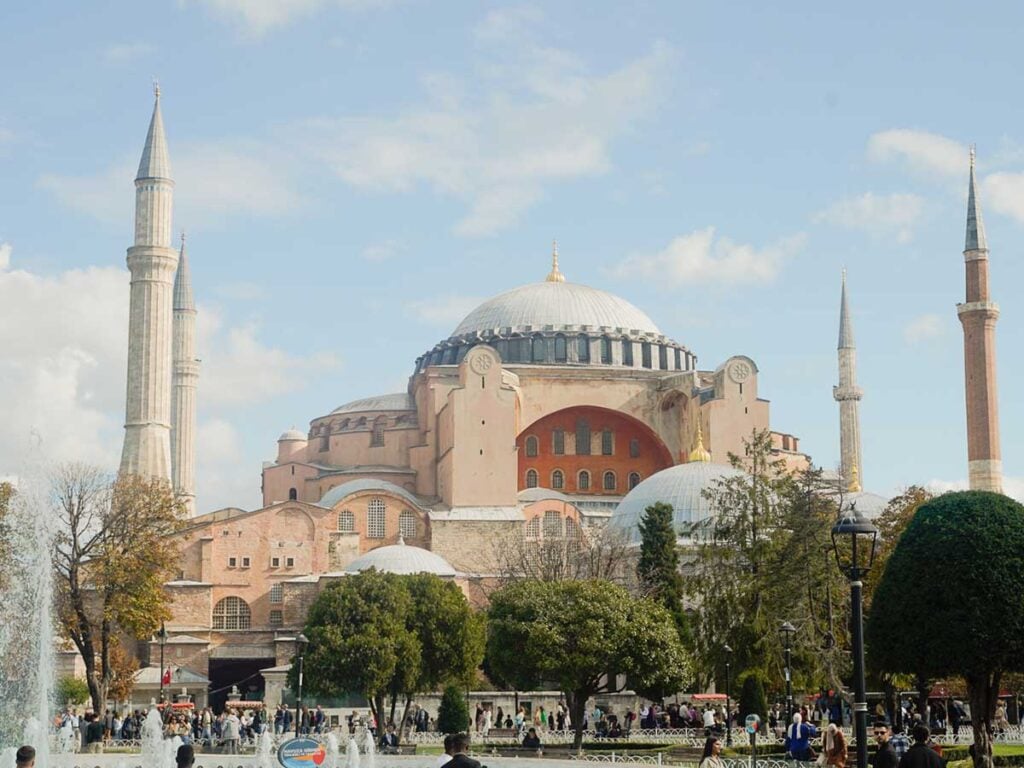
The Hagia Sophia, a monument of immense historical significance dating back to its construction as a Byzantine church in 537 AD, requires careful navigation. Given that strollers are prohibited inside the structure, the use of ergonomic baby carriers is recommended. To optimize the experience, visiting after 5:00 PM is advised; this window allows families to bypass the significant queues generated by cruise ship excursions, providing a more tranquil environment to appreciate the intricate mosaics and architectural grandeur.

The Blue Mosque, or the Sultan Ahmed Mosque, remains a quintessential stop. While the structure is an active place of worship, it welcomes respectful visitors. Adherence to modest dress codes is strictly enforced; families are advised to carry their own scarves to ensure compliance, as waiting for communal coverings can be time-consuming.

The Grand Bazaar, while sensory-heavy, offers an opportunity for children to engage with local artisans. Although the crowds can be dense, the environment is generally welcoming to children. It serves as an educational space where children can observe the traditional practice of bargaining—a central tenet of the local commerce culture—and select meaningful, tangible souvenirs.
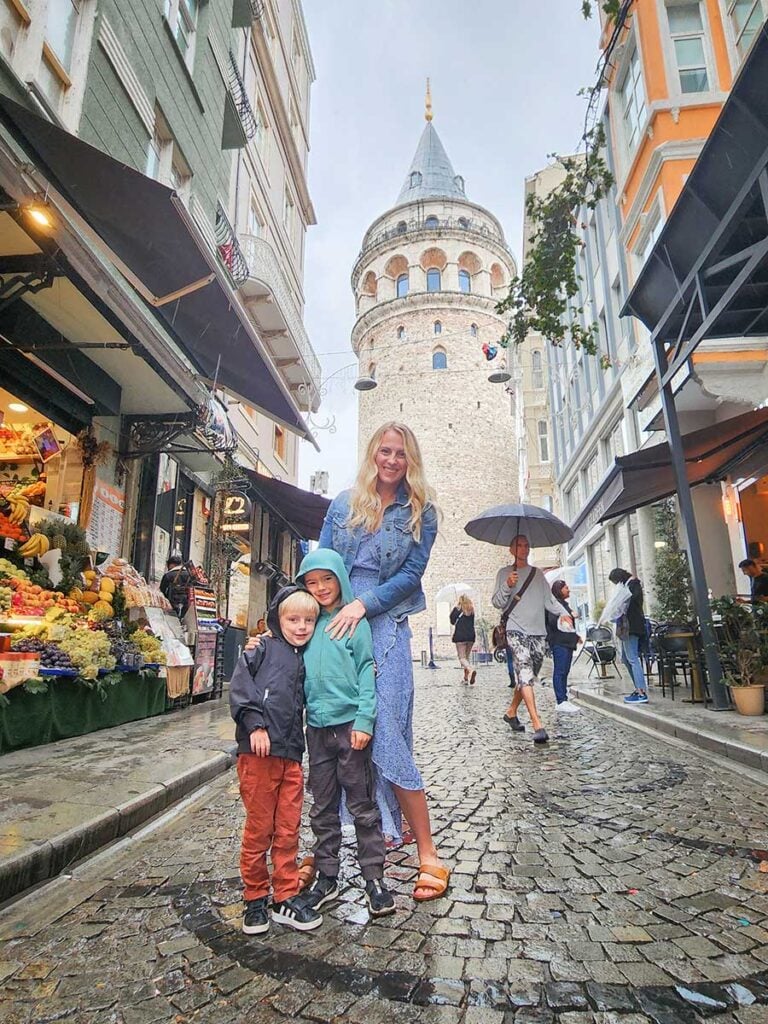
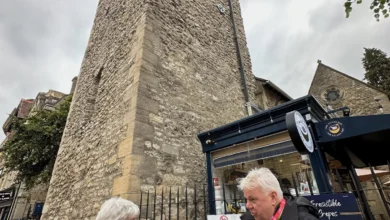
The Galata Tower provides a necessary aerial perspective of the city. While the elevator provides ease of access, the surrounding neighborhood is defined by steep, uneven streets that can be challenging for strollers. Early morning visits are recommended to avoid the queues, followed by a stop at local cafes, such as those specializing in the San Sebastian cheesecake, which has become a culinary landmark in the area.

Aegean Coastal Exploration

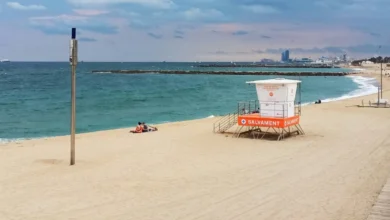
Transitioning from the urban density of Istanbul to the Aegean coast provides a necessary shift in pace. The Izmir region, and specifically the town of Çeşme, offers a Mediterranean climate that is particularly conducive to family relaxation. The Aegean coast is marked by crystal-clear waters and well-maintained waterfront boardwalks that are stroller-friendly, allowing for evening strolls that are common in Turkish family life.

Traveling along the coast in October offers a strategic advantage: the peak summer crowds have dispersed, yet the water temperatures remain warm enough for swimming. This shoulder season is ideal for families looking to enjoy the beaches without the intensity of the July and August heat.

Historical Landmarks and Natural Wonders

The Pamukkale travertine terraces represent one of Turkey’s most significant geological phenomena. These mineral-rich thermal pools, which have been used for their therapeutic properties for millennia, are located adjacent to the ancient city of Hierapolis. This site offers an educational opportunity for older children to witness the intersection of natural history and Roman architecture.

The site is expansive and requires substantial walking. Visitors should prepare for uneven terrain, particularly when navigating the white travertine pools. Footwear with grip is essential. Furthermore, the Cleopatra’s Pool—where visitors can swim amidst ancient submerged columns—requires a separate entry fee. It is a highly popular destination, so arriving early is essential for families to secure a space in the thermal waters before the site becomes overcrowded.

The Unique Landscape of Cappadocia

The central region of Cappadocia is perhaps the most visually striking area of the country. Characterized by "fairy chimneys"—conical rock formations created by volcanic activity and erosion—the region has been inhabited since the Bronze Age.

Staying in a cave hotel in Göreme provides an authentic cultural experience. These hotels, carved directly into the rock face, often feature historical architectural elements, such as ancient wine presses, which can serve as a point of curiosity for children.

The Göreme Open Air Museum is a UNESCO World Heritage site that provides a dense concentration of rock-cut churches and frescoes. Exploring the nooks and crannies of the cave dwellings is a physically engaging activity for children. However, the terrain is rugged, and constant adult supervision is necessary.

The hot air balloon activity in Cappadocia is a global phenomenon. While many toddlers are too young to participate in the flights themselves, watching the mass ascension of balloons at sunrise is a spectator experience that is often considered a highlight of the trip. Vantage points across the valley allow families to watch the balloons drift overhead from the ground, providing an equally magical experience without the safety concerns of an airborne flight with an infant.

The Social Fabric of Child-Friendly Turkey

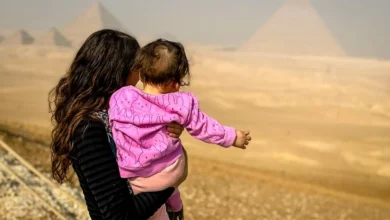
Perhaps the most notable aspect of traveling in Turkey with children is the pervasive culture of "Mashallah." In Turkish society, children are frequently the subject of public affection. It is common for locals to engage with infants, often offering prayers of protection and gratitude for the child’s well-being. This communal approach to child-rearing can be a striking departure for Western travelers, but it serves to make the travel experience significantly less stressful.

Local hospitality extends to retail and dining environments. In scenarios such as rug demonstrations or tea sessions, merchants often prioritize the comfort of the children, offering tea or small gifts, and consistently reassuring parents that spills or minor disruptions are considered a natural part of family life.

Economic and Practical Implications

The feasibility of a two-week Turkish itinerary is bolstered by a favorable exchange rate for international visitors, allowing for a higher standard of accommodation and private transport at a competitive price point. When budgeting for such a trip, families should account for the variance in domestic flight pricing and the necessity of booking premium, flexible accommodation in high-demand areas like Cappadocia.

A successful trip to Turkey with young children relies on a balance between planned activities and downtime. The country’s diverse geography necessitates significant transit time; therefore, a well-structured itinerary that minimizes daily travel duration is essential. By embracing the local pace—which often favors late-night dinners and community-centered activities—families can ensure that the trip is both intellectually stimulating for the adults and enjoyable for the children.

Ultimately, Turkey presents a compelling case for being a top-tier family destination. By blending world-class archaeological sites with a culture that inherently supports the presence of young children, Turkey manages to demystify the challenges of family travel. The result is a destination that provides not only a vacation, but a series of shared, cross-cultural experiences that leave a lasting impression on all members of the family, regardless of age. Whether it is the visual spectacle of the Cappadocia skyline at dawn or the quiet, shared moments in the coastal towns of the Aegean, Turkey offers a depth of experience that is rare in the global travel landscape.