Holafly Introduces Global eSIM Subscription Service to Streamline International Connectivity for Long-Term Travelers

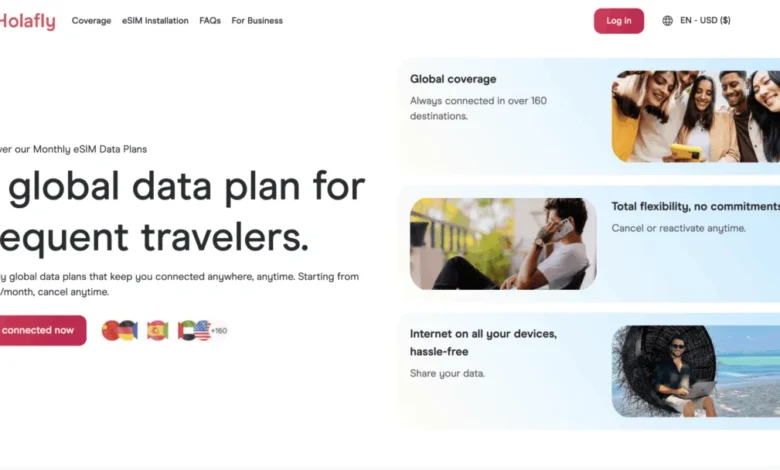
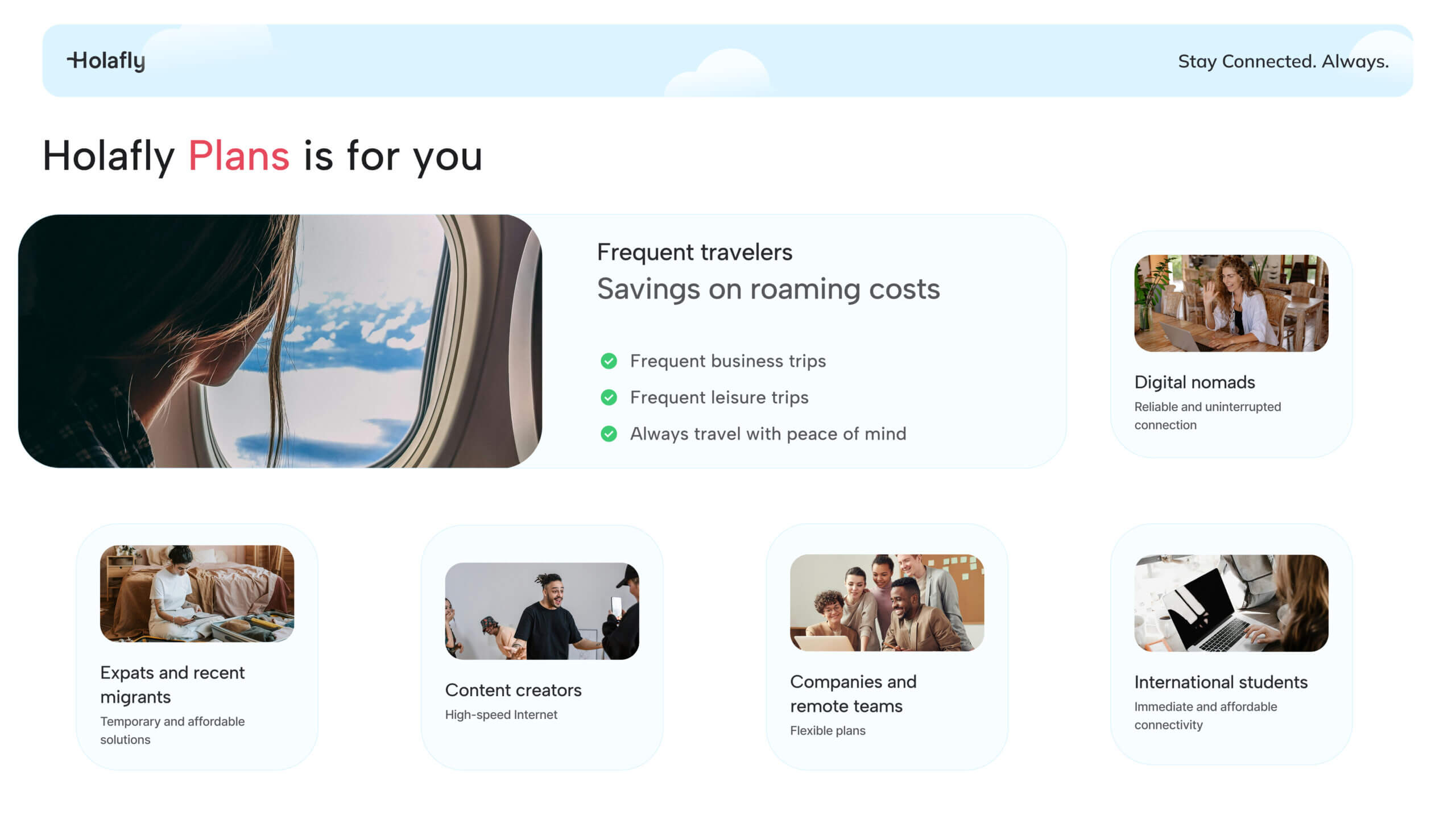
The international telecommunications landscape is undergoing a significant shift as travel technology providers adapt to the needs of the modern workforce and long-term travelers. Holafly, a prominent provider of digital SIM card solutions, has officially announced the launch of Holafly Plans, an ongoing global subscription service designed to provide continuous data coverage across more than 160 destinations. This new offering marks a departure from traditional, single-use travel eSIMs, introducing a model that mirrors domestic mobile carrier plans while targeting the specific demands of frequent flyers and digital nomads.
Background and Context of the Evolution of Mobile Connectivity
For decades, international travel necessitated a complex series of steps to maintain mobile connectivity. Travelers traditionally relied on expensive international roaming packages provided by their home carriers, sought out local physical SIM cards upon arrival at a destination, or paid exorbitant fees for data usage abroad. The introduction of embedded subscriber identity module (eSIM) technology revolutionized this market by allowing users to download software-based profiles directly onto their smartphones without the need for physical card swaps.
While classic eSIMs drastically reduced the friction of short-term international travel, they presented limitations for individuals constantly moving across borders. Nomads, remote workers, and frequent business travelers frequently found themselves repeatedly purchasing, downloading, and activating new regional or country-specific eSIMs with every itinerary change. This fragmented approach often led to dropped connections at border crossings, administrative fatigue, and difficulties in maintaining a consistent communication line. Recognizing a gap in the market for a unified, cross-border product, telecommunications startups and travel tech companies have increasingly turned their focus toward subscription-based global models.

Structure and Tiers of Holafly Plans
The newly introduced Holafly Plans function through a single digital profile installed on a smartphone, automatically reconnecting to local partner networks upon arrival in a new country. The service operates on a subscription basis, available in monthly, quarterly, or annual billing cycles, with no long-term contracts required.
The service is divided into two primary tiers tailored to different usage profiles:
- The Unlimited Plan: Aimed at remote workers, content creators, and heavy data consumers, this tier features no data caps and includes unrestricted mobile hotspot functionality for tethering laptops and other devices. Additionally, subscribers receive a local phone number based in the United States, the United Kingdom, or Canada, enabling the reception of SMS messages. Pricing for this tier starts at approximately $55 USD per month when purchased on an annual plan, offering a cost-effective alternative to traditional major carrier international passes.
- The Light Plan: Designed for casual travelers who primarily utilize mapping services, messaging applications, and occasional web browsing, this option provides 25GB of high-speed data per month. It maintains the same multi-country coverage and hotspot capabilities as the unlimited tier.
Both subscription tiers incorporate an "Always On" feature, which automatically supplies users with 1GB of backup data every month across supported destinations, persisting even if the primary subscription is eventually canceled. Furthermore, subscription options provide tiered discounts, with quarterly commitments reducing costs by approximately 10% and annual commitments yielding a 15% reduction.
Comparative Analysis: Subscription eSIMs vs. Traditional Roaming and Single-Use Cards
To evaluate the economic and practical implications of the new service, industry analysts often compare subscription-based eSIMs against established alternatives such as major carrier roaming passes and conventional single-destination eSIMs.
Traditional major carrier international roaming passes—frequently priced around $10 USD per day or structured as $100 to $300 monthly add-ons—frequently impose strict data throttling limits after a predetermined threshold is met. By contrast, specialized global eSIM subscriptions generally offer unthrottled or significantly larger data allowances at a fraction of the cost.
Single-destination eSIMs remain the most economically efficient choice for short vacations lasting one to two weeks within a single country. However, for individuals traversing multiple countries within a 30-day window, the cumulative cost of purchasing individual regional packages surpasses the flat-rate pricing of a global subscription. Furthermore, subscription models eliminate the operational friction of re-authentication, allowing continuous connectivity without administrative interruption.
Market Implications and Industry Impact
The introduction of continuous international data subscriptions reflects broader macroeconomic trends regarding remote work and the normalization of cross-border mobility. As global workforce demographics shift to include millions of location-independent professionals, telecommunications infrastructure is rapidly evolving to accommodate borderless lifestyles.
Industry observers note that the proliferation of low-cost, high-reliability global data plans places increased competitive pressure on traditional telecommunications giants. Historically, legacy carriers relied heavily on international roaming fees as a high-margin revenue stream. The availability of third-party digital alternatives offering unlimited data and local phone numbers for under $60 a month forces traditional operators to reevaluate their international roaming pricing structures.
Consumer adoption of eSIM technology has accelerated rapidly since its widespread integration into flagship smartphone hardware by manufacturers such as Apple, Google, and Samsung. With most modern devices now supporting multiple active eSIM profiles simultaneously, users can maintain their primary domestic voice line for essential banking and verification texts while leveraging a dedicated global data subscription for international operations.
Availability and Terms
Holafly Plans are currently available for purchase directly through the provider’s digital platforms, with activation occurring instantly via QR code or application integration. The company has implemented customer safeguards, including a six-month refund policy for subscribers who find the service unsuited to their travel patterns. As global travel volumes continue to rebound and remote employment models mature, products bridging the gap between local carriers and international travel technology are expected to play an increasingly central role in global mobility infrastructure.