Beyond the Beach Resort: Why Wānaka is Redefining Luxury Travel on New Zealand’s South Island

The global luxury travel landscape is undergoing a structural shift. For decades, the default blueprint for milestone celebrations, honeymoons, and overdue vacations has centered on tropical beach resorts, European city breaks, or overwater bungalows in the South Pacific. However, an increasing segment of high-net-worth travelers is turning away from passive leisure in favor of destinations that offer geographical scale, topographical diversity, and active engagement. Chief among these emerging epicenters is Wānaka, located in the Otago region of New Zealand’s South Island.
Unlike traditional fly-and-flop destinations, Wānaka presents an expansive alpine environment where the itinerary is defined by dramatic shifts in landscape rather than proximity to a sun lounger. According to tourism data from the region, high-end experiential travel in New Zealand has seen sustained growth, driven by travelers seeking a synthesis of remote wilderness access, high-end culinary arts, and private, seclusion-focused accommodations.
The Appeal of Private Basecamps
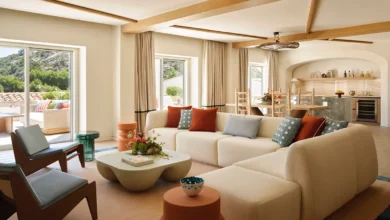
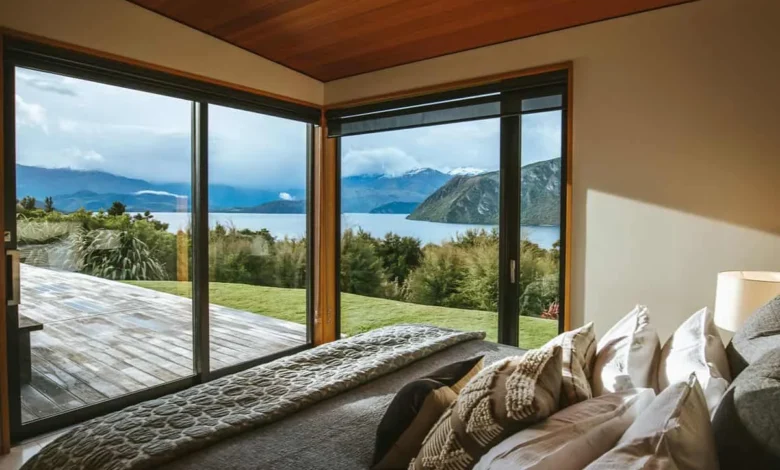
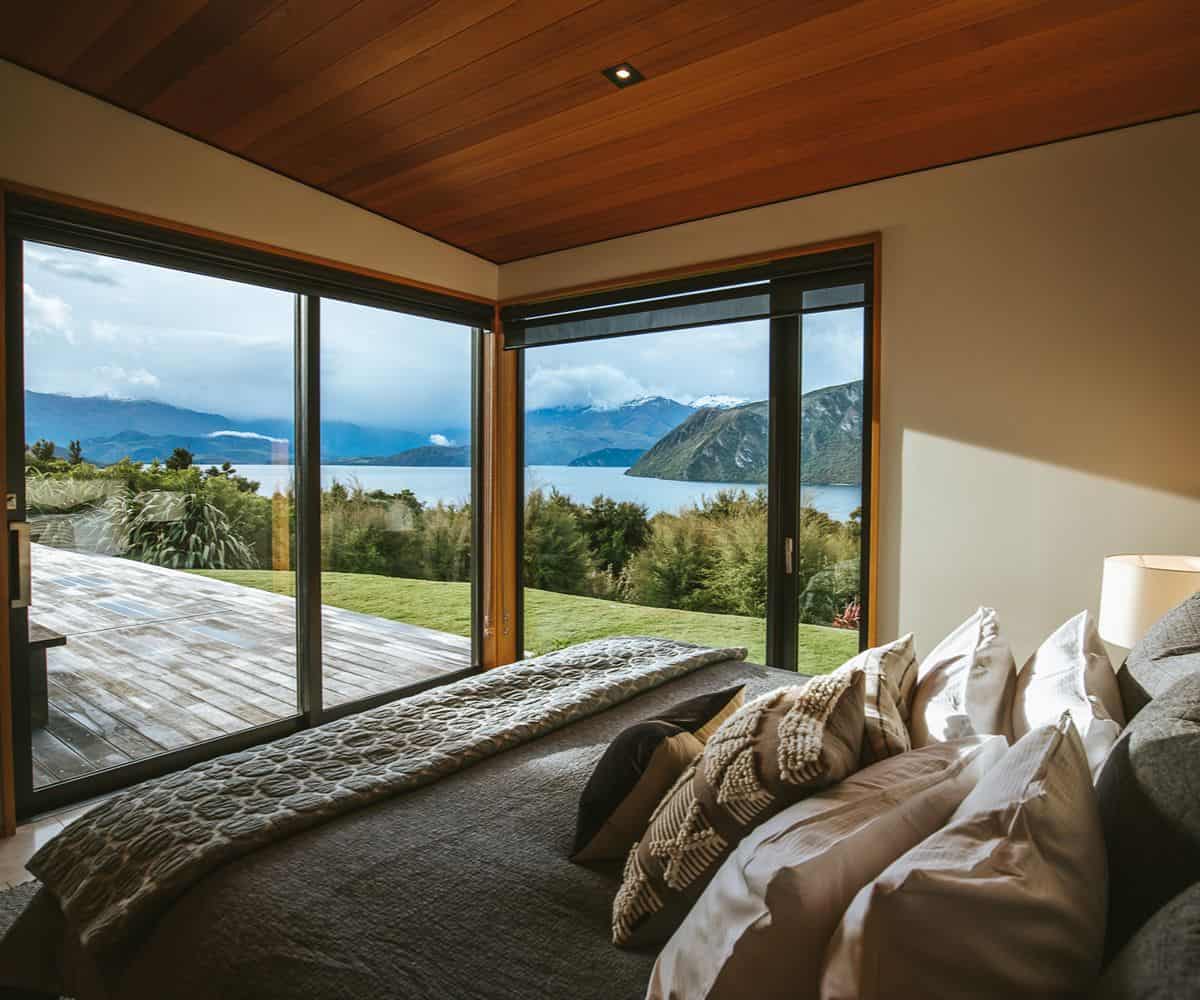
The evolution of luxury travel in Wānaka is closely tied to the quality and positioning of its private accommodations. Rather than opting for standardized luxury hotels, high-end travelers are increasingly booking private lakeside estates. Properties such as Aurum, situated directly on the shore of Lake Wānaka, exemplify this trend. Featuring unobstructed views of the Buchanan Peaks, private jetties, and expansive outdoor decking equipped with hot tubs, these residences allow guests to curate their own schedules entirely free from the rigid structures of resort dining rooms and shared public spaces.
Industry analysts note that private villa rentals provide a distinct advantage for couples celebrating significant life events. Complete kitchen facilities enable the integration of private chefs capable of sourcing hyper-local, seasonal ingredients at a standard that frequently surpasses traditional hospitality venues. Furthermore, this private infrastructure facilitates a slower, more deliberate pace, allowing guests to experience the morning stillness of the lake before the day’s activities commence.
An Itinerary of Contrasts: From Glaciers to Gorges
A typical multi-day itinerary in the Wānaka region is characterized by stark geographical contrasts, moving seamlessly from aquatic recreation to high-alpine exploration and viticultural immersion.
The Wānaka Lakefront and Water Sports
The glacial lake itself serves as the geographic and recreational anchor of the town. On calm mornings, the water achieves a glass-like stillness, mirroring the surrounding Southern Alps. Visitors frequently engage in paddleboarding, kayaking, and small-boat excursions, or take advantage of unprogrammed swims directly from the public lakefront or private jetties.
Alpine Expeditions and Heli-Hiking
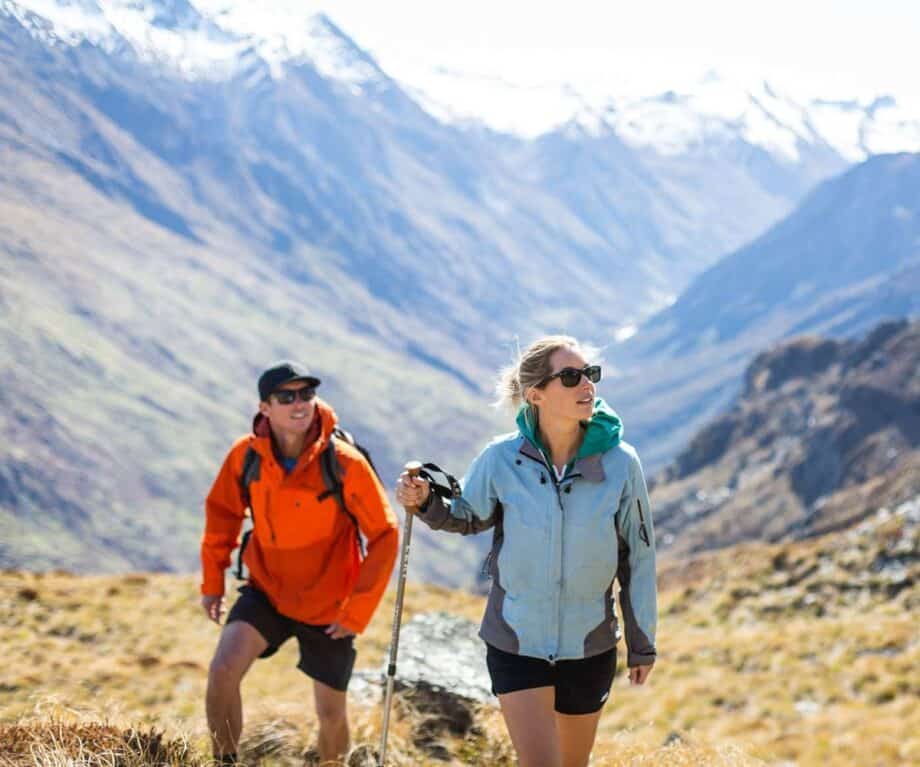
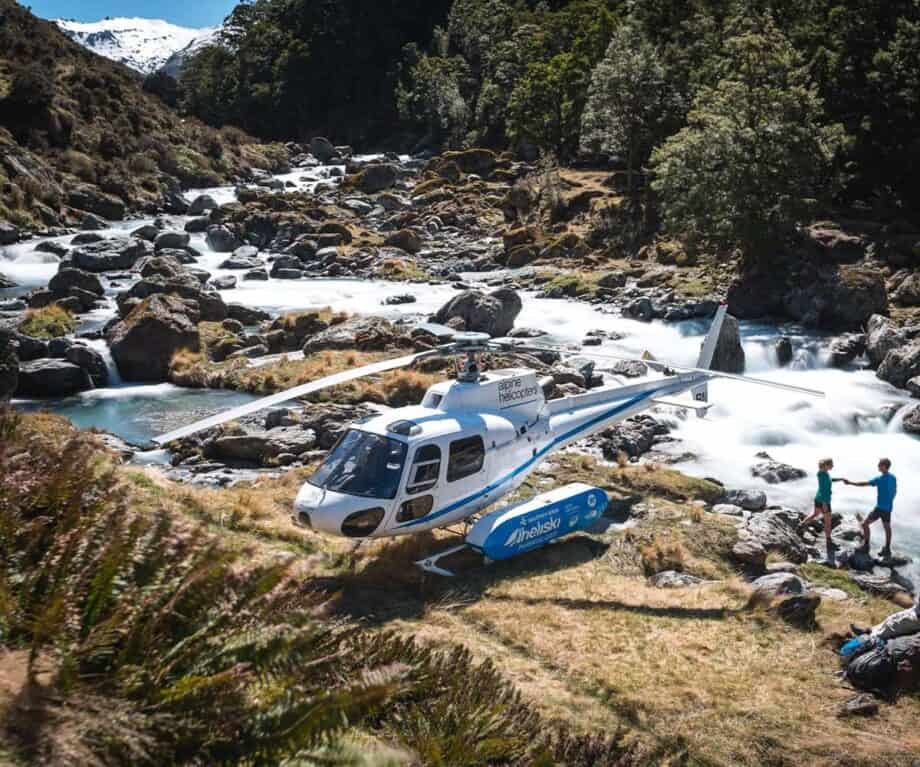
Moving inland, the landscape scales upward rapidly. The Matukituki Valley, located an hour’s drive from the town center, offers access to the Rob Roy Glacier walk—a four-hour trek through dense beech forest and alpine waterfalls. For more strenuous undertakings, Roys Peak provides a full-day ridge hike culminating in a panoramic sunrise view over Lake Wānaka, a vista that has become internationally iconic. To maximize access and minimize physical strain, guided heli-hiking adventures into the Minaret Station backcountry provide couples with remote alpine explorations paired with catered wilderness lunches.
Historical Detours: Arrowtown and Cardrona
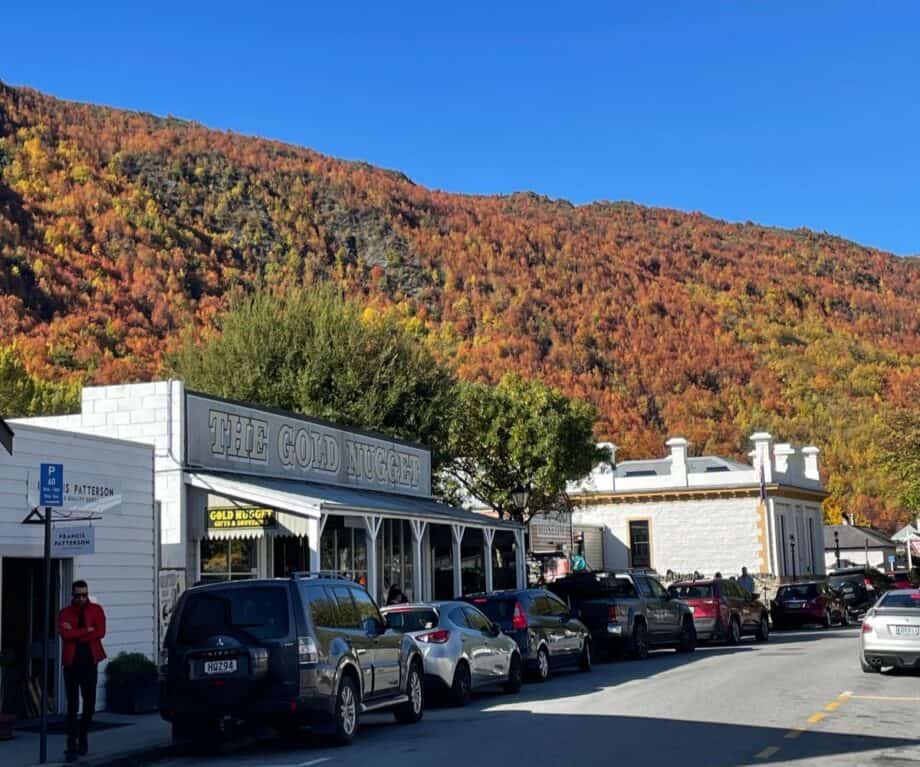
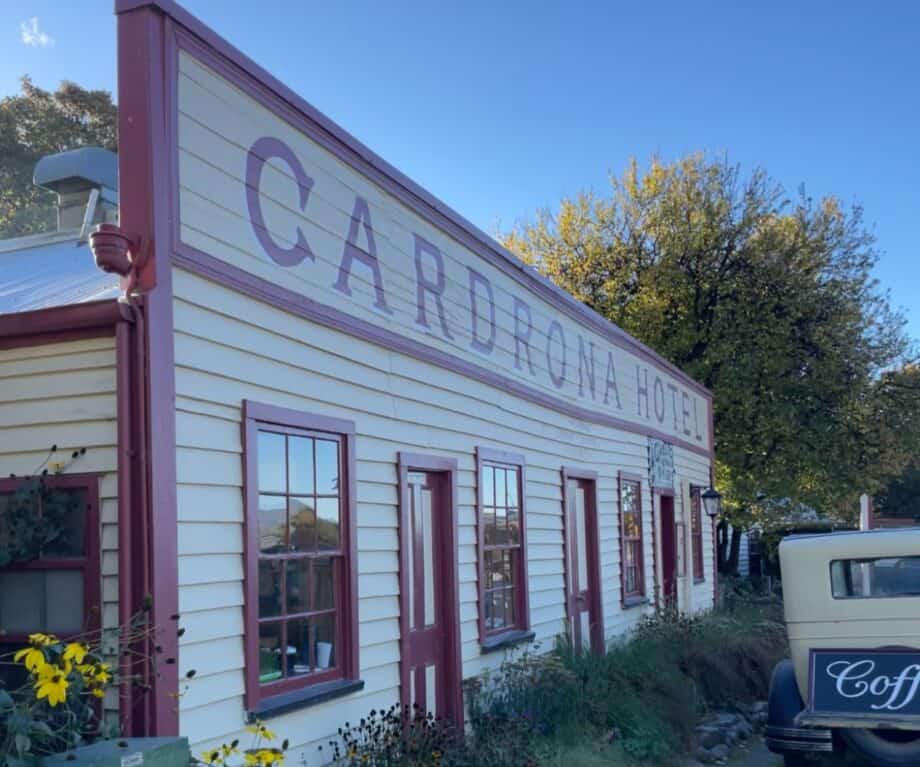
A shift in pace is readily available via the Crown Range Road, which connects Wānaka to the historic gold-mining settlement of Arrowtown in under an hour. Established during the 1860s Otago gold rush, Arrowtown preserves a streetscape of heritage buildings that now house fine merino boutiques, local sheepskin retailers, and contemporary dining establishments such as Aosta and Swiftsure. Along the route, the historic Cardrona Hotel—one of New Zealand’s oldest operating hotels—offers a glimpse into the unforgiving terrain and resilient history of early European settlers.
The Central Otago Viticulture and Culinary Landscape
No exploration of the Southern Lakes district is complete without examining its viticultural footprint. The Gibbston Valley, situated at the base of the Crown Range Road, is globally renowned for its cool-climate Pinot Noir, cultivated in mineral-rich schist soils. Over the past decade, wine collectors and connoisseurs have increasingly focused on this micro-region, where altitude, river proximity, and soil variances produce highly distinct vintages.
Extending the journey into a regional loop through the Kawarau Gorge leads travelers past the historic Roaring Meg hydropower station and into Central Otago’s primary horticultural belt. The towns of Bannockburn and Cromwell serve as the epicenter of New Zealand’s stone fruit production. Depending on the season, visitors can participate in cherry picking, export packaging, and observing traditional food preservation techniques for regional delicacies such as Moorpark apricots.
Economic and Tourism Implications
The growth of high-end tourism in Wānaka reflects broader shifts in New Zealand’s economic strategy, which increasingly emphasizes sustainable, low-impact, high-value visitation over mass tourism. Regional development agencies have noted that experiential travelers—those engaging in private aviation, bespoke heli-tours, and extended stays in luxury private villas—contribute disproportionately to the local economy while exerting a smaller physical footprint on fragile alpine ecosystems.
Local tourism operators and hospitality providers have responded by upgrading infrastructure to meet international luxury standards without compromising the remote, untamed aesthetic that draws visitors to the South Island. As global demand for meaningful, landscape-driven travel continues to accelerate, Wānaka’s unique combination of extreme topography, culinary sophistication, and secluded accommodation positions it as a defining destination for the future of luxury tourism.