57hours Celebrates Inaugural Guide Education Fund Scholarship Recipients, Bolstering Professional Guiding Standards Globally

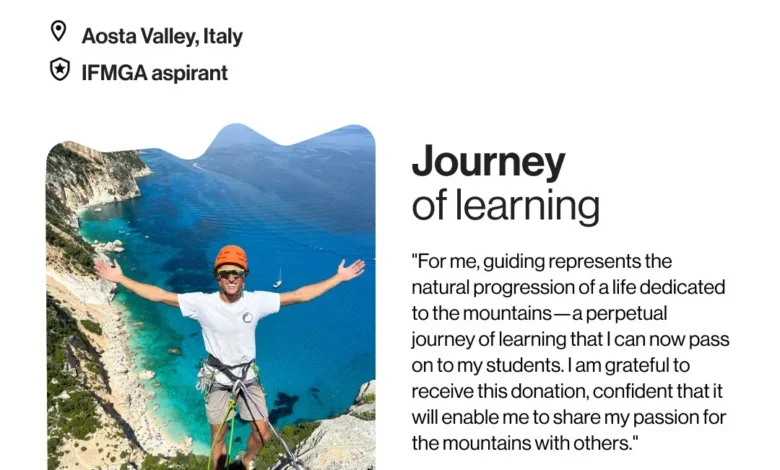
The 57hours Guide Education Fund Scholarship program has proudly announced its first cohort of ten recipients for 2024, marking a significant milestone in its mission to support the professional development of mountain guides worldwide. This year’s selection process saw an impressive engagement, drawing 60 highly qualified applicants from a diverse pool spanning 11 countries and 21 U.S. states. The initiative underscores 57hours’ commitment to enhancing safety, expertise, and accessibility within the adventure guiding industry by alleviating the substantial financial burden associated with advanced professional certifications.
The Genesis of the 57hours Guide Education Fund: Investing in Expertise

The outdoor adventure industry has witnessed exponential growth over the past decade, attracting millions to explore mountains, rivers, and wilderness areas. This surge in participation has concurrently amplified the demand for highly skilled and certified guides who can ensure safety, deliver exceptional experiences, and uphold environmental stewardship. According to the Outdoor Industry Association, outdoor recreation contributes significantly to national economies, with consumer spending reaching hundreds of billions annually in the U.S. alone. This economic engine relies heavily on a robust infrastructure of trained professionals who can safely facilitate access to these natural environments. However, the path to becoming a top-tier professional guide, particularly through internationally recognized bodies like the American Mountain Guide Association (AMGA) and the International Federation of Mountain Guides Associations (IFMGA), involves rigorous training and substantial financial investment.
Recognizing this critical barrier to entry and advancement, 57hours, a leading platform connecting adventurers with certified guides for a myriad of outdoor experiences, established the Guide Education Fund. The fund’s core objective is to democratize access to these essential educational pathways, ensuring that passionate and promising individuals, regardless of their economic background, can pursue the highest levels of guiding certification. By supporting guides in obtaining AMGA and IFMGA credentials, 57hours not only invests in individual careers but also contributes directly to elevating the overall standards of safety and professionalism across the global guiding community. The certifications provided by these esteemed organizations are not merely badges of honor; they represent a deep commitment to mastery in complex environments, encompassing advanced techniques in rock climbing, ice climbing, mountaineering, avalanche safety, and wilderness first aid. The intensive coursework and examination processes demand significant time, travel, specialized equipment, and tuition fees, often totaling tens of thousands of dollars for a full certification track, making financial assistance indispensable for many aspiring and current guides. The vision behind the fund aligns with 57hours’ broader mission: to make incredible outdoor adventures more accessible and safer for everyone by fostering a highly qualified guiding workforce.
An Unprecedented Response: A Global Tapestry of Talent

The inaugural application cycle for the 57hours Guide Education Fund Scholarship far exceeded initial expectations, signaling a profound need and eagerness within the guiding community for such support. The program received 60 applications from a remarkable array of candidates, representing a broad geographical spread that included 11 different countries and 21 distinct U.S. states. This international and domestic interest highlights the universal aspiration among guides to refine their craft and achieve professional excellence. The global reach of the applicant pool, encompassing diverse regions from North America to Europe and beyond, underscores the widespread impact that financial assistance can have on individual career trajectories and the guiding profession at large.
The diversity of backgrounds among the applicants was particularly noteworthy. Candidates brought varied experiences, from seasoned local guides seeking to elevate their credentials to emerging talents from underserved communities eager to break into the industry. This rich tapestry of applicants presented both an exciting opportunity and a formidable challenge for the selection committee, as each application told a compelling story of dedication, resilience, and a profound connection to the outdoors. The sheer volume and quality of applications underscored the critical role that financial aid plays in fostering talent and expanding the demographic reach of the professional guiding community, which historically has faced issues of accessibility for individuals from diverse socioeconomic strata. This broad interest also speaks to the growing recognition of guiding as a legitimate and vital profession, demanding rigorous training and continuous education, and the desire for more equitable opportunities within it. The strong turnout is a clear indicator that programs addressing the financial barriers to advanced guiding education are not just beneficial, but essential for the continued growth and diversification of the outdoor adventure sector.
The 2024 Scholarship Recipients: A New Generation of Leaders

In light of the exceptionally strong pool of candidates, 57hours made the commendable decision to expand the number of scholarships awarded from an initial plan of eight to ten, directly benefiting more individuals. The ten distinguished recipients of the 2024 57hours Guide Education Fund Scholarship are:
- Ada Jones
- Orri Sigurjónsson
- Jesse Ramos
- Shea Freedom
- Shea McCrary
- Nat Vorel
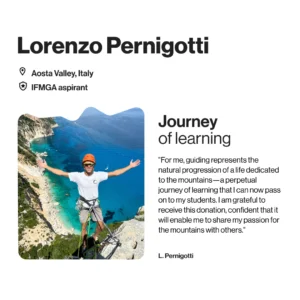
- Lorenzo Pernigotti
- Austen Bernier
- Nicholas Metz
- Landon Warton
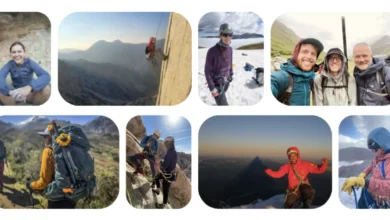
These individuals represent the vanguard of the next generation of professional guides, poised to undergo advanced training through AMGA and IFMGA programs. Their journeys, soon to be amplified by the scholarship, exemplify the dedication and passion required to lead safely and responsibly in some of the world’s most challenging environments. Each recipient brings a unique perspective and set of experiences to the guiding profession, promising to enrich the community with their skills and commitment. The scholarship aims to empower them to not only achieve personal career milestones but also to serve as mentors and leaders, inspiring future generations of outdoor enthusiasts and professionals. Their success will not only benefit their individual careers but will also contribute to a stronger, more capable, and more diverse global guiding community.
Navigating the Rigorous Path of Professional Guiding Certification

To fully appreciate the significance of these scholarships, it is essential to understand the rigorous nature and extensive curriculum of AMGA and IFMGA certifications. These are not merely weekend courses but comprehensive, multi-stage programs designed to cultivate expert-level competence in complex terrain, demanding years of dedicated training and experience.
The American Mountain Guide Association (AMGA) is the leading organization for professional mountain guides in the U.S., setting the highest standards for training and certification across various disciplines. AMGA certifications cover three primary disciplines: Rock Guide, Alpine Guide, and Ski Guide. Achieving certification in any one discipline requires a structured progression through assessment courses and exams. A full AMGA/IFMGA certification (International Federation of Mountain Guides Associations) is the highest level of guiding credential globally, recognized in over 20 member countries, including major alpine nations. Achieving this elite status typically involves:
- Aspirant Status: This initial phase often involves foundational courses like the Rock Instructor Course (RIC), Alpine Skills Course, or Avalanche courses (e.g., AIARE 2 or 3), followed by a series of technical exams. These courses build a strong base in technical skills, risk management, and client care.
- Discipline-Specific Certifications: Each discipline (Rock, Alpine, Ski) requires multiple, intensive courses and rigorous examinations. For example, the Rock Guide track might include a Rock Guide Course (typically 10-12 days), followed by a multi-day Rock Guide Exam. Similarly, the Alpine and Ski Guide tracks involve extensive training in glacier travel, crevasse rescue, advanced ski touring, and complex route finding, each culminating in challenging exams. These courses often necessitate travel to specific, remote training grounds optimal for each discipline, such as the deserts of Utah for rock climbing or the high peaks of the Sierra Nevada for alpine guiding.
- IFMGA Certification: Once all three AMGA discipline certifications (Rock, Alpine, Ski) are obtained, guides can then pursue the final IFMGA certification. This involves additional assessments that ensure adherence to international standards and practices, solidifying their status as globally recognized mountain guides.
The financial outlay for this multi-year progression is substantial. Tuition for individual AMGA courses can range from $2,500 to $5,000 per segment, and there are typically multiple segments for each discipline, often requiring repeat attempts for successful completion. Factoring in travel to often remote training locations, lodging for weeks at a time, food, specialized gear upgrades (which can be thousands of dollars), and the significant opportunity cost of lost income during extended training periods, the total cost for a guide to achieve full AMGA/IFMGA certification can easily exceed $30,000 to $50,000 over several years. This makes scholarships like the 57hours Guide Education Fund not just helpful, but often essential for individuals without significant personal wealth or institutional backing. The investment is not just in skills, but in the trust and safety that clients place in their guides, making these certifications a benchmark for excellence and responsibility in the field.

A Meticulous Selection Process: Identifying Transformative Potential
The task of selecting the scholarship recipients from such a competitive and compelling applicant pool was both inspiring and demanding for the 57hours committee. The process extended beyond mere technical qualifications, delving into the personal narratives and professional aspirations of each candidate to understand the broader impact a scholarship could have.
The selection criteria focused on several key aspects, designed to identify individuals who not only possessed a strong foundation but also demonstrated significant potential for growth and contribution:

- Passion and Commitment: Applicants were evaluated on their demonstrated long-term dedication to a career in outdoor guiding and a genuine love for the mountains and wild spaces. This included their history of engagement in outdoor activities, volunteer work, and previous guiding experiences.
- Guiding Trajectory: A critical factor was assessing the potential for the scholarship to significantly impact and accelerate their career path within the guiding industry. This included evaluating how advanced certification would enable them to expand their services, take on more challenging terrain, mentor others, or assume leadership roles within the guiding community.
- Individual Stories: Understanding the unique journey of each applicant was paramount. This involved considering any challenges they had overcome, their contributions to their local outdoor communities, and their articulate vision for the future of guiding, often reflecting a commitment to sustainable practices and community engagement.
- Impact and Outreach: The committee also considered how a recipient might serve as an ambassador for safe and responsible guiding, and potentially inspire greater diversity and inclusion within the profession. This aspect looked at their ability to be role models and advocates for the values upheld by 57hours and the guiding community.
The committee rigorously reviewed each application, evaluating not only the applicant’s experience and existing skills but also the "transformative impact" that the scholarship could have on their professional and personal development. This holistic approach ensured that the funds would be directed to individuals for whom the scholarship represented a pivotal opportunity, allowing them to overcome financial hurdles and unlock their full potential. The process was a testament to the depth of talent and dedication present within the global guiding community, making the final decisions profoundly challenging but ultimately rewarding. The aim was to invest in individuals who would not only benefit personally but would also significantly enrich the broader guiding ecosystem.
Statements from 57hours: A Vision for the Future
Perica Levatic, co-founder of 57hours and an avid climber, reflected on the successful launch of the scholarship program. "Finally, the time has come to announce our 57hours Guide Education Fund Scholarship recipients! This year’s application process was a blast, resulting in a surprising number – should we really be surprised? – of exciting candidates of different backgrounds," Levatic stated, emphasizing the breadth of interest. "We had 60 applicants from 11 countries, and 21 US states. In order to celebrate this great turnout, we’ve decided to award not eight, but ten (10!) scholarships this year!"

Levatic further elaborated on the fund’s philosophy: "The recipients are to take courses through the American Mountain Guide Association (AMGA) and the International Federation of Mountain Guides Associations (IFMGA). As you might know, professional guiding courses are expensive, yet vital for every guide’s development. That’s where the 57hours Guide Education Fund comes in: to ease some of the financial burden associated with entering the guiding industry, helping guides advance their careers." He concluded by expressing gratitude to all applicants, acknowledging their willingness to entrust 57hours with their aspirations and emphasizing that their participation "amplifies the collective call for support within the guiding community." This sentiment underscores 57hours’ understanding of its role as a facilitator and supporter of the broader outdoor guiding ecosystem. The organization views the scholarship not just as a philanthropic endeavor, but as a strategic investment in the quality and integrity of the services offered through its platform and the industry at large. It reaffirms 57hours’ dedication to fostering a world-class guiding profession.
Broader Implications: Elevating Standards and Fostering an Inclusive Outdoor Community
The establishment and successful execution of the 57hours Guide Education Fund Scholarship carry significant implications for the outdoor guiding industry, extending far beyond the immediate financial relief provided to the ten recipients.

Firstly, by directly addressing the financial barrier to advanced certification, the fund actively contributes to elevating safety and professional standards across the board. Certified guides are equipped with the most current techniques, risk management protocols, and rescue skills, directly translating to safer experiences for their clients. This not only protects individual adventurers but also enhances the reputation of the entire guiding profession. As more guides achieve these high-level certifications, the overall quality and trustworthiness of guided outdoor adventures improve, fostering greater public confidence and encouraging responsible participation in outdoor recreation. This is crucial for an industry where client safety and well-being are paramount.
Secondly, the scholarship plays a vital role in fostering diversity and inclusion within a historically less diverse field. By supporting individuals from various backgrounds and geographies, it helps break down systemic barriers that might otherwise prevent talented individuals from pursuing a guiding career. An inclusive guiding community better reflects the diverse population of outdoor enthusiasts, leading to more relatable and accessible experiences for a wider audience. This can, in turn, inspire more people from underrepresented groups to engage with outdoor activities, creating a virtuous cycle of participation and representation. Increased diversity also brings varied perspectives and approaches to guiding, enriching the profession as a whole.
Thirdly, this initiative strengthens the professionalization of outdoor guiding. By highlighting the importance and value of AMGA and IFMGA certifications, 57hours reinforces the idea that guiding is a