Milos, a volcanic island in the Aegean Sea, has emerged as one of the most compelling destinations in the Cyclades archipelago, attracting travelers who seek a blend of geological wonder, maritime history, and authentic Greek hospitality. While historically overshadowed by the high-traffic tourism of Santorini and Mykonos, Milos has recently experienced a significant surge in popularity as visitors seek more tranquil and geologically diverse alternatives. Unlike its neighbors, which are defined largely by their caldera views or nightlife, Milos is defined by its surreal, moon-like landscapes, subterranean history, and a coastline characterized by unique volcanic formations.

Geological Significance and Accessibility
The island’s unique topography is a direct result of its intense volcanic past. This history has left behind a complex array of mineral deposits, including bentonite, perlite, and kaolin, which continue to influence the local economy. From a logistical perspective, Milos has evolved to accommodate increasing demand. While it lacks the international hub status of Athens or Santorini, the island is well-connected via high-speed ferry services and domestic flight routes from Athens International Airport. The main point of entry is the port town of Adamantas, a central hub that serves as the gateway to the rest of the island’s diverse settlements and coastal attractions.

Sarakiniko Beach: A Geological Landmark
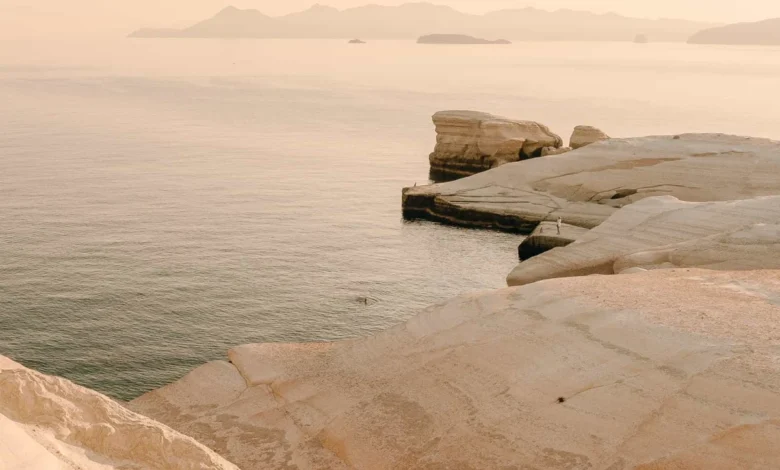
Sarakiniko Beach, located on the northern coast, stands as the island’s most iconic landmark. Often described as a lunar landscape, the area is composed of volcanic rock eroded by wind and sea over millennia. This stark white rock creates a striking contrast against the deep turquoise waters of the Aegean.

Scientific analysis of the region highlights the area’s composition of pumice and ash, which are particularly susceptible to erosion, resulting in the smooth, wave-like shapes that attract photographers and swimmers alike. It is important for visitors to note that Sarakiniko lacks natural shade. Due to the high albedo of the white rock, UV reflection is significantly intensified, requiring adequate sun protection and hydration for any prolonged stay. As the site is a protected geological feature, the lack of commercial amenities is intentional, preserving the site’s natural integrity.

Maritime Exploration and the Kleftiko Legacy
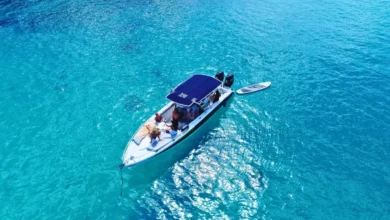
One of the most effective ways to comprehend the geography of Milos is through its maritime heritage. Boat tours, which depart daily from the Adamantas harbor, are not merely recreational activities; they are essential for reaching the island’s most remote southern coastlines. Kleftiko Bay, accessible primarily by sea, is a prime example of this. Historically, Kleftiko served as a hideout for pirates, a reputation that aligns with its name, which translates to "the place of thieves."

Today, these tours offer access to dramatic sea caves and limestone arches that are inaccessible by land. Data regarding regional maritime traffic indicates that boat excursions have become the primary driver of economic activity for the island’s southern sector, with a consistent increase in the operation of small-group and private charters over the last decade.

Historical Depth: Plaka, Catacombs, and Ancient Theatres
Beyond its natural beauty, Milos holds a significant place in Mediterranean history. The town of Plaka, built on the slopes of a hill above the port, represents the traditional Cycladic architectural style. It is here that the island’s history is most tangible.

The Catacombs of Milos, dating back to the 1st century AD, are among the most important early Christian monuments in the world. Archaeological evidence suggests they were used for both burials and as a place of worship during periods of religious persecution. In proximity, the Ancient Theatre of Milos, originally built by the inhabitants of the ancient city of Klima, provides a clear view into the Roman influence on the island. The preservation of this site, which is currently open to the public, serves as a testament to the island’s strategic importance in the Roman era.

Economic and Cultural Impact of Tourism
The shift in tourism trends toward Milos has necessitated a delicate balance between infrastructure development and cultural preservation. The local government has implemented stricter zoning laws in areas like Mandrakia, a traditional fishing village, to protect the historic syrmata—small, boat-storage buildings carved directly into the rock.

These structures are emblematic of the island’s maritime life. While tourism has revitalized the economy, it has also sparked debate regarding the sustainability of the island’s resources. Local officials and regional planners have emphasized the importance of high-value, low-impact tourism to ensure that the island’s natural and archaeological sites remain protected for future generations.

Culinary Traditions and Regional Specialization
The cuisine of Milos is intrinsically linked to its volcanic soil and maritime resources. The island’s gastronomy is characterized by its reliance on fresh, locally sourced ingredients. Establishments in Adamantas and Plaka have gained recognition for their traditional cooking methods, which include slow-roasting techniques and the use of fresh, Aegean-caught seafood.

Reports from the local Chamber of Commerce indicate that the hospitality sector has seen a shift toward "farm-to-table" concepts, with many restaurants forming direct partnerships with local farmers and fishermen. This model not only supports the island’s primary producers but also provides a distinct culinary experience that differentiates Milos from the more homogenized tourism offerings of other Mediterranean destinations.

Infrastructure and Future Outlook
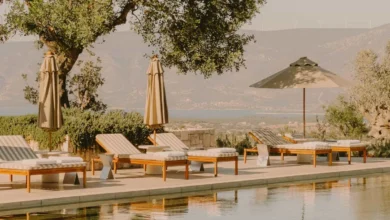
As of 2025, the development of luxury suites, such as those found in the Adamas and Pollonia regions, reflects a broader trend of high-end travel investment. These properties, often featuring private pools and specialized amenities, have become a staple of the Milos hospitality sector. However, the island’s infrastructure, particularly its road network and water supply, faces seasonal pressure.

Analysis from urban planners suggests that while the island is well-equipped to handle current visitor levels, future growth must be managed with a focus on sustainable energy and waste management. The introduction of improved ferry connections and the expansion of the airport’s capacity have been identified as key variables that will dictate the pace of future tourism development.

Summary of Key Attractions
- Sarakiniko Beach: The island’s most prominent volcanic rock formation.
- Kleftiko Bay: A historical pirate hideout accessible by boat.
- Plaka Town: The administrative and historical heart of the island.
- Mandrakia: A traditional fishing village known for its syrmata.
- Papafragas: A narrow cove and cave system known for its natural beauty.
- Firopotamos: A coastal settlement offering a blend of beach access and history.
- Klima: A picturesque waterfront featuring traditional, colorful boat houses.
- Adamantas: The main port, serving as the center for commerce and dining.
- Catacombs of Milos: A significant 1st-century historical site.
- Ancient Theatre of Milos: A well-preserved site reflecting Roman architectural influence.
- Tsigrado Beach: A secluded beach known for its challenging access and privacy.
- Sykia Cave: A natural sea cave that represents the wild geography of the west coast.
- Milos Mining Museum: A repository of the island’s industrial and geological history.
- Local Tavernas: Representing the island’s commitment to authentic, sustainable gastronomy.
In conclusion, Milos offers a multifaceted experience that extends far beyond the typical "sun and sand" vacation. Its unique geological narrative, combined with deep historical roots and a commitment to preserving its local maritime culture, positions it as a premier destination for travelers interested in a comprehensive exploration of the Cyclades. As the island continues to integrate itself into the global tourism market, the challenge will remain in maintaining the integrity of its landscape and the authenticity of its culture while accommodating the influx of visitors who are only just beginning to discover the hidden gems of this remarkable volcanic island.