Stepping Back in Time: The Historic Revival of Reefton’s Brewer’s Night Inn and New Zealand’s West Coast Gold Rush Heritage

The tourism landscape of New Zealand’s South Island has undergone a significant philosophical shift over the past decade, moving away from hyper-mobilized, fast-paced city-hopping toward immersive, slow-travel experiences. Nowhere is this transformation more evident than on the rugged and historically rich West Coast, where heritage properties are being meticulously repurposed into high-end, slow-tourism accommodations. Among these, the Brewer’s Night Inn in the inland town of Reefton stands out as a prime example of historical preservation meeting modern hospitality, offering travelers a tangible connection to the region’s dramatic 19th-century origins.

Main Facts and Architectural Preservation
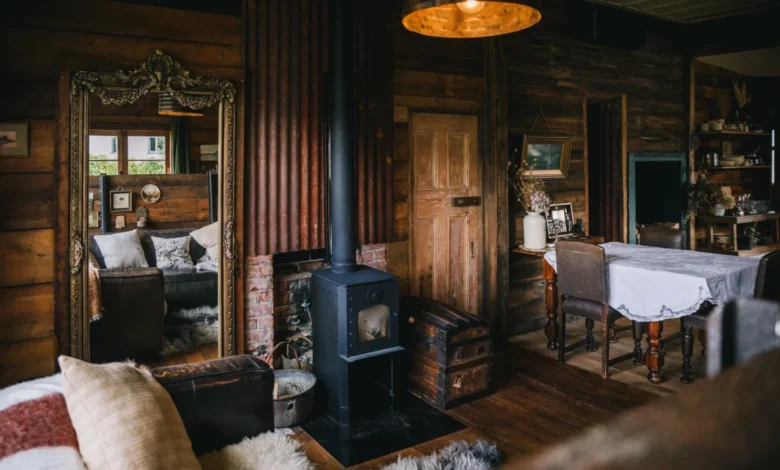
The Brewer’s Night Inn occupies a lovingly restored 1870s cabin that was formerly the home of legendary New Zealand brewer Stewart Monteith, whose namesake brand remains a household name across the country. The property has been carefully reconstructed to mirror the architectural aesthetics of 19th-century gold-mining cabins while incorporating contemporary luxury amenities.

Interior features include historic Rimu timber walls layered with vintage newsprint and period-accurate wallpaper, copper furnishings, a massive concrete soaking tub, and custom lighting. The restoration balances Victorian-era melancholy with modern comforts, featuring a dedicated music room equipped with a century-old West Coast piano, a vintage turntable, and an audiophile-grade stereo system. Despite its remote, private setting, the inn is located just a short walk from Reefton’s main commercial thoroughfare and operates as a pet-friendly boutique retreat.

Chronology and Historical Context of the West Coast
To understand the cultural significance of Reefton and properties like the Brewer’s Night Inn, one must examine the explosive chronology of the New Zealand Gold Rush, which fundamentally reshaped the South Island’s demographics and infrastructure.

- 1864–1867: The initial gold rush era brought thousands of prospectors to the West Coast following major alluvial discoveries. Settlements sprouted overnight in nearly impenetrable terrain.
- 1866: Hokitika reached its zenith as the largest settlement in New Zealand, boasting a permanent population exceeding 25,000 residents and more than 100 licensed pubs to serve the thirsty influx of miners and traders.
- 1870: Quartz reefs containing gold were discovered inland from the coast in the area that would become known as Reefton (derived from "Reef Town").
- 1888: Reefton achieved a historic milestone by becoming the first town in New Zealand—and the entire Southern Hemisphere—to be lit by a public electricity supply, utilizing a hydro-generation plant on the Inangahua River. This earned the municipality its enduring moniker, the "Town of Light."
As easily accessible gold reserves depleted toward the late 19th and early 20th centuries, the boomtowns experienced severe economic contractions. Hokitika and Reefton saw their populations sharply decline as industries pivoted toward timber, coal mining, and pastoral farming. Today, the entire West Coast administrative region supports a population of approximately 32,000 residents, with Reefton accounting for fewer than 1,000 of those inhabitants—a stark contrast to its bustling Victorian heyday.

Supporting Data and Economic Diversification
In recent years, the West Coast has transitioned from a declining industrial frontier into a specialized niche tourism and artisanal manufacturing destination. Economic development data indicates a deliberate pivot toward heritage tourism, craft distilling, and outdoor recreation to offset the contraction of traditional extractive industries.

The launch of local enterprises, such as the community-crowdfunded Reefton Distillery Co., has injected fresh economic vitality into the town. The distillery’s flagship product, Little Biddy Gin, pays homage to Bridget Goodwin, a notoriously robust, four-foot-tall female gold miner of the 19th century. Such targeted cultural marketing has successfully attracted independent travelers seeking authentic, low-density travel experiences that bypass mass-tourism corridors.

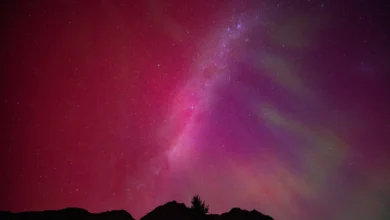
Statistics from regional tourism authorities show a steady post-pandemic rise in domestic and international visitors opting for extended stays in isolated, historical accommodations rather than transient overnight stops. Properties like the Brewer’s Night Inn cater directly to this demographic, providing a base for regional activities such as tramping (hiking), historical exploration, and dark-sky stargazing.

Broader Impact and Implications for Sustainable Tourism
The revitalization of heritage structures in settlements like Reefton carries profound implications for rural economic sustainability and cultural preservation in New Zealand. Architectural conservationists and regional planners note that repurposing historical structures prevents the loss of irreplaceable 19th-century craftsmanship while preventing urban drift among local populations.

Furthermore, the emphasis on slow travel aligns with New Zealand’s national tourism strategy, Tiaki – Care for New Zealand, which encourages visitors to travel deeper, stay longer, and respect local communities and environments. By transforming derelict or underutilized industrial-era relics into high-value boutique accommodations, private investors are proving that rural New Zealand can sustain economic growth without succumbing to the pressures of over-tourism.

As traveler demographics shift toward experiential and historically grounded itineraries, Reefton’s blend of Victorian industrial heritage, bespoke hospitality, and rugged West Coast wilderness positions the town as a blueprint for successful rural regeneration. The Brewer’s Night Inn stands not merely as a place of lodging, but as a physical archive of the perseverance, enterprise, and unique cultural identity that defined the birth of modern New Zealand.