Beyond the Well-Trodden Path: Why Luxor’s Lesser-Known West Bank Treasures Define the Ultimate Egyptian Heritage Experience


The historic city of Luxor, situated along the east and west banks of the Nile River in southern Egypt, has long served as the cornerstone of international cultural tourism. Millions of travelers arrive annually to bear witness to the architectural grandeur of Karnak Temple, the imposing scale of Luxor Temple, and the royal underground chambers of the Valley of the Kings. These monuments form the quintessential introduction to ancient Thebes, the capital of Egypt during the New Kingdom period (circa 1550 BC to 1069 BC). However, a growing consensus among archaeological conservationists, high-end tour operators, and cultural historians suggests that focusing exclusively on these primary tourist magnets limits the depth of understanding visitors can achieve. Beneath the heavily visited surface lies a dense concentration of secondary sites—such as Medinet Habu, Deir el-Medina, the Tombs of the Nobles, Carter House, and the Ramesseum—that offer profound insights into the daily lives, labor systems, and religious frameworks of ancient Egyptian civilization.
The Evolution of Luxor Tourism and the Shift Toward Slow Travel
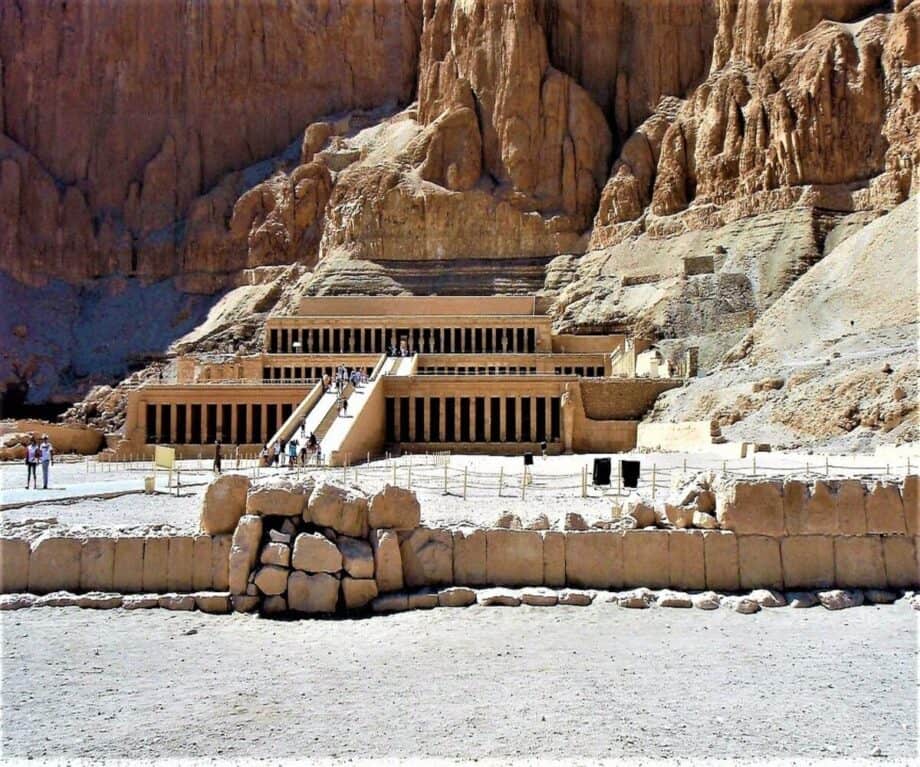
For decades, the standard itinerary for travelers visiting Luxor followed a rigid, high-density model. Tour groups historically allocated a single day or a packed 48-hour window to cross the Nile from the East Bank to the West Bank, checking off the Valley of the Kings, the Temple of Hatshepsut, and the Colossi of Memnon in a rapid sequence. This hurried approach, while efficient for logistics, often resulted in sensory fatigue and a homogenized visitor experience.
In response to changing consumer preferences in the luxury and cultural travel sectors, industry experts have increasingly advocated for a shift toward "slow travel." Travel planners specializing in the region note that modern visitors are seeking deeper, more contextualized engagements with antiquity. Rather than viewing history through a checklist of colossal monuments dedicated exclusively to pharaohs, contemporary tourists show a rising interest in the social history, artistry, and domestic realities of the ancient world. This behavioral shift has placed renewed emphasis on the archaeological wealth distributed across the wider Theban Necropolis.
Chronology and Historical Significance of Key West Bank Sites
To understand the broader historical narrative of Luxor’s West Bank, it is necessary to examine the chronological layers spanning centuries of royal and community development:
- c. 1550–1069 BC (New Kingdom Period): The establishment of the Theban Necropolis as the primary burial ground for New Kingdom rulers, nobles, and royal artisans.
- c. 1279–1213 BC (Reign of Ramesses II): Construction of the Ramesseum, a monumental mortuary temple commemorating the king’s military campaigns and divine kingship, alongside the continued expansion of administrative structures.
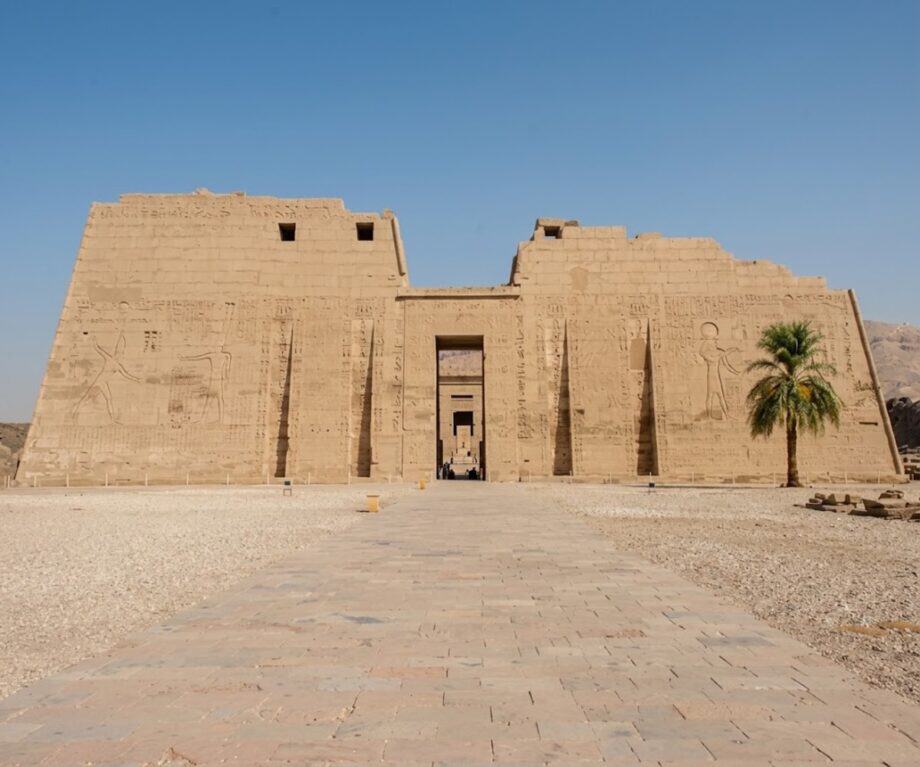
- c. 1186–1155 BC (Reign of Ramesses III): Construction and fortification of Medinet Habu, featuring some of the best-preserved painted reliefs documenting naval and land battles against the Sea Peoples.
- November 4, 1922: British archaeologist Howard Carter discovers the tomb of Tutankhamun (KV62) in the Valley of the Kings, sparking a global wave of Egyptomania and permanently tying the local landscape to early 20th-century excavation history.
Detailed Analysis of Overlooked Theban Landmarks
While Karnak and the Valley of the Kings command global recognition, several secondary sites provide vital context that enriches the historical panorama.
Medinet Habu: The Mortuary Temple of Ramesses III
Dominated by massive defensive mud-brick walls, Medinet Habu functions as both a temple complex and a fortified administrative center. Unlike the heavily restored or stripped facades of other monuments, Medinet Habu retains deep, vividly colored reliefs carved into sandstone. These carvings document historical conflicts, particularly Egypt’s successful repulsion of the Sea Peoples during the 12th century BC. Scholars emphasize that the site offers crucial geopolitical data regarding the late New Kingdom, illustrating how pharaohs utilized public architecture to project stability during times of external pressure.
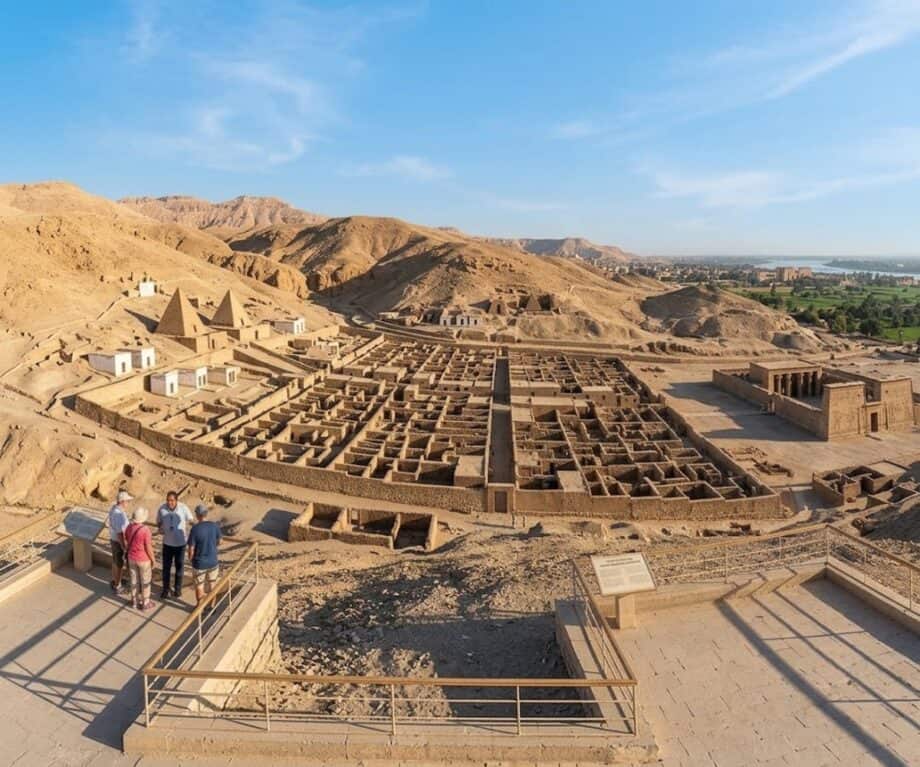
Deir el-Medina: The Village of the Artisans
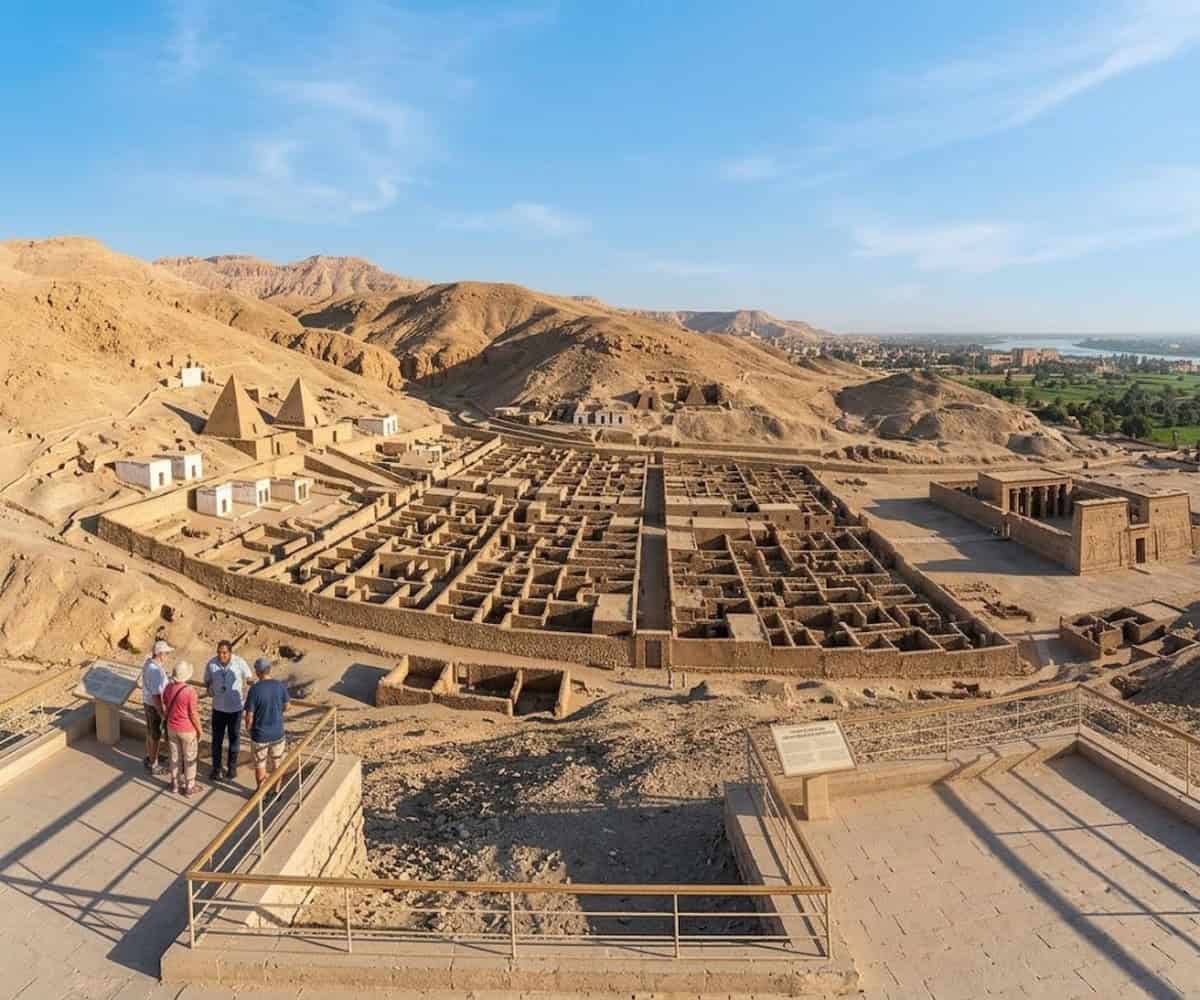
Situated in a secluded amphitheater of hills on the West Bank, Deir el-Medina was home to the generations of stonemasons, sculptors, and painters who excavated and decorated the royal tombs in the Valley of the Kings and Queens. Archaeological excavations have recovered thousands of ostraca (fragmented pieces of pottery and limestone bearing ink inscriptions), providing modern historians with unprecedented data regarding ancient literacy, legal disputes, healthcare, and labor strikes. Visiting the village and its nearby workmen’s tombs shifts the historical perspective away from divine monarchs and toward the skilled labor force responsible for Egypt’s material legacy.
The Tombs of the Nobles
Unlike the royal tombs, which focus on mythological underworld journeys and divine ascension, the private tombs of officials, viziers, and local governors located in sites like Sheikh Abd el-Qurna depict the domestic and agricultural realities of daily life. The interior walls feature detailed scenes of winemaking, agricultural harvesting, musical performances, and family banquets. These pictorial records serve as primary source material for anthropologists studying ancient Egyptian social structures, economics, and familial relationships.
Carter House and the History of Modern Excavation
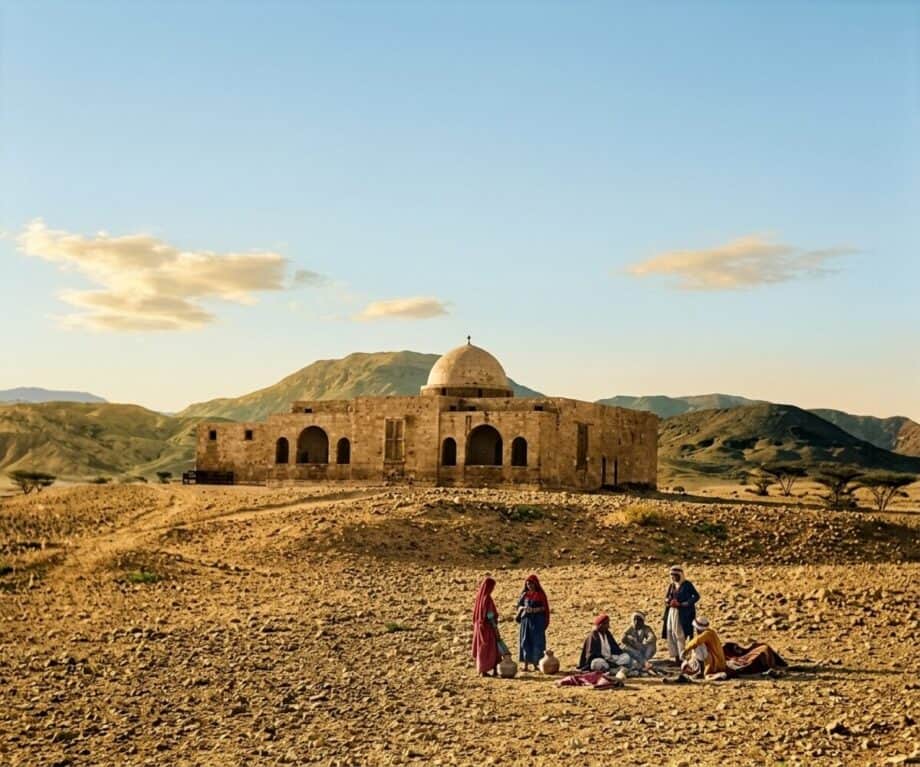
Located near the entrance to the Valley of the Kings, the former residence of British archaeologist Howard Carter bridges ancient history with modern scientific discovery. Preserved as a house museum, the structure retains Carter’s original furniture, photographic equipment, and darkroom. By examining the workspace where the 1922 discovery of Tutankhamun’s tomb was coordinated, visitors gain an appreciation for the arduous, unglamorous nature of early 20th-century archaeological fieldwork, contextualizing the immense effort required to bring ancient treasures to light.
The Ramesseum: Monumentality in Ruin
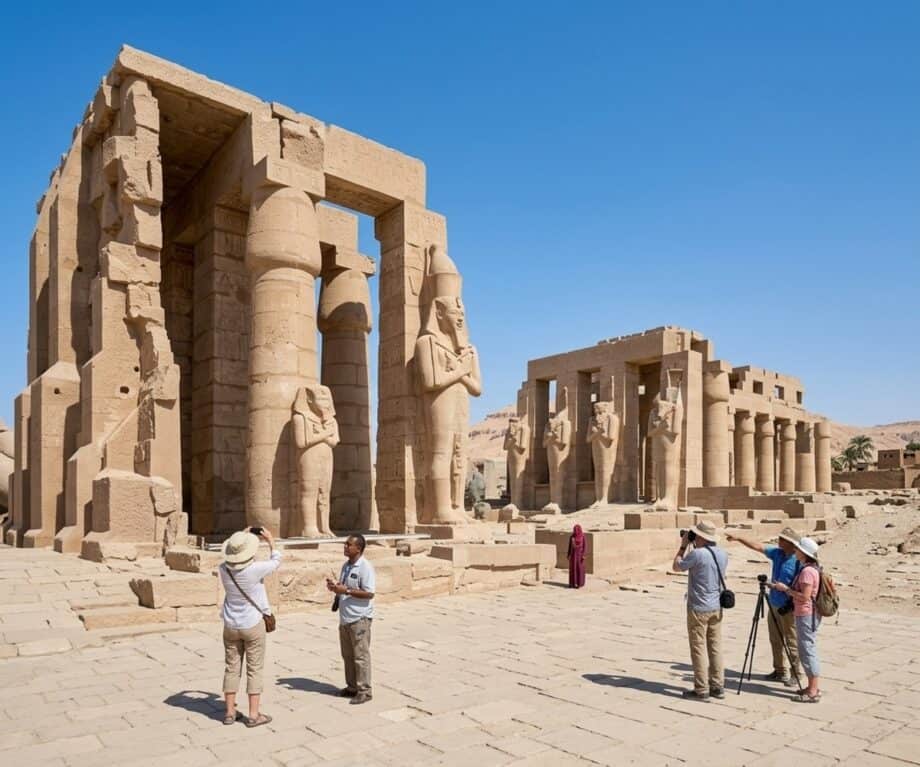
Dedicated to Ramesses II, the Ramesseum is frequently bypassed by high-speed tour itineraries due to its heavily ruined state. However, conservation architects argue that its fragmented columns and the toppled colossal granite statue of the king—believed to have inspired Percy Bysshe Shelley’s sonnet "Ozymandias"—offer a visceral lesson in the passage of time. The site demonstrates the structural engineering challenges faced by ancient builders and highlights the ongoing preservation work undertaken by international archaeological missions in Luxor.
Economic and Logistical Implications of Extended Itineraries
The promotion of secondary archaeological sites carries significant economic implications for the region. Tourism authorities in Luxor note that dispersing visitors across a wider array of monuments helps alleviate physical wear and tear on fragile, high-traffic sites such as the tomb of Tutankhamun or the Hypostyle Hall at Karnak. Furthermore, encouraging longer stays directly benefits local service providers, including boutique hotels, licensed Egyptological guides, water taxi operators, and locally owned restaurants on the West Bank.
Private tour operators report that itineraries featuring flexible pacing and extended dwell times result in higher satisfaction ratings among travelers. By removing the pressure to visit multiple headline locations in a single morning, visitors are able to engage more meaningfully with site guides, observe active conservation projects, and contribute to sustainable tourism models that prioritize heritage preservation over mass volume.
Conclusion
Luxor remains an irreplaceable repository of ancient human history, anchored by monumental structures that have captivated global audiences for centuries. However, true comprehension of the Theban Necropolis requires a willingness to look beyond the primary postcard landmarks. By incorporating sites like Medinet Habu, Deir el-Medina, and the Tombs of the Nobles into travel itineraries, visitors gain a holistic understanding of ancient Egyptian society—witnessing not only the ambition of pharaohs, but also the daily lives of the artisans and communities who built a civilization that continues to resonate millennia later.