The modern tourism landscape has undergone a significant shift in recent years, moving away from the "bucket-list" mentality of rapid-fire sightseeing toward a philosophy known as "slow travel." This movement emphasizes immersion over accumulation, encouraging visitors to spend extended periods in single locations to better understand local culture, history, and daily rhythms. Granada, a city in Spain’s Andalusia region, serves as a primary case study for this trend, as it balances its status as a world-class historical destination with the need to maintain a sustainable, authentic urban environment for its residents.

The Evolution of Granada’s Tourism Profile
Historically, Granada has been defined by its monumental architecture, most notably the Alhambra, which attracted approximately 2.7 million visitors annually prior to recent global travel shifts. For decades, the standard tourist itinerary involved a brief, high-intensity visit: arriving in the city, touring the Alhambra, walking through the Albaicín, and departing within 48 to 72 hours.
This traditional model, while economically beneficial in the short term, often created a disconnect between the visitor experience and the actual life of the city. As urban planners and cultural analysts have noted, such high-volume, short-duration tourism can lead to the "museumification" of historical districts, where neighborhoods lose their residential character to cater exclusively to transient populations.

Chronology of the Shift Toward Immersive Exploration
The transition toward a slower, more deliberate form of tourism in Granada began to gain traction in the mid-2020s, influenced by post-pandemic travel behaviors.
- 2022–2023: Increased demand for longer-term rental accommodations (such as apartment stays in the Realejo and Centro Sagrario districts) replaced the traditional hotel-heavy model.
- 2024: Local municipal initiatives began emphasizing "off-the-beaten-path" tourism, encouraging visitors to spend time in neighborhoods beyond the primary monuments to alleviate overcrowding at the Alhambra.
- 2025–2026: A notable rise in "lived experience" travel, where visitors focus on language acquisition, culinary exploration, and participation in local social customs like the tradition of free tapas, which is deeply embedded in the social fabric of the city.
Supporting Data and Demographic Trends
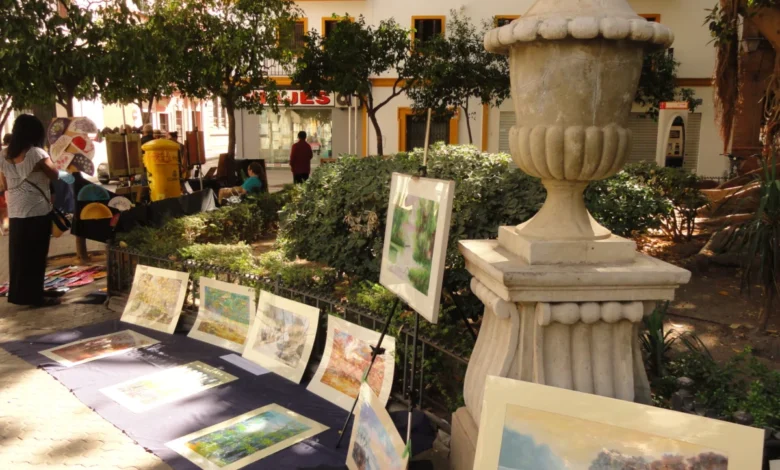
Recent travel industry data indicates that the average length of stay for international travelers in Andalusia has increased by approximately 15% since 2022. This shift is mirrored by a change in spending patterns; while "express" tourists tend to concentrate their spending on entrance fees and souvenir shops, "slow" travelers distribute their economic impact across local markets, neighborhood cafes, and independent artisan shops.

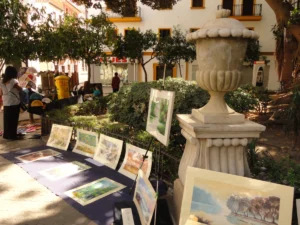
Sociological surveys conducted within the Realejo district suggest that residents report higher satisfaction levels when tourist interaction is spread across residential areas rather than concentrated in singular, high-density zones. The integration of tourists into local squares, such as the Campo del Príncipe, has facilitated a more organic social exchange, reducing the perceived friction between the local population and the temporary visitors.
The Role of Cultural Engagement: Language and Social Interaction
Language learning has emerged as a key component of this immersive trend. Data from language-learning platforms and local Spanish schools in Granada show a steady increase in adults enrolling in short-term, intensive courses. Experts in linguistics suggest that even a basic level of proficiency—moving beyond simple transactions—significantly alters the traveler’s perception of a destination.

"When a visitor moves from being a passive observer to an active participant, the entire nature of the journey changes," notes a representative from a regional tourism development agency. "The goal is no longer to ‘check off’ a site, but to engage in the day-to-day interactions that define the local identity."
This sentiment is echoed by local business owners, who have observed that travelers who stay longer and attempt to interact in Spanish are more likely to support small, family-run businesses. This, in turn, provides a more stable economic base for the local community, which is less vulnerable to the seasonal fluctuations that plague purely monument-focused tourism.

Analysis of Implications for Urban Management
The rise of slow travel presents both opportunities and challenges for city planners. From an economic perspective, longer stays mean a more consistent flow of revenue for local businesses. However, it also requires careful management of urban infrastructure.
- Urban Decongestion: By encouraging visitors to explore areas like the Realejo, the city effectively dilutes the concentration of tourists at primary sites, reducing the strain on historical preservation efforts at the Alhambra and its surrounding slopes.
- Neighborhood Preservation: The focus on "living like a local" necessitates policies that prevent the mass conversion of residential units into short-term tourist rentals, a common issue in European cities that threatens to displace long-term residents.
- Social Cohesion: The integration of tourists into public spaces, such as the Campo del Príncipe, requires a delicate balance. Municipal authorities have increasingly focused on maintaining these spaces as community-first zones, ensuring that they remain functional for residents even as they become popular with visitors.
Broader Impact on the Travel Industry
The Granada model is being watched closely by other European destinations struggling with the negative externalities of over-tourism. The lesson being drawn is that the "destination" is not just the sum of its monuments, but the collection of its daily, mundane, and authentic experiences.

The implications for the travel industry are profound. Tour operators are shifting their focus to curate "experience-based" itineraries that prioritize time, local interaction, and cultural depth. This change is not merely a preference for a different style of vacation; it is an economic and social necessity for cities that wish to remain vibrant, living communities rather than hollowed-out tourist shells.
As travelers continue to seek more meaning from their trips, the success of the Granada experiment serves as a blueprint for the future. By prioritizing the "journey" over the "destination," the city has managed to offer a more sustainable and fulfilling model for both the visitor and the host. The long-term success of this approach will depend on the city’s ability to protect its unique cultural identity while continuing to welcome those who wish to experience it with patience, curiosity, and respect.

In summary, the transition from rapid sightseeing to immersive engagement represents a maturing of the global travel industry. Granada, with its blend of history, neighborhood vitality, and social tradition, provides the perfect environment for this shift to flourish, ensuring that it remains not just a place to see, but a place to live—if only for a little while.