The Ultimate Guide to Trekking Colombia’s Lost City: A Comprehensive Exploration of Teyuna and the Sierra Nevada de Santa Marta

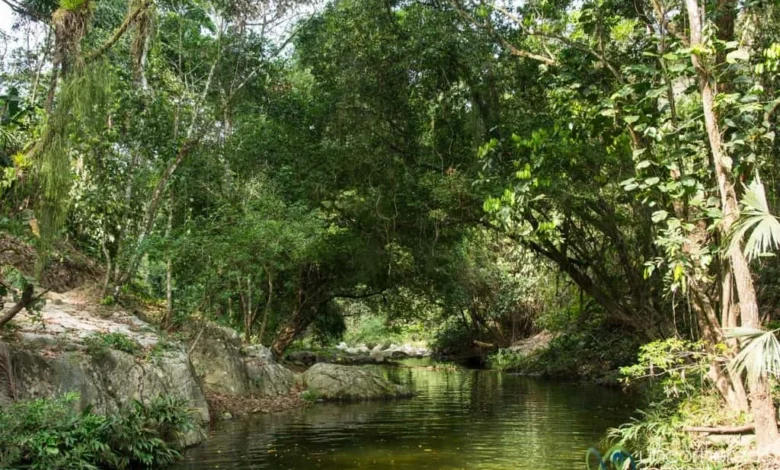
Nestled deep within the rugged, densely forested valleys of the Sierra Nevada de Santa Marta mountain range in northern Colombia lies Teyuna, more widely known as La Ciudad Perdida (The Lost City). For adventure travelers and archaeology enthusiasts alike, the multi-day trek to this ancient pre-Columbian archaeological site represents one of South America’s premier hiking experiences. Spanning approximately 46 kilometers (28 miles) round-trip, the journey takes participants through challenging tropical terrain, steep river valleys, and remote indigenous communities, culminating in an ascent of 1,200 ancient stone stairs to reach the sprawling mountaintop terraces.

Historical Background and Origins of Teyuna
Built by the Tayrona civilization around 800 A.D., Teyuna predates Peru’s famous Machu Picchu by approximately six centuries. Historical consensus indicates that the settlement once served as a major political and economic urban center for the region, supporting thousands of indigenous inhabitants across a complex network of stone-paved terraces, circular plazas, and drainage channels.

When Spanish conquistadors arrived in the Sierra Nevada de Santa Marta during the 16th century, the Tayrona people chose to abandon their capital city rather than submit to colonial rule or see the settlement ransacked. Following its abandonment, the dense tropical rainforest rapidly reclaimed the site, enveloping it in heavy foliage for centuries. While the location was never entirely forgotten—shamanic elders of the indigenous Wiwa, Kogi, Arhuaco, and Kankuamo communities maintained a generational awareness of Teyuna, visiting it periodically for spiritual ceremonies—it remained hidden from the outside world until its rediscovery by local looters in the early 1970s.

The widespread looting that followed the site’s modern unearthing stripped the ruins of much of their gold and portable artifacts before the Colombian government intervened. Today, the surviving indigenous groups, who consider themselves the "elder brothers" tasked with protecting the ecological and spiritual equilibrium of the earth, maintain a vital presence along the trekking route, offering vital cultural context to travelers.

Chronology of the Trek: A Day-by-Day Overview
While tour operators offer itineraries ranging from four to six days—such as the standard five-day excursion facilitated by operators like G Adventures—the core route remains consistent.

Day 1: Trailhead to Campsite One
The expedition typically commences in Santa Marta with a 45-minute vehicle transfer along the highway, transitioning onto dirt roads that wind into the foothills of the Sierra Nevada range. After a final equipment check and lunch in the rural hub of Machete, hikers embark on the trail accompanied by local indigenous guides. The opening day introduces trekkers to the region’s undulating topography, featuring initial ascents, refreshing mountain swimming holes, and the first glimpses of local mule trains transporting supplies.

Day 2: Deep Rainforest and Indigenous Communities
Day two tests endurance with extended trekking distances through the heart of the tropical jungle. The route crosses the Buritaca River multiple times—occasionally via suspension cables or elevated cages when water levels rise—and passes near traditional Kogi settlements. Depending on the itinerary length, hikers either conclude the day at Wiwa Camp or push further toward El Paraiso (Paso Lorenzo) camp, situated just a kilometer below the archaeological site.

Day 3: The Ascent to the Lost City
Trekkers depart before dawn to reach the base of the 1,200 ancient stone steps in the cool morning air. The climb up the moss-covered staircases leads directly into the lower and upper terraces of Teyuna. Guided tours include detailed explanations of the site’s architecture, historical significance, and ongoing preservation efforts. Following the morning exploration, visitors retrace their steps down the mountain for an afternoon return trek to a lower campsite, often navigating sudden afternoon tropical downpours.

Day 4 and 5: Return Journey to Machete
The final leg of the trek involves steady descents and ascents out of the river valleys, culminating back at the Machete trailhead for a celebratory lunch. Transport vehicles then transfer participants back to Santa Marta, concluding a physically demanding but culturally enriching expedition.

Environmental Conditions and Trekking Logistics
The Lost City Trek is classified as a medium-to-high difficulty route, primarily due to environmental factors rather than technical climbing requirements. There are no sheer rock faces or technical mountaineering obstacles; however, the combination of high ambient temperatures, intense tropical humidity, and continuous elevation changes presents a notable physical challenge.

- Climate and Weather: The Sierra Nevada de Santa Marta experiences distinct wet and dry seasons. The dry period generally spans from December through March, making it the peak season for trekking. Conversely, the rainy season runs from May through September, bringing frequent afternoon downpours, muddy trails, and higher river levels. The trail is officially closed every September to allow for environmental recovery and path maintenance.
- Flora and Fauna: Due to the dense rainforest environment, hikers must prepare for aggressive insect populations, including mosquitoes and ticks. Prevention strategies include using high-strength insect repellent, wearing lightweight long trousers, and utilizing sleep liners in campsite hammocks.
- Infrastructure and Accommodation: Campsites along the route are rustic, typically offering cold-water showers, flush toilets, and a choice between beds and hammocks protected by mosquito nets. Electric power is extremely limited and unreliable, requiring trekkers to carry portable power banks.
Socio-Economic Impact and Tour Regulations
Independent trekking to the Lost City is prohibited to protect the archaeological integrity of the site and ensure the safety of visitors. Travel must be booked through authorized tour operators who coordinate closely with local communities.

A critical component of modern tour operations is the employment of indigenous guides from the Wiwa and other local communities. This practice ensures that the historical narrative presented to visitors is accurate, culturally respectful, and directly benefits the indigenous populations who hold ancestral claims to the land. Furthermore, pack animals and local logistics providers form a vital part of the regional economy, supporting rural families living within the rugged confines of the mountain range.

Essential Preparation and Packing Guidance
Because all gear must be carried either personally or by pack animals, minimalist packing is essential. Recommended preparation includes:

- Hydration and Water Purification: Trekkers consume substantial amounts of water due to heavy perspiration. Refillable bottles and chemical purification drops or UV sterilizers are mandatory, as trailside refilling stations draw from natural sources.
- Footwear and Stability: Sturdy hiking shoes or trail runners, supplemented by dedicated river-crossing footwear and lightweight walking sticks, are vital for navigating slick, mud-covered stone paths.
- Electronic Protection: Electronics must be secured inside waterproof dry sacks or heavy-duty plastic bags to guard against sudden rainforest deluges.
Ultimately, the trek to Ciudad Perdida offers a rare synthesis of physical endurance, archaeological discovery, and immersive cultural engagement, cementing its status as one of South America’s defining wilderness journeys.