The Ultimate Guide to Trekking Colombia’s Lost City: A Journey Through Time and Terrain

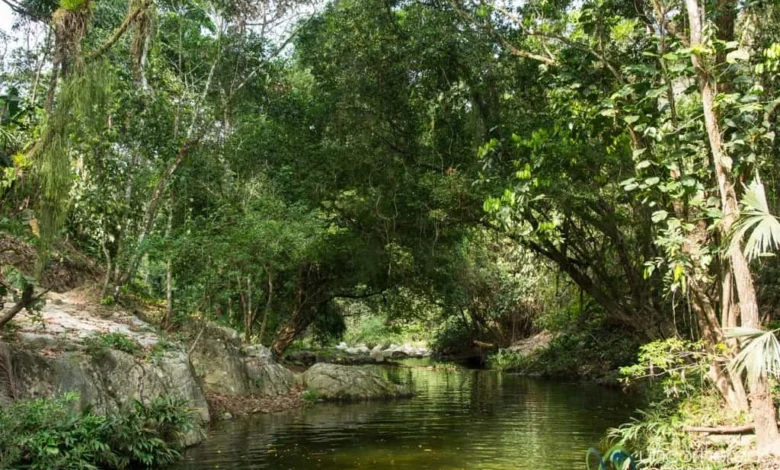
The trek to Ciudad Perdida, or the Lost City, represents one of South America’s most significant archaeological and physical challenges. Located deep within the Sierra Nevada de Santa Marta mountain range in northern Colombia, this ancient site—known locally as Teyuna—was constructed by the Tayrona civilization around 800 A.D. The site predates the construction of Machu Picchu by approximately six centuries, serving as a political and spiritual hub for the indigenous groups that inhabited the region long before the arrival of Spanish colonial forces.

Historical Context and Archaeological Significance
The history of Teyuna is a narrative of resilience and mystery. While the city was abandoned during the 16th century to evade Spanish occupation, it was never fully forgotten by the indigenous communities—the Wiwa, Kogi, Arhuaco, and Kankuamo—who regard themselves as the descendants of the Tayrona. For centuries, these groups maintained the site as a sacred space, far removed from the eyes of the outside world.

It was not until the early 1970s that the site was "re-discovered" by looters, a period that resulted in the removal of significant gold artifacts and funerary remains. Following this, the Colombian government and archaeological institutions moved to protect the site. Today, the Ciudad Perdida is a protected national park, accessible only through organized, multi-day trekking expeditions that require the presence of certified local guides.

Trekking Logistics and Route Overview
The standard expedition to the Lost City spans between four and five days, covering approximately 46 kilometers (28 miles) of dense tropical jungle, steep mountainous ascents, and river valleys. The trail begins at the foothills near Santa Marta, where participants are transported by vehicle to the trailhead in Machete.

The route is characterized by extreme environmental shifts. Trekkers must navigate high humidity, fluctuating temperatures, and frequent afternoon rain showers. A critical element of the journey is the 1,200-step ascent up a stone staircase, which leads to the main terraces of the ancient city. Because the region is a sensitive ecological and cultural zone, independent hiking is prohibited; all visitors must travel with authorized tour operators who employ local indigenous guides.

Chronology of the Expedition
A typical five-day itinerary provides a balanced approach to the physical demands of the trail:

- Day 1: Departure from Santa Marta to Machete, followed by a trek through the foothills to the initial base camp. This segment introduces hikers to the varied terrain and the first of many river crossings.
- Day 2: The trail deepens into the tropical rainforest. Travelers pass through indigenous Kogi villages, gaining insight into the contemporary lives of the region’s original inhabitants. The day concludes at a base camp situated near the final ascent point.
- Day 3: The ascent of the 1,200 stone steps takes place at dawn to avoid the midday heat. This day is dedicated to exploring the terraces of Teyuna, learning about the engineering and social structure of the Tayrona, and visiting the sacred sites where indigenous shamans still perform traditional ceremonies.
- Day 4 & 5: The return journey retraces the path back to the trailhead, allowing for a gradual descent and reflection on the cultural impact of the excursion.
Environmental and Physical Demands
The "Lost City" is not a technical climb in terms of mountaineering equipment, but it is considered a strenuous physical endeavor. The trail is often muddy, and river levels can fluctuate significantly based on rainfall. The primary physical challenges include:

- Hydration and Heat: The Sierra Nevada de Santa Marta is a rainforest environment. Hikers are subject to intense humidity, necessitating a consistent intake of water and electrolytes to prevent heat exhaustion.
- Navigation and Terrain: The trail is uneven, consisting of narrow paths and steep inclines. A walking stick is highly recommended for stability.
- Biological Hazards: Insects and ticks are prevalent throughout the region. Proactive measures, including the use of high-strength repellents and proper clothing, are standard safety protocols.
Cultural Preservation and Indigenous Involvement
The involvement of the indigenous Wiwa and Kogi communities is the cornerstone of the modern Lost City experience. These communities act not only as guides but as custodians of the land. By engaging with these guides, international visitors gain a perspective on the "elder brother" philosophy, which posits that the indigenous people have a spiritual duty to maintain the equilibrium of the natural world. This cultural exchange has proven vital in fostering international support for the preservation of the Sierra Nevada ecosystem.

Data-Driven Planning and Preparation
For prospective travelers, preparation is paramount to both safety and comfort. Industry data suggests that the peak season for the trek is the dry season, occurring from December through March. During this period, river crossings are more predictable and trail conditions are more stable. Conversely, the rainy season—typically from May to September—presents a more challenging environment, often leading to the temporary closure of the trail in September for maintenance.

Essential Packing Checklist:

- Footwear: Sturdy, waterproof hiking boots with adequate ankle support and a separate pair of lightweight shoes for river crossings.
- Protection: A reliable backpack with a waterproof cover is mandatory to protect electronics and clothing from the frequent tropical downpours.
- Health and Hygiene: A comprehensive first-aid kit, including treatments for insect bites, blisters, and basic water purification systems such as sterilization drops or filters.
- Clothing: Quick-dry, moisture-wicking fabrics are essential. Because of the rapid shifts in weather, layering is advised, even in tropical conditions.
Economic and Social Implications
The rise in tourism to Ciudad Perdida has provided a significant economic lifeline to the indigenous communities in the Sierra Nevada. Income from the trekking industry supports local infrastructure, educational initiatives, and the conservation of traditional practices. However, this influx of visitors necessitates a balance between economic gain and the preservation of sacred sites.

The current model, which mandates small, organized groups and limits the number of daily visitors, serves as an example of sustainable tourism. By funneling tourism through a regulated system, the Colombian authorities ensure that the environmental footprint is minimized while the historical integrity of Teyuna remains intact.

Conclusion and Future Outlook
As interest in off-the-beaten-path trekking continues to grow globally, the Lost City remains a premier destination for those seeking a synthesis of history, physical challenge, and cultural immersion. The evolution of the route—from a hidden, protected archaeological gem to a managed, sustainable, and educational tourism destination—highlights the importance of thoughtful travel. Prospective trekkers are encouraged to research their operators carefully, ensuring they prioritize indigenous-led initiatives, and to approach the journey with respect for both the environmental conditions and the deep cultural legacy of the Tayrona civilization. Through such responsible engagement, the Lost City will continue to offer a profound connection to a past that, while long hidden, remains very much alive in the mountains of Colombia.