Mastering the Atlantic Swell: A Comprehensive Guide to Surfing and Coastal Culture in Taghazout Bay, Morocco

The coastline of southwestern Morocco has undergone a significant transformation over the past decade, evolving from a series of secluded fishing villages into a premier international destination for wave sports. At the heart of this development is Taghazout Bay, a 17-kilometer stretch of the Atlantic coast that has become synonymous with consistent swells, accessible learning conditions, and a unique blend of Amazigh hospitality and modern tourism infrastructure. While many visitors arrive seeking a singular surf lesson, they often discover a sophisticated ecosystem where environmental conditions, professional instruction, and cultural heritage converge to create a sustainable tourism model.
The Geographical and Oceanographic Foundation of Taghazout Bay
Located approximately 18 kilometers north of Agadir along the Route d’Essaouira, Taghazout Bay benefits from a unique geographical orientation. The coastline here is characterized by a series of points and sandy bays that interact with the North Atlantic swell. From October through April, the region receives powerful groundswells generated by low-pressure systems in the North Atlantic. These swells are filtered and groomed by the various headlands, resulting in long, peeling right-hand point breaks and manageable beach breaks.
For beginners, the area between Taghazout and the neighboring village of Tamraght offers an ideal classroom. The "Station Touristique de Taghazout Bay," a large-scale sustainable development project, has been designed to capitalize on these natural assets while maintaining the ecological integrity of the coastline. The water temperature remains relatively stable, fluctuating between 18°C (64°F) in the winter and 23°C (73°F) in the summer, necessitating the use of a 3/2mm or 4/3mm wetsuit for extended sessions, which are standard provisions in the region’s professional surf schools.
The Methodology of Instruction: A Technical Overview
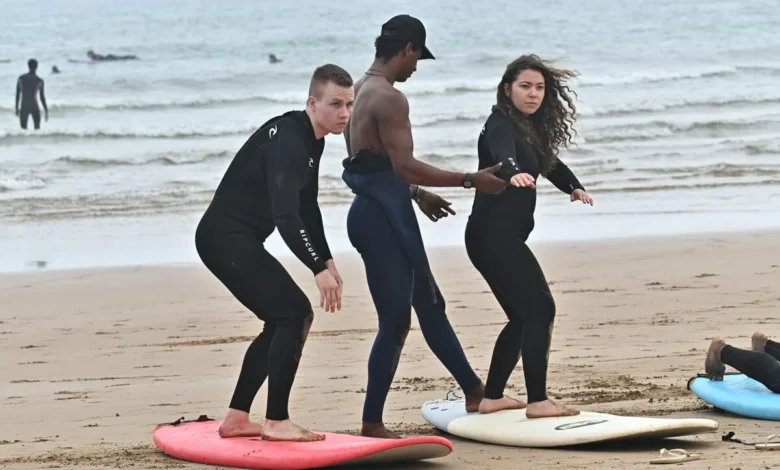
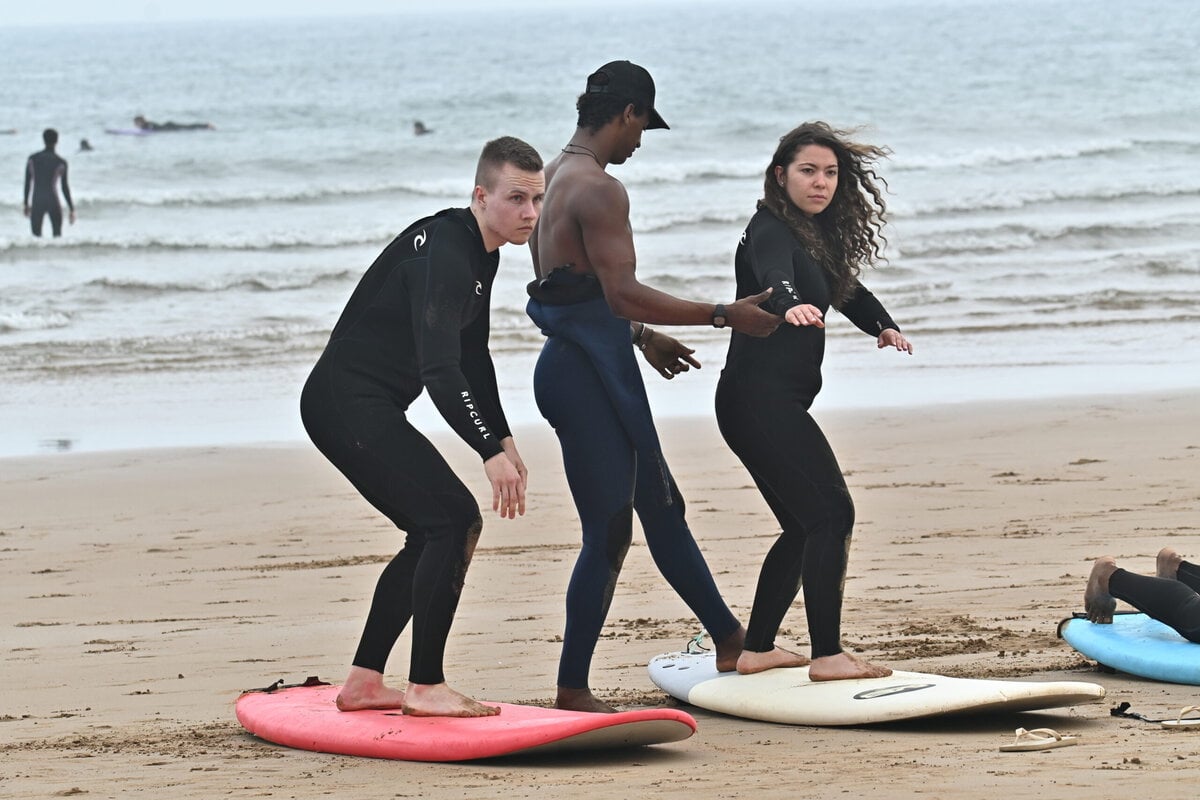
Professional surf instruction in Taghazout is characterized by a structured approach that prioritizes ocean literacy and safety. Veteran instructors, such as the local guide Simo, emphasize that a successful session begins long before the student enters the water. The process is divided into several critical phases:
Phase I: Environmental Assessment and Equipment Matching
Each morning, instructors conduct a "conditions check," evaluating wave height, period, wind direction, and tide levels. Because the Taghazout-Tamraght corridor contains multiple breaks within a five-minute radius, instructors can pivot between locations to find the most suitable conditions for a student’s skill level. This mobility ensures that beginners are not overwhelmed by heavy surf or frustrated by stagnant conditions.
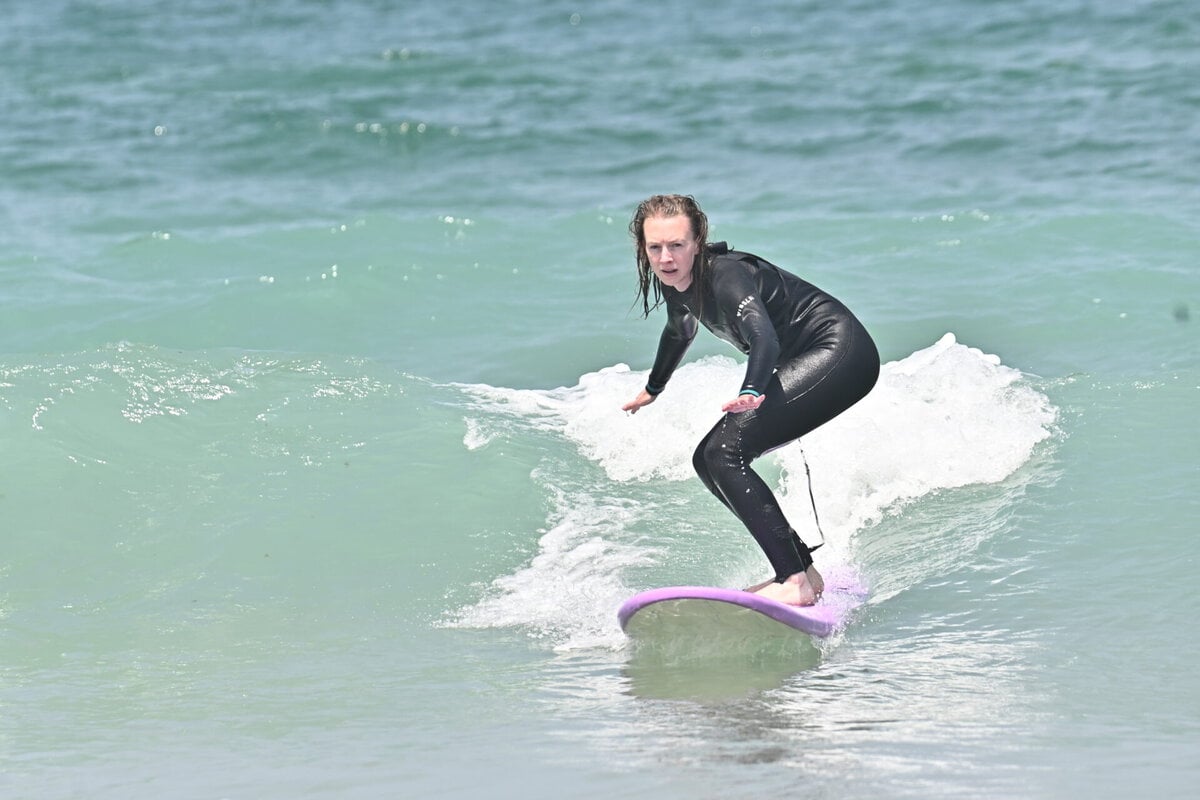
Once a location is selected, students are matched with high-volume "soft-top" surfboards. These boards provide the buoyancy and stability necessary for beginners to practice "popping up"—the transition from a prone paddling position to a standing stance.
Phase II: Terrestrial Training and Safety Protocols
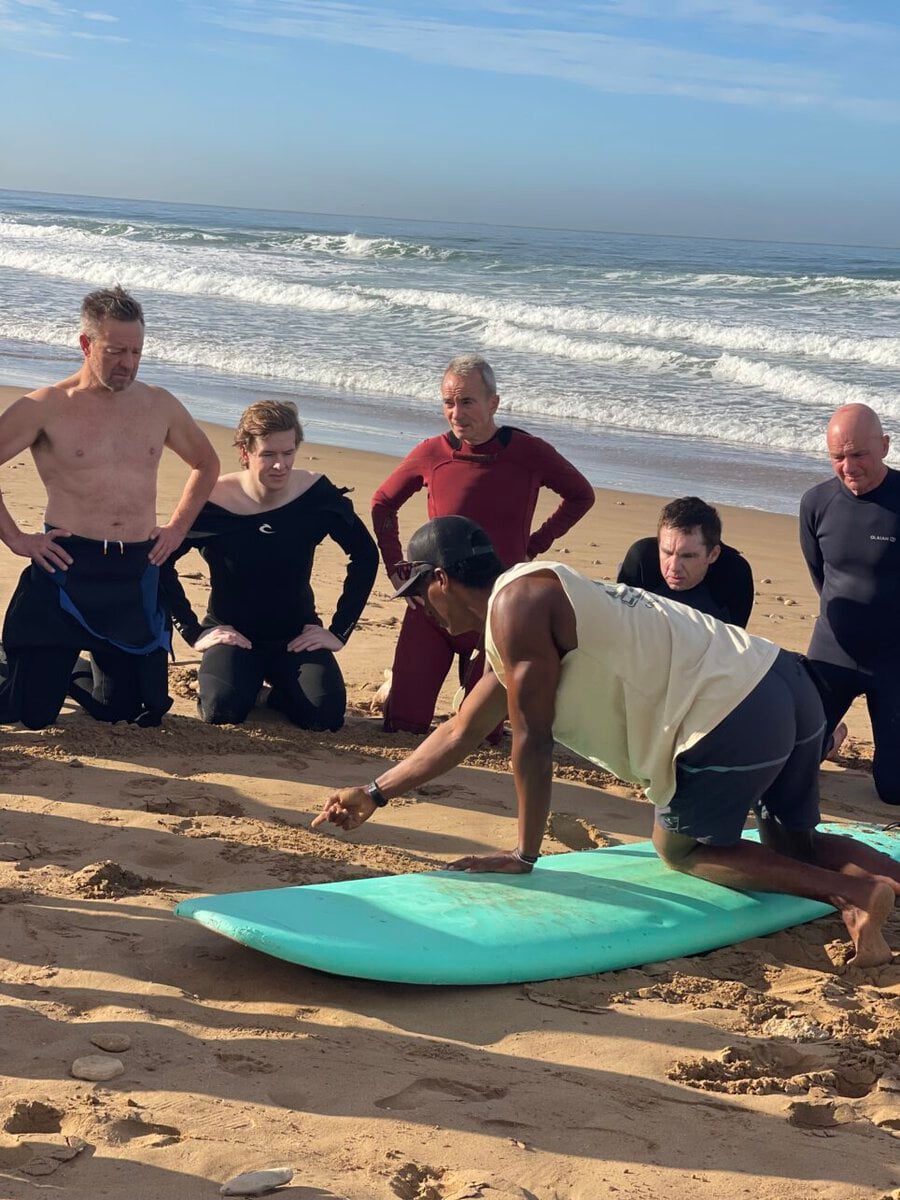
Before entering the Atlantic, students undergo a rigorous beach briefing. This includes the mechanics of the "pop-up," proper foot placement, and the "turtle roll" or "duck dive" techniques used to navigate through oncoming waves. Crucially, instructors focus on "reading the water," teaching students how to identify rip currents, understand wave sets, and maintain "surf etiquette" to avoid collisions in the water.
Phase III: Controlled In-Water Practice
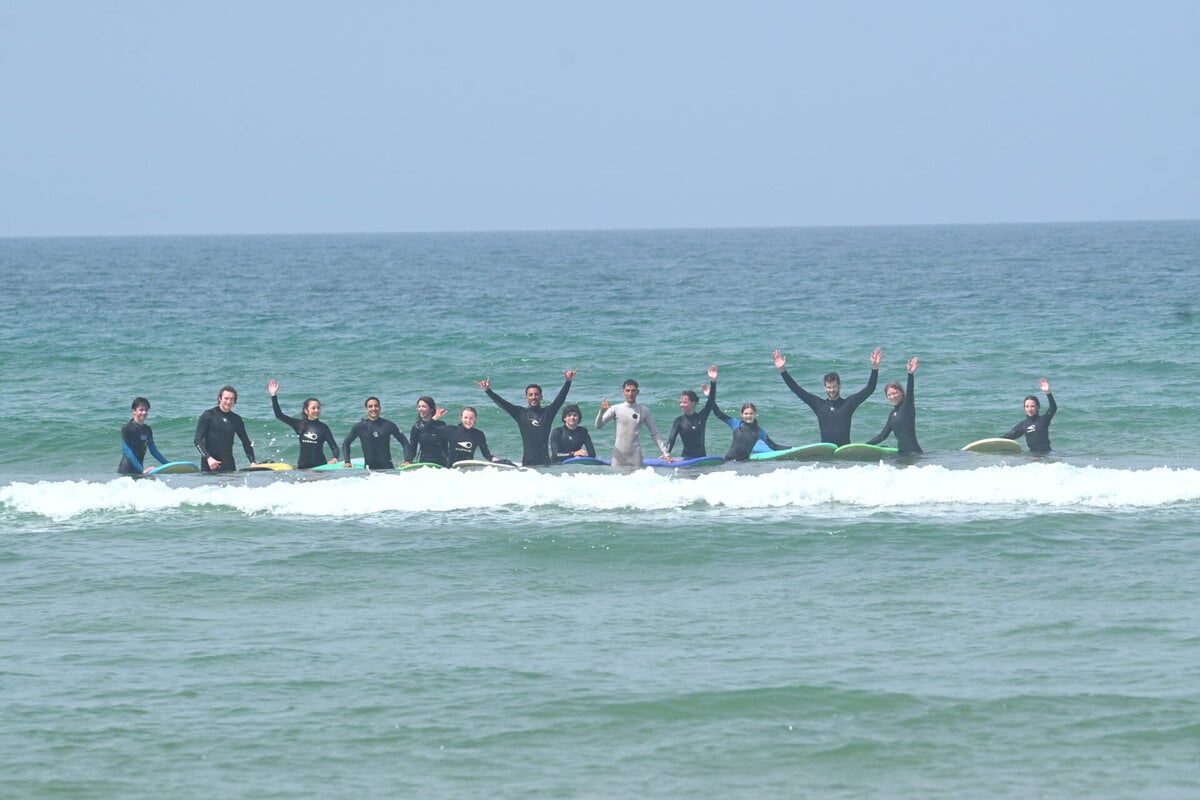
The typical session lasts approximately 90 minutes. During this time, instructors provide "push-ins," assisting students in matching the speed of the wave to increase their success rate in standing up. This hands-on coaching allows students to focus on their balance and posture without the immediate physical exhaustion of intensive paddling.
Data and Economic Impact of the Surf Industry
The surf industry is a cornerstone of the Souss-Massa regional economy. According to data from the Moroccan Ministry of Tourism, the Agadir-Taghazout axis is a primary driver of the "Plan Azur," a government initiative aimed at increasing the country’s tourism capacity. Taghazout Bay specifically was designed as an "eco-resort" to attract high-value, active travelers.
Economic indicators suggest that surf tourism in Morocco contributes significantly to local employment. Beyond direct instruction, the industry supports a network of surfboard shapers, repair shops, transport services, and hospitality providers. The "surf camp" model, which combines accommodation, meals, and coaching, has proven particularly resilient, maintaining high occupancy rates even during the traditional "shoulder seasons" of spring and autumn.
Seasonal Breakdown for Travelers
- October – March: Peak season for experienced surfers. Large swells and offshore winds are common. Beginner lessons are still viable in sheltered bays like Panoramas or Banana Beach.
- April – June: Transitional period. Mellow swells and warming air temperatures. Ideal for intermediate surfers looking to progress.
- July – September: High summer. Smaller, consistent waves and warm water. This is the primary season for families and first-time surfers.
The Role of Infrastructure and Accessibility
The accessibility of Taghazout Bay has been a major factor in its growth. The Agadir Al Massira Airport (AGA), located approximately 40 minutes from the coast, serves as the primary gateway. Increased flight frequencies from major European hubs—including London, Paris, Berlin, and Madrid—have made Taghazout a viable "long-weekend" destination for the European market.
The development of the Station Touristique de Taghazout Bay has also introduced a range of accommodation tiers, from luxury international hotel chains to boutique eco-lodges. This diversification has expanded the demographic of the "typical surfer" from the budget-conscious backpacker of the 1990s to include families, corporate groups, and luxury travelers.
Socio-Cultural Implications and Community Integration
The success of Taghazout as a surf destination is inextricably linked to the local culture. The "coastal pace" mentioned by instructors is a reflection of the traditional Amazigh lifestyle, which emphasizes hospitality and a deep connection to the land and sea. This cultural component serves as a significant "pull factor" for repeat visitors.
However, the rapid development of the region has prompted discussions regarding environmental sustainability and cultural preservation. Local organizations and surf schools have increasingly adopted "reef-safe" practices, organized beach clean-ups, and implemented water conservation measures. The integration of local instructors into the management levels of international surf camps has also ensured that the economic benefits of tourism remain within the community.
Broader Impact and Future Outlook
The Taghazout model serves as a blueprint for "blue tourism" in North Africa. By leveraging a natural resource—the Atlantic swell—and combining it with professionalized instruction and modern infrastructure, Morocco has established a sustainable niche in the global travel market.
The impact extends beyond the economy; surfing has become a vehicle for social change in the region. There has been a notable increase in the participation of Moroccan women in the sport, supported by local clubs and international surf festivals held in the bay. Furthermore, the focus on "active wellness" aligns with global travel trends emphasizing physical health and mental well-being.
As Taghazout Bay continues to mature, the focus is shifting toward long-term environmental stewardship. Plans for expanded wastewater treatment, plastic-free initiatives, and the protection of local argan forests are central to the region’s "Vision 2030" goals. For the first-time surfer, the experience remains a gateway to a larger world—one where the thrill of the first wave is matched by the depth of the Moroccan coastal experience.
Practical Logistics for Visitors
For those planning a first-time surf excursion to Taghazout Bay, the following logistical framework is recommended:
- Transportation: While taxis are readily available from Agadir, many surf schools provide shuttle services. Car rentals are also common for those wishing to explore further north toward Imsouane.
- Health and Safety: Visitors should prioritize sun protection, as the Atlantic sun is potent even on overcast days. Staying hydrated and choosing reputable schools with certified instructors (such as those recognized by the Fédération Royale Marocaine de Surf) is essential.
- Beyond the Surf: The region offers significant cultural excursions, including the "Paradise Valley" botanical hike in the Atlas foothills and the vibrant souks of Agadir.
In conclusion, Taghazout Bay represents more than a collection of surf breaks; it is a sophisticated intersection of nature, sport, and culture. The consistent Atlantic swell provides the foundation, but the professionalized instruction and the warm hospitality of the local community provide the lasting impact that brings travelers back year after year. Whether standing on a board for the first time or returning to master the point breaks, visitors find a coastline that is as challenging as it is welcoming.