Beyond the Bucket List: How Osaka is Redefining Modern Travel Through Culture and Connection

The evolution of global tourism has long been measured by the accumulation of UNESCO World Heritage sites, historic shrines, and architectural landmarks checked off a standardized itinerary. However, a noticeable shift is underway among contemporary travelers, who are increasingly prioritizing the intangible essence of a destination—its local communities, working-class history, and culinary traditions—over monuments of bricks and mortar. This changing traveler psychology forms the backdrop of recent tourism initiatives in Japan, particularly highlighted through immersive urban explorations in Osaka, the nation’s third-largest city.
While neighboring Kyoto commands international acclaim for its ancient temples and Tokyo dazzles visitors with futuristic skyscrapers, Osaka occupies a unique space in the Japanese tourism landscape. Despite housing relatively few globally recognized monumental attractions outside of Osaka Castle, the Kaiyukan Aquarium, and Universal Studios Japan, the metropolis consistently ranks among the country’s most visited urban destinations. This phenomenon raises critical questions regarding the shifting motivations of international travelers in the post-pandemic era, moving away from hyper-curated sightseeing toward unscripted, community-led cultural immersion.
Historical Evolution: From Imperial Capital to the Nation’s Kitchen
To understand Osaka’s enduring appeal, one must examine its complex and often overlooked history. Archaeological and historical records indicate that the city served as Japan’s imperial capital briefly nearly 1,300 years ago. Strategically positioned at the nexus of intricate river networks, Osaka evolved historically into a vital domestic and international trading port, holding immense geopolitical value for feudal warlords attempting to unify Japan under a centralized shogunate.
Over subsequent centuries, the city earned the moniker tenka no daidokoro—translating to "the nation’s kitchen." This title reflects Osaka’s historical role as the central marketplace for Japan’s agricultural and culinary goods. Unlike the formal, aristocratic culture historically associated with Kyoto, Osaka developed a gritty, industrious, and mercantile soul rooted in pragmatism, humor, and straightforward hospitality.
This dichotomy is acutely visible in the Minami entertainment district, which serves as the focal point for modern urban exploration tours led by companies such as Intrepid Urban Adventures. Through guided half-day excursions, visitors are introduced to districts that reflect the city’s twentieth-century metamorphosis, such as Shinsekai.
Urban Renewal and the Transformation of Shinsekai
Established in 1912 as a model neighborhood of the future, Shinsekai was originally designed with architectural influences drawn from early-twentieth-century New York City and Paris. The district featured an amusement park and the iconic Tsutenkaku Tower, symbolizing progressive urban planning. However, the post-World War II era brought severe economic decline, transforming Shinsekai into a marginalized neighborhood associated with poverty and organized crime.
In recent decades, municipal authorities and local business associations have worked to revitalize the area. While retaining its distinct retro atmosphere, neon-lit alleyways, and Showa-era architecture, Shinsekai has successfully shed its illicit reputation. Today, it functions as a vibrant cultural hub characterized by standing-room-only izakaya bars, traditional pachinko parlors, and retro video game arcades. These spaces offer visitors an authentic glimpse into twentieth-century Japanese working-class nostalgia, standing in stark contrast to the sterile, hyper-modern commercial zones found in other global metropolises.
Culinary Heritage: The Sociology of Osakan Street Food
Food serves as the primary cultural currency in Osaka, deeply intertwined with the city’s working-class origins. Dishes that originated in the early twentieth century as inexpensive, high-calorie sustenance for manual laborers have evolved into globally celebrated culinary staples. Among the most prominent are kushikatsu (deep-fried skewers of meat, seafood, and vegetables), takoyaki (savory octopus-filled batter balls), and okonomiyaki (savory cabbage pancakes).

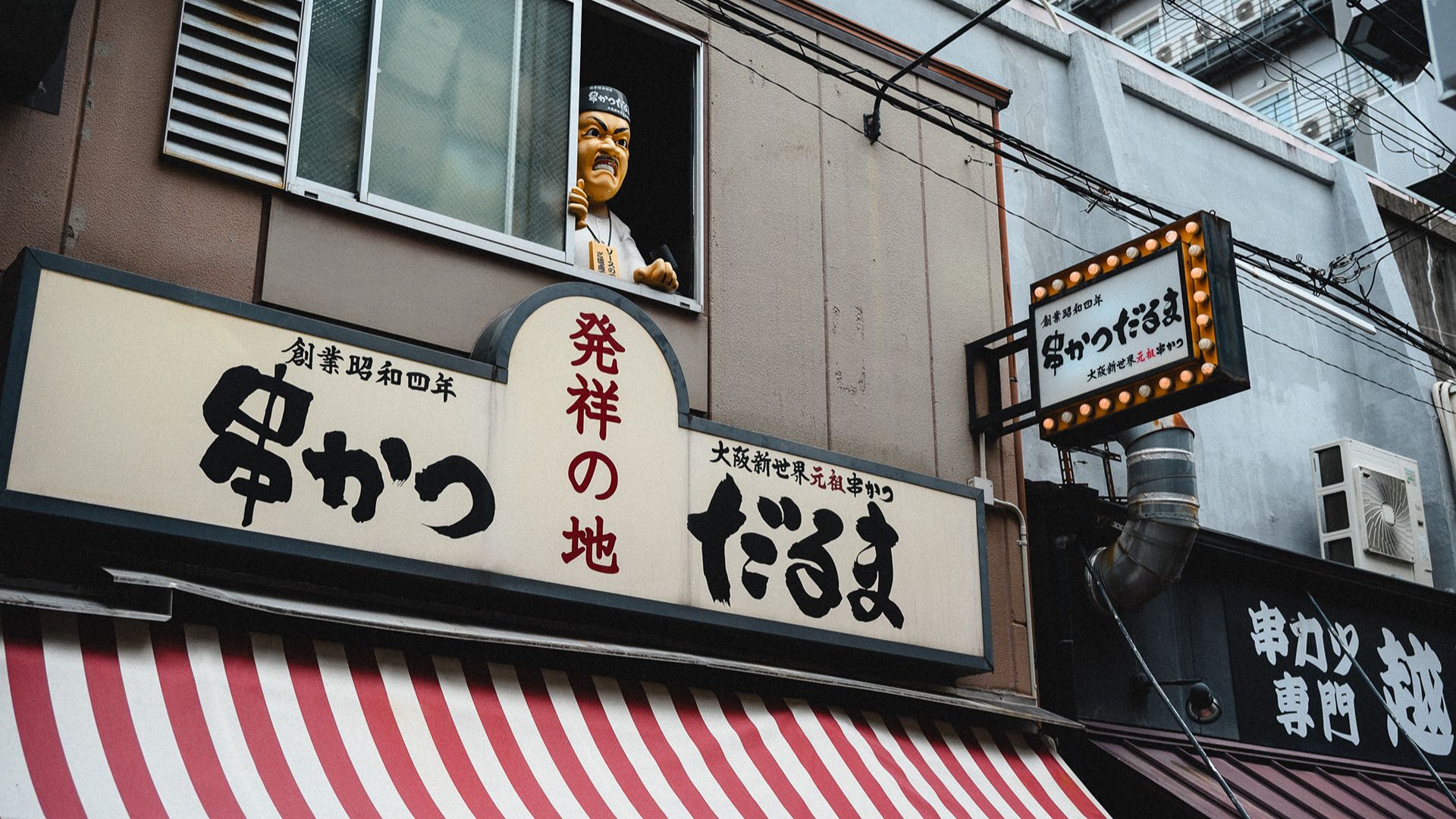
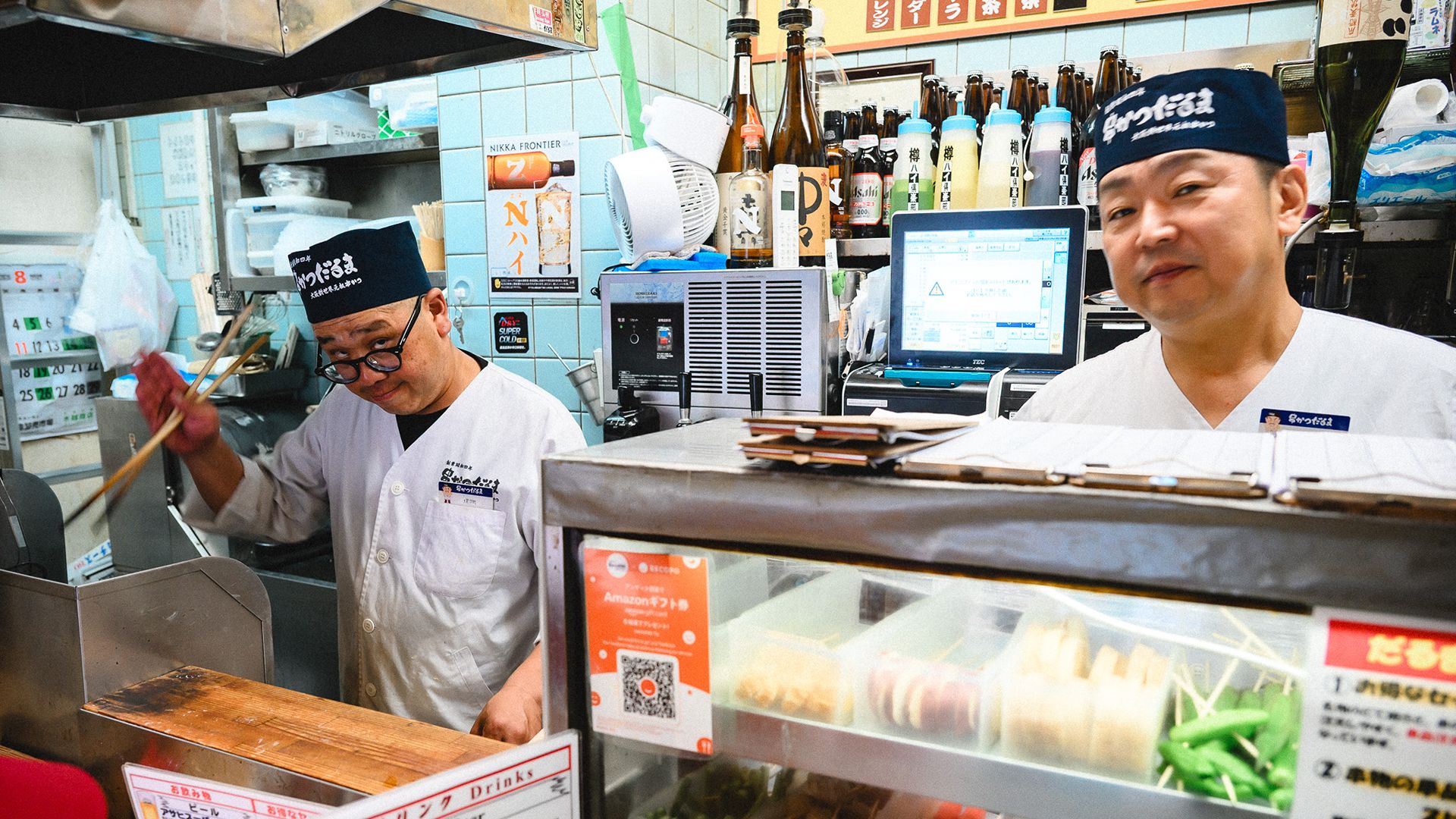
Culinary tourism analysts note that dining culture in Osaka reflects the regional populace’s unpretentious and convivial nature. Establishments specializing in kushikatsu, such as the century-old Kushikatsu Daruma chain, emphasize communal dining experiences, lively banter between chefs and patrons, and strict adherence to local dining etiquette—most notably the universal prohibition against double-dipping skewered items into communal vats of Worcestershire-based sauce.
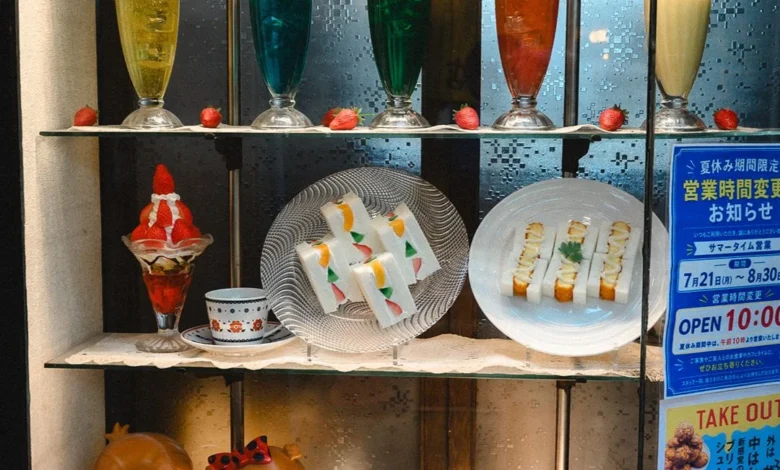
Furthermore, Osaka’s culinary scene is heavily influenced by a cultural ethos of frugality and resourcefulness. A prominent local example is the ubiquitous consumption of mikkusu jusu (mixed juice), a beverage historically invented by cafe owners who blended overripe, unsold premium fruit to prevent economic waste. Similarly, neighborhood markets such as Kuromon Market maintain their historic function as communal trading posts where residents acquire fresh seafood and produce at localized price points, resisting the aggressive gentrification and tourist-inflated pricing observed in other global culinary capitals.
The Rise of Otaku Culture in Den Den Town
Beyond its culinary prowess, Osaka accommodates diverse subcultures through districts like Nipponbashi, commonly known as Den Den Town. Similar to Tokyo’s Akihabara district, Den Den Town evolved from a localized cluster of post-war electronics vendors and radio parts shops into a prominent epicentre for otaku culture—communities dedicated to anime, manga, retro gaming, and collectible pop culture artifacts.

The coexistence of retro-gaming arcades, rare collectible shops, and traditional commercial arcades (shotengai) illustrates Osaka’s capacity to preserve distinct historical layers simultaneously. These covered shopping streets, many of which retain storefronts and merchandising styles from the mid-to-late Showa era, act as community anchors where multi-generational businesses operate alongside long-standing neighborhood gathering spaces.
Broader Implications for Global Tourism Trends
Tourism industry experts suggest that the growing popularity of unscripted, neighborhood-focused urban tours in cities like Osaka reflects a broader paradigm shift in international travel behavior. Travelers are increasingly fatigued by over-tourism at iconic global landmarks, driving demand for authentic, localized experiences that facilitate genuine interpersonal connection and cultural comprehension.
The appeal of Osaka lies precisely in its rejection of manufactured perfection. As travelers move away from checklist tourism toward experiential discovery, destinations that celebrate their authentic imperfections, historical resilience, and community-driven identities are poised to define the future of international mobility. Through its unpretentious culinary traditions, preserved working-class neighborhoods, and famously direct populace, Osaka offers a blueprint for sustainable, culturally grounded urban tourism in the twenty-first century.