The Ultimate Coastal Corridor: Navigating the Scenic and Cultural Evolution of Croatia’s Zagreb-to-Dubrovnik Route


The overland and maritime journey bridging Croatia’s continental capital of Zagreb and its southern medieval masterpiece, Dubrovnik, has long stood as one of southeastern Europe’s most dynamic corridors. While standard commercial tour itineraries frequently compress this expansive geographic arc into high-speed, check-list-driven excursions, regional travel analysts, long-term expatriates, and local tourism boards increasingly advocate for a measured, immersive approach. Spanning nearly 600 kilometers by road—and intersecting a complex matrix of Adriatic islands, national parks, and historic coastal enclaves—the route encapsulates the profound geographical and cultural shifts defining modern Croatia’s tourism economy.
Geographical Scope and Structural Logistics

To understand the logistical profile of the Zagreb-to-Dubrovnik corridor, transportation planners point to a diverse infrastructure blending modern continental highways with complex maritime networks. Motorway transit via the A1 highway links Zagreb directly to the Dalmatian coast, while coastal arterial roads like the Adriatic Highway (Jadranska Magistrala) offer scenic, albeit winding, alternatives. However, incorporating the island archipelagos—such as Rab and Korčula—introduces a multi-modal transit requirement dependent on state-operated and private ferry lines, catamaran services, and localized tender operations.
During the peak summer tourism window, which historically extends from June through September, traffic volume along these transit arteries surges significantly. National transport data indicates that coastal bottlenecks near major hubs like Zadar, Šibenik, and Split frequently experience congestion, prompting travel experts to recommend alternative pacing strategies. Utilizing boutique small-ship cruises or organized coastal catamarans has emerged as a structurally efficient alternative for travelers aiming to bypass the logistical frictions of vehicle rentals, ferry reservations, and daily hotel check-ins.
Chronological Evolution of the Route

The historical development of the Zagreb-to-Dubrovnik axis reflects Croatia’s broader political and economic transition over the past three decades. Following the stabilization of the region in the late 1990s, foreign and domestic investment steadily transformed the corridor from a fragmented regional transit path into an integrated tourism product.
In the early 2000s, foreign visitors primarily frequented major urban centers, leaving secondary coastal towns and northern islands relatively insulated from mass tourism. By 2013—marking Croatia’s accession to the European Union—infrastructure modernization accelerated dramatically, spearheaded by the completion of major highway extensions and, more recently, the opening of the Pelješac Bridge in 2022, which physically connected the southern exclave of Dubrovnik to the rest of the national mainland without crossing foreign territory (Bosnia and Herzegovina). This engineering milestone fundamentally altered transit times and vehicle flow, shifting travel patterns toward a more cohesive national itinerary.
Urban Anchors: Zagreb and Northern Gateways

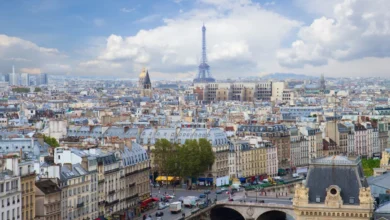
The journey traditionally commences in Zagreb, an inland metropolis characterized by its Austro-Hungarian architectural heritage, café culture, and museum networks. Unlike the high-intensity coastal hotspots, Zagreb serves as a low-friction entry point for international arrivals. Tourism sector reports indicate that visitors spending at least 24 to 48 hours in the capital benefit from a more gradual cultural acclimation, engaging with seasonal gastronomy at establishments like Pod Zidom Bistro and local venues in the historic Upper Town (Gornji Grad) before confronting the Mediterranean coastal climate.
Proceeding westward and southward toward the Kvarner Gulf, travelers encounter Opatija, a historic health resort destination that flourished during the late 19th century under the Austro-Hungarian Empire. Renowned for its grand Belle Époque villas, manicured botanical gardens, and the 12-kilometer Lungomare coastal promenade, Opatija maintains an atmosphere of old-world elegance distinct from the medieval stone architecture of southern Dalmatia.
Further offshore, the island of Rab introduces early Adriatic maritime history, characterized by its distinctive four Romanesque church bell towers and a landscape that uniquely combines rugged karst terrain with rare natural sandy beaches. Regional tourism boards note that Rab, alongside neighboring Kvarner islands, plays a vital role in family-oriented tourism demographics due to its accessible, shallow shoreline ecosystems.

Central Dalmatia: Heritage, Parks, and Coastal Hubs
As the corridor descends into central Dalmatia, urban density and historical density converge in Zadar and Šibenik. Zadar, an ancient Roman municipium, seamlessly blends classical antiquities with avant-garde public installations. The city’s modern waterfront features the Sea Organ (Morske Orgulje)—an architectural sound sculpture that converts wave energy into harmonic tones—and the Sun Salutation (Pozdrav suncu), both designed by architect Nikola Bašić. These installations have transformed Zadar’s Riva into a case study in contemporary urban revitalization, drawing architectural tourists alongside traditional history enthusiasts.
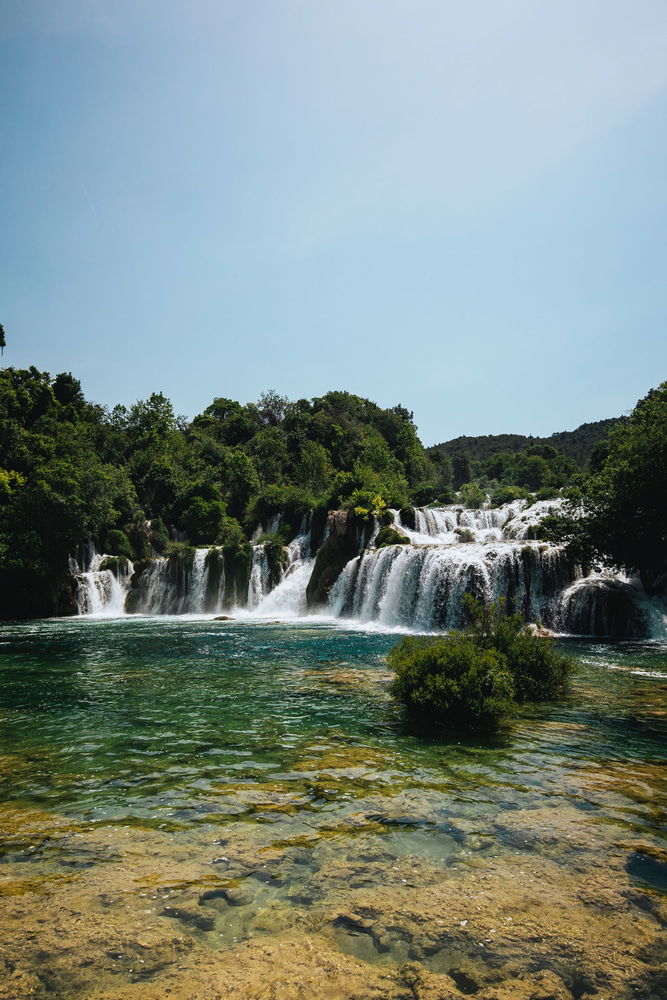
Inland from the coast, Krka National Park represents a cornerstone of Croatia’s environmental conservation strategy. Spanning over 109 square kilometers along the Krka River, the park is globally recognized for its series of travertine waterfalls, most notably Skradinski Buk. Visitor management data from public institutions highlights the ecological balancing act required to protect these sensitive freshwater ecosystems against over-tourism. Implementation of strict daily visitor caps, designated wooden boardwalk routing, and the prohibition of swimming in specific travertine zones reflect a regulatory shift toward sustainable environmental stewardship.

Adjacent to the park, the historic city of Šibenik offers a vital cultural anchor, highlighted by the UNESCO-listed Cathedral of St. James (Katedrala sv. Jakova), constructed entirely of stone without mortar joints during the 15th and 16th centuries. Šibenik’s culinary landscape has likewise evolved, gaining international recognition through establishments like Pelegrini, which marries traditional Dalmatian ingredients with modern haute cuisine techniques.
Southern Archipelago and the Dubrovnik Climax
Moving past the central hub of Split, the route extends to the island of Korčula. Reputed to be the birthplace of the explorer Marco Polo, Korčula’s walled old town exhibits a distinct medieval fishbone street layout designed to optimize sea breezes while deflecting harsh winter winds. Often cited as a calmer, more compact alternative to Dubrovnik, Korčula attracts travelers seeking a balance between historical preservation and accessible island recreation, supported by indigenous winemaking traditions centered around the Grk and Pošip grape varieties.

The corridor culminates in Dubrovnik, historically known as the Republic of Ragusa. Commanding a strategic maritime position on the southern Adriatic, Dubrovnik’s imposing 16th-century stone fortifications remain one of Europe’s most intact defensive military architectures.
Economic and Socio-Political Implications
The heavy concentration of tourism capital along the Zagreb-Dubrovnik axis presents complex socio-economic challenges for municipal planners. Overtourism in Dubrovnik has prompted local authorities to implement stringent capacity controls, including the "A City Safe" (Pametni Grad) initiative, which utilizes AI-powered cameras to monitor crowd density in the historic center and regulate cruise ship disembarkation schedules.
Furthermore, real estate pressures, seasonal labor shortages, and infrastructural wear along the Adriatic corridor remain central topics of debate within the Croatian Ministry of Tourism and Sport. Experts emphasize that dispersing visitor flows toward inland regions, northern islands like Rab, and secondary historical cities like Šibenik and Zadar is not merely a marketing strategy, but a structural necessity for long-term economic sustainability.
Conclusion: A Corridor of Contrasts
Ultimately, traversing the landscape between Zagreb and Dubrovnik offers a cross-section of Croatia’s diverse environmental and cultural identities. Whether navigated via independent vehicle transit, public bus networks, or boutique maritime vessels, the journey underscores a broader national transition: moving away from rapid, volume-driven tourism toward a sustainable, heritage-focused travel model that honors both the continental heritage of the north and the maritime legacy of the Adriatic south.
Related posts: