A Holiday Season of Giving: How One Local Family Transformed District Budget Gaps into a 44-Book Library Donation for Title I Schools

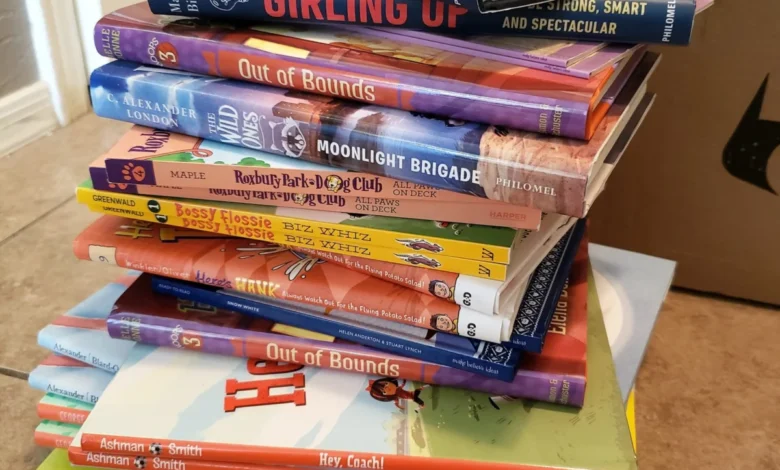
The holiday season traditionally prompts a surge in charitable giving, inspiring individuals and families to look beyond their immediate households and contribute to the welfare of their broader communities. While annual traditions such as participating in the Salvation Army Angel Tree program or donating toys to the Boys and Girls Club Stuff the Bus campaign remain staples of festive philanthropy, some community members are finding innovative ways to address more systemic educational disparities. This holiday season, one local family redefined community outreach by leveraging online discount platforms and a child-led philanthropic vision to secure dozens of new hardcovers for underfunded school libraries within their district.
Uncovering the Disparity: The Genesis of a Community Initiative
The initiative originated during a routine district Parent Teacher Association (PTA) meeting, where representatives gathered to discuss operational needs across various campuses. During the proceedings, a lone representative for a local Title I school—institutions that receive federal funding to assist children from low-income families—revealed a stark reality: their school library was practically devoid of books.

The representative explained that securing even basic educational resources and monetary donations posed an insurmountable challenge due to the severe financial limitations of the surrounding neighborhood. For the family in attendance, whose child attends a well-resourced school within the exact same administrative district, the revelation highlighted a profound inequity in public education funding and resource allocation. Recognizing that geographical lines within the same school district should not dictate a child’s access to fundamental learning tools, the family resolved to take immediate corrective action.
Strategic Sourcing: Maximizing Impact Through Discount Platforms
Faced with tight personal holiday budgets yet determined to make a tangible difference, the organizers began researching cost-effective procurement strategies tailored to bulk purchasing. Their search led them to BookOutlet.com, an online retailer specializing in bargain literature. The inventory typically consists of publisher overstock, unsold retail returns, and books with minor cosmetic imperfections that are heavily discounted.
Through this platform, the family discovered new hardcover titles priced as low as $0.69. Utilizing strategic shopping methods, they curated a diverse collection of 44 bargain books. The most expensive individual title in the haul cost only $1.29. By capitalizing on free shipping incentives for orders exceeding $35, the entire literary haul totaled precisely $40. This approach demonstrated a high return on investment for charitable dollars, proving that strategic purchasing can drastically amplify the volume of goods delivered to communities in need.

A Child-Led Decision and Logistics Challenges
Upon the delivery of the 44-book shipment, the organizers presented their young son with a moral and philanthropic choice: the books could be kept for personal use, donated to his own well-supplied neighborhood school, or distributed between two distinct Title I schools in the district.
Without hesitation, the child opted to support the two underfunded Title I institutions, cementing a lesson in empathy and civic responsibility. However, the logistics of holiday supply chains introduced an unforeseen hurdle. Due to seasonal shipping congestion and carrier delays across the nation, the package arrived at the family’s residence precisely one day after the local schools had closed their doors for winter break. Despite this minor timing setback, the family prepared the collection to serve as a surprise welcome-back gift for students and faculty upon their return to classrooms in the new year.
Expanding the Mission: Leveraging Cash-Back Programs for Philanthropy
To scale the impact of their initial $40 investment, the organizers sought to harness digital affinity programs. By integrating the cash-back platform Rakuten into the procurement process, consumers can earn financial rebates on everyday digital purchases while simultaneously driving charitable contributions.

The organizers utilized a structured referral mechanism where new platform registrations yield a $10 cash-back incentive for the user, alongside a 5% cash-back rebate on orders placed through BookOutlet.com. To incentivize community participation, the family pledged an additional $10 worth of books to Title I libraries for every individual who signed up for the platform using their designated referral link. This strategy transformed a private act of kindness into a scalable community campaign, generating supplementary funds through consumer technology.
Broader Implications: Addressing Educational Equity in Public Schools
The grassroots book drive underscores a growing reliance on community-level intervention to bridge resource gaps in public education. Title I schools frequently encounter structural funding deficiencies that impact non-instructional essentials, such as library upkeep, extracurricular supplies, and supplemental reading materials. While federal and state grants cover foundational operational costs, discretionary items that foster a culture of reading often depend heavily on external philanthropy, book fairs, and corporate sponsorships.
Education advocates note that access to diverse, high-quality print materials is directly correlated with improved literacy rates and academic achievement among low-income students. When school libraries lack current inventories, students miss critical opportunities for independent reading development outside of structured classroom instruction. Initiatives like the one launched by this local family highlight both the vulnerability of underfunded school libraries and the profound capacity of individual citizens to enact localized reform.

A Call to Action for Sustainable Community Engagement
Moving forward, the organizers hope to decouple the spirit of giving from the traditional constraints of the holiday calendar. By issuing an open challenge to the broader public, they encourage citizens to support local school libraries year-round through targeted book donations, digital fundraising, and advocacy at school board meetings.
As public school districts navigate ongoing budget constraints and shifting economic landscapes, innovative micro-philanthropy models offer a viable pathway toward educational equity. Whether through sourcing bargain inventory online or mobilizing digital networks for matching funds, small-scale interventions collectively build a more resilient foundation for student success across all neighborhoods.