Madrid has cemented its status as a premier European destination, evolving from a traditional administrative capital into a global hub for art, gastronomy, and urban lifestyle. As the largest city in Spain and the third-largest in the European Union, Madrid serves as the administrative, political, and cultural heartbeat of the nation. With a metropolitan population exceeding 6.7 million, the city offers a unique synthesis of historical preservation and modern urban development that continues to draw record numbers of international tourists.
Historical Context and Urban Development
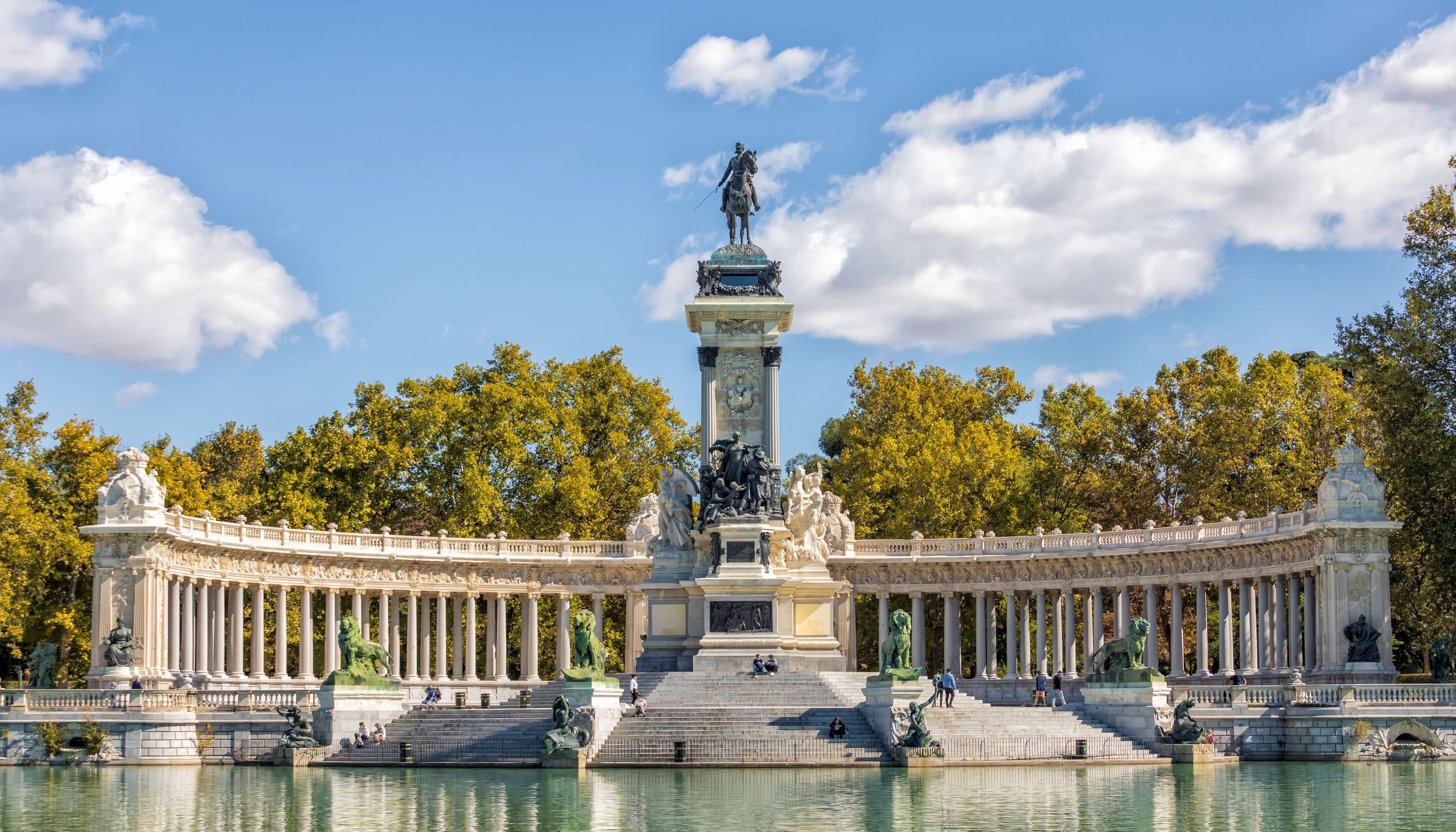
The history of Madrid as a capital city dates back to 1561, when King Philip II moved the Spanish court from Toledo to this central plateau. Since then, the city has expanded from a medieval fortress into a sprawling metropolis. Unlike coastal Spanish cities that often prioritize tourism-heavy infrastructure, Madrid’s development has remained focused on its function as a central node for the Iberian Peninsula’s rail and road networks.
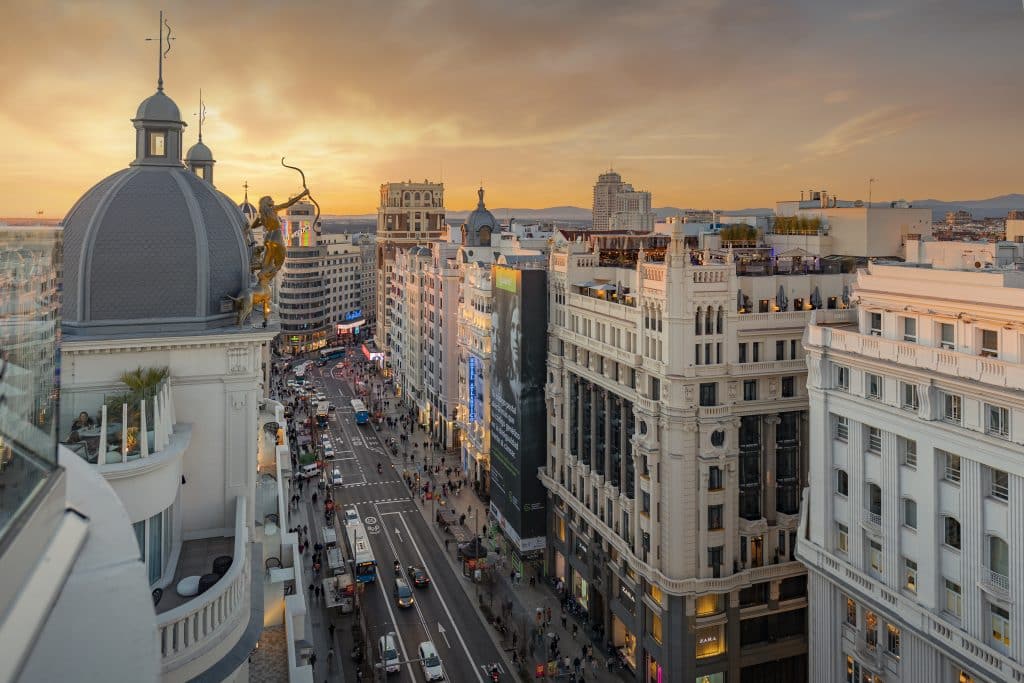
The city’s urban layout, characterized by grand boulevards like the Gran Vía and historic plazas such as the Plaza Mayor, reflects a commitment to architectural preservation. Recent municipal initiatives, such as the Madrid 360 Environmental Sustainability Strategy, aim to modernize the city center by promoting low-emission zones and expanding pedestrian-only areas, ensuring that the historic core remains accessible and livable for both residents and visitors.
The Economic and Cultural Engine of the Golden Triangle
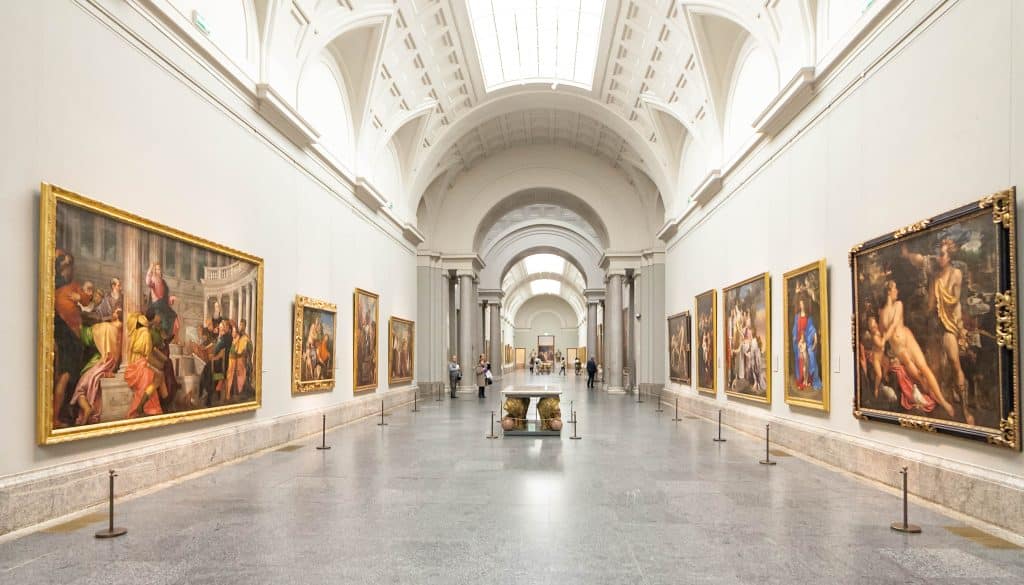
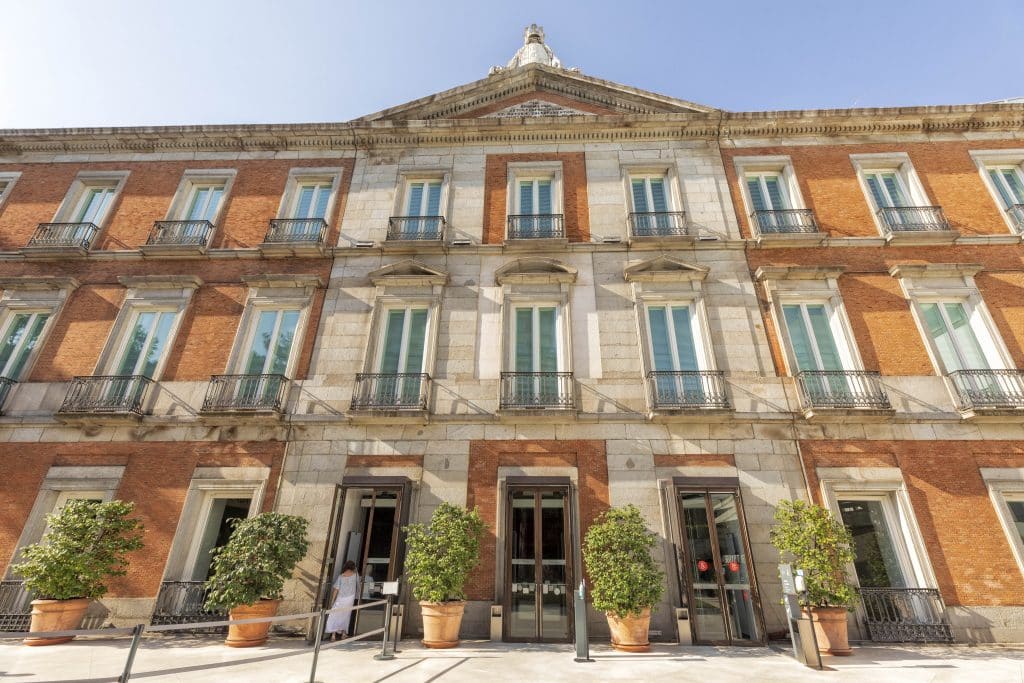
Madrid’s reputation as an artistic powerhouse is anchored by the "Golden Triangle of Art," a dense concentration of world-class institutions located within a short walking distance of one another. The Prado Museum, the Reina Sofía National Museum and Art Center, and the Thyssen-Bornemisza National Museum collectively hold some of the most significant collections of Western art in existence.
Statistical data from the Madrid tourism board indicates that the city’s museum sector serves as a primary driver for the regional economy. The Reina Sofía alone regularly records over 3 million annual visitors, driven largely by the presence of Pablo Picasso’s Guernica. The painting, a profound commentary on the Spanish Civil War, remains a focal point of international cultural tourism. Beyond the established galleries, the city has seen a rise in independent, experimental art spaces, particularly in emerging districts like Carabanchel, signaling a diversification of the local cultural landscape.
Chronology of Modern Madrid’s Tourism Growth
The transformation of Madrid into a competitive European city-break destination follows a distinct timeline:
- 1990s–2000s: The "Museum Boom" solidified Madrid’s status as a cultural capital, with the expansion of the Reina Sofía and the opening of the Thyssen-Bornemisza.
- 2010s: A surge in high-speed rail (AVE) connectivity made Madrid the primary gateway to the rest of Spain, allowing for day-trip tourism to UNESCO sites like Toledo, Segovia, and Aranjuez.
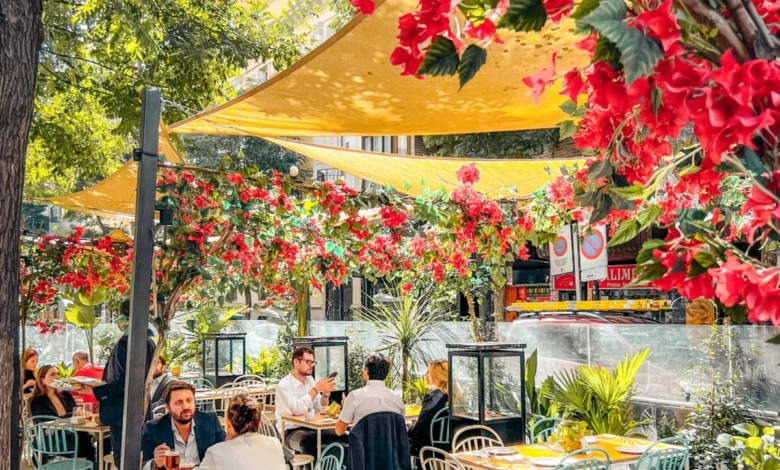
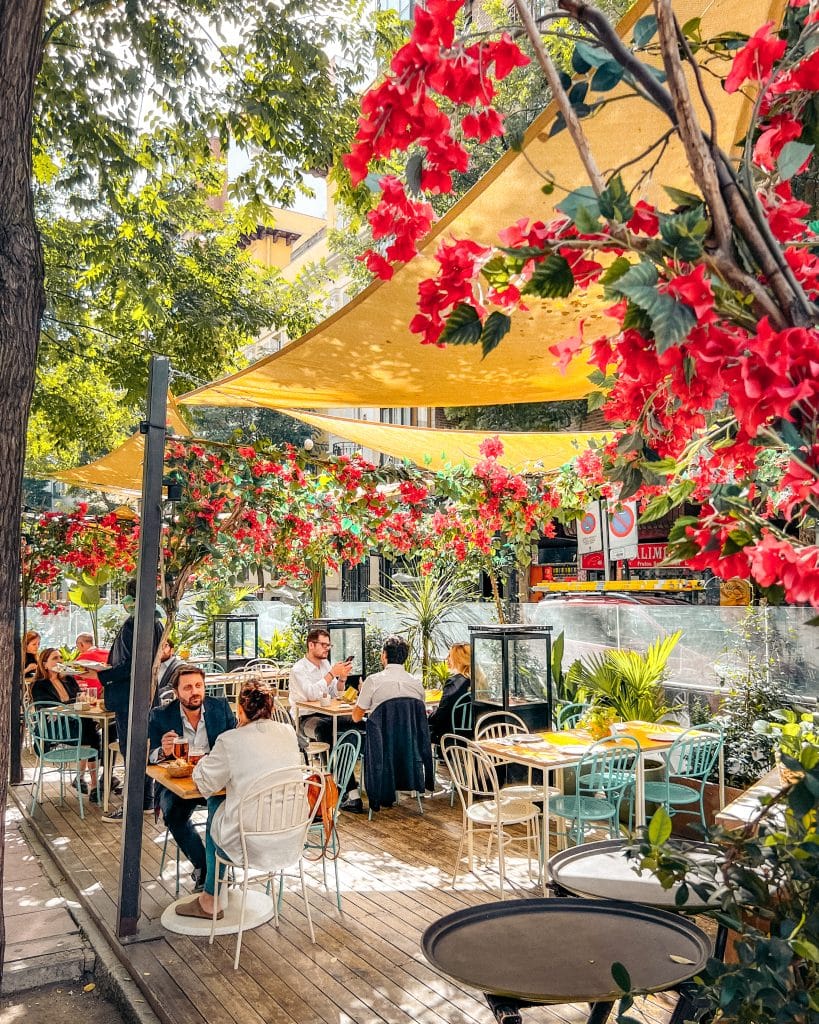
- 2020s: Despite global travel fluctuations, Madrid has aggressively marketed its "tardeo" culture—a late-afternoon social ritual—to emphasize the city’s unique, slow-paced lifestyle, distinguishing it from the high-turnover tourism models of other major European cities.
Gastronomic Significance and Industry Impact
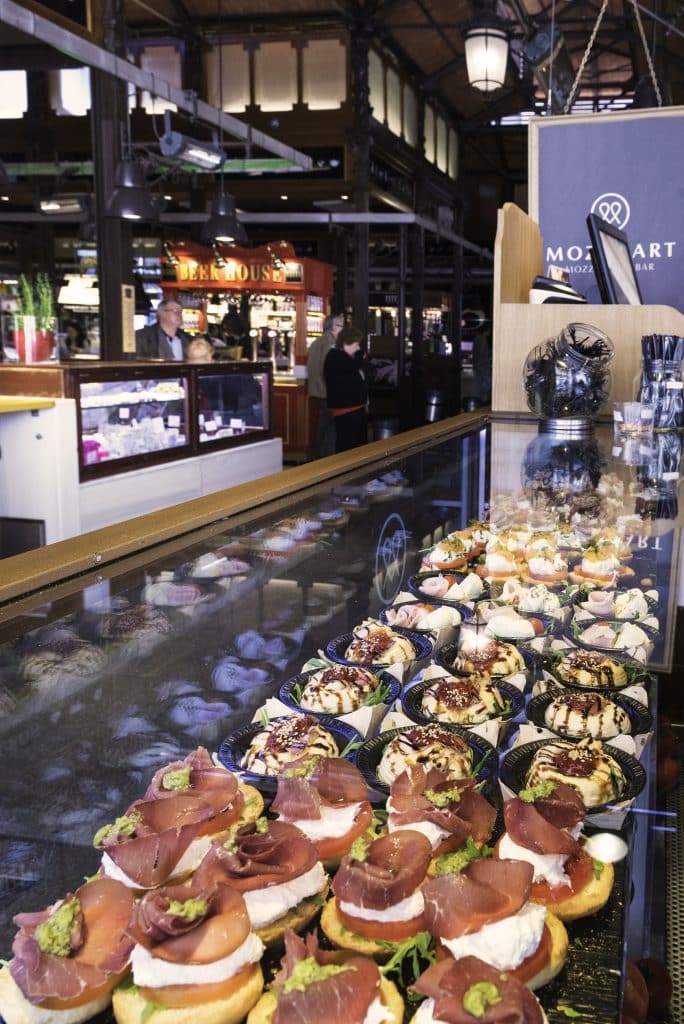
Madrid’s culinary scene is a pillar of the local economy. The city hosts over 3,000 restaurants, ranging from century-old traditional taverns to establishments holding multiple Michelin stars. The Mercado de San Miguel, a historic iron-and-glass structure, serves as a model for urban culinary markets, blending historical preservation with modern commercial activity.
Data from the Spanish Ministry of Agriculture, Fisheries, and Food highlights that gastronomy is the primary motivator for approximately 25% of visitors to Spain. In Madrid, the integration of traditional dishes—such as cocido madrileño—with innovative fine dining has created a resilient hospitality sector. Local industry analysts note that this blend of high-end and accessible food culture helps the city maintain a high level of repeat visitation compared to seasonal coastal markets.
Comparative Analysis: Madrid vs. Barcelona
While Barcelona remains the most visited city in Spain, Madrid has carved out a distinct market niche. Barcelona’s tourism is largely defined by its coastal location and Gaudí-inspired architecture. In contrast, Madrid’s appeal is based on its role as a "city of cities," with distinct neighborhoods that function as self-contained communities.
Market observers note that while Barcelona has faced challenges regarding over-tourism and regulatory caps on short-term rentals, Madrid has focused on "quality over quantity," targeting demographics interested in extended stays. This focus on long-term urban integration rather than transient tourism has allowed Madrid to maintain a higher degree of authentic local character, as evidenced by the thriving nightlife and social scene in areas like Malasaña and Chueca.
Logistics and Infrastructure
Madrid-Barajas Airport (MAD) serves as the primary gateway to the city. Its proximity to the city center, combined with an extensive metro system that consistently ranks among the most efficient in Europe, facilitates seamless movement. The city’s investment in public transit—specifically the Metro de Madrid, which spans over 290 kilometers—has been crucial in reducing traffic congestion and increasing the accessibility of outlying districts like Chamberí.
For those planning extended visits, industry experts recommend a minimum of five days to balance city exploration with the high-speed rail-accessible excursions. The connectivity provided by the RENFE rail network allows visitors to reach cities like Seville or Valencia in under three hours, further cementing Madrid’s status as the most effective base for a broader exploration of the Iberian Peninsula.
Socio-Economic Implications and Future Outlook
The shift toward Madrid as a primary European hub has significant implications for urban planning and real estate. The city’s ability to attract both remote workers and international corporate headquarters has driven a resurgence in neighborhood revitalization. As the municipal government continues to emphasize sustainable urban development, the challenge will be to balance this growth with the preservation of the "Madrileño" identity.
Local officials and urban planners suggest that the city’s future success depends on the continued diversification of its offerings. By moving beyond traditional landmarks and promoting the unique character of diverse districts, Madrid aims to mitigate the effects of concentrated tourism. The city’s resilience, characterized by its ability to operate on a schedule that prioritizes social cohesion and the local standard of living, remains its most significant competitive advantage in the global tourism market.
In summary, Madrid’s evolution into a world-class metropolis is a result of calculated infrastructural investment, a deep-rooted commitment to cultural heritage, and a social model that emphasizes human-scale interaction. As it continues to navigate the complexities of modern global tourism, the city remains a testament to the viability of urban centers that successfully integrate the needs of their residents with the expectations of an international audience.