The 2026 New York City Culinary Landscape: A Comprehensive Guide to the Season’s Most Notable Dining Destinations

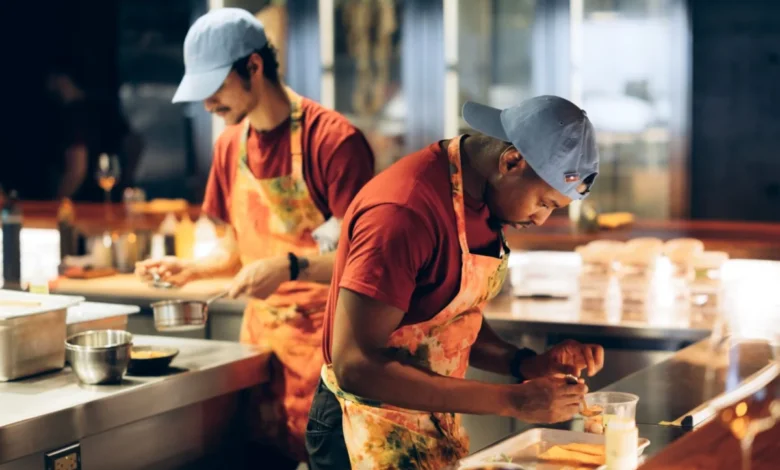
New York City remains the global epicenter of culinary innovation, a status solidified by a diverse influx of new establishments that have opened their doors over the past eighteen months. This surge in high-caliber dining reflects a broader post-pandemic stabilization in the hospitality sector, where restaurateurs are increasingly prioritizing niche, culturally specific, and high-craft concepts over traditional fine-dining models. As the city’s gastronomic map continues to evolve, the following establishments have emerged as key players, shaping the current standards for service, sourcing, and menu design.
The Evolution of the Neighborhood Bistro
The current dining landscape is characterized by a departure from the monolithic, expansive restaurant concepts of the previous decade, favoring instead "neo-bistros" and specialized taverns. This shift is particularly evident in the success of institutions like Somssi, located on MacDougal Street. Led by Ahris Kim, a veteran of the Na:Eun Hospitality group, the restaurant serves as a case study in how operators are blending traditional techniques with contemporary sensibilities. By applying the "somssi" philosophy—a Korean term for artisanal skill honed through repetition—the kitchen successfully integrates global ingredients into a framework that feels distinctly grounded in Korean culinary history.

Similarly, the arrival of Dean’s in Soho highlights the resurgence of British-inspired cuisine. While the United Kingdom has long struggled with a reputation for culinary simplicity, the current wave of London-style pubs in New York, including Dean’s, challenges this perception. By focusing on elevated staples—such as the mustard-forward Scotch egg and the technically demanding stargazy pie—the establishment has successfully tapped into a demand for high-quality, approachable comfort food that does not sacrifice culinary rigor.
Cultural Synthesis and Regional Specialization
A defining characteristic of the 2026 dining scene is the emphasis on hyper-regional authenticity. At Makina Cafe in Sunnyside, Queens, Chef Eden Egziabher has successfully transitioned from a mobile food truck model to a brick-and-mortar storefront. This evolution reflects a growing trend where culinary entrepreneurs use street-level brand building to anchor community-focused, permanent locations. The focus on Ethiopian and Eritrean cuisine, fused with the historical Italian influences prevalent in those regions, provides a specific narrative that resonates with the city’s diverse population.
This regional specificity is also present in the rise of specialized bakeries and tortillerias. Vato, in Park Slope, represents a significant investment in the infrastructure of the Mexican staple. By focusing exclusively on sourdough-based tortillas and masa-derived products, the establishment is part of a growing movement of "craft-first" Mexican restaurants that emphasize the labor-intensive process of nixtamalization. Industry analysts note that this shift toward ingredient-focused production is a direct response to consumer demand for higher nutritional value and artisanal quality.

Structural Innovations in Service and Design
The physical environment of these new restaurants has become as integral to the dining experience as the food itself. At Zoli in East Williamsburg, the integration of art and architecture is deliberate. Housed within the Amant arts campus, the restaurant utilizes a fish tank installation by artist Pierre Huyghe to create a contemplative atmosphere. This reflects a broader trend where restaurants are increasingly positioning themselves as cultural institutions rather than merely service points.
The financial model of these establishments has also faced scrutiny, particularly regarding the "Cote 550" model. As an offshoot of the established Korean steakhouse brand, the Madison Avenue location represents a trend of "luxury scaling." With higher price points than the original location and the inclusion of exclusive, high-cost ingredients like king crab, the establishment operates in the premium tier of the market. This reflects the bifurcated nature of the current New York economy, where high-end demand remains inelastic despite broader inflationary pressures.
Chronology of the 2026 Culinary Wave
The rapid succession of openings in late 2025 and early 2026 has been facilitated by the easing of commercial real estate constraints and a rebound in consumer spending in the hospitality sector.

- Late 2025: The opening of the Park Slope outpost of Il Leone, marking the transition of Maine-based sourdough pizza expertise to the Brooklyn market.
- Early 2026: The expansion of Santo Taco, with two locations opening in Manhattan within a six-month window, signaling a strategy of rapid territorial growth in the quick-service sector.
- Summer 2026: The launch of Graciela, the highly anticipated stateside project from Argentine restaurateur Pablo Rivero, which set new records for scale and operational volume in the West Village.
The Role of Beverage Programs in Revenue Stability
Strategic beverage programs have become a critical component of financial viability for new restaurants. At Lei, the wine bar in Chinatown, the wine list spans 40 pages and includes producers from Italy, Greece, and China. This move toward global, curated lists serves two purposes: it creates a distinct brand identity and drives higher profit margins compared to food-only service.
At other locations, such as I Cavallini in Williamsburg, the focus has shifted toward hyper-seasonal, low-intervention drinks. The inclusion of ingredients like sungold tomatoes and rhubarb in aperitifs suggests a move toward "culinary-forward" mixology, where the bar program mirrors the seasonality of the kitchen.
Economic Implications and Future Outlook
The expansion of these diverse culinary concepts carries significant implications for the city’s labor market and supply chains. As restaurants move toward more complex, labor-intensive dishes—such as the hand-rolled noodles at Lei or the fermentation-heavy menu at Fish Cheeks Brooklyn—the demand for skilled labor continues to outpace supply. This has led to a noticeable increase in menu pricing, which operators argue is a necessary adjustment to maintain high-quality sourcing and equitable wages.

Industry stakeholders emphasize that the current surge in dining is not merely a result of post-pandemic pent-up demand but a fundamental shift in how New Yorkers engage with the city’s food culture. There is a clear move away from the "event dining" of the 2010s toward a more frequent, neighborhood-centric model of consumption.
Conclusion: A City in Flux
The 2026 culinary landscape is marked by a blend of nostalgia and technical innovation. Whether it is the revival of the British pub, the deepening of regional Mexican traditions, or the sophisticated evolution of Polish market-dining at Pierogi Boys, the common thread is a commitment to depth. As New York City moves into the latter half of the decade, the restaurants that prioritize both their specific cultural lineage and the quality of their physical and service environments are likely to remain the most resilient. The sector continues to serve as a bellwether for the city’s broader economic and social vitality, proving that even in a competitive and high-cost environment, the demand for excellence in hospitality remains robust.