The 19-Year Erosion of Ko Lipe: How an Untouched Thai Paradise Succumbed to the Pressures of Overdevelopment


The idyllic Thai island of Ko Lipe, once celebrated as a remote sanctuary for intrepid travelers navigating the Andaman Sea, has become a focal point in the ongoing debate concerning sustainable tourism and ecological degradation in Southeast Asia. Recent evaluations of the island reveal a stark transformation over the past two decades, shifting from a secluded backpacker haven with limited electricity and rudimentary infrastructure into a densely built, commercially driven resort destination mirroring the trajectory of heavily impacted locations like Ko Phi Phi.
This evolution highlights systemic challenges in managing natural resources, protecting marine ecosystems, and balancing local economic development against the rapid influx of mass tourism.
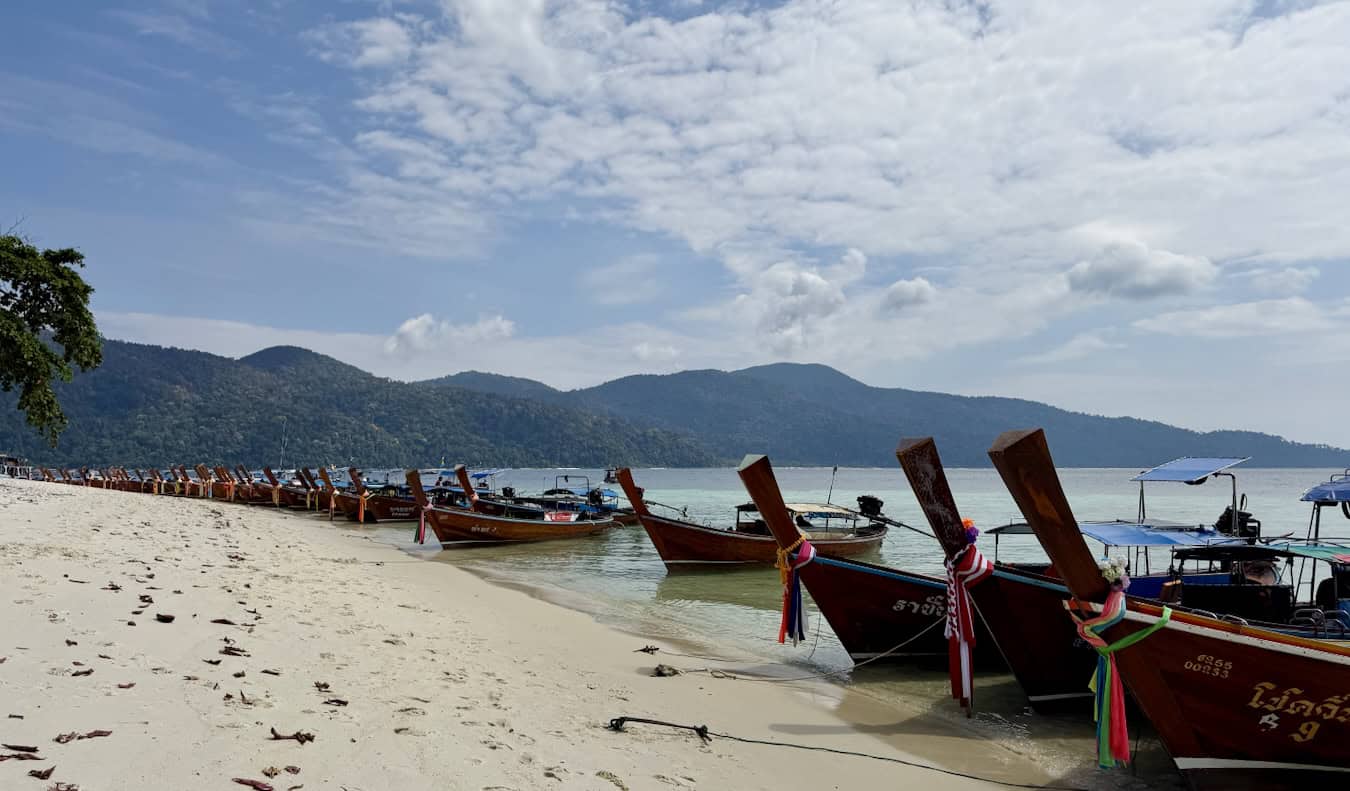
Chronology of Transformation: From 2006 to 2026
In 2006, Ko Lipe operated largely off the grid. Basic bamboo and wood bungalows lined the beachfront for nominal nightly rates, while electrical generation was typically restricted to a few evening hours. The island’s remote geography required deliberate logistical effort to reach, fostering an environment defined by slow-paced, low-impact travel. Interactions were largely localized, centered around a handful of local establishments, traditional footpaths, and pristine, undisturbed natural surroundings.
Over the ensuing 19 years, however, regional tourism policies and aggressive infrastructure investments reshaped the island’s landscape. The traditional dirt paths that once connected local settlements have been systematically paved over with concrete to accommodate motorized vehicles and heavy construction machinery. Swaths of native palm vegetation have been cleared to facilitate the rapid construction of multi-story resorts and hospitality complexes.
This physical expansion has outpaced the island’s natural carrying capacity. Most notably, Ko Lipe lacks a significant natural freshwater table or municipal water supply, placing immense pressure on desalination and transport systems to support swimming pools and high-end resort amenities. Furthermore, the surrounding marine environment—anchored within the broader Tarutao National Marine Park ecosystem—has experienced measurable degradation. Coral reefs have suffered severe bleaching and physical damage resulting from intensive boat traffic, improper anchoring, localized pollution, and overfishing.
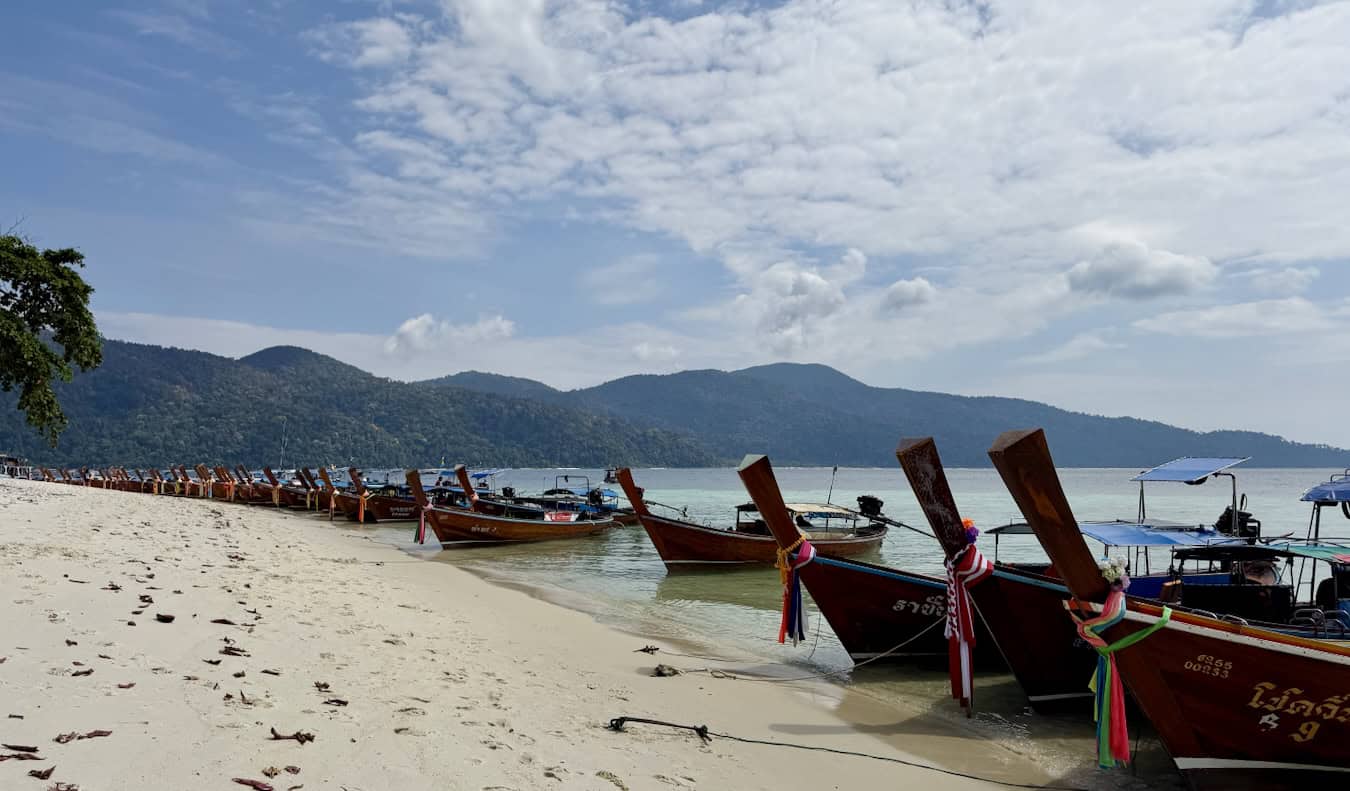
Socioeconomic Implications and Local Displacement
The rapid economic boom of Ko Lipe has generated complex socioeconomic shifts for the local community. Historically, the island was home to a tight-knit population of sea gypsies (Chao เลย์ or Urak Lawoi) and local residents whose livelihoods revolved around traditional fishing and small-scale trade.
As land values escalated exponentially over the decades, many indigenous families faced mounting financial pressures, leading to the widespread sale of ancestral properties to mainland developers and corporate hospitality chains. Consequently, a significant portion of the island’s current workforce is imported from the Thai mainland or neighboring regions, with minimal retention of tourism revenues among the original indigenous inhabitants. Analysts studying the region note that while the island generates substantial commercial turnover, the distribution of economic benefits remains heavily skewed away from local communities and toward external investors.
Comparative Analysis: The Broader Thai Tourism Crisis
Ko Lipe’s trajectory reflects a broader pattern observed across Thailand’s Andaman coast, including prominent destinations such as Phuket, Krabi, and Ko Phi Phi. Academic and environmental assessments frequently categorize this model as reactive rather than proactive management, wherein infrastructure development precedes comprehensive environmental impact assessments.
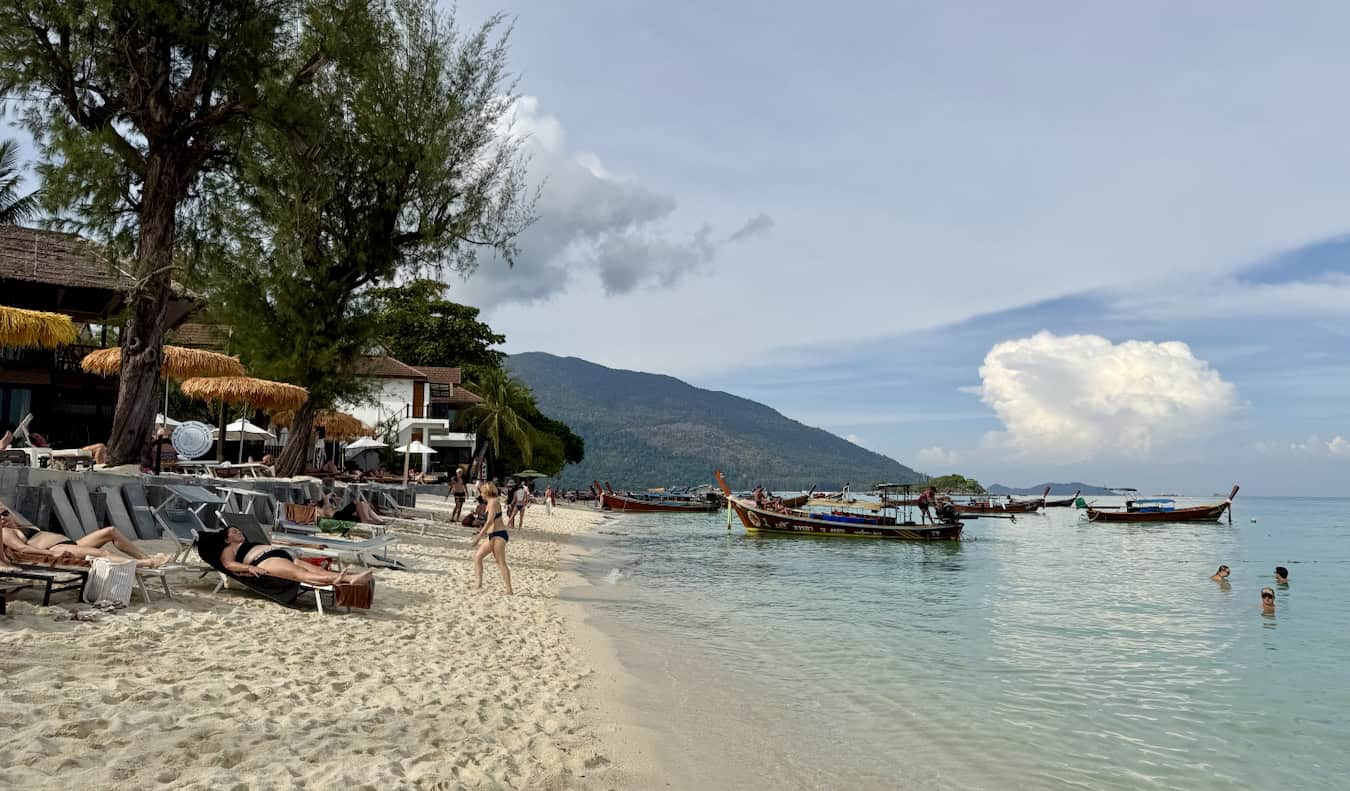
While first-time visitors frequently praise Ko Lipe for its striking white-sand beaches, crystal-clear azure waters, and proximity to protected marine sanctuaries, environmental watchdogs emphasize that aesthetic appeal often masks deep-seated structural vulnerabilities. The accumulation of untreated wastewater, solid waste management constraints, and heavy marine vessel emissions continue to pose severe threats to the long-term viability of the local ecosystem.
Environmental economists and sustainable tourism advocates argue that traditional market forces alone are insufficient to reverse these trends. Without stringent regulatory caps on visitor numbers, mandatory environmental compliance for developers, and enforced marine protection zones, the degradation of vulnerable island ecosystems is projected to accelerate.
Industry Response and Alternative Recommendations
In response to visible ecological strain, conservation groups and seasoned travelers have increasingly advocated for alternative destinations within the region that exhibit more rigorous municipal planning and lower visitor density. Locations such as Ko Lanta, Ko Jum, and Ko Mook are frequently cited by sustainable travel researchers as models where community-led tourism frameworks have better preserved local environments and distributed economic gains equitably.
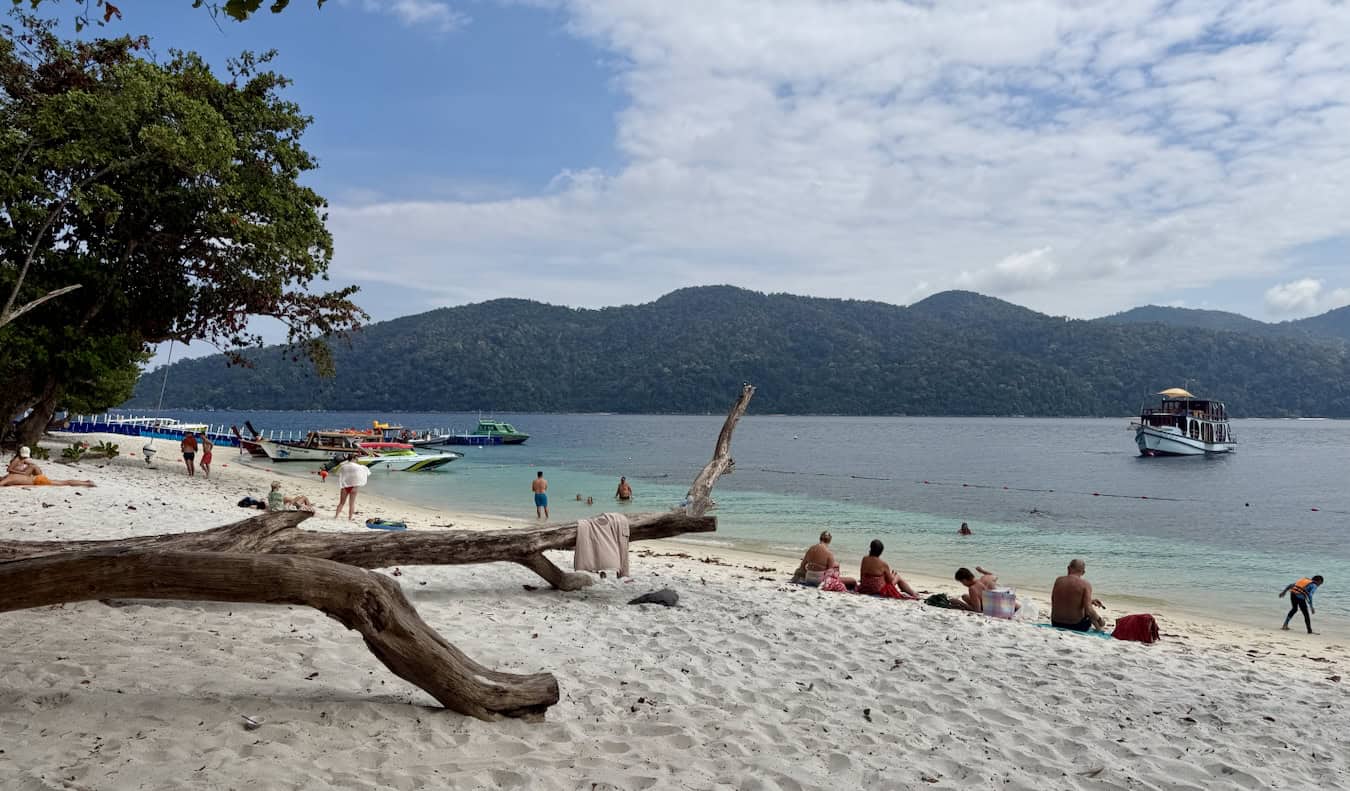
The situation on Ko Lipe underscores a growing consensus among international travel analysts: consumer awareness and deliberate travel choices play a critical role in shaping industry standards. Historical shifts in consumer behavior—such as the widespread rejection of captive elephant tourism and the rising demand for certified eco-lodges—demonstrate that collective consumer pressure can influence commercial practices.
Nevertheless, reversing decades of hard infrastructure development on a geographically isolated island remains exceptionally difficult. As policymakers and environmental advocates weigh the future of Thailand’s coastal resources, Ko Lipe stands as a cautionary case study of the hidden costs of rapid, unmanaged tourism growth in fragile island ecosystems.