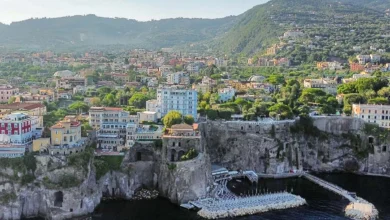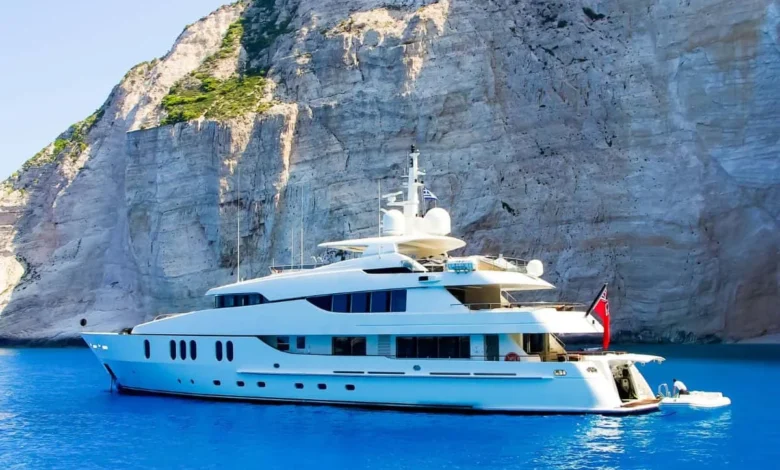
When affluent travelers begin planning a Greek yacht charter, the conversational baseline almost invariably gravitates toward the sun-bleached, wind-whipped expanses of the Cyclades. Mykonos and Santorini remain the global touchstones of Greek maritime tourism, heavily marketed and instantly recognizable. However, seasoned charter brokers and maritime industry experts report a notable shift in consumer behavior. A significant demographic of repeat visitors—those who have experienced the bustling calderas and high-energy beach clubs of the Aegean at least once—are increasingly inquiring about alternative destinations that offer seclusion, stable weather, and a distinct visual landscape.
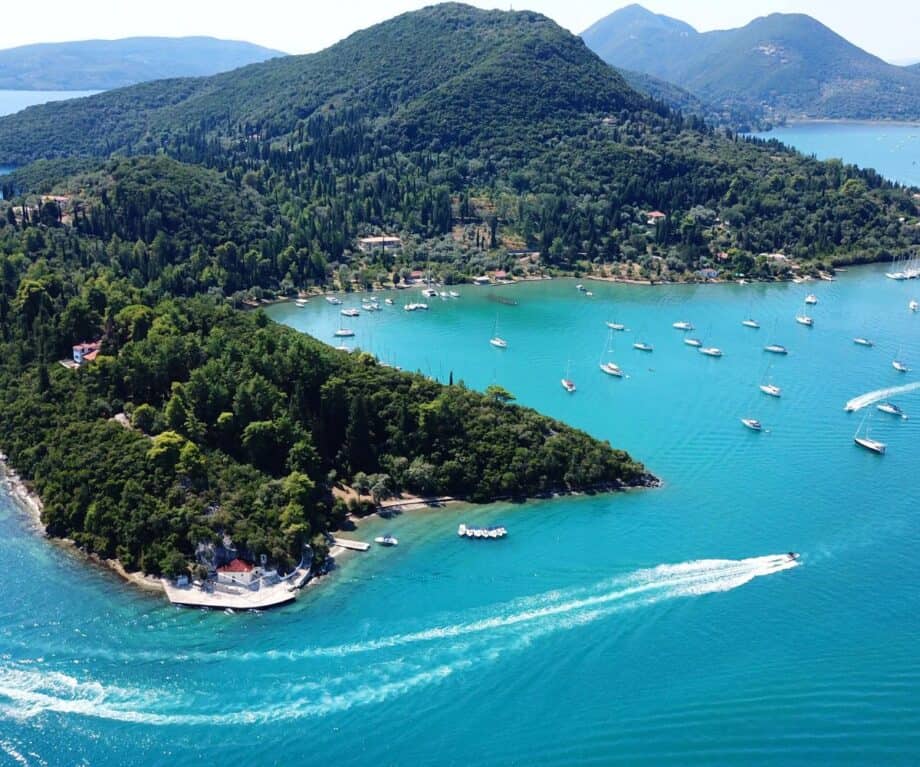
For yacht brokers operating in the luxury sector, this shift frequently points toward the Ionian Sea, situated off Greece’s western coast. While the nation remains constant, alongside the high standard of local gastronomy and fresh seafood tavernas, the Ionian presents an entirely distinct maritime environment. Unlike the Cyclades, which are notorious for the fierce meltemi winds that roar across the Aegean during the peak summer afternoons, the Ionian offers a gentler, more predictable meteorological pattern. The waters here boast a distinctive, lit-from-below clarity, framed not by scorched, whitewashed cube houses, but by dense pine forests sweeping down to the water’s edge.
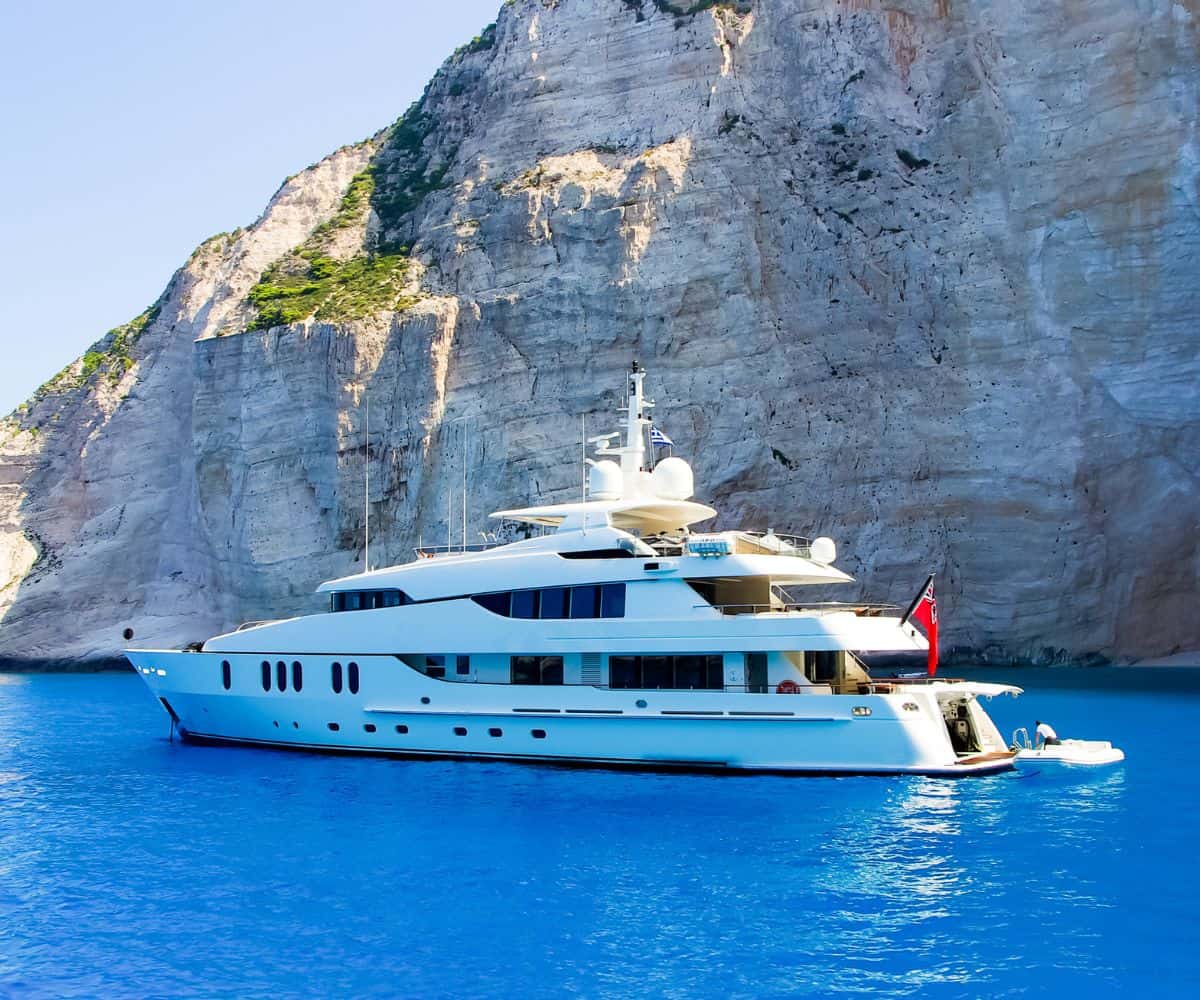
The Ionian Advantage: Weather Stability and Geography
The meteorological profile of the Ionian Sea serves as one of its primary operational advantages for yacht captains and charter guests alike. While the Aegean can experience sudden wind surges exceeding 30 knots in July and August—frequently disrupting itineraries and confining vessels to port—the Ionian benefits from a steady, manageable breeze system. This stability allows for comfortable cruising from May through October, significantly reducing the late-season gamble often associated with Aegean charters where a sudden weather system can compromise a booked week.
Furthermore, the geography of the Ionian lends itself to efficient, relaxed cruising. A standard seven-day itinerary starting from key bases such as Lefkas or Corfu allows guests to explore three to four distinct islands without enduring exhausting open-water passages. In contrast, attempting a similar multi-island itinerary in the Cyclades often results in substantial time spent navigating open swells between distant landmasses rather than enjoying anchorages.
Corfu: Historic Architecture and Strategic Infrastructure
Corfu stands as the most internationally recognized destination in the Ionian, frequently serving as a primary embarkation or disembarkation hub. However, while mass-market cruise itineraries treat the island as a brief, two-hour stopover, luxury charter guests anchoring for multiple days discover a layered destination.
The island’s Old Town features a striking architectural juxtaposition, transitioning block by block from Venetian fortifications to Georgian townhouses—a legacy of successive periods of foreign rule. On the northeastern coast, Kassiopi provides access to secluded coves that remain shielded from the larger crowds.
From a logistical standpoint, Corfu possesses a critical advantage: an international airport equipped to handle large private jets. This infrastructure allows ultra-high-net-worth individuals to transition seamlessly from private aviation to the deck of a yacht, anchoring off neighboring Paxos within hours of landing. Nevertheless, industry professionals advise that July and August bring heavy maritime traffic from mainland resort day-trips, prompting savvy travelers to target June or September to experience the region’s coastal bays in absolute tranquility.
Lefkas and Meganisi: The Modern Yachting Base
Positioned at the northern gateway of the southern Ionian, Lefkas has evolved into an optimal starting point for regional charters. The island’s primary marina is widely regarded as one of the best-managed in Greece, providing essential support for superyachts requiring rapid provisioning between charter legs.
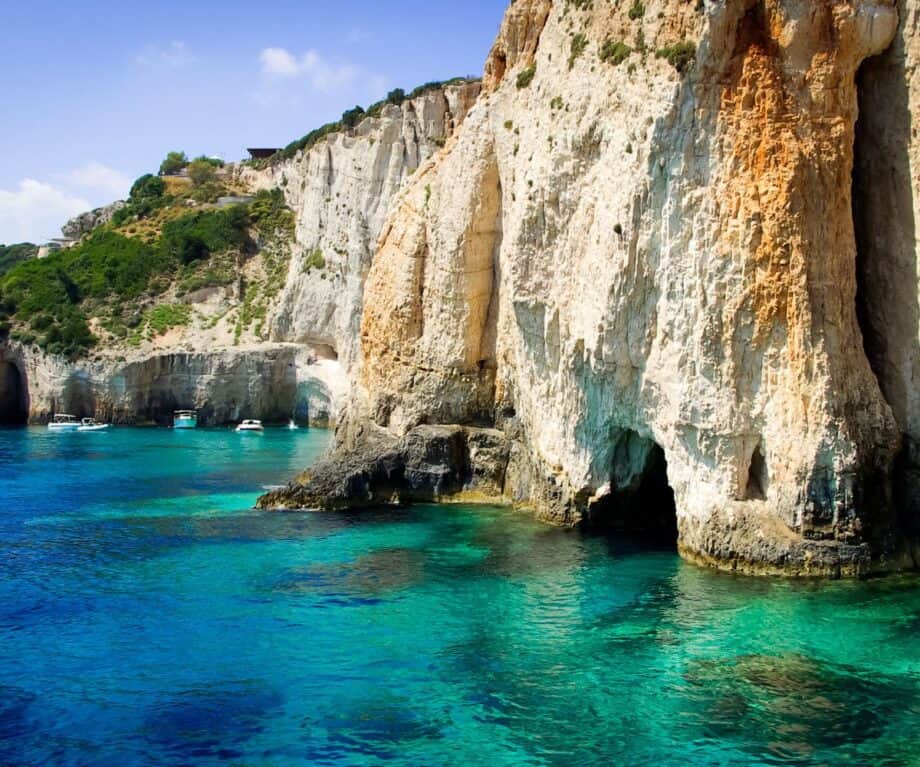
A week-long charter originating in Lefkas facilitates smooth navigation through Meganisi, Kalamos, and down toward Kefalonia without requiring long-distance open-water transits. Meganisi, in particular, remains largely undeveloped, offering secluded anchorages that present a rare sense of untouched isolation within the increasingly popular Mediterranean charter market.
Paxos, Antipaxos, and the Allure of the Turquoise Coast
No Ionian itinerary is considered complete by regional experts without a detour to the small island cluster of Paxos and Antipaxos. While Paxos features the vibrant, pastel-shuttered harbor of Gaios lined with traditional waterfront tavernas, its tiny neighbor Antipaxos is celebrated for its extraordinary water coloration. Beaches such as Voutoumi and Vrika feature shallow, hyper-pigmented turquoise waters that frequently draw comparison to Caribbean aesthetics.
Industry insiders note that these quiet swimming and dining destinations provide an ideal counterbalance to the intense social pacing often experienced during earlier phases of a Mediterranean summer season.
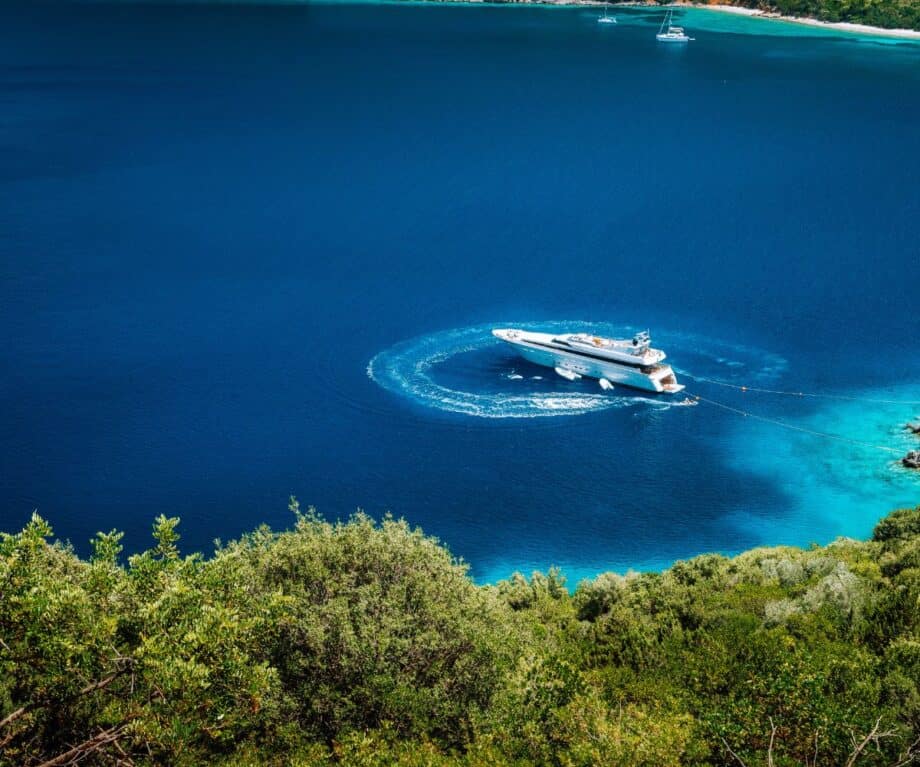
Kefalonia and Ithaca: Venetian Heritage and Mythological Resonance
As the largest island in the Ionian chain, Kefalonia maintains a surprisingly low density of yacht traffic relative to its landmass. Fiskardo, a harbor village on the northern tip, holds historical significance as one of the few settlements to survive the catastrophic 1953 Ionian earthquake largely intact. Consequently, its original Venetian architecture provides a rare visual window into the region’s pre-modern past.
Adjacent to Kefalonia lies Ithaca, historically identified as the mythical home of Odysseus. The island carries a powerful literary resonance, proving particularly engaging for families traveling with school-aged children or teenagers studying classical literature, transforming academic texts into tangible topography viewed directly from the yacht’s deck.
Strategic Booking and Local Expertise
The specialized nature of the Ionian fleet—which is smaller and more tightly regulated than its Aegean counterpart—means that availability during the peak summer months diminishes rapidly. Charter brokers emphasize that successful navigation of the region relies heavily on hyper-local, current operational knowledge.
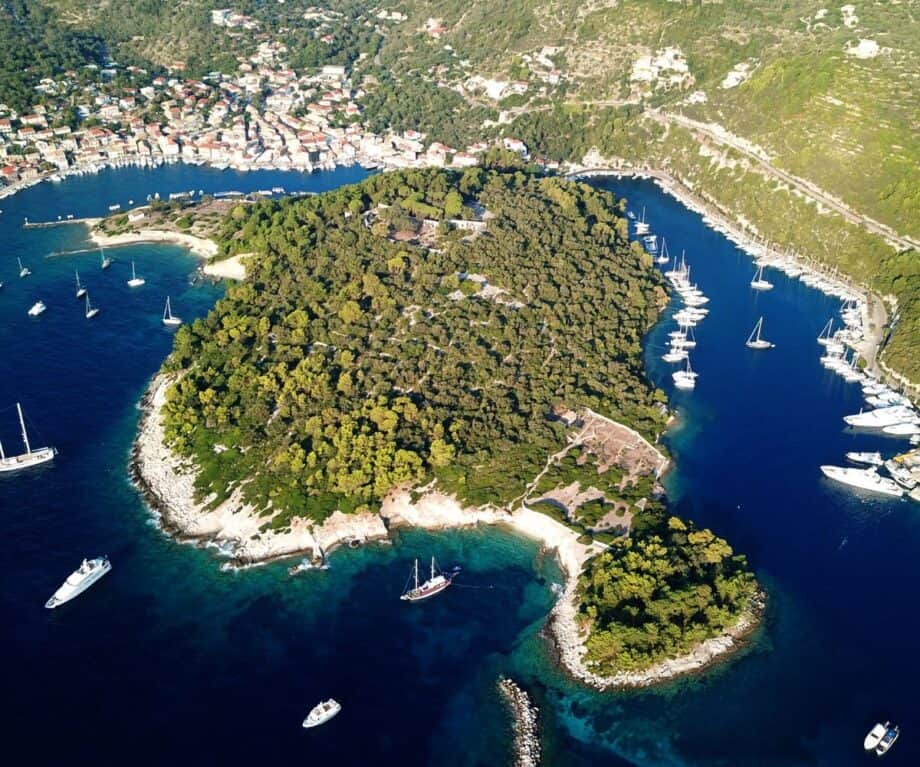
Because many of the finest coves, optimal berths, and timing strategies for avoiding tourist vessel congestion do not appear on standardized template itineraries, industry leaders recommend that prospective clients vet their charter brokers thoroughly. Ensuring a broker has direct, current-season experience in Ionian waters guarantees accurate assessments of local marina maintenance, regional captain proficiencies, and genuinely secluded anchorages.
Ultimately, the enduring appeal of the Ionian Sea lies in its refusal to emulate the high-octane atmosphere of the Cyclades. By prioritizing tranquility, environmental preservation, and a measured pace of travel, the Ionian continues to redefine the modern Greek luxury maritime experience.
Related posts: