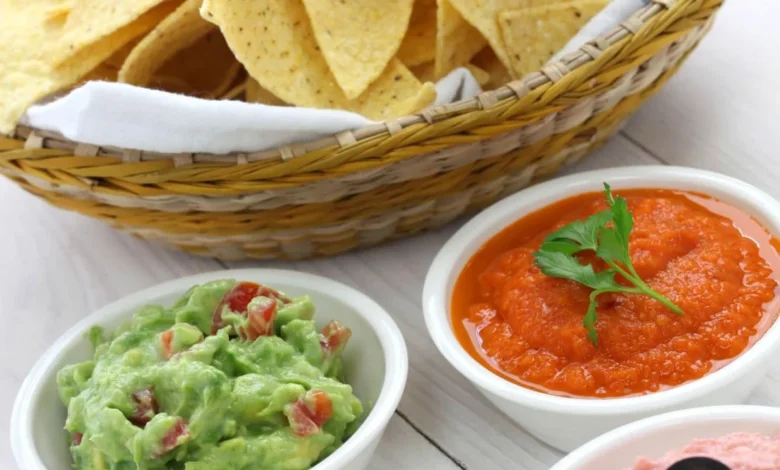
The tradition of the backyard barbecue has evolved from simple weekend gatherings into a sophisticated pillar of social hospitality. As summer temperatures rise, the logistics of outdoor entertaining require a strategic approach to food safety, guest management, and logistical execution. Data from the Hearth, Patio & Barbecue Association (HPBA) indicates that over 75 percent of American households own a grill or smoker, with a significant majority citing "social interaction" as the primary driver for their usage. Achieving a seamless outdoor event requires moving beyond spontaneous grilling toward a structured, phased approach that prioritizes efficiency and guest comfort.
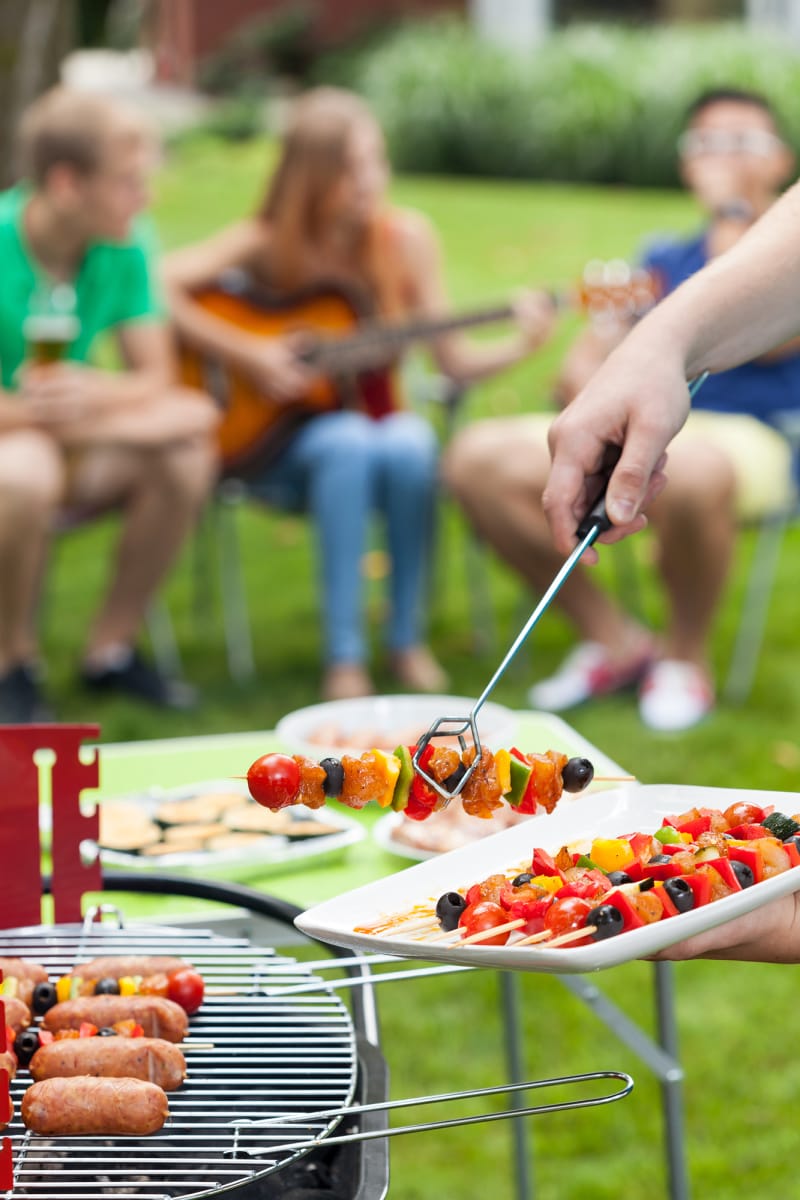
The Logistics of Pre-Event Preparation
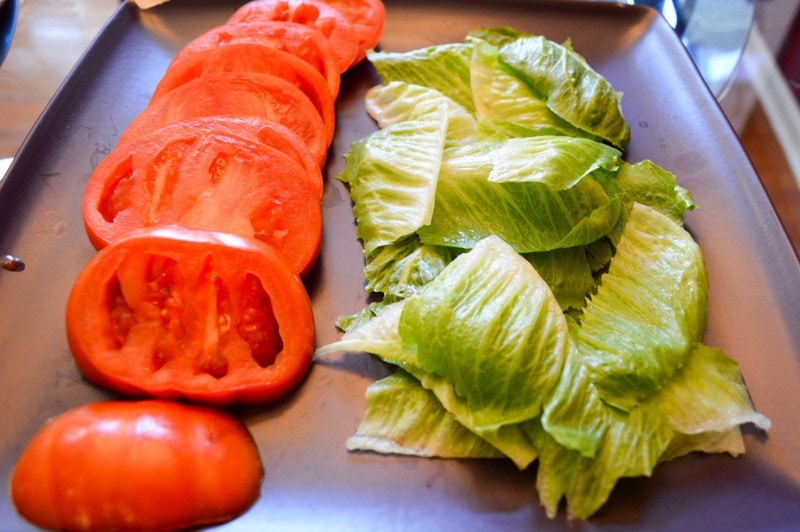
The success of a high-capacity outdoor event is predicated on the "pre-game" phase. Culinary experts and seasoned event planners emphasize that the primary cause of host-related stress is the overlap of active cooking and guest management. Professional standards dictate that all raw food preparation—including the seasoning of proteins, the assembly of burger patties, and the washing of produce—should be completed at least three hours before the first guest arrives.
Furthermore, the management of fuel reserves is a critical logistical failure point. Reports from hardware retailers suggest that seasonal shortages of propane and high-quality charcoal are common during peak summer weekends. Hosts are advised to conduct a "burn test" or physical inventory assessment 48 hours prior to the event. Replacing a depleted propane tank mid-event not only disrupts the culinary timeline but also compromises the quality of the meal, as temperature fluctuations in the grill can lead to uneven cooking and textural degradation of the proteins.
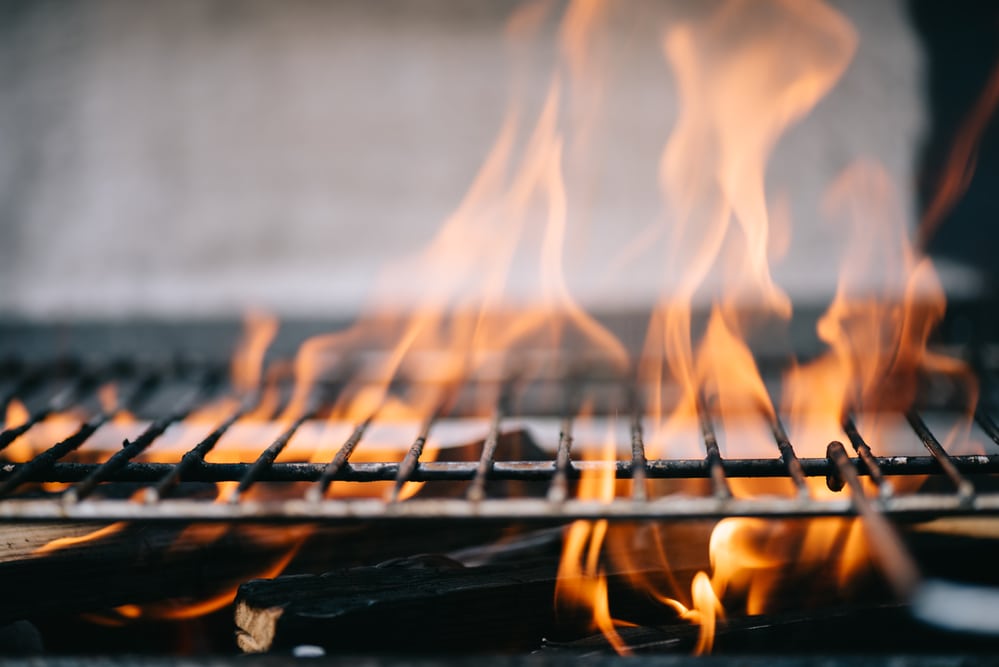
Strategic Site Management and Guest Flow
A well-organized backyard event manages the flow of traffic to minimize congestion in food preparation areas. Standard event planning principles recommend that beverage stations and appetizer tables be positioned at least 15 to 20 feet away from the primary grilling station. This separation serves two purposes: it prevents the "kitchen bottleneck" effect, where guests inadvertently interfere with the cook’s workspace, and it enhances the safety of the perimeter by keeping non-essential personnel away from high-heat equipment.
The integration of technology into outdoor lighting has significantly improved the feasibility of evening events. Solar-powered LED lighting systems, which utilize automated sensors to activate at dusk, eliminate the need for manual setup and reduce the electrical hazards associated with traditional extension cords. Modern landscape design trends suggest using a combination of task lighting for the grill and ambient string lighting for seating areas to create distinct zones within a single yard.

Culinary Evolution and Menu Diversification
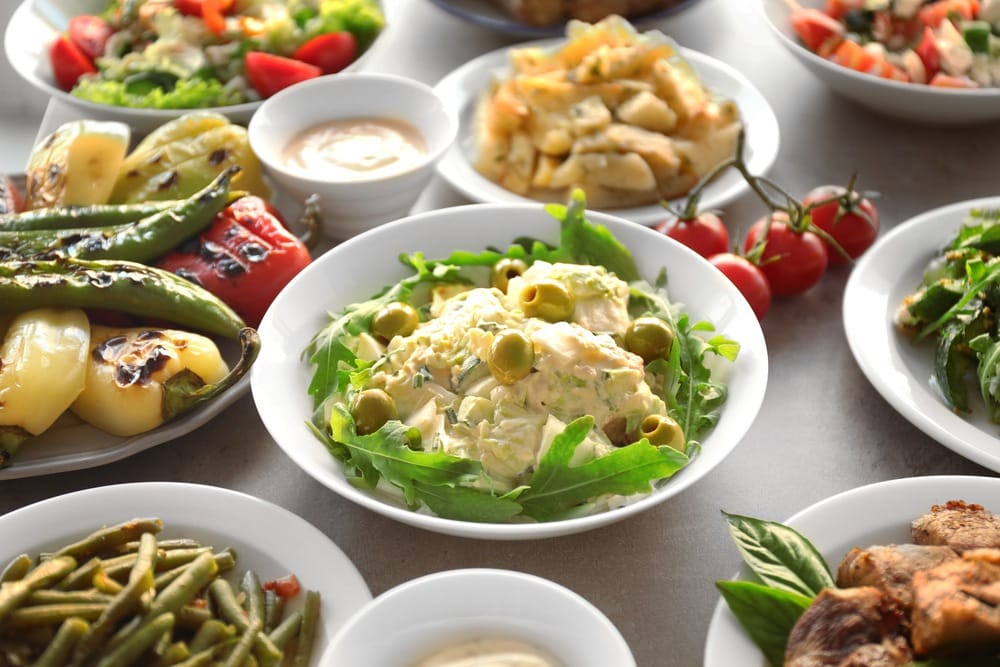
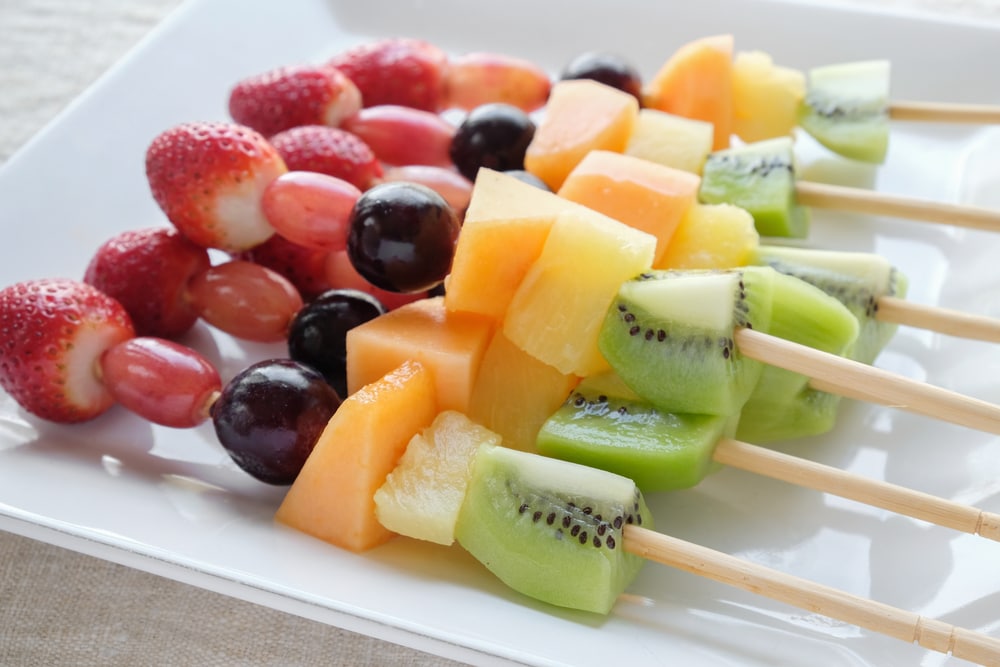
Modern barbecue menus are moving away from traditional fare toward more varied, gourmet-inspired selections. Market analysis from the National Restaurant Association highlights a growing consumer demand for plant-forward grilling options, such as whole-roasted cauliflower, grilled portobello mushrooms, and skewered seasonal vegetables.
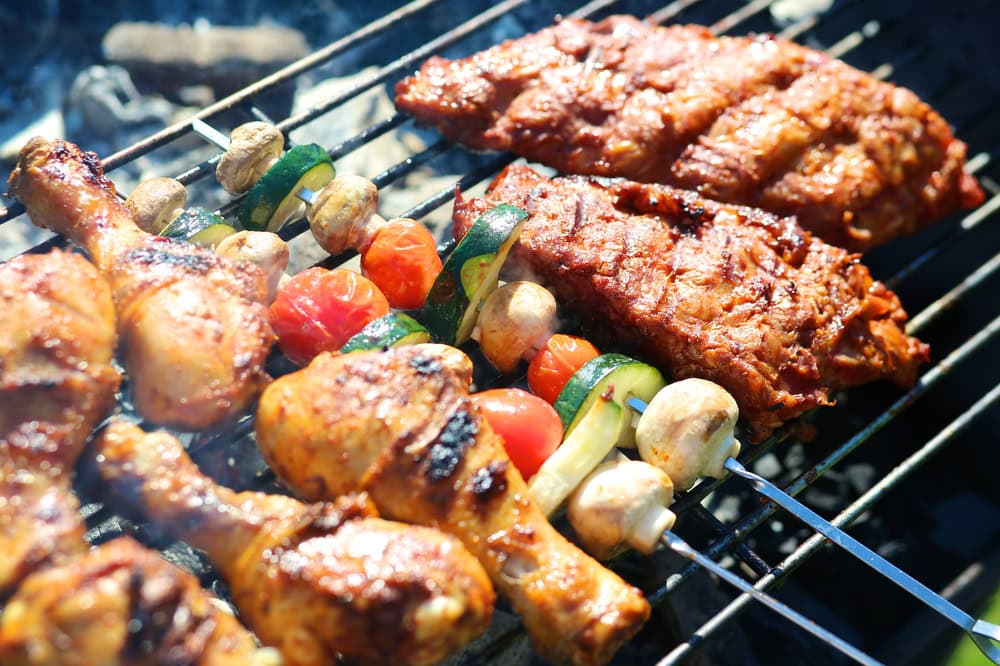
For the main course, the shift toward low-and-slow cooking methods—specifically the use of electric pellet smokers—has allowed hosts to produce professional-grade brisket and pulled pork without the constant monitoring required by traditional offset smokers. This shift reflects a broader trend toward "hands-off" cooking that allows the host to remain engaged with their guests. Regardless of the menu complexity, the industry standard for portion control remains consistent: approximately 0.5 pounds of raw protein per adult and 0.25 pounds per child, with an additional 20 percent buffer to account for variance in appetite.
Environmental Control and Food Safety Protocols
The outdoor environment introduces significant challenges regarding foodborne illness. According to the United States Department of Agriculture (USDA), the "Danger Zone"—the temperature range between 40°F and 140°F—is where bacteria multiply most rapidly. Consequently, any perishable food item must not remain in the open for more than one hour when temperatures exceed 90°F.

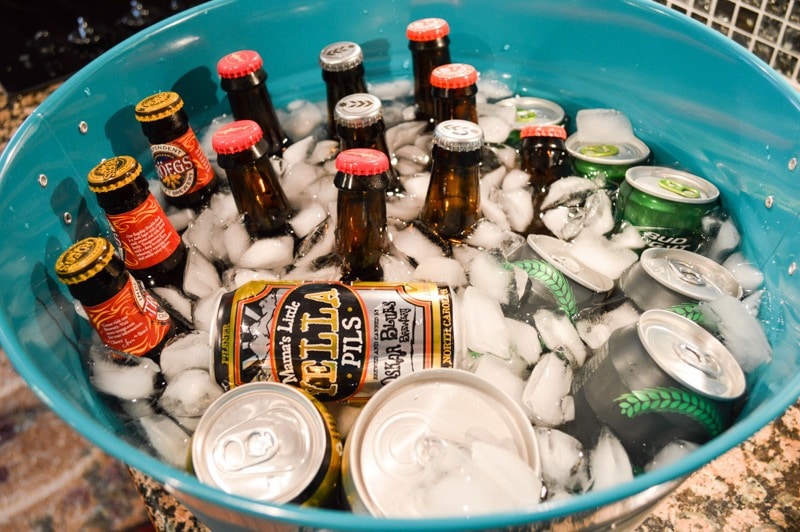
To mitigate these risks, hosts should adopt a "staged service" model. Instead of placing all food on the table simultaneously, serve items in batches from a temperature-controlled interior environment. The use of stainless steel beverage tubs, which provide better insulation than plastic coolers, is recommended for maintaining the integrity of chilled drinks. For insect control, the implementation of mechanical deterrents, such as spinning fly fans, is significantly more effective and environmentally friendly than the use of chemical sprays or repellents near food service areas.

Safety Standards for Open-Flame Cooking
Safety remains the paramount consideration for any event involving open-flame cooking. A primary cause of grill-related emergencies is grease accumulation. Before the season commences, deep cleaning the grill’s drip tray and grease channels is essential to prevent flare-ups. A standard fire safety kit, which must include a Class K fire extinguisher specifically rated for kitchen and grease fires, should be accessible within five seconds of the grill area.
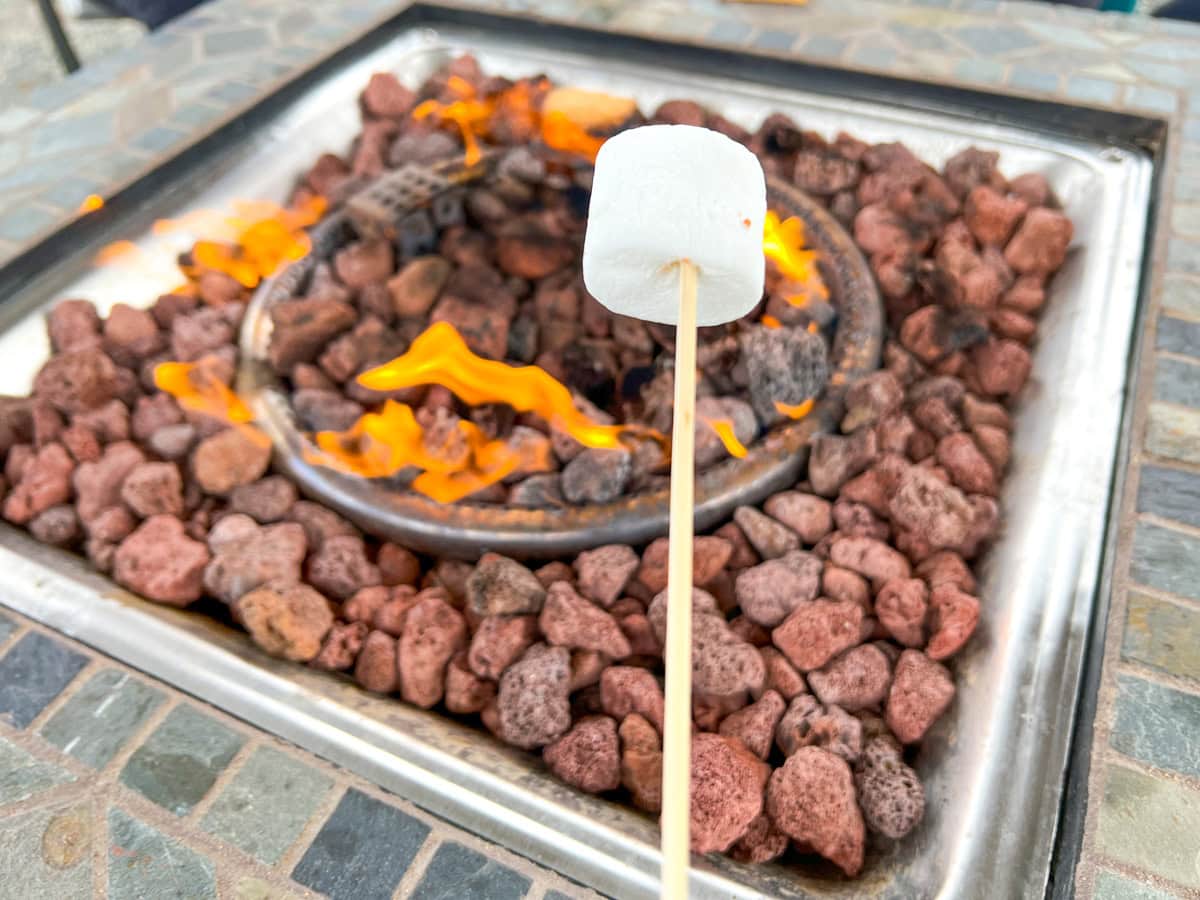
Beyond fire safety, the physical layout of the event must account for potential hazards. If using a fire pit for s’mores or ambient heat, the structure should be placed on a non-flammable surface, such as concrete or stone, and located at least 10 feet away from wooden structures, overhanging trees, or low-hanging fabric decorations.
The Sociological Impact of Shared Responsibility
The "potluck" style of side dish contribution has evolved into a strategic tool for managing event complexity. Sociologists note that asking guests to contribute a signature dish fosters a sense of communal ownership, which can increase the overall satisfaction of the event. By offloading the preparation of sides to guests, the host can focus on the technical aspects of the protein preparation, which is the cornerstone of the barbecue experience.
Broader Implications of Outdoor Socialization
The resurgence of backyard barbecues represents a shift in how modern communities prioritize leisure. In an era dominated by digital interaction, the physical, tactile nature of the barbecue—the preparation of food, the warmth of the fire, and the proximity of neighbors—serves as a necessary social anchor.

Analysis of post-pandemic social trends suggests that "home-based hospitality" has seen a 15 percent year-over-year increase in spending on backyard infrastructure, including upgraded patio furniture, outdoor kitchens, and advanced sound systems. This investment indicates that the backyard is no longer seen as a peripheral part of the home but as a primary venue for personal and professional networking.

Conclusion: The Future of the Backyard Event
As hosts continue to refine the art of the backyard barbecue, the focus is shifting toward sustainability and efficiency. From the selection of ethically sourced meats to the use of renewable solar lighting, the modern BBQ is becoming an exercise in thoughtful planning. By adhering to rigorous safety standards, managing guest expectations through structured menus, and ensuring the host remains an active participant rather than a servant to the grill, the backyard barbecue will remain a central element of summer culture. The key to long-term success is simple: prioritize the experience of the guests, maintain the integrity of the food, and never underestimate the value of thorough preparation.
Related posts: