The globalization of retail markets and the pervasive influence of social media have significantly narrowed the stylistic gap between the average twenty-something American and their European counterpart. Over the past two decades, the proliferation of fast-fashion conglomerates and multinational brands has meant that shoppers across the Atlantic largely frequent the same storefronts. However, despite these converging consumer habits, distinct sartorial identifiers continue to betray North American travelers within moments of their arrival in major European cultural hubs. Navigating foreign cobblestones requires more than just a passport and a flight itinerary; it demands an understanding of regional aesthetic norms that prioritize a cohesive, tailored silhouette over unadulterated athletic comfort.
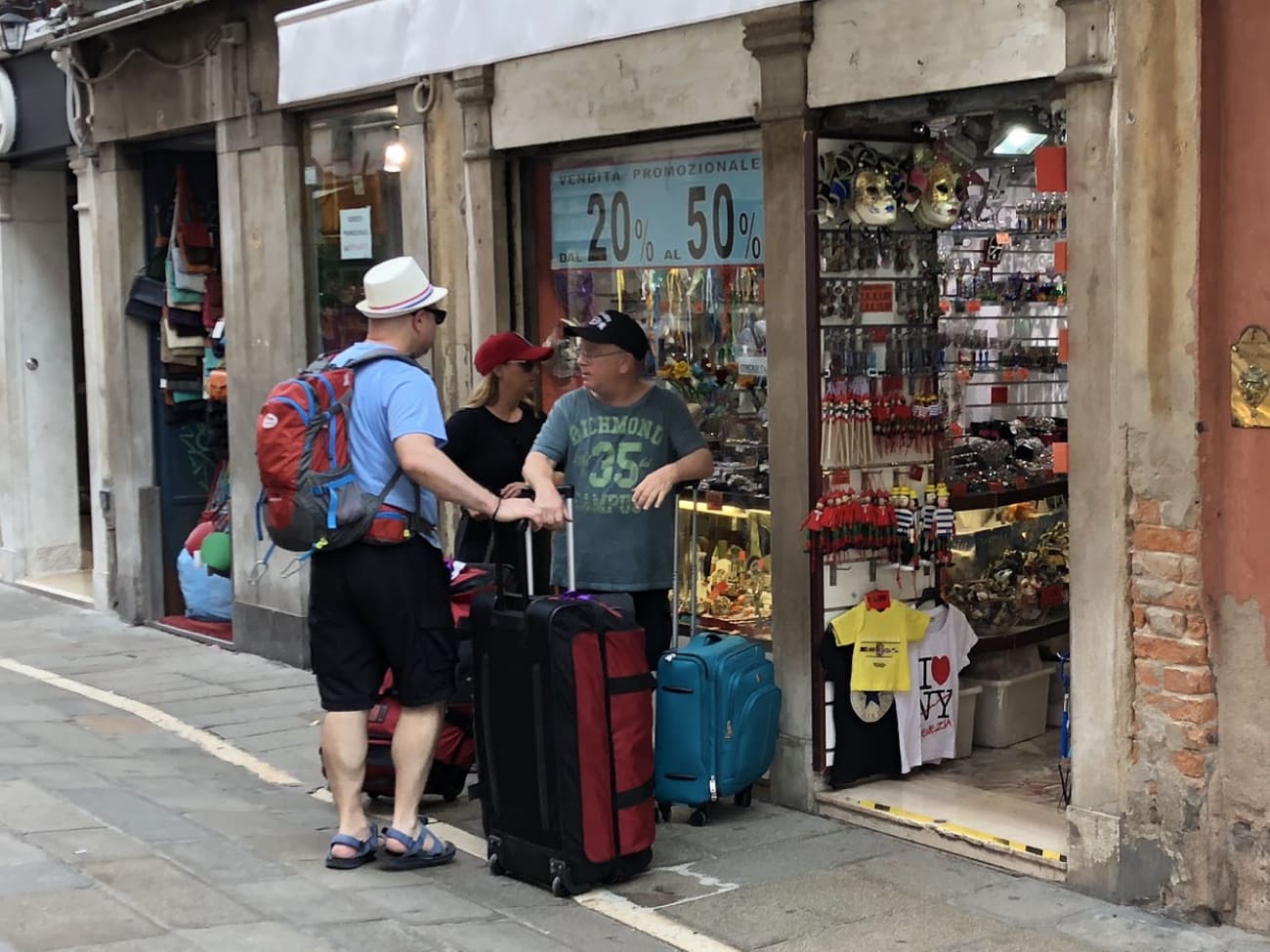
For decades, the standard North American tourist uniform—characterized by head-to-toe athletic wear, oversized garments, and prominent collegiate or professional sports memorabilia—has functioned as an unmistakable beacon for local vendors, pickpockets, and opportunistic scammers. Travel safety experts consistently emphasize that minimizing the visual markers of foreign tourism is a vital component of urban situational awareness. By adopting subtle adjustments in fit, footwear, and color coordination, travelers can successfully integrate into the urban landscape, avoiding the unintended security vulnerabilities associated with looking like a bewildered outsider.
The Pitfalls of Overtly Casual Apparel
The most prevalent misstep made by male travelers visiting Europe involves the over-reliance on athletic clothing for daily sightseeing. While modern Europeans certainly embrace comfort, particularly in the realm of footwear, the American inclination toward head-to-toe athletic attire—such as matching tracksuits, performance moisture-wicking shorts, and heavy running sneakers—is rarely mirrored on European streets. Urban residents typically reserve high-performance gear strictly for athletic endeavors like jogging or attending the gym.

Furthermore, specific items remain distinct cultural red flags. Khaki cargo shorts, particularly those equipped with an abundance of zippered pockets, serve as a trademark indicator of the stereotypical North American tourist. Similarly, public appearances in sweatpants or athletic warm-up pants are heavily discouraged in most European metropolitan centers, where casual wear tends to lean toward structured denim, tailored chinos, and clean lines.
Accessories also play a critical role in maintaining a low profile. Baseball caps bearing the logos of regional North American sports franchises immediately signal a traveler’s origins. While baseball-style caps have gained traction in contemporary European streetwear, wearing distinctly foreign team merchandise disrupts the local aesthetic harmony. Conversely, attempting to overcompensate by dressing in ultra-formal attire can be equally counterproductive. Arriving at historical sites or casual eateries in full three-piece suits or overly upscale evening wear marks the wearer as an affluent, out-of-touch tourist, inadvertently drawing the attention of urban pickpockets who monitor high-value targets.

Footwear Realities for the Long-Distance Traveler
Navigating historic European cities invariably involves traversing vast distances on foot. Cobblestone pavements, ancient staircases, and miles of museum galleries demand practical footwear. For years, conventional travel advice often prescribed stiff leather dress shoes or heavy hiking boots, both of which frequently lead to severe discomfort and blisters.
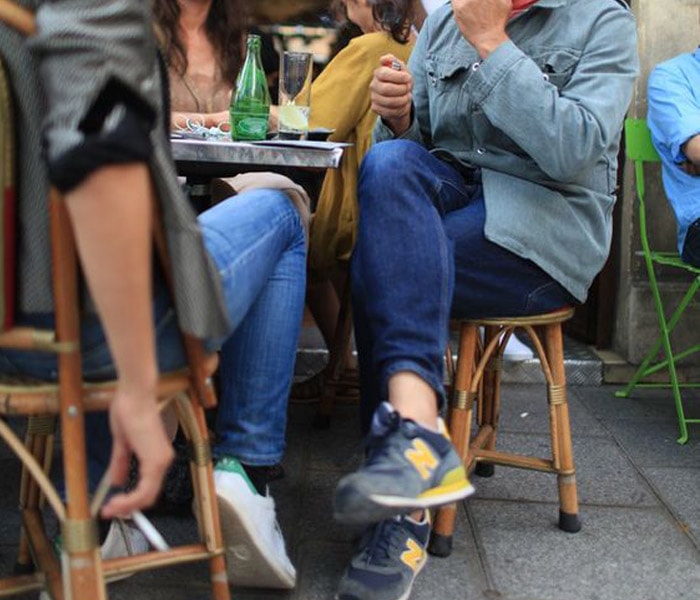
Contemporary style standards across major European capitals have thankfully evolved to embrace the comfort of sneakers. However, the distinction lies in the silhouette and intended use of the footwear. Heavy, neon-accented running shoes designed explicitly for marathon training remain visually jarring against the backdrop of 19th-century architecture. Instead, fashionable Europeans favor "lifestyle" sneakers produced by major athletic brands such as Nike, New Balance, Adidas, and Puma. Low-profile leather sneakers in neutral colorways offer an ideal compromise, providing the necessary arch support and cushioning for urban exploration while maintaining a refined, understated appearance.
Strategic Packing and Core Wardrobe Staples
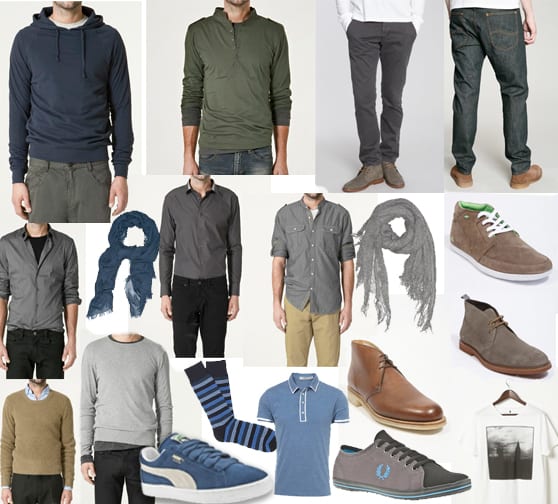
Achieving a seamless transition into the European aesthetic does not necessitate an entirely new wardrobe or the acquisition of an oversized luggage compartment. Seasoned travel analysts and long-term expatriates advocate for a capsule wardrobe approach built on versatility, neutral color palettes, and proper garment fit.
Tailoring remains the foundational element of European street style. Garments that fit closely to the natural lines of the body—without restricting movement—convey an inherent sense of intentionality and polish. Even basic garments, such as a plain cotton t-shirt or a classic button-up shirt, instantly elevate a traveler’s appearance when properly proportioned.

To maximize packing efficiency while minimizing luggage weight, travelers are advised to adhere to a neutral color scheme. Incorporating shades of black, charcoal gray, navy blue, and earthy tones simplifies the process of mixing and matching individual pieces. Furthermore, darker hues possess the practical advantage of concealing minor travel stains, dust, and wrinkles incurred during transit or long days of sightseeing.
Layering serves as both a stylistic device and a practical adaptation to fluctuating regional microclimates. Incorporating structured outerwear, such as a denim jacket, a chore coat, or a lightweight wool overshirt, over a casual button-up instantly adds depth and sophistication to an outfit. For daytime excursions, prioritizing breathable, lightweight fabrics during the summer months and water-resistant layers during winter ensures physical comfort without sacrificing visual standards.
Chronological Evolution of Travel Fashion
The discourse surrounding travel fashion has undergone a dramatic transformation since the mid-2000s. During the era of early digital travel blogging, functional travel clothing was almost exclusively synonymous with rugged, utilitarian outdoor gear—often manufactured from stiff, synthetic fabrics designed for camping expeditions rather than urban tourism. These garments were frequently bulky, unstylish, and instantly recognizable.
The subsequent democratization of technical textiles through the 2010s revolutionized the apparel industry. Manufacturers began integrating high-performance, moisture-wicking, and wrinkle-resistant properties into everyday silhouettes, allowing modern travelers to wear garments that look indistinguishable from standard cotton or wool while offering superior durability and comfort. This convergence of technology and style has liberated travelers from the dichotomy of choosing between painful fashion and unsightly utility.
Practical Considerations for Urban Exploration
Beyond aesthetics, pragmatic accessories can significantly enhance the travel experience. Chronometric experts and frequent flyers frequently recommend wearing a sensible, analog wristwatch rather than relying exclusively on a smartphone for timekeeping. Not only does this reduce the risk of electronic theft in crowded transit hubs, but it also provides a discreet method for checking the time during guided tours or museum visits. For travelers venturing across the continent, selecting a timepiece that features a 24-hour or military time display can prove invaluable when navigating railway schedules, museum reservations, and public transportation timetables, which universally rely on the 24-hour clock format.
Ultimately, the objective of adjusting one’s travel wardrobe is not to achieve an unattainable standard of local haute couture, but rather to blend into the collective background of international travelers and residents alike. By exercising moderation, prioritizing fit and footwear functionality, and avoiding overtly nationalistic or hyper-athletic branding, visitors can navigate European cities with greater confidence, enhanced personal security, and streamlined luggage efficiency.
Related posts: