Milan is a city defined by an unrelenting velocity. Known globally as the engine room of Italy’s economy, a premier destination for high fashion, and a center of avant-garde industrial design, the Lombard capital is a place where the social and professional calendars rarely pause. However, beneath the frantic energy of the fashion weeks and the hum of the city’s design fairs, a significant shift in the urban lifestyle is taking root. A new wellness movement is emerging, one that seeks to reclaim the city’s pace, turning the act of slowing down into a sophisticated, destination-worthy pursuit rather than a mere secondary amenity. At the center of this cultural evolution stands the Terme De Montel, a monumental thermal bath complex housed within the restored Liberty-era stables in the San Siro district.
The Historical Context of the De Montel Stables
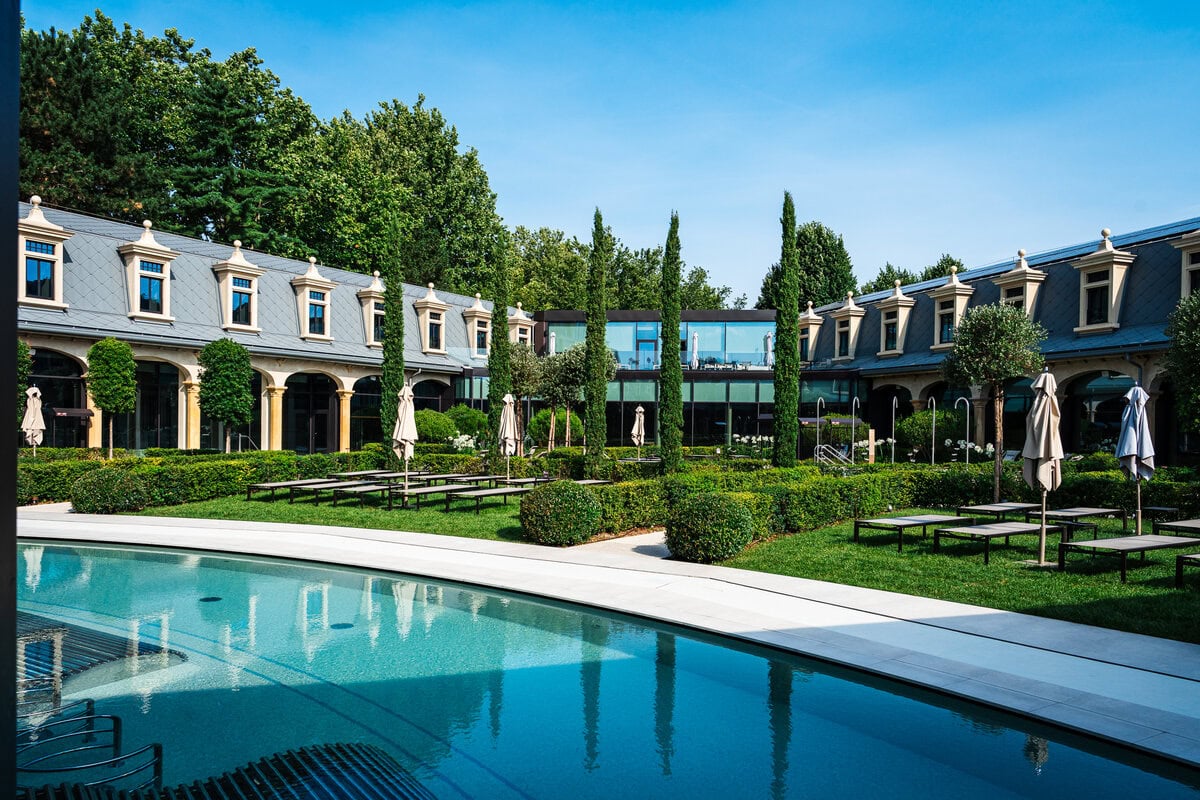
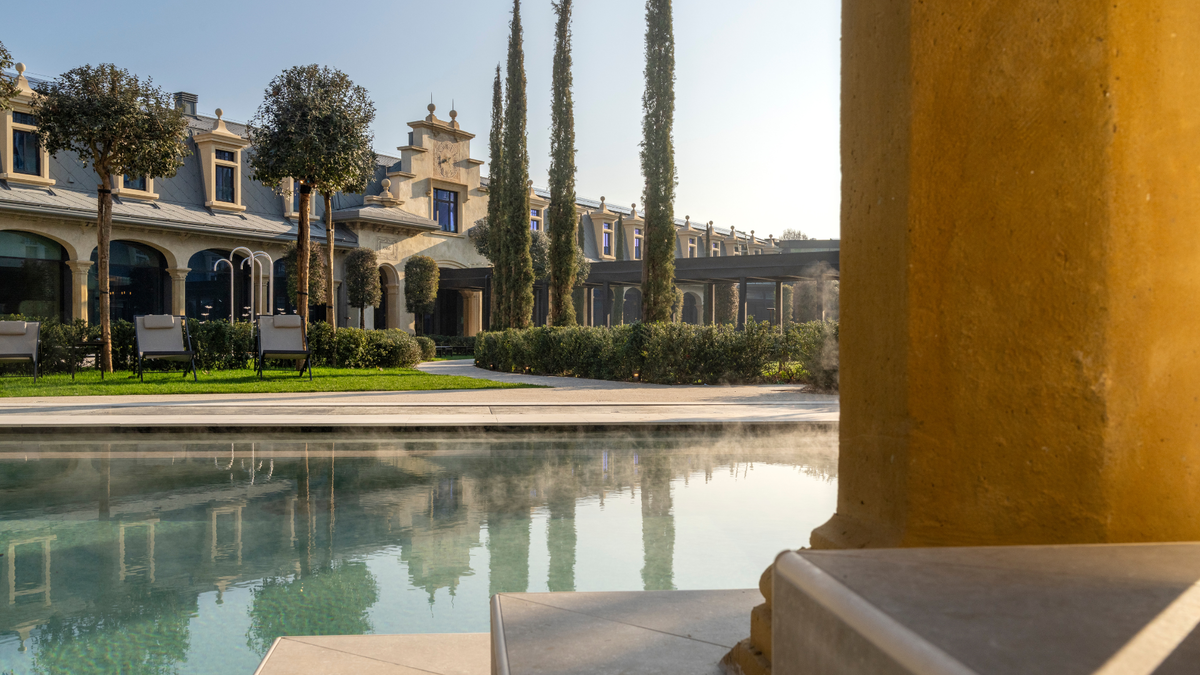
The emergence of the Terme De Montel represents a masterclass in urban adaptive reuse. The site, originally constructed in the early 20th century, served as the De Montel Stables. This complex is a significant example of the Liberty style—the Italian iteration of Art Nouveau—characterized by intricate floral motifs, wrought ironwork, and a rhythmic, elegant architectural geometry. For decades, these stables were a functional part of Milanese life, serving the local equestrian culture.
The transformation of this historic site into a modern wellness center was a multi-year project that required a delicate balance between structural preservation and contemporary utility. By maintaining the integrity of the Liberty-era façade and internal proportions, the developers have created an environment that inherently dictates a different, more measured behavior from its occupants. The architectural heritage serves as a physical buffer against the surrounding city, reinforcing the transition from the bustling, high-density environment of San Siro to a space designed for silence and thermal immersion.
The Science and Scale of Urban Thermal Wellness
The Terme De Montel spans over 16,000 square meters, making it one of the largest and most significant wellness facilities in Northern Italy. The core of the facility’s operation is its access to natural mineral water, which is sourced from a depth of 396 meters. This water is not merely for aesthetic or recreational use; its mineral composition is certified by the Italian Ministry of Health, meeting strict standards for therapeutic and restorative applications.
The facility provides an expansive range of thermal infrastructure, including ten distinct thermal pools that fluctuate in temperature to stimulate circulation and promote muscular recovery. The inclusion of saunas, Turkish baths, and dedicated relaxation zones follows a structured wellness itinerary that prioritizes the physiological benefits of contrast therapy. In a city where the primary focus is often on high-performance productivity, the provision of these facilities at such a scale suggests a growing recognition among urban planners and the public alike that cognitive restoration is an essential component of urban health.
Chronology of a Modern Wellness Ritual
The contemporary Milanese wellness experience is increasingly structured around the concept of "five-hour segments," a departure from the quick, one-hour spa treatment model. This shift in duration is designed to allow the nervous system to fully disengage from the "fight or flight" mode often associated with urban professional life.
- Arrival and Transition: Upon entry, guests are provided with a standardized SPA kit, signaling the start of the "unplugged" duration. This initial phase involves the abandonment of mobile technology, effectively neutralizing the immediate digital stimuli that define daily life in Milan.
- Thermal Immersion: Following the transition, the first phase involves alternating between indoor and outdoor thermal pools. The use of thermal water, particularly the mineral-rich supply from deep-bore wells, serves to reduce cortisol levels and encourage physical relaxation.
- Conviviality and Nutrition: A defining feature of the Terme De Montel model is the intentional integration of social, culinary, and wellness experiences. Unlike traditional medical spas that prioritize isolation, this model incorporates the Italian tradition of the "aperitivo" and slow dining, allowing guests to bridge the gap between profound physical rest and social engagement.
- Conclusion: The final stage focuses on lingering in relaxation areas, a deliberate practice of "doing nothing," which is often cited by wellness practitioners as the most difficult but necessary aspect of modern stress management.
Socio-Economic Implications for the San Siro District
The location of the Terme De Montel within the San Siro district is a study in urban contrast. Historically, San Siro has been defined by the intense, periodic energy of the Stadio San Siro, one of Europe’s most famous football arenas. The presence of a high-end, silent, and contemplative thermal facility in the shadow of a major sports venue illustrates a broader trend in urban development: the diversification of city neighborhoods to serve multifaceted purposes.
Data regarding urban density in Milan suggests that as the city continues to attract international investment and talent, the demand for "third spaces"—environments that are neither the office nor the home—has reached an all-time high. The transformation of a historic equestrian site into a wellness sanctuary provides a necessary counterbalance to the city’s industrial and commercial noise. The economic impact is also notable; by repurposing historic architecture into high-value service venues, the city preserves its cultural assets while simultaneously generating sustainable revenue through the luxury wellness sector.
Expert Perspectives on the "Slow Down" Movement
Sociologists and urban planners observing the European wellness sector note that the "slow down" trend in Milan is not merely a fad but a response to the "always-on" culture that has permeated the European business capital. According to industry analysts, there is a measurable correlation between the availability of accessible, high-quality urban wellness spaces and the reported levels of employee burnout in major metropolitan hubs.
"The challenge for a city like Milan," explains one urban planning consultant familiar with the project, "is to ensure that the infrastructure of the city supports mental health as effectively as it supports commerce." The success of the Terme De Montel project indicates that there is a significant market for wellness experiences that do not require an excursion to the countryside or a flight to a mountain resort. By bringing the thermal experience into the heart of the city, developers have effectively democratized the ability to access restorative, long-form wellness.
Practical Considerations for the Modern Visitor
For those navigating the city, the practicalities of incorporating a five-hour wellness break require strategic planning. Unlike standard gym facilities, the thermal bath experience is designed to be a primary destination. The logistical integration with public transport makes the San Siro facility accessible to both residents and business travelers.
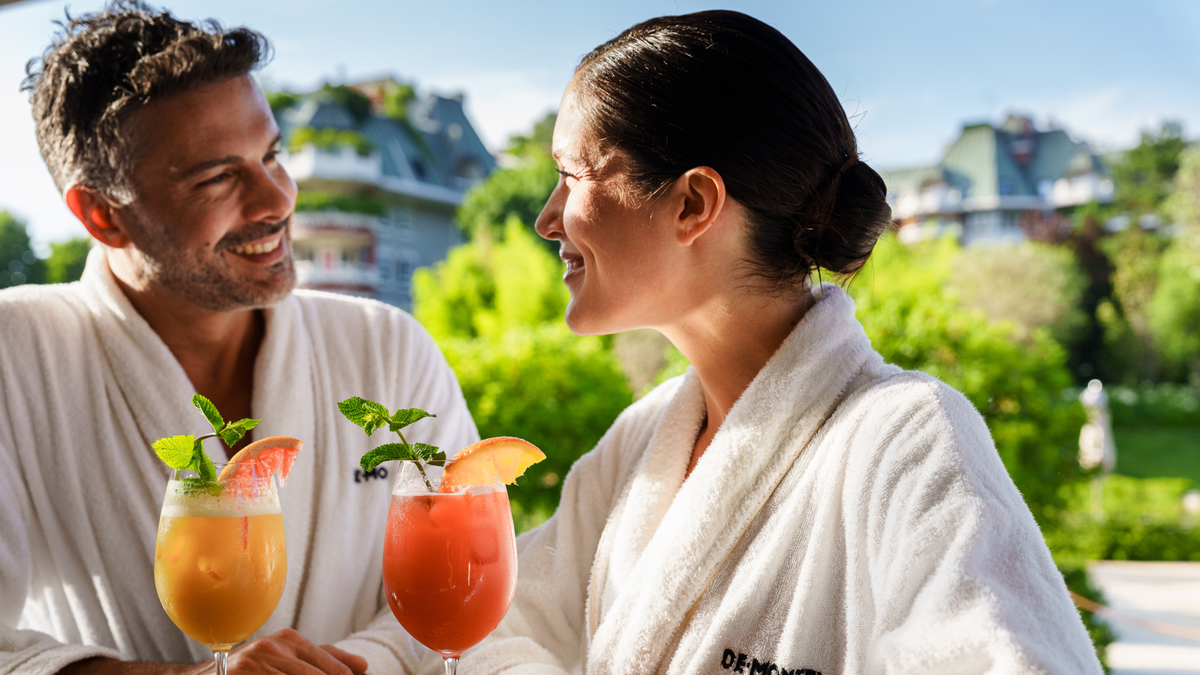
Visitors are advised to prioritize the following during a visit:
- Seasonal Adaptation: The experience is year-round. During the winter months, the extreme temperature contrast between the outdoor thermal water and the ambient air provides a unique physiological stimulus. In summer, the focus shifts to the outdoor terraces and garden spaces.
- Duration Strategy: Planning for a full half-day is essential to derive the intended benefits. The facility is not designed for a quick, "check-the-box" experience, and the therapeutic impact is cumulative over the duration of the stay.
- Digital Detox: The primary barrier to the success of this experience is the guest’s own reliance on connectivity. The facility is engineered to be a "dead zone" for the stressors of the outside world; therefore, the most important item to bring is the intent to remain disconnected.
Broader Impact and Future Outlook
The rise of the Terme De Montel serves as a benchmark for future urban wellness projects in Europe. As Milan continues to set the standard for design and innovation, its ability to integrate the "slower side" of life into its urban fabric will likely serve as a model for other European cities. The integration of certified mineral water with restored heritage architecture provides a blueprint that is difficult to replicate in modern, non-historic buildings, giving the city a unique competitive advantage in the luxury wellness market.
In conclusion, the evolution of the De Montel Stables from a place of physical labor for horses to a place of physical restoration for humans reflects the changing priorities of the 21st-century city. Milan is learning that to maintain its status as a global leader, it must provide more than just the fast-paced environments of trade and fashion. It must also provide the space to breathe, to pause, and to reconnect. As the city looks to the future, the success of this project suggests that the most effective way to manage the pressure of modern life is to find, or build, a sanctuary that remains untouched by the noise of the streets outside.