Tourism Industry Grapples with Gender Parity as 2024 International Women’s Day Calls for Meaningful Inclusion

The 2024 International Women’s Day theme, "Inspire Inclusion," has ignited a global conversation regarding the structural barriers that prevent women from achieving full parity in the workforce, with the tourism and travel sector serving as a primary focal point for this critique. While the industry has long been touted as a gateway for female employment, recent data suggests a significant disconnect between high participation rates and actual economic and leadership empowerment. The call to "Inspire Inclusion" seeks to move beyond mere representation, demanding environments where women are not only present but are valued, respected, and positioned in roles of influence.
In the context of global travel, inclusion is increasingly viewed as a prerequisite for sustainability and resilience. However, achieving this requires a deliberate dismantling of stereotypes and a concerted effort by governments, private corporations, and local communities to ensure marginalized groups have the resources necessary for success. As the tourism sector recovers from the volatility of the early 2020s, the push for gender-inclusive growth has shifted from a social ideal to a documented business necessity.
Historical Context and the Evolution of Gender Advocacy in Travel
The journey toward gender equality in tourism has been marked by several distinct phases. Historically, tourism was one of the few sectors that offered women entry-level opportunities in developing economies, often through hospitality and service roles. However, these positions were frequently seasonal, low-paid, and lacked paths for advancement. The formal recognition of these disparities began to gain traction in the early 2000s, as international bodies like the United Nations World Tourism Organization (UNWTO) began tracking gender-disaggregated data.
In 2011, the first "Global Report on Women in Tourism" highlighted that while women were more likely to be entrepreneurs in tourism than in other sectors, they were still earning significantly less than their male counterparts. By the time the 2019 update was released, the narrative had shifted toward "Empowerment through Tourism." Yet, the COVID-19 pandemic in 2020 dealt a disproportionate blow to female workers, many of whom occupied the "informal economy"—unregulated jobs without social protections or contracts.
The 2024 theme of "Inspire Inclusion" serves as a post-pandemic corrective. It acknowledges that simply returning to 2019 employment levels is insufficient. The current objective is to ensure that the "new normal" of travel includes women at the C-suite level, in the cockpit, as lead safari guides, and as owners of the supply chains that feed the industry.
Statistical Overview: The Leadership Gap and the Informal Economy
According to data from the World Travel & Tourism Council (WTTC), women accounted for approximately 54% of the global tourism workforce in 2019. This figure is significantly higher than the 39% average across the broader global economy, positioning tourism as a leading employer of women. However, a deeper dive into the metrics reveals a "sticky floor" and a "glass ceiling" that continue to define the female experience in the sector.
Research from the UNWTO indicates that women in tourism are often concentrated in lower-skilled, lower-paid positions, such as housekeeping, clerical work, and frontline service. Conversely, leadership roles remain male-dominated. Estimates suggest that only 19% to 25% of senior management and C-suite positions in the travel industry are held by women. This disparity is even more pronounced in the boardrooms of major airlines and international hotel chains.
Furthermore, the gender pay gap in tourism remains a persistent challenge. On average, women in the sector earn 14.7% less than men. This is compounded by the fact that women are more likely to work in the informal sector—selling handicrafts, operating small homestays, or providing local tours—without access to the financial credit or legal protections afforded to formal businesses. The 2024 mandate for inclusion focuses heavily on transitioning these women into the formal economy through training and financial literacy.
The Socio-Economic Ripple Effect of Investing in Women
The argument for gender inclusion in tourism extends far beyond corporate social responsibility; it is rooted in profound socio-economic outcomes. Data from Kiva, a global microfinance leader, reveals that women reinvest approximately 80% of their income back into their families and communities, specifically targeting the education and health of their children. This "multiplier effect" means that a single woman empowered through a tourism business can effectively lift an entire household out of poverty.

UN Women research reinforces this, noting that women’s economic empowerment is a direct catalyst for gender equality, poverty eradication, and inclusive economic growth. In regions where tourism is the primary GDP driver, such as parts of East Africa, Southeast Asia, and the Caribbean, the empowerment of women has been linked to increased rates of female literacy and a reduction in domestic violence.
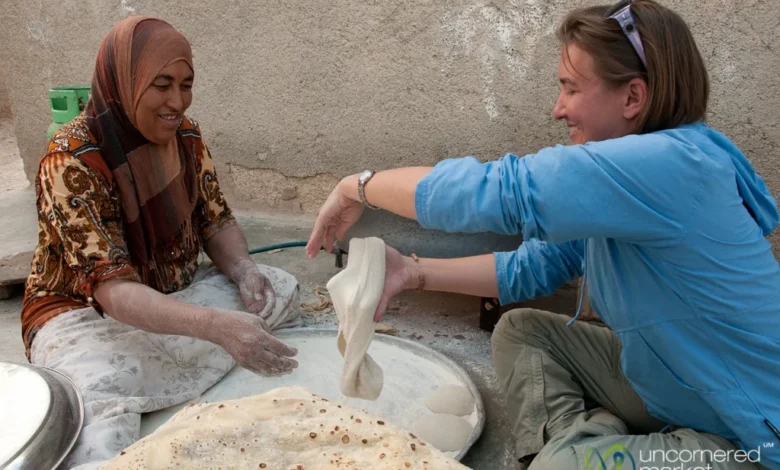
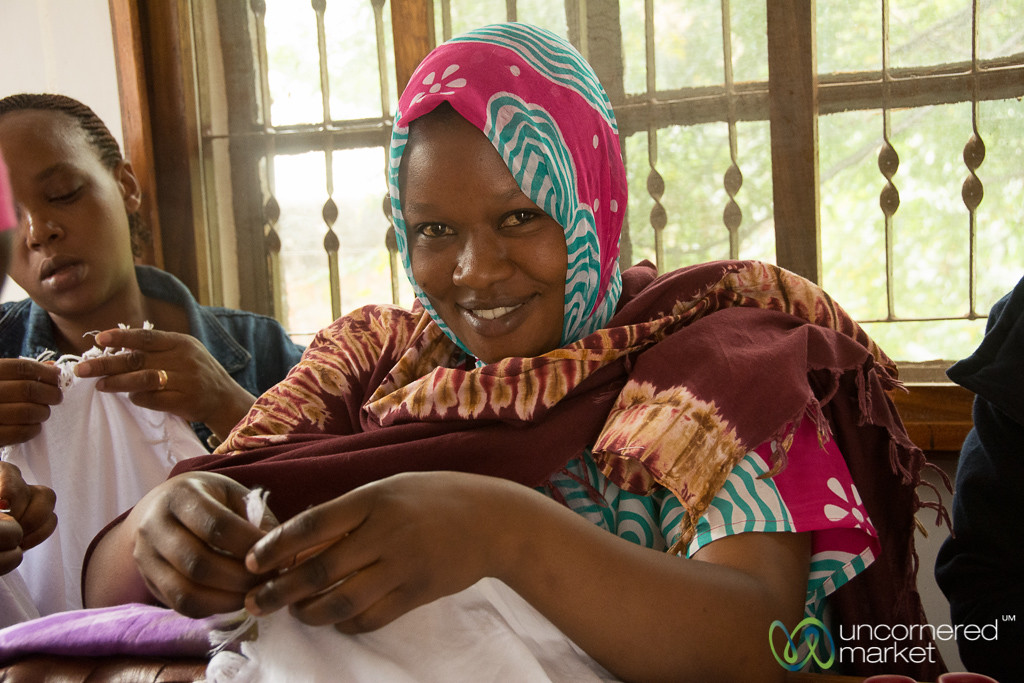
In Moshi, Tanzania, initiatives like "Moshi Mamas" demonstrate this impact in real-time. By providing business training and market access for handicrafts, the program allows women to break traditional cycles of dependency. Similarly, the Zikra Initiative in Jordan empowers women in rural communities to share their cultural heritage through culinary experiences and traditional crafts, turning local knowledge into a sustainable source of income that remains within the community rather than leaking out to international tour operators.
The Business Case: Diversity as a Driver of Profit and Innovation
From a corporate perspective, the "Inspire Inclusion" theme aligns with a growing body of evidence showing that diverse teams perform better. A landmark study by McKinsey & Company found that companies in the top quartile for gender diversity on executive teams were 25% more likely to have above-average profitability than companies in the bottom quartile.
In the travel sector, the business case is even more compelling due to the demographics of the consumer base. Industry estimates suggest that women make between 70% and 80% of all travel decisions. Whether booking a family vacation, a solo adventure, or a corporate retreat, women are the primary "Chief Experience Officers" of the travel world.
A workforce that reflects this customer base is better equipped to understand and anticipate market needs. For example, the rise of solo female travel—a segment that has seen a nearly 200% increase in interest over the last decade—has forced travel companies to rethink safety protocols, room configurations, and social itineraries. Companies with women in leadership are statistically more likely to innovate in these areas, capturing a larger share of this lucrative market.

Strategic Pathways for an Inclusive Tourism Future
To move from the rhetoric of International Women’s Day to tangible industry change, experts suggest several specific mechanisms that tourism businesses can adopt:
- Supply Chain Diversification: Large tour operators and hotel groups can commit to sourcing a percentage of their goods and services—such as linens, food, and decor—from women-owned businesses. This integrates local women into the global tourism value chain.
- Mentorship and Leadership Fast-Tracking: Internal programs that pair junior female staff with executive mentors can help bridge the 25% leadership gap.
- Flexible Work Policies: Given that women globally perform three times as much unpaid care work as men, inclusive workplaces must offer flexibility to retain high-performing female talent.
- Skills Transfer and Certification: Providing formal certifications for "transferable skills"—such as cooking, guiding, or hospitality management—allows women in the informal economy to gain the credentials needed for higher-paying, formal roles.
A notable example of this in practice is the Chobe Game Lodge in Botswana, which famously employs an all-women guiding team. By challenging the stereotype that safari guiding is a male profession, the lodge has not only empowered local women but has also seen a decrease in vehicle maintenance costs and an increase in guest satisfaction scores, as the female guides often provide a different, more nuanced perspective on the ecosystem.
Implications and the Path Forward
The implications of the #InspireInclusion movement are far-reaching. As travelers become more "mindful" and "responsible," they are increasingly scrutinizing the social impact of their trips. A 2023 survey indicated that 60% of travelers would pay more for a travel experience if they knew the money was directly benefiting local women and marginalized groups.
As the tourism sector looks toward the remainder of 2024 and beyond, the success of the industry will likely be measured not just by arrival numbers or RevPAR (Revenue Per Available Room), but by the depth of its social impact. The call to inspire inclusion is an invitation for the travel industry to become a leader in the global quest for equity.
When women are provided with the resources to take the "driver’s seat"—whether literally, like the guides in Botswana, or metaphorically, in the boardroom—the entire sector becomes more resilient. The transition from seeing women as a workforce to seeing them as partners, managers, and leaders is the final frontier for a truly modern tourism industry. International Women’s Day 2024 serves as a reminder that an inclusive world is not just a moral goal, but a roadmap for a more prosperous and sustainable future for all.
Related posts: