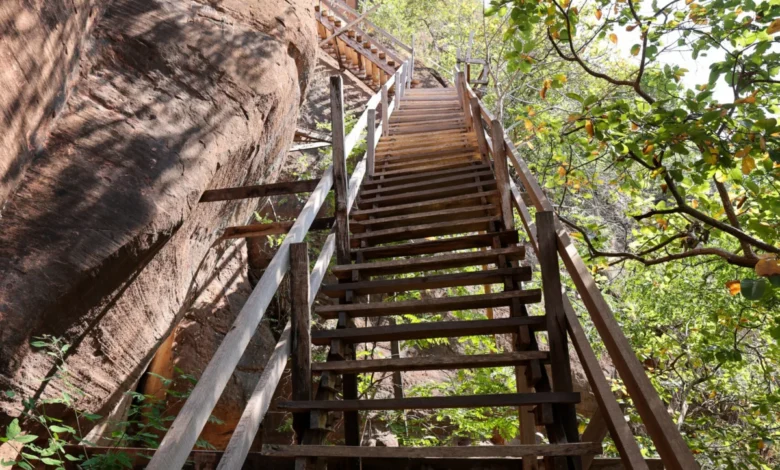
The sixth level is the most spectacular… and most scary. This sentiment, shared by fellow visitors on the precarious wooden ascent, sets the stage for an exploration of Wat Phu Tok, a temple complex in Thailand’s northeastern Isan region that challenges both physical and psychological boundaries. Located in the less-traveled Bueng Kan province, Wat Phu Tok, officially known as Wat Jetiyakhiri, offers a unique blend of spiritual serenity and heart-pounding adventure, drawing visitors to its "lonely mountain" for an experience unlike any other in the Kingdom.
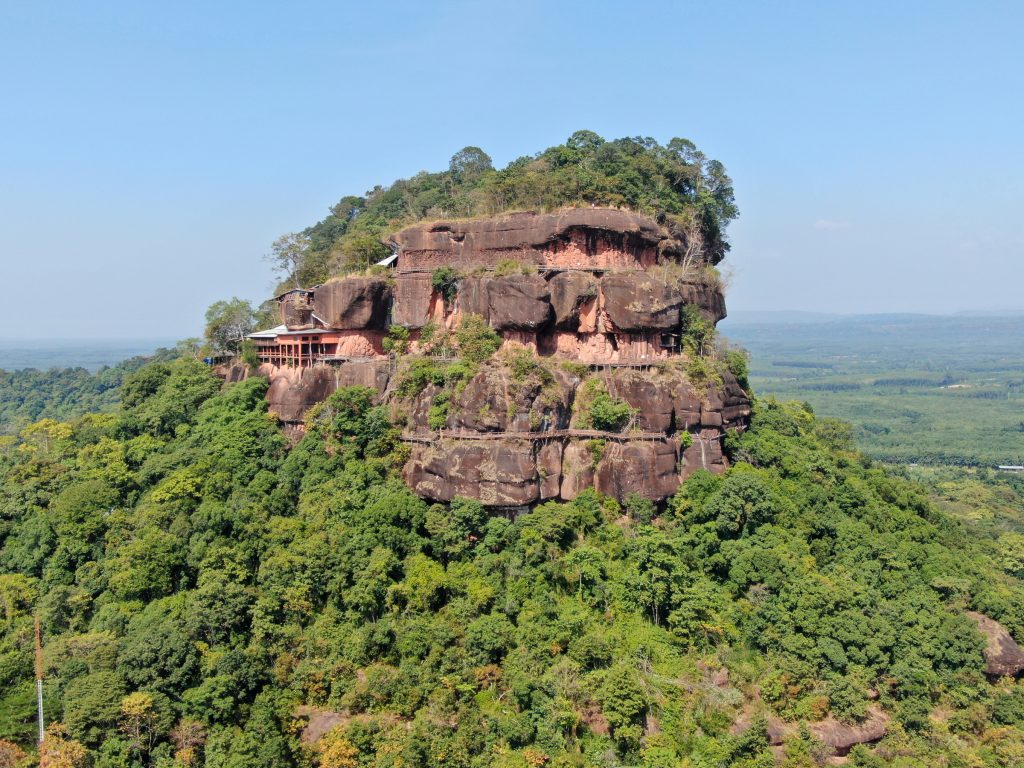
Nestled in the heart of Bueng Kan province, a region celebrated for its tranquil landscapes, expansive vistas, and a distinct lack of tourist crowds, Wat Phu Tok stands as a testament to the extraordinary. For those seeking an off-the-beaten-path destination that promises peace, natural beauty, and a touch of the dramatic, this temple is an undeniable draw. The journey to its summit is not merely a physical climb but a metaphorical ascent through stages of meditation, embedded within a structure that defies conventional architectural norms.
The temple’s primary draw is its intricate network of wooden stairs, ladders, and walkways that spiral up the imposing Phu Tok mountain. This natural rock formation, rising 359 meters above the surrounding plains, earned its name from the local Isan dialect, meaning "lonely mountain," a moniker that becomes profoundly evident as one gazes upon its solitary presence amidst the verdant landscape. The sheer ingenuity of constructing such a complex edifice on the sheer rock face is a marvel in itself, prompting comparisons to iconic sites like Sigiriya in Sri Lanka, though on a more intimate, yet arguably more daring, scale.

A Foundation Forged in Faith and Peril
The history of Wat Phu Tok is deeply rooted in the spiritual aspirations of Monk Luang Pu Juan, who founded the temple. Recognizing the mountain’s remote and rugged terrain as an ideal sanctuary for meditation, he envisioned a spiritual retreat that mirrored the stages of Buddhist enlightenment. The mountain, historically a habitat for wildlife, including venomous snakes, presented a natural element of danger that Monk Luang Pu Juan believed could be a catalyst for spiritual overcoming and detachment.
Under his guidance, construction began on a series of wooden structures, meticulously connecting various shrines and meditation points across the mountain. The ultimate goal was to create seven distinct levels, each corresponding to one of the seven stages of Buddhist meditation, a profound symbolic representation of the path to Nirvana. Tragically, Monk Luang Pu Juan’s life was cut short in an airplane accident, but his ambitious vision for Wat Phu Tok endures, meticulously maintained by subsequent monks and devotees.

The drive from Bueng Kan city to Wat Phu Tok is a relatively short 30-minute journey, leading visitors to a substantial temple complex at the mountain’s base. This area features a large temple building, a serene lake, and expansive park grounds, providing ample space for parking and initial contemplation before the ascent. The entrance to the trail is unmistakable, leading directly towards the imposing mountain and quickly transitioning into the characteristic wooden staircases that define the temple’s unique architecture.
Ascending the Levels: A Journey of Discovery and Adrenaline
The initial stages of the climb are deceptively gentle, with the wooden stairs offering a manageable incline. However, the path soon steepens, transforming into near-vertical ladders that demand a steady hand and a strong resolve. Despite the sometimes-unsettling angles and the occasional creak of the wooden planks underfoot, the construction instills a sense of surprising security and stability.

The lower levels, while housing some shrines, are primarily transitional spaces, encouraging visitors to continue their upward journey. The true spiritual and architectural wonders begin to unfold on the fifth level. Here, the landscape broadens, revealing a multitude of temples, shrines, and halls. Much of the walking on this level is on solid ground, offering a respite from the vertical challenges. It is believed that the largest ordination hall of the temple is situated on this level, serving as a significant spiritual center within the complex.
A particular highlight, often cited by visitors alongside the famed sixth level, is a small, secluded rock temple accessible via a detour from the main circumference trail. This offshoot path leads to an elevated rock walkway, culminating in a short wooden bridge that connects to a unique temple perched precariously on the mountainside. The architectural ingenuity and the sense of discovery associated with reaching this hidden gem make it a memorable part of the Wat Phu Tok experience.

The Sixth Level: Where Thrill Meets Terrifying Beauty
The ascent to the sixth level marks a significant shift in the visitor experience. This is the level that elicits both awe and trepidation, characterized by its famous wooden plank walkways. Approximately half of this level’s circumference is composed of these dramatic walkways, ingeniously anchored directly into the sheer rock face, while the other half remains on natural ground.
The allure of the wooden plank section is undeniable. Suspended precariously over dizzying drops, these walkways offer an exhilarating and somewhat terrifying experience. For those who, like the author, have a fear of heights, the well-maintained and seemingly stable construction of these walkways can offer a surprising sense of security, allowing them to navigate the breathtaking vistas. However, the inherent danger is ever-present; a single misstep could have fatal consequences, underscoring the need for constant vigilance.

From these dizzying heights, visitors are rewarded with spectacular panoramic views of the Mekong River basin stretching out below, interspersed with the lush green canopy of Bueng Kan province. The breeze at this elevation is invigorating, and the ability to circumnavigate the entire sixth level offers ever-changing perspectives of the stunning landscape. This level is undeniably the apex of the temple’s adventurous appeal, embodying the fusion of spiritual endeavor and natural grandeur.
The Seventh Level: A Primal Summit
The final ascent leads to the seventh and highest level of Wat Phu Tok. This level is historically associated with venomous snakes, and visitors are advised to proceed at their own risk. Unlike the lower levels, the seventh level offers no elaborate shrines or wooden walkways. Instead, it presents the raw, untamed summit of the mountain. For those who venture to this peak, the reward is further expansive views, provided they ascend via the correct routes. However, the consensus among visitors is that the sixth level, with its unique architectural marvels and breathtaking cliffside pathways, remains the primary attraction and the true essence of the Wat Phu Tok experience.

A video documentary capturing the essence of visiting Wat Phu Tok vividly illustrates the thrilling nature of the cliff-hanging wooden walkways, offering a compelling visual representation of the architectural daring and the immersive experience of exploring this remarkable temple. The sheer audacity of its construction and the spiritual depth it embodies solidify its reputation as one of Thailand’s most extraordinary and adventurous temples.
Practical Advice for Prospective Visitors
For those planning a pilgrimage to Wat Phu Tok, several practical tips can enhance the experience and ensure safety. It is advisable to wear comfortable walking shoes that provide good grip, as the wooden surfaces can be slippery, especially after rain. Given the exposed nature of the walkways and the intensity of the Thai sun, carrying ample water and wearing sun protection is crucial. Visiting during the cooler morning hours can make the ascent more comfortable.

Respect for the religious nature of the site is paramount. Visitors are expected to dress modestly, covering shoulders and knees, and to behave in a manner that reflects reverence for the spiritual significance of the temple. While the structures are generally considered safe, it is wise to exercise caution, particularly on the higher and more exposed levels. Taking breaks as needed and being aware of one’s surroundings are essential for a safe and enjoyable exploration.
The unique blend of spiritual significance, breathtaking natural scenery, and daring architectural innovation makes Wat Phu Tok a compelling destination. It is a place where the pursuit of spiritual enlightenment is interwoven with the thrill of overcoming physical challenges, offering a profound and unforgettable journey for those willing to ascend its lonely mountain. The enduring legacy of Monk Luang Pu Juan’s vision continues to draw pilgrims and adventurers alike, solidifying Wat Phu Tok’s status as a truly remarkable landmark in Thailand’s cultural and spiritual landscape.