Chase Sapphire Preferred 100,000 Point Welcome Offer Establishes New Benchmark for Consumer Credit Card Value and Liquidity

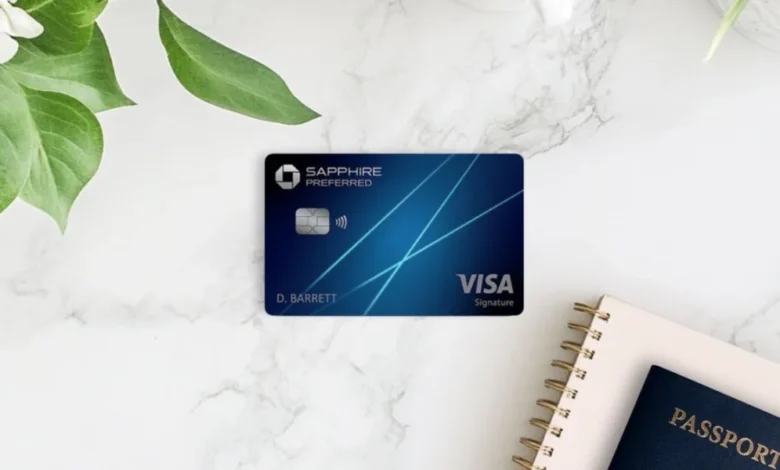
JPMorgan Chase has initiated a significant disruption in the premium travel credit card market by introducing a limited-time 100,000-point welcome offer for the Chase Sapphire Preferred Card. This promotion, which requires a qualifying spend of $5,000 within the first three months of account opening, represents one of the most aggressive customer acquisition strategies in the history of the Sapphire portfolio. While the points are traditionally marketed for high-value travel redemptions, the current financial climate has highlighted a critical, often overlooked feature of the Ultimate Rewards ecosystem: the ability to redeem points for cash at a fixed rate of one cent per point. This creates a guaranteed $1,000 liquidity floor for new cardholders, effectively providing a versatile financial tool that extends far beyond the traditional confines of airline and hotel loyalty programs.
Strategic Evolution of the Chase Sapphire Preferred Bonus
The Chase Sapphire Preferred Card has long been considered a cornerstone of the rewards credit card industry since its debut in 2009. Historically, the standard welcome offer fluctuated between 50,000 and 60,000 points. The current elevation to 100,000 points is a rare occurrence, marking only the third time Chase has reached this threshold for this specific product. This move is widely viewed by industry analysts as a tactical response to increased competition from American Express and Capital One, both of which have intensified their efforts to capture the millennial and high-earning traveler demographics.
The chronology of the Sapphire Preferred’s value proposition has seen steady enhancement over the last several years. In 2021, Chase implemented a series of structural upgrades to the card’s earning categories without increasing its $95 annual fee. These changes included the introduction of a 3x multiplier on dining, online grocery purchases, and select streaming services, as well as a 10% anniversary point bonus based on total spend from the previous year. These enhancements, coupled with the current six-figure bonus, have repositioned the card as a primary spending vehicle for a broader segment of the population, including those who may not prioritize international travel.

Financial Analysis of Redemption Versatility
The primary allure of the 100,000-point bonus lies in its dual-purpose utility. In the professional rewards landscape, points are often evaluated based on their "redemption floor" and "redemption ceiling." The floor for Chase Ultimate Rewards is firmly established at 1 cent per point (cpp). This means the 100,000-point bonus is functionally equivalent to $1,000 in cash, which can be deposited directly into a linked bank account or applied as a statement credit to offset any purchase.
Unlike many competitors, Chase maintains this 1:1 ratio for cash redemptions. For comparison, American Express Membership Rewards points typically yield only 0.6 cents per point when redeemed for statement credits, and many airline-specific miles cannot be converted to cash at all. This high liquidity makes the Chase Sapphire Preferred an attractive option for consumers facing rising costs in non-travel sectors. The $1,000 bonus can be deployed to cover essential expenditures such as:
- Daily Living Expenses: Offsetting the cost of groceries, fuel, and utilities through statement credits.
- Educational Costs: Utilizing the cash-back option to pay for tuition or textbooks.
- Medical Obligations: Providing a financial cushion for unexpected healthcare bills.
- Debt Management: Applying the bonus to reduce the principal balance on the card itself, effectively subsidizing $5,000 of initial spending by 20%.
While financial purists often advocate for transferring points to airline partners like United Airlines or British Airways—where the value can exceed 2.0 cents per point through business-class bookings—the current economic environment has increased the demand for flexible, liquid assets. The "purchase eraser" functionality, while not Chase’s official branding, describes the consumer’s ability to retroactively neutralize any charge on their ledger using the point balance.
Comparative Market Position and Industry Reactions
Market observers note that Chase’s decision to offer a $1,000 cash-equivalent bonus for a $95 annual fee card is a loss-leader strategy designed to secure long-term loyalty. Financial services consultants suggest that the cost of acquiring a high-spend customer through such a bonus is offset by the long-term interchange fees and the potential for "cross-selling" other banking products, such as mortgages or investment accounts.
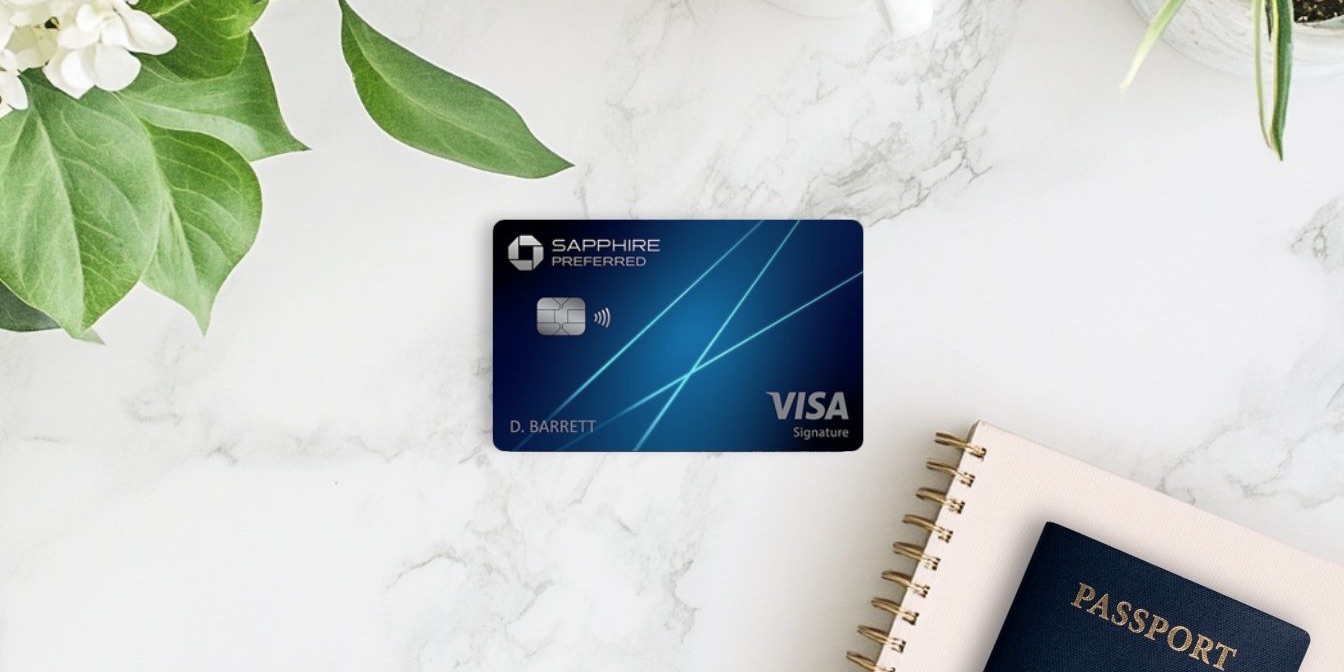
"The 100,000-point offer creates a compelling entry point for the ‘un-optimized’ spender," notes one senior banking analyst. "By offering a high cash-out value, Chase is appealing to the pragmatic consumer who is weary of the complexities of transfer partners and award availability. It simplifies the value proposition: spend money, get $1,000 back."
Furthermore, the card’s earning structure complements this liquidity. By earning 3x points on dining and online groceries, cardholders are effectively receiving a 3% cash-back rate on those categories when points are redeemed for cash. This rivals or exceeds the rates offered by dedicated cash-back cards, while maintaining the "upside" potential of luxury travel redemptions.
Long-Term Wealth Generation Potential
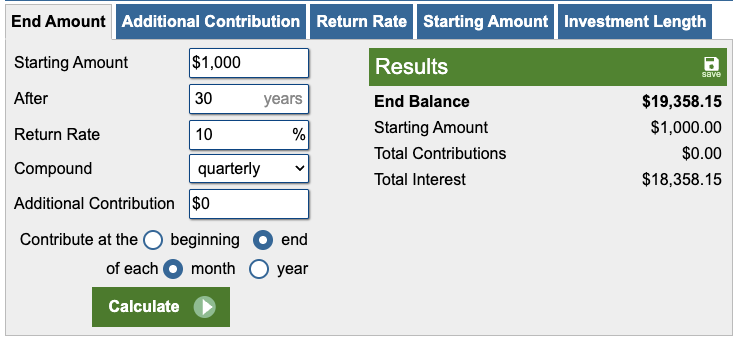
An unconventional but statistically valid application of the 100,000-point bonus involves the reinvestment of the cash value into the capital markets. If a cardholder elects to redeem the bonus for $1,000 in cash and deposits that sum into a brokerage account, the long-term implications are substantial. Based on the S&P 500’s historical average annual return of approximately 10%, a one-time $1,000 investment could theoretically grow to nearly $20,000 over a 30-year horizon, assuming the reinvestment of dividends and accounting for standard market volatility.
While this approach requires discipline and carries market risk, it highlights the significant "opportunity cost" of the bonus. Most travel rewards are perishable assets; airline miles can devalue over time as carriers increase the points required for flights. In contrast, converting those points to cash and moving them into an appreciating asset class transforms a temporary consumer reward into a permanent component of a retirement or savings portfolio.

Technical Execution of Point Redemption
For consumers navigating the Chase Ultimate Rewards portal, the process of liquidating points is designed for accessibility. Within the "Convert to Cash" section of the rewards dashboard, users are presented with two primary pathways:
- Statement Credit: Points are applied directly to the card’s outstanding balance. A 100,000-point redemption results in a $1,000 reduction in the amount owed. This credit typically reflects on the account within two to three business days.
- Direct Deposit: For users with a Chase checking or savings account, or a linked external bank account, the points can be converted to an electronic fund transfer. This provides the ultimate level of flexibility, allowing the funds to be used outside of the Chase ecosystem entirely.
Chase also offers a "Pay Yourself Back" feature, which occasionally provides a 25% or 50% bonus on redemptions for specific rotating categories (such as charities or wholesale clubs). However, for the broadest range of utility, the standard cash-back option remains the most reliable method for point liquidation.
Broader Economic Impact and Consumer Implications
The resurgence of high-value point offers like the 100,000-point Sapphire Preferred bonus reflects a broader trend in the financial sector where "points" are increasingly viewed as a secondary currency. As inflation impacts consumer purchasing power, the flexibility of a reward program becomes its most valuable attribute.
For the average household, the ability to earn a $1,000 windfall through regular spending provides a significant buffer. Even after accounting for the $95 annual fee, the net gain in the first year is $905. For those who choose to retain the card for the long term, the initial bonus covers nearly 10.5 years of annual fees.
The Chase Sapphire Preferred 100,000-point offer serves as a reminder that the most effective financial products are those that offer a choice between luxury and utility. Whether used for a trans-Atlantic flight in a premium cabin or to settle a month’s worth of grocery bills, the value remains constant. As the promotion is for a limited time, it represents a pivotal moment for consumers to secure a high-liquidity asset in an era where financial flexibility is paramount. The convergence of travel benefits, high-velocity point earning, and a $1,000 cash floor makes this offer a rare alignment of value that is likely to influence consumer credit trends for the remainder of the fiscal year.
Related posts: