Navigating Moroccan Attire: A Comprehensive Guide to Cultural Sensitivity and Practical Packing for Travelers

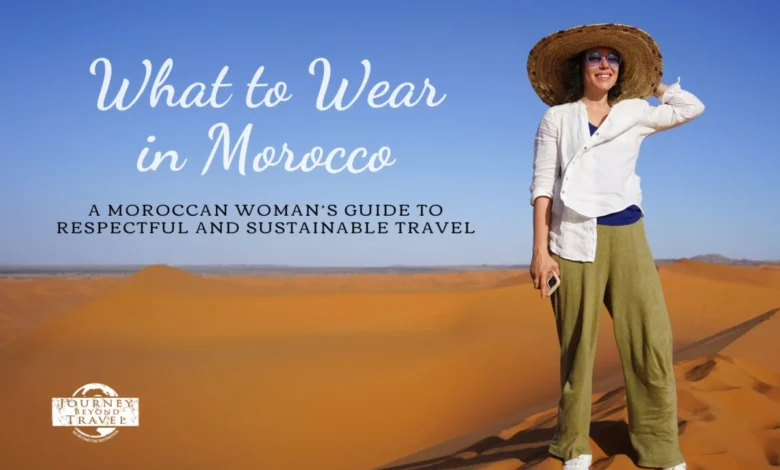
Travelers frequently inquire about appropriate dress in Morocco, particularly women, highlighting a common concern regarding cultural expectations. While Morocco maintains no official dress code, understanding the country’s rich cultural fabric is paramount for respectful and comfortable travel. This guide aims to provide a comprehensive overview, blending practical advice with essential cultural context to inform packing decisions for all visitors.
Morocco’s Evolving Cultural Tapestry and Dress
Morocco presents a unique cultural landscape, often described as a liberal Muslim nation where diverse influences converge. Historically, the country has embraced a blend of traditions, reflecting its Berber, Arab, African, and European heritage. Observations from decades past, such as the varied beach attire in Tangier during the 1980s—ranging from traditional jellabas and flowing robes to bikinis and shorts—underscore a long-standing tradition of diverse dress. This historical snapshot illustrates a society that, while rooted in Islamic values, has exhibited a pragmatic approach to personal expression through clothing.
However, the contemporary scene reflects subtle shifts. Over the past two decades, there has been a noticeable increase in the visibility of more conservative attire among Moroccan women, partly influenced by a desire to mitigate unwanted attention such as catcalling. Concurrently, instances of verbal aggression from men have reportedly risen in some areas. This trend suggests a complex interplay of evolving social dynamics, regional influences, and individual choices regarding modesty and safety within public spaces. Despite these shifts, Morocco largely retains its liberal stance on dress for both locals and tourists, especially in major urban and tourist-centric areas.
The distinction between urban centers and rural regions remains crucial. Cities like Marrakech, Fez, Casablanca, and coastal hubs such as Essaouira and Tangier generally exhibit more relaxed attitudes towards dress, mirroring global fashion trends alongside traditional wear. In contrast, smaller towns, villages, and rural areas tend to be more conservative. In these contexts, displaying cultural awareness through modest dress is not only a sign of respect for local customs but also facilitates deeper, more positive interactions with residents. This regional variation is a common phenomenon globally, where rural communities often adhere more strictly to traditional norms than their urban counterparts.
Seasonal Considerations: Preparing for Morocco’s Diverse Climates
Morocco’s diverse geography—from Mediterranean and Atlantic coastlines to the Atlas Mountains and the Sahara Desert—results in significant seasonal climate variations. Climate change has introduced a degree of unpredictability, yet general patterns guide seasonal packing.
Spring (March-May): Generally an excellent time for travel, characterized by pleasant weather. While regions like Chefchaouen might experience cool, rainy conditions (around 13°C/55°F with drizzles), the Sahara can see early heat waves pushing temperatures above 43°C/110°F. Travelers can typically expect warm days and cooler evenings, akin to early summer conditions in many temperate zones.

Summer (June-August): Marked by intense heat, particularly inland, in southern regions, and the desert. Daytime highs in cities like Marrakech can routinely reach 38-43°C (100-110°F), with the Sahara exceeding 46°C (115°F). Coastal cities, including Essaouira and Tangier, offer milder climates, typically 24-29°C (75-85°F), often accompanied by refreshing breezes. Evenings generally bring some relief, with desert nights capable of significant temperature drops. The season is predominantly dry, necessitating protection against strong sun and potential sunburns.
Fall (September-November): Often considered one of the most favorable periods to visit. Temperatures moderate significantly after the summer heat, with inland highs averaging 27-32°C (80-90°F) and cooler nights, sometimes dipping to 15°C (60s°F). Coastal areas remain agreeable and breezy, with sea temperatures suitable for swimming. Rainfall is minimal in most regions, though the Atlas Mountains may begin to experience occasional showers later in the season. Overall, fall offers comfortable, warm conditions ideal for extensive exploration.
Winter (December-February): Characterized by mild conditions along the coast and in major cities, with daytime highs around 13-18°C (55-65°F) in Marrakech or Casablanca. Nights can be notably chilly, potentially falling to 4-9°C (40s°F). The Atlas Mountains receive snow, creating opportunities for skiing and winter hiking amidst crisp air. Desert nights can be surprisingly cold, sometimes approaching freezing. Rainfall is more prevalent in northern and coastal areas, while the south typically remains dry.
The Three C’s of Moroccan Packing: Comfort, Climate, and Customs
Effective packing for Morocco hinges on three guiding principles: comfort, climate, and customs. Prioritizing these ensures a practical, culturally appropriate, and enjoyable travel experience.
General Principles for a Sustainable & Respectful Wardrobe:
Choosing natural fabrics such as linen, organic cotton, or merino wool is recommended not only for comfort in varying climates but also for promoting sustainable travel practices. These materials are breathable, often durable, and align with a conscious travel ethos. Opting for a palette of neutral colors facilitates mixing and matching, maximizing wardrobe versatility. Furthermore, Morocco’s vibrant artisan scene offers abundant opportunities to purchase unique, handmade garments and accessories locally, supporting the economy and traditional crafts while acquiring distinctive souvenirs that can be worn again.
Upper Body Essentials:
- Spring & Summer: Lightweight, light-colored shirts and blouses made from cotton, linen, or merino wool are ideal for breathability and sun protection. Long sleeves are particularly effective against intense sun exposure. Loose-fitting tunics or peasant-style tops offer comfort and modesty, suitable for layering. Sleeveless tops, including round or V-necks, are generally acceptable provided they are not excessively plunging or revealing. Spaghetti straps are best reserved for evenings or private settings. A linen button-up blouse is a versatile item, easily paired with tank tops or T-shirts.
- Fall & Winter: Transition to long-sleeved tops in slightly heavier cotton, wool-blend sweaters, or thin merino layers. These are crucial for layering under fleeces, hoodies, or jackets, especially when visiting cooler cities like Chefchaouen or mountain towns. The ability to roll up sleeves allows for adjustment to fluctuating daytime temperatures, which can range significantly. For fair-skinned individuals or those sensitive to strong sun, a light long-sleeve layer for arms and legs remains advisable, particularly in the Sahara and mountains where solar intensity persists.
Dresses, Skirts & Tunics: Graceful and Practical Options:
- Spring & Summer: Midi or maxi dresses are highly recommended for their airiness, comfort, modesty, and sun protection. Wrap dresses or flowy skirts in light fabrics are particularly popular, offering effortless style. Mid- to high-knee skirts and dresses are also acceptable, though extremely short or tight garments should be avoided, especially outside of major urban tourist zones. A solid-color dress offers versatility for dressing up or down, while a button-down dress or skirt can be adapted for pool lounging or city exploration.
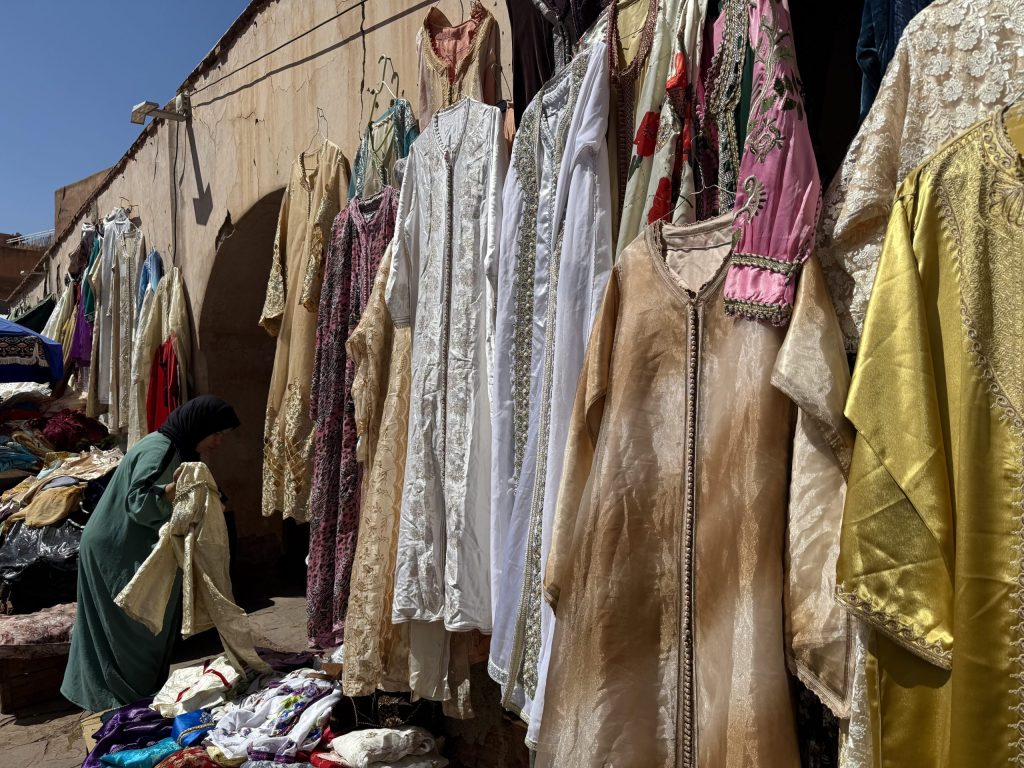
- Fall & Winter: Midi and maxi skirts in wool blends or heavier cotton, paired with tights or leggings, provide warmth and comfort. Long-sleeved dresses or sweater dresses, accessorized with scarves, create chic and cozy ensembles for city sightseeing or evening meals. Versatile pieces that can be layered or accessorized are key; a simple dress can transform with boots and a scarf for daytime, or jewelry and a tailored coat for dinner. Shirt dresses, light tunics, and kimonos offer comfortable and culturally appropriate alternatives, provided they adequately cover the hips or thighs. These can also be purchased from local bazaars, often featuring beautiful embroidery and sfifa (handmade ribbon braid).
Lower Body Attire: Navigating Modesty and Comfort:

- Spring & Summer: Wide-leg pants, linen or cotton trousers, and culottes are excellent choices for both urban exploration and desert excursions. Light-colored fabrics reflect sunlight, aiding in temperature regulation. For shorts, modest, mid-thigh "Safari-style" options are more appropriate than very short styles. Tight shorts worn with a long shirt can be suitable for athletic activities like jogging.
- Fall & Winter: Heavier fabrics like denim, wool-blend pants, or corduroys are suitable for colder regions. While denim jeans can be warm in summer, they become versatile garments for cooler months. Leggings are practical for layering under tunics or dresses. When wearing skinny pants, it is advisable to ensure the bottom is covered, particularly when visiting villages, residential neighborhoods, or attending family meals, to show respect for local customs.
Swimwear: Pools, Beaches, and Hammams:
- Spring & Summer: Bikinis, tankinis, and one-piece swimsuits are generally acceptable at hotel pools and private beaches. In public tourist areas, Morocco maintains a relatively liberal stance, but modest swimwear is often appreciated at public beaches or pools outside of major tourist hubs. A lightweight cover-up or kaftan is ideal for transitioning between pool or beach and other areas. String bikinis and topless sunbathing are strongly discouraged. Locally made kaftans, tunics, or multi-purpose scarves serve as stylish and respectful cover-ups, supporting local artisans.
- Fall & Winter: While swimming is less common, a swimsuit is still useful for heated pools or spa resorts. A warm cover-up or robe is essential for indoor-outdoor transitions, along with sandals or flip-flops for poolside use. For women visiting a traditional Moroccan hammam, a bikini bottom (or disposable underwear, often provided) is typically sufficient for the scrubbing treatment.
Outerwear for Varied Climates:
- Spring & Summer: A light jacket is advisable for occasional rain showers, chilly early mornings during hikes, or cool desert evenings. A waterproof windbreaker and rain jacket is a practical choice for its versatility. A fleece top is often considered essential for mountain regions, regardless of the season, due to unpredictable temperature drops.
- Fall & Winter: As temperatures drop, a hoodie, a rain jacket, several sweaters, and a warm coat become necessary. Layering is key to adapting to fluctuating temperatures throughout the day.
Footwear for Exploration and Relaxation:
- Year-Round: Given the extensive walking often involved in exploring Moroccan medinas, comfortable and supportive walking shoes are indispensable. Closed-toe sandals offer protection from uneven streets and dust while providing ventilation. Flip-flops are suitable for beaches, pools, and riads but less practical for city exploration due to uneven terrain.
- Fall & Winter: Closed-toe shoes or ankle boots with good traction are essential. Waterproof options are beneficial during rainy periods, particularly in northern Morocco. Lightweight hiking shoes are ideal for mountain or desert treks, though comfortable sneakers suffice for less strenuous hikes. For light packers, a single pair of comfortable walking/active shoes and a pair of light sandals may be sufficient. Morocco is renowned for its raffia and leather footwear, offering breathable, stylish, and locally-crafted options. Purchasing directly from local shoemakers supports sustainable practices and offers unique designs.
Essential Accessories for Moroccan Journeys
Glasses: Sunglasses are a year-round necessity, especially crucial in the desert regions due to intense solar radiation.
Jewelry: It is advisable to keep jewelry simple, particularly if planning to shop in souks. Valuables are best left at home. Morocco is celebrated for its exquisite silver jewelry, notably from Tiznit. Travelers should ensure authenticity by having shop owners test the metal.
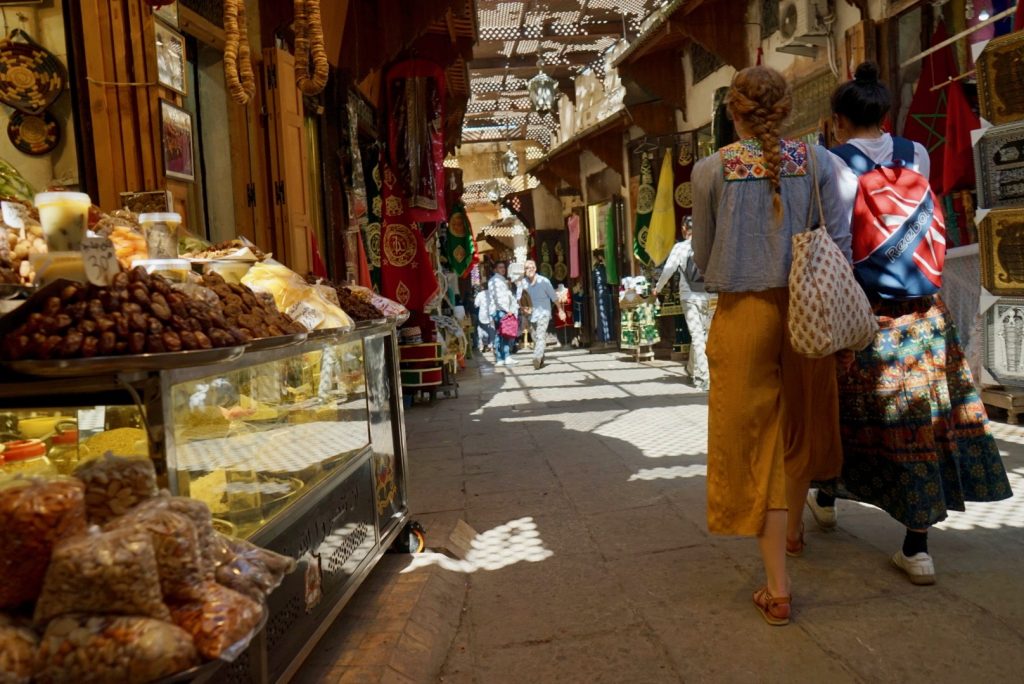
Bags: Crossbody bags or small backpacks are practical for navigating cities and markets, offering security and ease of movement. A tote bag is suitable for beach outings or excursions. Ideally, bags should have sufficient space for small purchases. For environmentally conscious travelers, lightweight, reusable grocery bags and produce bags are highly recommended to reduce plastic waste, especially when shopping in local souks. Alternatively, traditional woven palm straw bags, known as qouffa, are widely available and come in various sizes.
Hats: Wide-brimmed hats offer crucial sun protection in warmer months. In winter, a beanie provides warmth. Moroccan reed hats, such as the sheshia found in the north, are traditional and can be purchased locally. Rooftop restaurants and riads often provide simpler versions for guests. Chefchaouen’s "Hat Man" shop is famous for its colorful collection of hand-knitted hats.
Scarves: While head covering is not mandatory for tourists in Morocco (niqabs are scarce, and burqas are prohibited by the state), a lightweight scarf is an incredibly versatile accessory. It functions as sun protection for the head, neck, and shoulders, a modesty cover for religious sites or conservative areas, an extra layer of warmth for cool desert evenings, or a beach sarong. Moreover, scarves are a beautiful accessory that can instantly enhance an outfit. A wide variety of cotton or agave fiber scarves, often 2 meters long and in vibrant colors, are readily available in medina shops.
Health and Hydration: Key Travel Essentials
Sunscreen: Essential year-round, particularly in the south and desert. Eco-friendly, reef-safe options in tin cans are preferred by low-waste travelers. Sunscreen, sunburn relief, and lip protection are easily found in local pharmacies.
Layers: As highlighted, light layers are crucial for spring/summer evenings, while heavier layers are necessary for fall/winter. Merino wool is highly valued for its temperature-regulating properties.
Modesty Items: A shawl or scarf is invaluable for respectful visits to religious sites or more conservative regions.
Reusable Water Bottle: Staying hydrated in Morocco’s climate is critical. While bottled water is ubiquitous, using a reusable water bottle equipped with a filter, such as LifeStraw or Grayl, significantly reduces plastic waste by allowing safe refills from various sources.
Basic Toiletries: Include lip balm and moisturizer, as the dry climate can quickly dehydrate skin. High-quality argan oil, readily available in Medina shops, serves as an excellent all-over body moisturizer. Many souk vendors offer oils and soaps in refillable bottles or with minimal packaging, promoting low-waste alternatives to travel-sized plastic containers.
Dressing for Adventure: Hiking in Morocco’s Diverse Landscapes
Morocco’s striking geographical diversity, from the Sahara Desert to snow-capped Atlas Mountains, offers abundant hiking opportunities. For those planning extended treks or mountain explorations, additional gear is recommended:
- Hiking Boots or Sturdy Trail Shoes: Essential for varied terrain, providing ankle support and good grip.
- Moisture-Wicking Base Layers: To manage perspiration and regulate body temperature.
- Warm Mid-Layers: Such as fleece or down jackets, especially for higher altitudes or colder seasons.
- Waterproof and Windproof Outer Shell: Protection against sudden weather changes.
- Hiking Socks: To prevent blisters and provide comfort.
- Headlamp or Flashlight: For early morning starts or evening hikes.
Supporting Local Craftsmanship: Shopping for Authentic Moroccan Attire and Accessories
Engaging with Morocco’s artisan community offers a unique opportunity to acquire distinctive pieces while directly contributing to the local economy and the preservation of traditional crafts. Travelers are encouraged to seek out items from independent artisans or co-operatives rather than mass-produced goods.
Marrakech:
- Chabi Chic: An ethical Moroccan brand celebrating and elevating local craftsmanship, offering Moroccan-inspired jewelry, pottery, and decorative items. Stores are located throughout the city and medina.
- Hanout Boutique: A charming indie designer shop known for its modernized Moroccan aesthetic in dresses, tunics, and caftans. These unique, handmade pieces by local artisans feature a chic, minimalist Moroccan touch. Located at 15 Rue Riad Zitoun el Jdid and 90 Route Sidi Abdelaziz.
- Souk L’ghzal: Situated off Place des Epices in the Marrakech Medina, this traditional wool market features artisans washing, spinning, and dyeing wool. It also includes an area where women sell second-hand caftans, some of which are cherished vintage finds.
- Raffia Shoe Shops: Scattered throughout the Medina, these shops offer custom-made raffia shoes within a few days. A notable shop is found at the southern end of Rue Riad Zitoun Jdid.
Tangier:
- Las Chicas Concept Store: Located just outside the Kasbah Gate, offering designer clothes, bags, accessories, and home decor, all locally handmade.
- Kasbah Collective: A short distance from Las Chicas, this store similarly features designer items, bags, accessories, and locally crafted decor.
Chefchaouen:
- The Hat Man: A distinctive shop located on Rue Targui in the upper medina, known for its vibrant collection of hand-knitted hats in various styles and sizes. The shop is easily identified by its "Hat Man" sign.
Essaouira:
- Abdellah (Rafia Fashion Style): A talented raffia shoemaker and designer at Rue Abdelaziz Fachtali (sawaraj). Abdellah creates beautiful and comfortable shoes, purses, bags, and accessories from natural raffia fiber, blending modern and traditional Moroccan styles. His creations are customizable in color, size, and style, offering moccasins, sandals, derbies, and Moroccan-style slippers.
Online:
- Rhita Creations: A Moroccan designer jewelry brand based in Rabat, known for blending heritage and modernity in minimalist silver designs. Handcrafted from 925 silver, pieces draw inspiration from traditional Berber tattoos, Arabic calligraphy, and Moroccan geometric shapes. Showroom visits are available by appointment in Rabat, with products also stocked in indie stores in Casablanca, Marrakech, and Tangier.
This curated list provides a starting point for travelers seeking authentic Moroccan craftsmanship. Guidebooks such as "Moon Marrakesh & Beyond" and "Moon Morocco" by Lucas Peters offer further extensive shopping guides and deeper cultural insights, enhancing the travel experience.
Moroccan society exhibits a wide spectrum of dress, from headscarves and traditional jellabas to modern Western attire like skinny jeans, dresses, crop tops, and shorts, particularly visible in coastal towns during summer. While tourist centers and surf towns like Imessouane are generally more relaxed regarding revealing clothing, smaller towns and the countryside necessitate a more modest approach. Adopting a mindset that blends personal style with cultural awareness is key to respectful and sustainable travel. Moroccan women adeptly combine tradition with contemporary fashion; travelers embracing this spirit will find comfort and a natural integration into the country’s vibrant culture.
When preparing for a trip to Morocco, remember the three C’s: Comfort, Climate, and Customs. These principles will guide your packing and enhance your journey through this captivating nation.
Planning a Trip to Morocco?
Journey Beyond Travel has specialized in designing private, bespoke Morocco tours for over two decades, often engaging in detailed discussions with travelers about cultural expectations and practical considerations before their arrival. For those in the early stages of trip planning, the team welcomes inquiries to discuss itinerary options and offer expert guidance.
- Browse our Morocco itineraries
- Get in touch with our team
About the Author
Amina Lahbabi is a prominent Moroccan figure, recognized for her dedication as a feminist, mother, and climate change activist. She champions education, equal rights, and freedom of expression, leading Journey Beyond Travel’s NGO initiatives. With multiple graduate degrees in translation and communication, including a Fulbright Scholarship at Michigan State University, Lahbabi brings a profound understanding of cross-cultural dynamics. An accomplished photographer with a keen eye for art and personal expression, she also advocates for eco-friendly wardrobe choices, embodying a commitment to sustainability in her daily life in Tangier. Her insights are frequently referenced, including her Wikipedia profile.