The Evolution of Modern Travel Essentials A Comprehensive Guide to High-Utility Gear for the Contemporary Voyager


The global travel gear and accessories market has undergone a significant transformation over the last decade, transitioning from a niche industry focused on rugged outdoor exploration to a multi-billion-dollar sector catering to digital nomads, long-term backpackers, and efficiency-minded vacationers. As international travel continues to rebound and evolve, the emphasis among experienced voyagers has shifted from high-volume packing to the strategic selection of high-utility, minimalist items. Analysis of long-term travel patterns suggests that the most effective gear lists are those refined through years of practical application, often prioritizing multi-functional tools that fit within a standard 40-liter carry-on backpack. This professional assessment examines 20 essential categories of travel equipment that have redefined the modern transit experience.
The Intersection of Technology and Portability
In the contemporary travel landscape, electronics serve as the backbone of both navigation and professional productivity. The integration of high-performance hardware into compact forms has allowed travelers to maintain professional-grade capabilities without the burden of traditional, heavy equipment.

Precision Aerial Photography
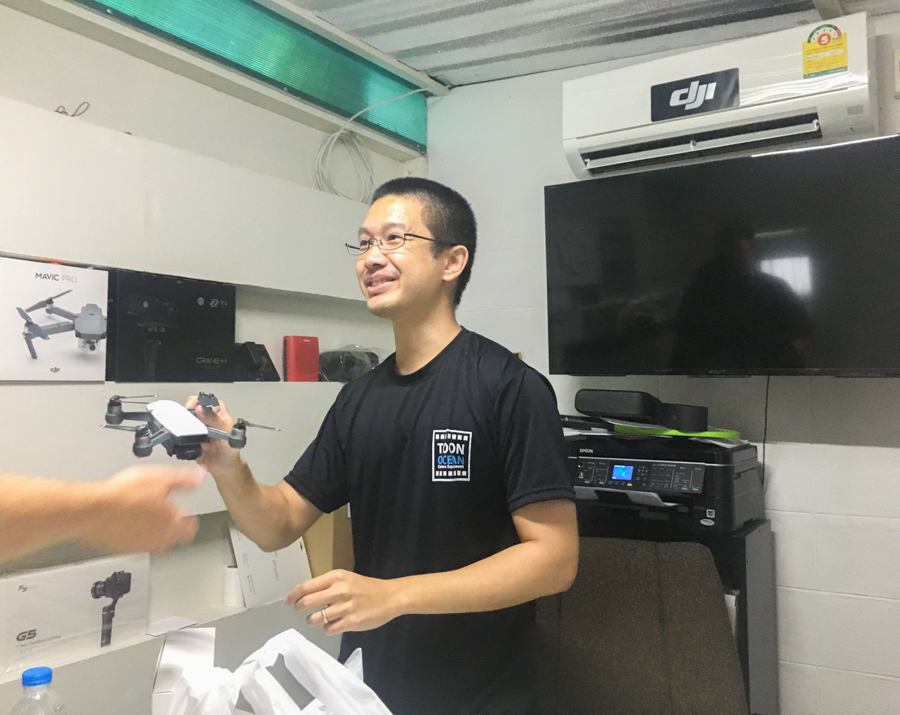
The democratization of aerial photography has been led by innovations from manufacturers such as DJI. Historically, high-quality aerial footage required professional-grade rigs; however, the introduction of ultra-compact drones like the DJI Spark and the Mavic Mini has altered the field. Weighing less than 250 grams, these devices bypass many of the stringent registration requirements in various jurisdictions while offering 2.7K to 4K video resolution and three-axis gimbal stabilization. For the modern travel documentarian, these tools provide unique perspectives that were once cost-prohibitive.
Power Management and Energy Security
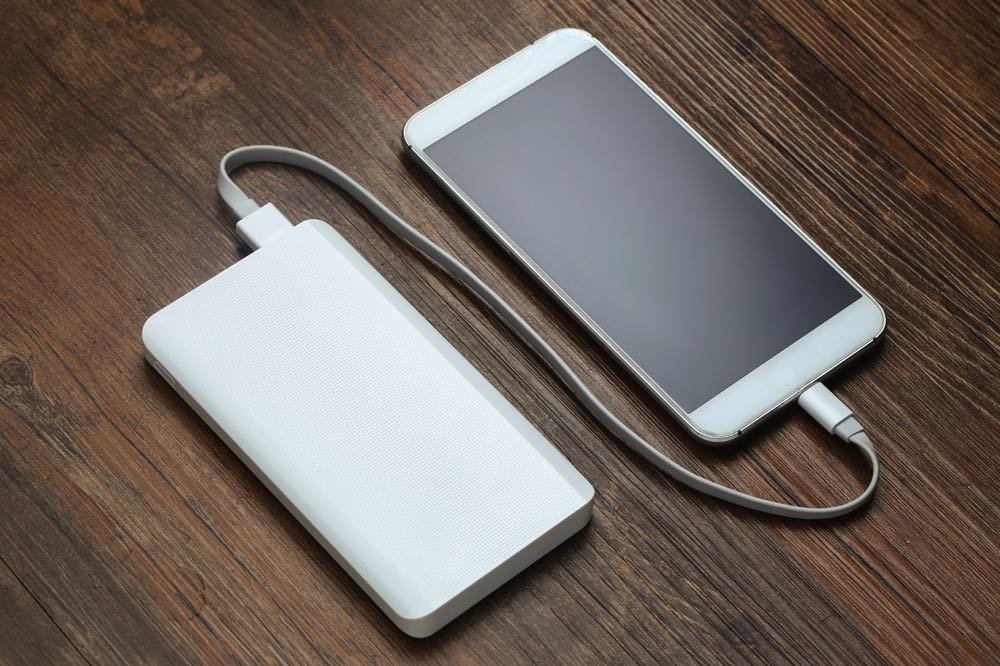
As reliance on mobile devices for boarding passes, GPS navigation, and communication increases, "battery anxiety" has become a legitimate concern for international travelers. The market has responded with high-capacity power banks from brands like RavPower and TP-Link. Modern portable chargers now offer capacities exceeding 20,000mAh, capable of recharging a standard smartphone up to six times. Furthermore, the development of ultra-slim "travel card" chargers, roughly the size of two credit cards, provides a critical emergency buffer for urban explorers who prioritize weight reduction.
Audio Isolation Technology
The rise of Active Noise Cancellation (ANC) technology has fundamentally changed the experience of long-haul transit. Industry leaders like Bose, with their QuietComfort series, and Apple, with the AirPods Pro, utilize external microphones to monitor ambient noise and generate "anti-noise" signals. This technology is particularly effective at neutralizing the low-frequency hum of aircraft engines and public transit, reducing listener fatigue and improving sleep quality in transit.

Organizational Systems and Spatial Efficiency
The shift toward carry-on-only travel has necessitated advanced organizational tools. Industry data indicates that travelers who utilize compression systems can increase their effective packing volume by up to 30% while maintaining a structured interior.
Advanced Compression Cubes
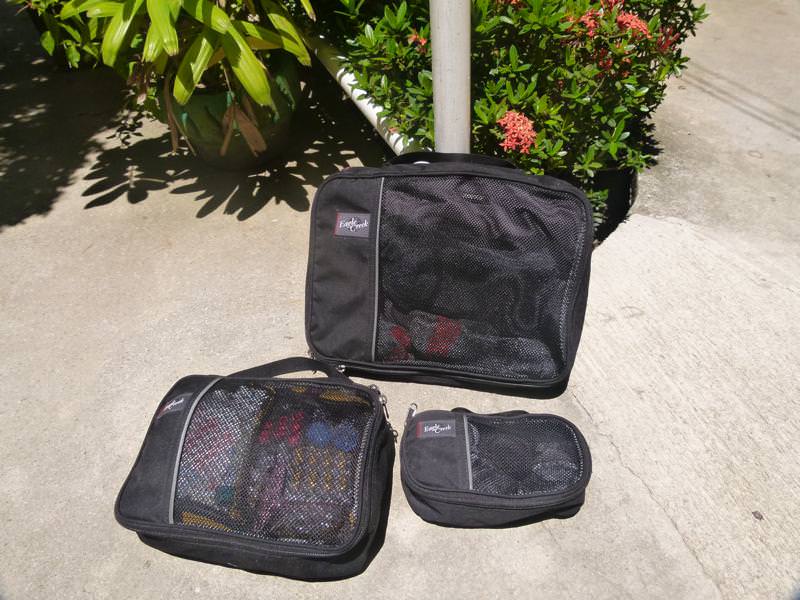
Zippered packing cubes, pioneered by brands like Eagle Creek, have become a staple for organized travel. These units allow for the compartmentalization of apparel, preventing shifting and wrinkling during transit. Durable nylon constructions and high-tensile zippers enable travelers to compress clothing into dense, manageable units, facilitating easier security screenings and faster unpacking at destinations.
Versatile Utility Plastics
Beyond specialized gear, the use of industrial-grade Ziploc bags remains a highly recommended strategy by travel experts. These bags serve as low-cost, waterproof barriers for electronics, organizers for tangled cables, and leak-proof containers for toiletries. In extreme environments, such as rainforests or coastal regions, they provide a secondary layer of protection against humidity and sand ingress.
Health, Hygiene, and Sustainable Consumption
The modern traveler is increasingly conscious of their environmental footprint and personal well-being. This has led to the adoption of reusable technologies that mitigate the impact of tourism on local ecosystems.
Water Purification and Sustainability
In many developing regions, the lack of potable tap water leads to a high reliance on single-use plastic bottles. To combat this, experienced travelers have turned to UV-C LED purification systems, such as the Steri-Pen, and high-quality reusable bottles. These devices can neutralize 99.9% of bacteria, viruses, and protozoa in approximately 60 seconds. This shift not only reduces plastic waste but also offers significant cost savings over the duration of a long-term trip.
Specialized Hygiene Solutions
For female travelers, the adoption of menstrual cups, such as the Diva Cup, represents a convergence of convenience and sustainability. These medical-grade silicone devices offer up to 12 hours of protection and eliminate the need to source sanitary products in regions where they may be scarce or culturally restricted. Similarly, the ubiquity of wet wipes provides a versatile solution for sanitation in environments where running water is unavailable, from remote hiking trails to dusty transit hubs.
Security and Safety Infrastructure
Personal safety remains a primary concern in the travel industry, leading to the development of portable security measures designed for varied accommodation types.
Room Reinforcement and Alarms
Portable doorstops and doorstop alarms have seen increased adoption among solo travelers. These devices provide a physical mechanical block to entry and, in the case of alarmed versions, emit high-decibel sirens (up to 120dB) upon unauthorized pressure. This provides an essential layer of security in hostels or guesthouses that may lack advanced locking mechanisms.
Standardized Locking Mechanisms
The use of TSA-approved locks remains a critical requirement for international transit. These locks allow security personnel to inspect luggage using master keys, preventing the destruction of equipment during mandatory screenings. Experts recommend the use of combination locks over keyed versions to eliminate the risk of lost keys in remote locations.
Performance Apparel and Specialized Tools
The "athleisure" trend has merged with travel-specific engineering to produce clothing and tools that perform across multiple climates and social settings.
Ergonomic and Packable Footwear
Footwear often represents the most significant weight and volume challenge in a traveler’s bag. Companies like Lems have addressed this by creating "zero-drop" shoes that are both anatomically correct and highly compressible. These shoes can often be rolled into a ball, allowing them to fit into small gaps in a backpack while serving as both casual walking shoes and light hikers.
Ethical and Technical Clothing
The apparel industry has seen a push toward ethical manufacturing and technical fabrics. Brands such as Prana have gained traction by utilizing organic cotton and recycled materials in garments like the Halle Pant, which offers stretch, breathability, and durability. These items are designed to transition from rugged trekking environments to urban settings, reducing the total number of items a traveler must carry.

Mobile Culinary and Grooming Tools
For the enthusiast, luxury items like the Handpresso—a manual, pump-action espresso machine—allow for a consistent experience regardless of local infrastructure. By utilizing hand-pumped pressure rather than electricity, these devices provide a high-quality alternative to instant coffee, offering significant long-term savings for budget-conscious travelers. Similarly, the advent of cordless, USB-rechargeable hair styling tools from brands like TYMO has allowed travelers to maintain grooming standards in campervans or locations with incompatible voltage outlets.
The Economic and Social Impact of Strategic Packing
The trend toward minimalist, high-quality gear reflects a broader shift in the global travel economy. According to industry analysts, the move toward carry-on-only travel is driven by several factors, including the rise of low-cost carriers that charge significant fees for checked luggage and the increasing frequency of lost baggage in major transit hubs.
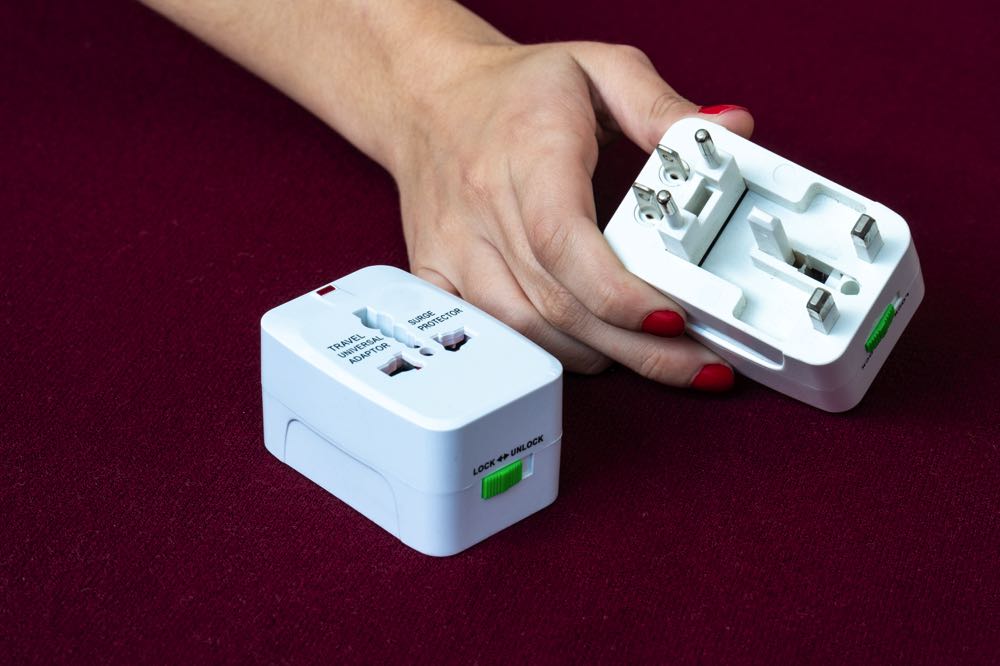
Furthermore, the "digital nomad" phenomenon has created a demand for gear that functions as a mobile office. The integration of first-aid kits, universal plug adapters with dual USB ports, and lightweight travel towels ensures that the modern traveler is self-sufficient. This self-sufficiency reduces the strain on local resources in emerging tourist destinations and allows for a more seamless integration into local cultures.
Conclusion and Future Outlook
The selection of travel gear is no longer merely about convenience; it is a strategic approach to global mobility. As technology continues to shrink and become more efficient, the boundary between "essential" and "luxury" gear continues to blur. Items like noise-cancelling earbuds and portable water purifiers, once considered high-end extras, are now viewed as fundamental tools for health and productivity.
The future of travel gear likely lies in further integration—smart fabrics that monitor health metrics, modular packing systems that interface with airline weight sensors, and even more advanced sustainable materials. For now, the 20 categories of gear outlined above represent the gold standard for the modern voyager, balancing the need for comfort, security, and professional capability within the constraints of a single backpack. As the world becomes increasingly accessible, the ability to travel light, fast, and prepared remains the ultimate advantage for the international explorer.