Cuba Grapples with Severe Humanitarian and Economic Crisis Amid Intensified US Oil Blockade and Tourism Collapse

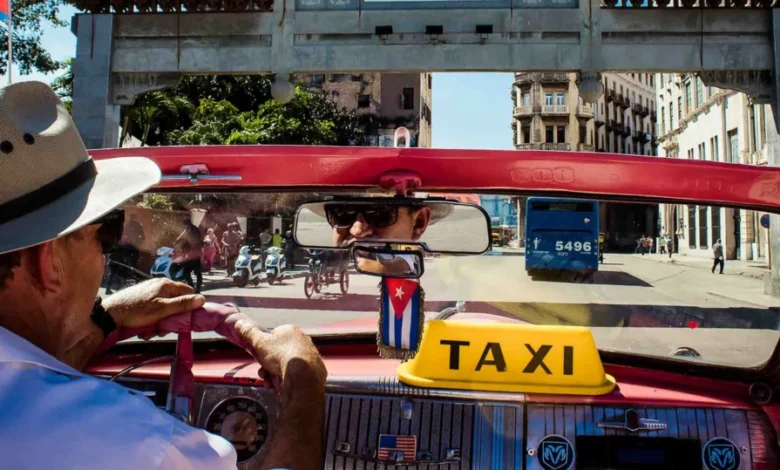
The Caribbean nation of Cuba is facing an unprecedented humanitarian and economic crisis, reeling from the compounding effects of a tightened US oil blockade, stringent sanctions, and a decimated tourism sector. While the island technically remains open for international visitors, government advisories warn against non-essential travel, and the daily reality for its 10 million citizens and businesses reliant on tourism is one of deepening hardship and uncertainty. This report, filed by Cuba expert and frequent traveler Claire Boobbyer on June 24, 2026, details the profound impact on ordinary Cubans and the island’s struggling economy.
A Nation on the Brink: Personal Stories of Survival

The stark reality of Cuba’s crisis is perhaps best illuminated through individual struggles. Tania Rodríguez, a university graduate living in central Cuba, recounts a desperate situation. Her last monthly pay cheque of 6,000 CUP (approximately US$10) from a foreign-managed hotel arrived in February. The government’s alternative offer of 3,000 pesos (US$5) a month as a hospital cleaner was untenable, particularly with elderly parents and a young child to care for. Subsequent cleaning work at a beach hotel, requiring her to sleep on-site, was also impossible. Tania now cooks on a charcoal patio, as a 20-liter bottle of gas on the black market costs an exorbitant 60,000 pesos (US$90). Emotionally, she describes selling clothes, shoes, and even sheets of wood from her home, contemplating parting with her fridge and water tank to buy food. "We are going downhill without any brakes," she states, crediting her family’s survival to a Canadian tourist friend who regularly tops up her bank card. Tania’s story is a poignant microcosm of the wider societal collapse unfolding across the island.
The Paralysis of an Oil Blockade
The current emergency escalated dramatically with an oil blockade imposed by the Trump administration on January 29th. This measure has nearly paralyzed the nation. Cubans now endure blackouts for 22-23 hours a day, fuel prices have skyrocketed, and cross-country transport infrastructure is crumbling. The scarcity of electricity means water pumps often lack power, leading to widespread water shortages in homes. Hospitals are struggling to maintain basic functions, and essential medicines are increasingly only found on the black market, if at all.

The energy crisis has had a cascading effect on international travel. Airlines began pulling out of Cuba, and numerous countries, including the UK, Ireland, Switzerland, and Australia, issued advisories against non-essential travel. In a significant blow, Canada, historically Cuba’s largest source of tourists for decades, repatriated its citizens in February, effectively severing a vital lifeline.
Tourism: A Shattered Economic Pillar
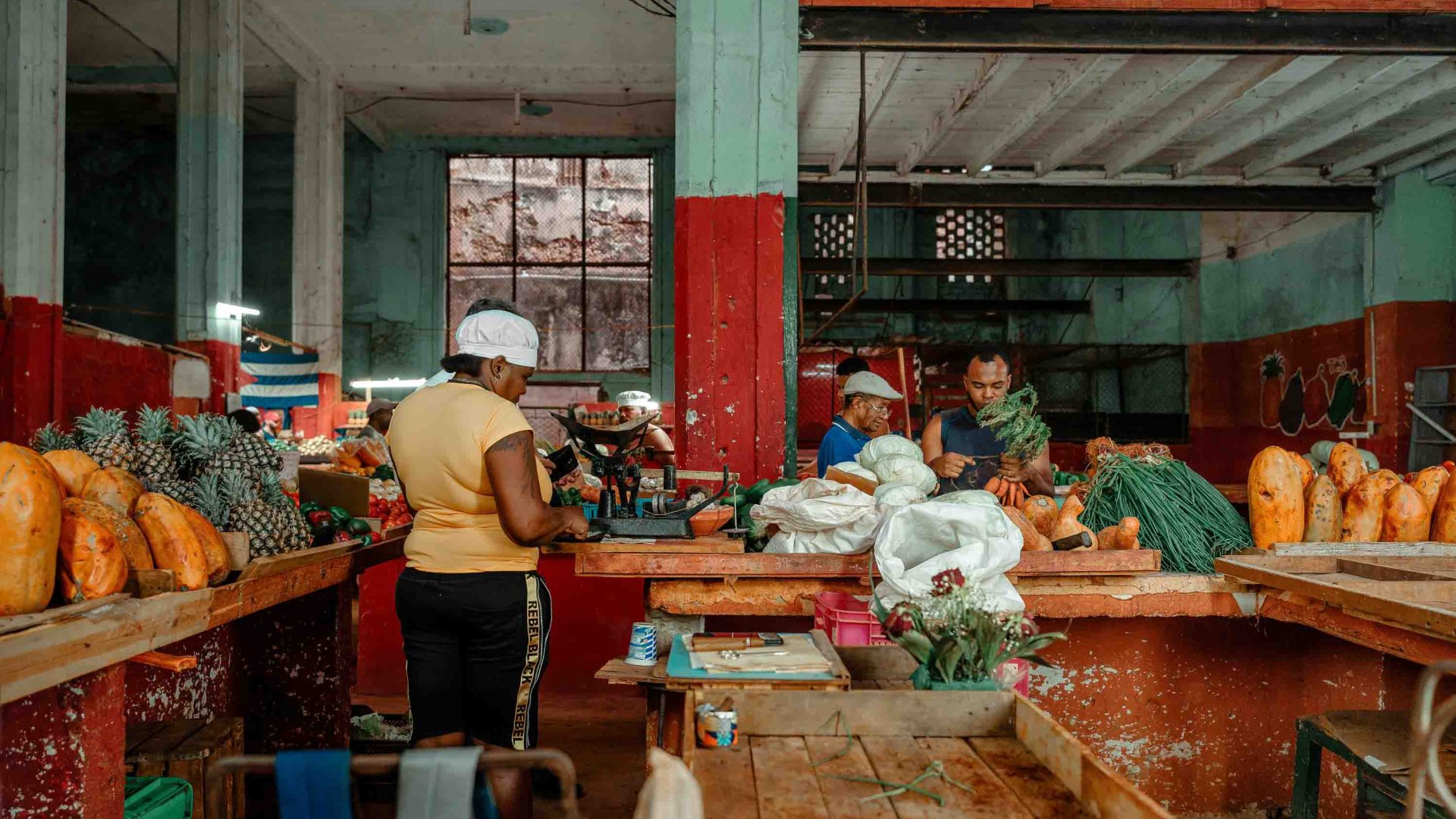
Cuba’s tourism sector, once a robust economic engine, is now in freefall. In 2017, the industry generated USD$3.3 billion, accounting for 10% of the country’s GDP. Paolo Spadoni, Associate Professor at Augusta University and co-author of The Cuban Tourism Industry, highlights that up to 500,000 Cubans are directly and indirectly linked to the sector, relying on wages, revenue, and tips. Today, the vibrant streets and bustling cultural venues that once characterized Cuban tourism are eerily quiet.
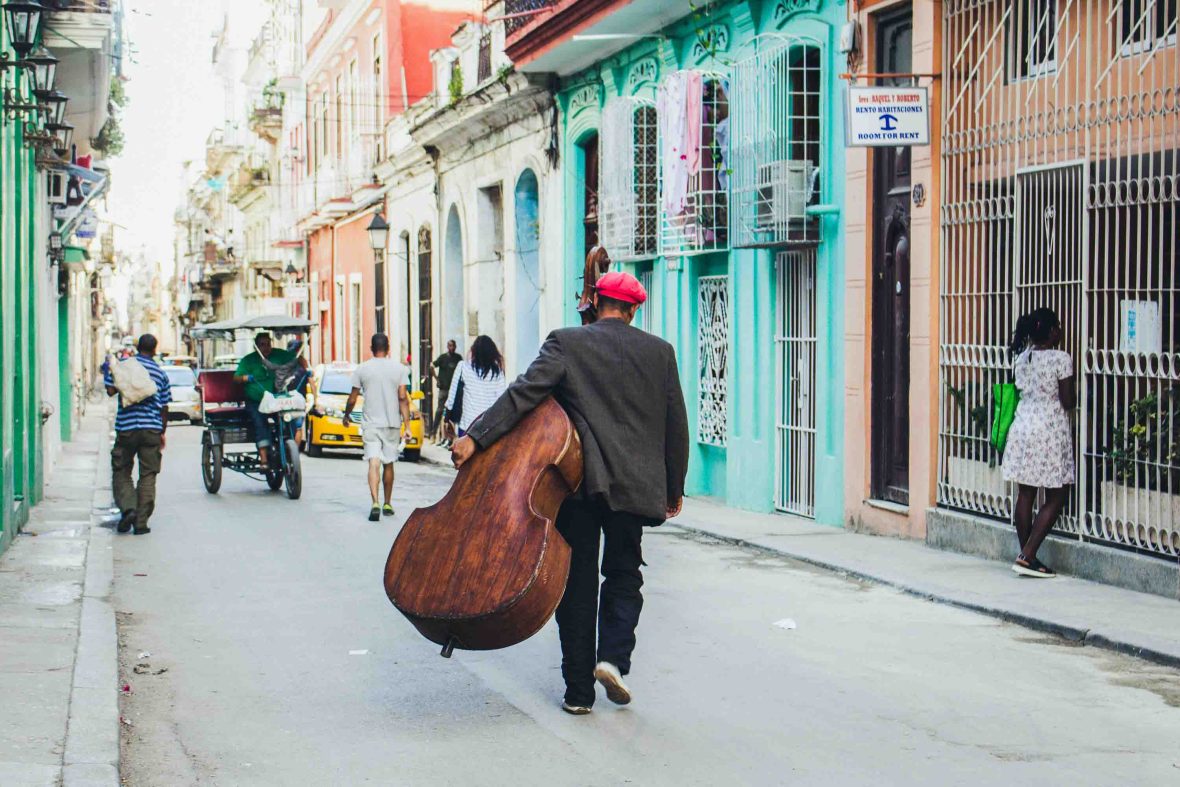
Urszula Abolik, a Polish American who has visited Cuba for 12 years, experienced this firsthand during her two-week stay last month. At a poetry reading at Ojo del Ciclón in Old Havana, she was one of only two tourists. "I’ve never seen Havana that quiet," she remarked, lamenting the struggles of artists and dancers who "still show up for their art, but it’s very hard for them right now. You cry that Havana is like that." Despite pockets of activity, such as a packed solar-powered club where she was the sole foreigner, and the superb Buena Vista Social Curry Club where she was the only diner during a performance by acclaimed pianist José Portillo, the overall picture is one of severe decline.
The official statistics confirm this dire situation. Between January and April 2026, Cuba recorded only 328,608 visitors, a staggering 56% drop compared to the same period last year. This is a far cry from Cuba’s tourism peak in 2017-18, when nearly five million people visited annually following the normalization of relations and eased travel restrictions under President Obama.
The Deep Roots of Crisis: A History of Sanctions and Economic Strain
The unfolding crisis of 2026 is not an isolated event but rather the culmination of decades of geopolitical tensions and internal economic challenges. The US Embargo against Cuba, first imposed in 1962, has been systematically tightened over the years. A pivotal moment came in 2021 when the Trump administration placed Cuba back on the "State Sponsors of Terrorism" (SST) List. This designation has severely crippled Cuba’s ability to receive foreign aid, process international financial transactions, and access global markets, deterring foreign investment and trade. The SST listing also nullified the ESTA visa-waiver scheme for travelers who visited Cuba on or after January 12th, 2021, impacting tourist flows from a significant demographic.
Beyond external pressures, Cuba’s centrally planned economy has faced persistent internal mismanagement throughout 67 years of Castro family rule. Over-investment in tourist hotels post-pandemic, for instance, diverted resources from more pressing service needs. The COVID-19 pandemic further devastated the tourism industry, from which it had not fully recovered before the latest sanctions hit.
On June 5th, a new ultimatum from the Trump administration forced several international hotel brands to sever ties with Gaviota, the tourism arm of Cuba’s military-owned conglomerate GAESA, which controls a substantial portion of the Cuban economy. Foreign companies were warned to cut links or face sanctions, further isolating Cuba’s state-owned tourism infrastructure.
Economic Realities: Wages, Inflation, and the Black Market
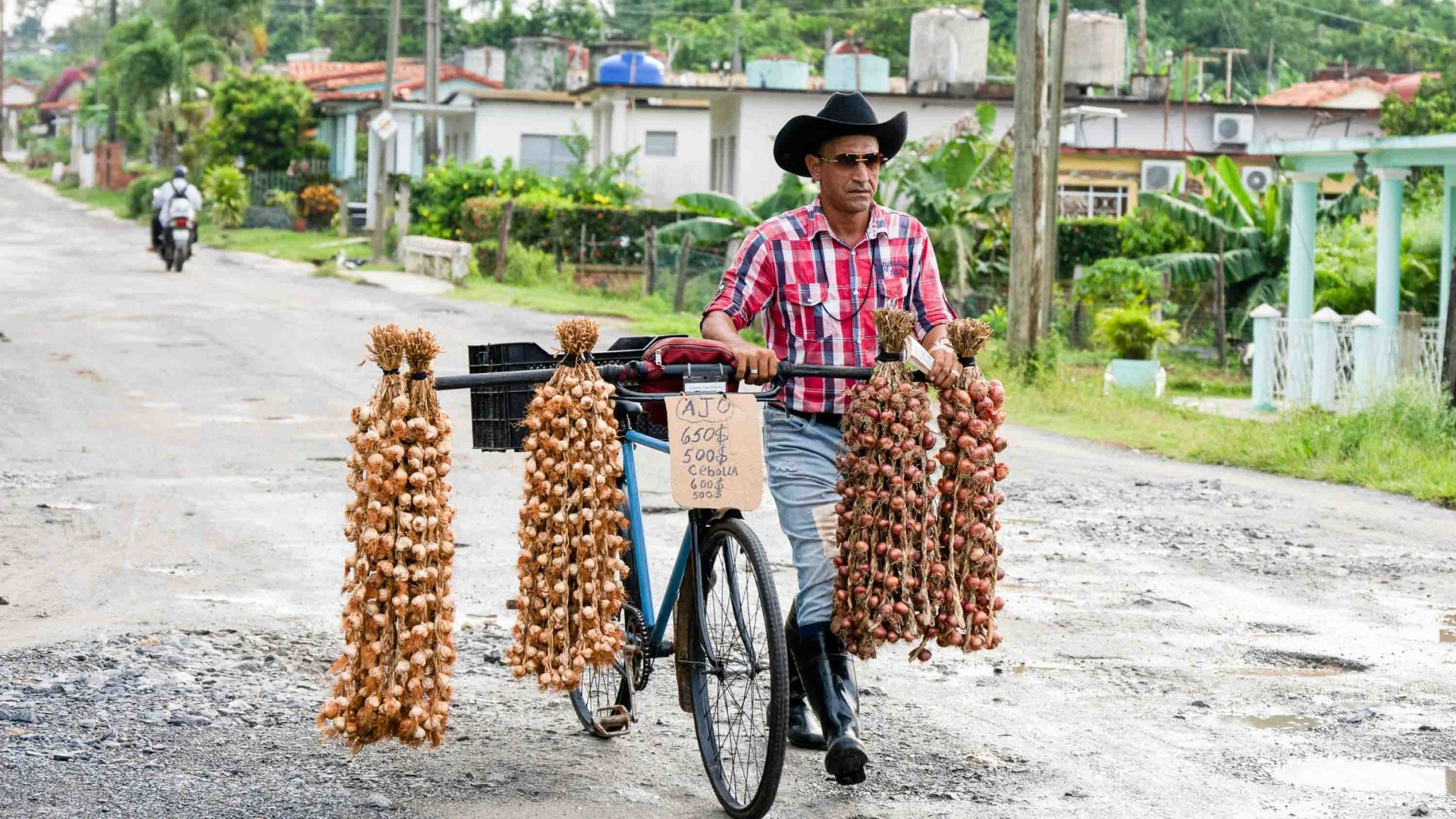
One of the most pressing issues for the majority of the employed population, two-thirds of whom work for the state, is the abysmal wage structure. The average monthly Cuban salary last year was 6,930 pesos (USD$11.55), while the average pension stands at a mere USD$4.50 a month. This economic fragility was exacerbated by the 2021 decision to unify Cuba’s dual currency system, phasing out the Cuban convertible peso (CUC) and leaving only the Cuban peso (CUP). This move, intended to simplify the economy, instead triggered rampant inflation, a spiraling cost of living, and a booming black market for currency exchange.
The purchasing power of Cubans has plummeted. The estimated basic basket of nutritional food now costs 14 times the average salary, rendering essential sustenance unaffordable for many. For the Revolution generation, surviving on a less than USD$5-a-month pension with no support from remittances is simply unviable. The United Nations recently stated that the US sanctions are stripping Cubans of "essential supplies and services, including water, food and healthcare." In June, the black market rate for one US dollar reached 695 Cuban pesos, significantly higher than the official "floating rate" of 553 CUP offered by exchange bureaus, further highlighting the economic disparity and the informal economy’s dominance.
Resilience and Advocacy Amidst Despair
Despite the overwhelming challenges, some individuals and businesses are demonstrating remarkable resilience. Sussel Rodríguez, CEO of the Estampa Collection, keeps her flagship hotel La Reserva in Havana open. Her Loft Habana Boutique Hotel, overlooking the city’s harbor, has been creatively repurposed for art pop-ups and craft workshops. Speaking on behalf of Havana’s creative community, which continues to host events, concerts, and art shows, she asserts, "Like many Cuban entrepreneurs, we’ve stopped waiting for things to change to try to create movement with the tools we have. I’d like to continue in the fight and not give up."
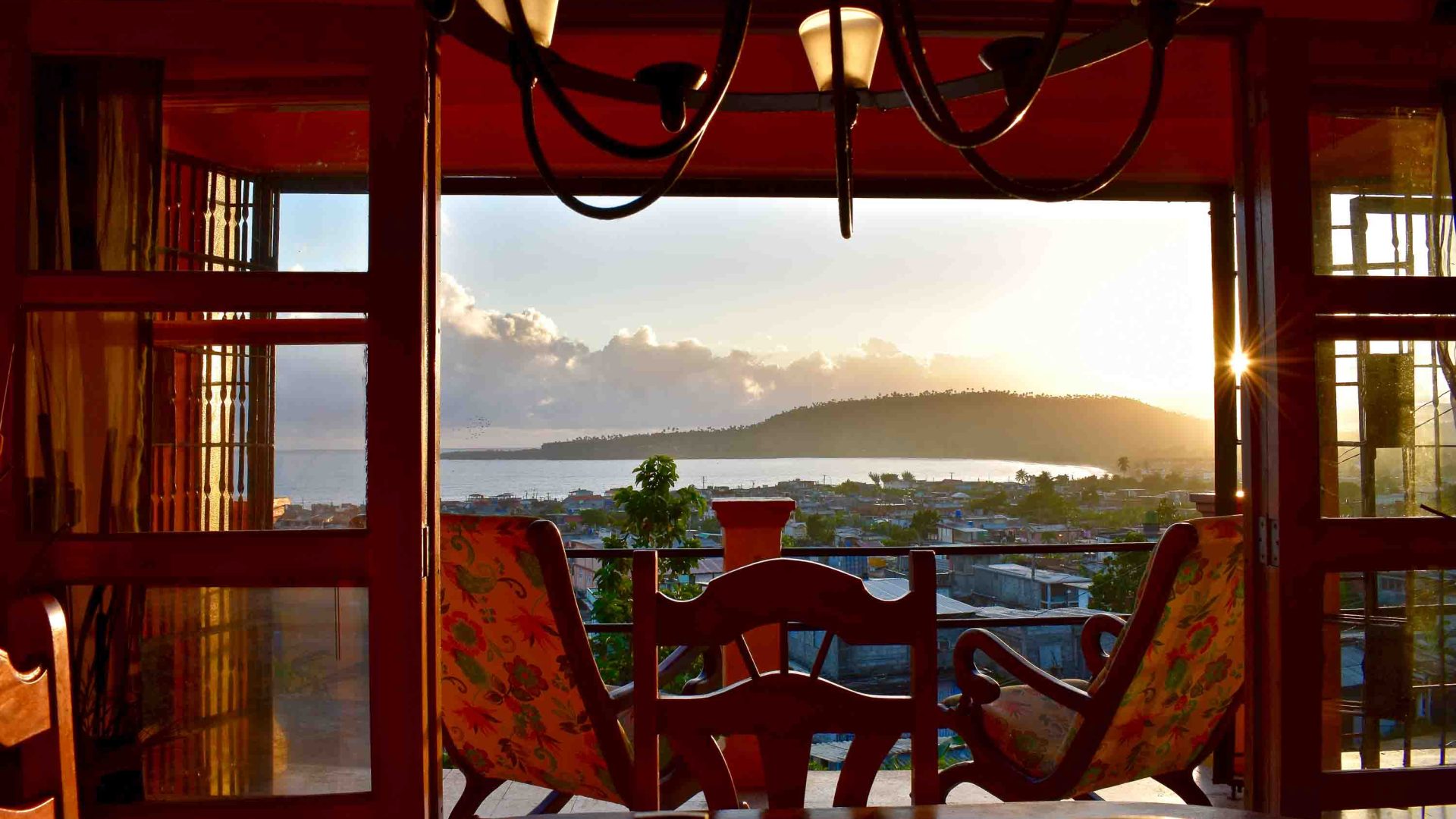
The private sector, comprising thousands of B&Bs and boutique hotels, is also struggling. Manuel Riquenes, owner of B&B Villa Paradiso in Baracoa, 500 miles from Havana, reports only four tourist reservations since January. The island-wide tourist coach service, Víazul, cut its route to Baracoa post-pandemic. Private vans, when fuel is available, offer expensive alternatives (USD$215 from Santiago de Cuba), while private trucks cost 10,000 pesos (USD$15). Riquenes explains, "Tourists fear getting stuck and being unable to find their way back in time to take their return flights."
Even international advocates face hurdles. UK-based Cuba specialist tour operator Love Cuba, which typically sends 5,000-6,000 travelers annually, now sees only about 20 people a month traveling with Air Europa, the sole airline flying from mainland Europe, relying on specialist insurance. Damien O’Brien, Love Cuba’s CEO, notes that while state-owned hotels in resorts like Varadero are historically ringfenced with generators and food supplies, private entrepreneurs and new Micro, Small and Medium-Sized Businesses (Mipymes) have invested in power storage systems like EcoFlow to keep their operations and homes running.
Anne-Marie Flynn, a French Canadian who runs Casa Cub’Anita, a restored Hershey’s Chocolate home B&B east of Havana, has seen all 56 of her reservations canceled this year, leaving her four local employees jobless. "The taxi driver I worked with in the last five years has sold his car to feed his kids," she shares. Flynn’s plea is direct: "We need tourism. We have food but no work, no income, no nothing. And we need to show this clown [Trump] next door that we’re still able to stand up even with no fuel and with the type of genocide, the silent genocide, that is affecting us."
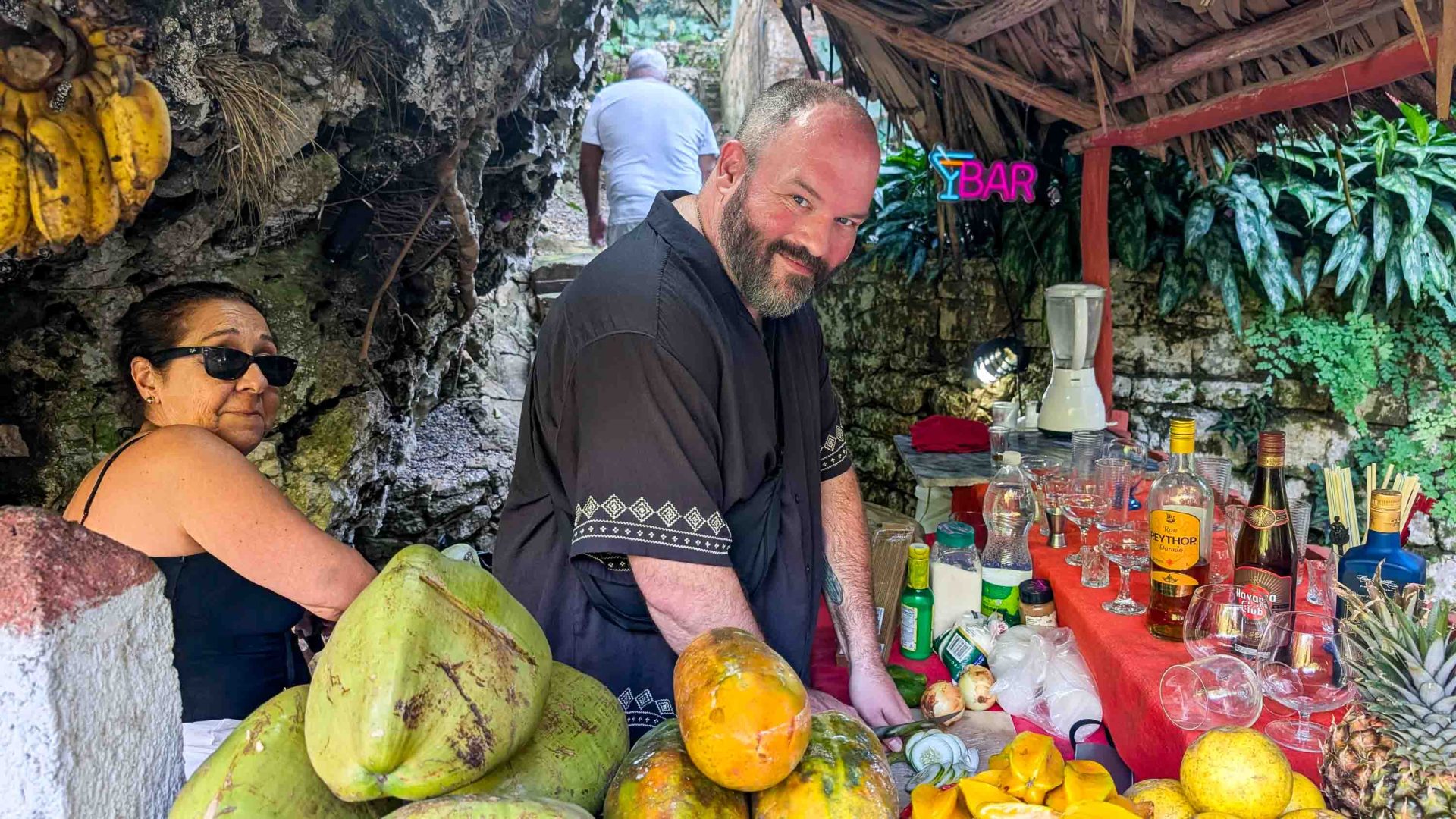
Memphis-based chef Kyle Tuna Gairhan, who hopes to relocate to Cuba, continues his "Buen Sabor Tours," though this month he is taking only two visitors. "Everyone is pretty much afraid to go," he admits. Gairhan focuses on "Support for the Cuban People" tours, a legal way for US citizens to visit, ensuring money goes directly to Cuban-owned establishments. His "Un Plato Más" (One More Plate) initiative collaborates with a Cuban chef to create fusion Cuban-southern barbecue, which is then donated to local people, with a future plan to fund the cost-free food through a restaurant. Gairhan also emphasizes a crucial distinction often missed in international reports: "In Cuba, there’s food. All the shops are open pretty much and imports are coming in. There’s no food shortage; it’s a wage shortage. People can’t afford to get food."
Government Responses and International Calls
Facing immense pressure, the Cuban government announced a package of major reforms on June 18th, aimed at opening up the economy. Simultaneously, Cuban leaders are engaged in high-level talks, defending their right to sovereignty, though these discussions are reportedly stalling.
The international community, through organizations like the UN, has increasingly voiced concerns over the humanitarian impact of the US sanctions. The UN’s recent statement underscores the gravity of the situation, highlighting how sanctions impede access to basic necessities for Cubans. The ongoing geopolitical stalemate between Washington and Havana leaves the island’s future precarious. As one tourism worker succinctly put it, regarding the impasse, "It’s like the electricity at the moment. You never know when the situation will be fixed." The human cost of this prolonged political and economic standoff continues to mount, with millions of Cubans caught in the crossfire of policies beyond their control.
Adventure.com strives to be a low-emissions travel publication. We are powered by, but editorially independent of, Intrepid Travel, the world’s largest travel B Corp, who help ensure Adventure.com maintains high standards of sustainability in our work and activities. You can visit our sustainability page or read our Contributor Impact Guidelines for more information.
Claire Boobbyer
Travel writer, photographer, and Cuba expert, Claire regularly writes about Latin America, Vietnam, and Laos. She fell in love with Latin America some 20 years ago after backpacking from Chile to the Colombian coast.