CookUnity’s Chef-Crafted Meals Promise Restaurant Quality at Home, But Do They Deliver?

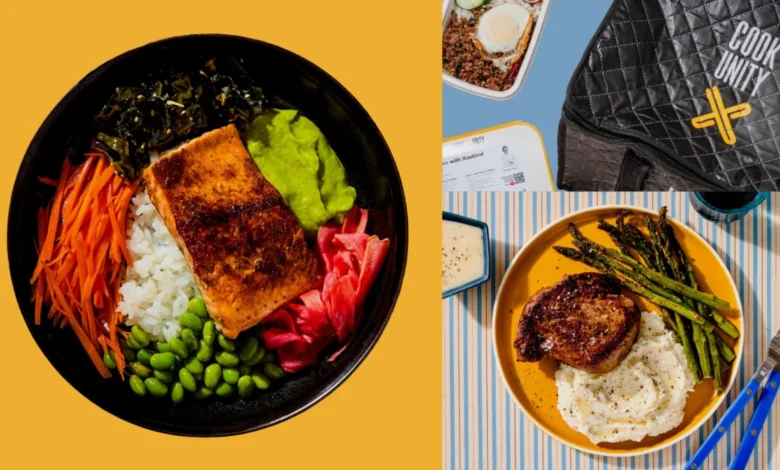
For many individuals navigating the demands of modern life, the desire to prepare healthy, home-cooked meals often clashes with realities of extensive travel and unpredictable work schedules. This common predicament can lead to an abundance of fresh produce languishing in refrigerators, a silent testament to evenings too exhausting for culinary endeavors. While the market for meal delivery services and kits has burgeoned in an attempt to bridge this gap, finding a consistently reliable and satisfying option has proven elusive for many consumers. In this landscape, CookUnity has emerged, positioning itself as a solution that brings the expertise of renowned chefs directly to the consumer’s kitchen, offering fully prepared meals that aim to replicate the dining experience of a high-end restaurant.
CookUnity’s distinct approach centers on a curated selection of dishes conceived by celebrated culinary figures. The service boasts an impressive roster of chefs, including James Beard Award winners like Marcus Samuelsson, Jose Garces, Marc Forgione, and Esther Choi, whose culinary prowess is now accessible through pre-portioned, ready-to-heat meals. This emphasis on chef-driven recipes is a key differentiator, aiming to elevate the perception of convenience food beyond mere practicality to one of gourmet quality. Coupled with price points that average around $11 per meal, the promise of restaurant-quality food at a fraction of the cost of dining out presents a compelling proposition for time-strapped consumers seeking both convenience and culinary excellence. This review delves into the operational aspects, cost, taste, and overall value of CookUnity, aiming to provide a comprehensive assessment of its effectiveness as a meal solution.
The CookUnity Ordering Experience: A Culinary Journey from Home
The initial engagement with CookUnity begins on its user-friendly website, where potential customers can explore a sample menu tailored to their geographical region. Each dish is presented with detailed information, including the name of the chef responsible for its creation, a brief biographical sketch highlighting their culinary background, and comprehensive lists of ingredients and nutritional facts. This transparency aims to foster a connection between the consumer and the culinary talent behind the meals, reinforcing the service’s "get to know the people behind your meal" ethos. Chef photographs are prominently featured on the packaging, a deliberate strategy to leverage their established reputations as a draw for customers.
The process of placing an order is designed to be straightforward. After selecting a region, users are guided through a brief questionnaire, typically encompassing preferences for protein types, any dietary restrictions or allergens to avoid, and the desired quantity of meals per week. This information, combined with payment details, allows for the creation of a customer account and the initiation of the first delivery order.
The browsing experience itself is often likened to perusing a restaurant menu, offering a wide spectrum of cuisines and catering to various dietary needs. Beyond the standard vegan, pescatarian, and gluten-free options, CookUnity has expanded its offerings to include meals that align with specific health-focused profiles, such as those supporting GLP-1 balance or adhering to the principles of the Mediterranean diet. This broad appeal allows for a highly personalized selection process. For instance, in one evaluation, a diverse range of dishes were chosen, including vegetable and quinoa enchiladas, Sri Lankan lobster curry, vegan pasta alla vodka, red wine braised short ribs, a Mexican pork bowl, and a gochujang tofu rice bowl. This selection was intended to test the quality and consistency across different culinary styles and dietary categories.
Once the meal selections are finalized, customers can choose their preferred delivery day and window. It is worth noting that for certain plans, such as the six-meal package, the earliest available delivery date might be approximately a week out. While this lead time may be longer than some consumers anticipate, CookUnity offers the flexibility to skip future orders without any additional cost, a feature particularly beneficial for individuals with frequent travel commitments.
The delivery process itself is generally reported as smooth and efficient. Customers typically receive a text message on the morning of their scheduled delivery, providing a reminder of the impending arrival. This is often followed by a more precise update once a confirmed delivery window is established. Upon arrival, meals are usually found neatly arranged within an insulated bag, complete with ice packs to maintain optimal freshness. The packaging is designed for ease of transport, often featuring handles for convenient carrying.
CookUnity Pricing Structure and Value Proposition
CookUnity’s pricing strategy is designed to offer a cost-effective alternative to traditional dining out. On average, individual meals are priced at approximately $11. This price point fluctuates based on the quantity of meals ordered, with larger orders typically resulting in a lower per-meal cost. For example, a six-meal plan might see the cost per serving increase to around $12.29. The service allows for flexibility in order size, with options ranging from a minimum of four meals to a maximum of sixteen meals per week.
When compared to the cost of ordering takeout or delivery from restaurants, CookUnity generally presents a more economical solution. The elimination of delivery fees and tip requirements further enhances its cost-saving appeal. However, it is important to note that this pricing may not always be directly comparable to the cost of grocery shopping and home cooking, which can be significantly lower depending on ingredient choices and meal complexity. The value proposition of CookUnity thus lies in the trade-off between cost savings and the elimination of meal preparation labor and associated mental load.
Evaluating CookUnity: Strengths and Areas for Improvement
Key Strengths of CookUnity:

-
Exceptional Culinary Variety and Quality: A significant advantage of CookUnity is the sheer breadth of its menu and the high caliber of its chef-curated dishes. The service offers an impressive array of options for individuals with specific dietary needs, including over 150 gluten-free and 120 vegetarian choices. Even for those without dietary restrictions, the performance of these specialized meals is noteworthy. For instance, a vegan pasta alla vodka with eggplant "meatballs" was lauded for its robust flavor, with the pasta maintaining an al dente texture and the cashew-based sauce achieving a desirable consistency upon reheating. This suggests that dietary accommodations do not necessitate a compromise on taste or texture.
-
Unparalleled Convenience and Ease of Preparation: The meals are designed for maximum convenience, requiring minimal effort beyond the heating process. The packaging is engineered to be both microwave and oven-safe, eliminating the need for additional dishes and simplifying cleanup. The standardized cooking instructions across all meals – typically 350°F for 12-15 minutes in the oven or 2-3 minutes on high in the microwave – facilitate the preparation of multiple dishes simultaneously, a practical advantage for households serving more than one person. The most involved step often amounts to simply removing sauce containers before heating.
-
Restaurant-Quality Taste and Texture: The most striking aspect of the CookUnity experience is often the unexpected quality of the food. Many dishes reportedly rival those found in sit-down restaurants, exceeding the expectations set by fast-casual dining. The short ribs are described as "fall-off-the-bone" tender, and the lobster, a notoriously difficult protein to preserve well in prepared meals, is noted for its tenderness. Vegetables tend to retain their crunch and firmness, and the rice in various dishes is consistently praised for its fluffiness and seasoning. While a minor exception was noted with a short rib dish where moisture from Brussels sprouts slightly affected the texture of the sweet potato mash, the overall consensus points to a high standard of culinary execution. The inclusion of supplementary sauces, such as the Mayan sauce for a Mexican cochinita pibil bowl, further enhances the dining experience by allowing for customization and added flavor.
Areas for Consideration and Potential Drawbacks:
-
Caloric Density: While CookUnity does not explicitly market itself as a "healthy" meal service, some consumers may be surprised by the caloric content of certain dishes, with some meals exceeding 1,000 calories. This can be attributed to the culinary practices of chefs who often utilize richer ingredients like oil, butter, and other flavor-enhancing components to achieve desirable textures and tastes. Individuals prioritizing calorie control may need to exercise careful selection and pay close attention to nutritional information to identify lower-calorie options.
-
Limited Shelf Life and Freezing Capabilities: The meals typically come with specific storage guidelines, indicating a shelf life of no more than five days upon delivery. The service does not provide instructions or recommendations for freezing meals for later consumption. This necessitates timely consumption within the specified date range. Consequently, if unexpected events lead to dining out or changes in meal plans, consumers may find themselves compelled to discard uneaten meals, representing a potential waste of both food and money.
-
Delivery Window Flexibility: While the delivery process is generally smooth, the initial delivery window provided can sometimes be quite broad, spanning up to 12 hours. For individuals with demanding work schedules or those who are away from home during typical delivery times, this broad window can raise concerns about the food sitting outside for extended periods, especially in adverse weather conditions. Fortunately, the robust insulation and ample ice packs in the packaging often mitigate this risk, ensuring that the food remains fresh even if left unattended for a few hours. However, the lack of more precise delivery time selection could be a point of friction for some users.
The Verdict: CookUnity’s Place in the Meal Delivery Landscape
CookUnity’s core promise revolves around delivering restaurant-quality meals, crafted by notable chefs, directly to consumers’ homes at a more accessible price point than traditional takeout or dining out. Based on extensive review, the service largely fulfills this commitment. The gochujang tofu rice bowl from Chef Bong Le Jo, for instance, is highlighted as a superior alternative to takeout replicas. While the cost may not always undercut a dedicated grocery shopping trip for ingredients, it undeniably offers significant savings compared to a week’s worth of restaurant meals, especially when factoring in delivery fees and tips.
A significant strength of CookUnity lies in its expansive offerings for individuals with particular dietary requirements or preferences. While many meal services provide a limited selection of vegan or gluten-free options, CookUnity presents a substantial catalog of recipes catering to these needs, ensuring that dietary restrictions do not equate to a lack of culinary choice.
For those seeking to develop their cooking skills and engage in the process of meal preparation, other meal kit services might be a more appropriate choice. However, for individuals prioritizing speed, a high degree of personalization, and meals that require minimal mental effort to bring to the table, CookUnity emerges as a highly commendable option. The service effectively bridges the gap between convenience and culinary excellence, offering a compelling solution for busy individuals who value delicious, chef-prepared food without the associated time commitment. The prospect of reordering and exploring further culinary creations makes CookUnity a strong contender for those looking to simplify their mealtimes without sacrificing taste or quality.
Related posts: