Milos: A Cycladic Gem Unveiled – Exploring the Untouched Beauty and Rich History of Greece’s Volcanic Island

Milos, a captivating island nestled in the heart of the Cyclades archipelago, stands as a testament to Greece’s multifaceted allure, offering visitors a distinctive blend of dramatic volcanic landscapes, pristine beaches, and profound historical significance. For centuries, this picturesque island has been a cherished destination for discerning travelers and locals alike, drawn by its breathtaking beauty and the myriad of unique experiences it presents across its compact yet diverse terrain. Its rising profile in global tourism underscores a growing appreciation for destinations that combine natural splendor with rich cultural heritage, away from the more overtly commercialized Greek islands.

Geological Grandeur and Ancient Narratives

The island’s unique character is intrinsically linked to its volcanic origins, a geological history spanning millions of years that has sculpted Milos into an unparalleled canvas of natural wonders. This ancient volcanic activity has endowed the island with its iconic, often surreal, coastlines and a rich subsoil abundant in minerals such as obsidian, sulfur, and bentonite. These geological features not only contribute to its stunning visual appeal but have also played a crucial role in shaping its human history and economic development, as evidenced by sites like the Milos Mining Museum, which chronicles the island’s enduring relationship with its geological wealth. The island’s geological formations, particularly those composed of pumice and tuff, are a direct result of its position on the Hellenic Arc, an active volcanic zone. This geological dynamism has created geothermal fields, once harnessed for energy, and continues to influence the island’s thermal springs and unique marine environments.

Milos’s history is as rich and layered as its geological strata, stretching back to prehistoric times. Evidence of human habitation dates back to the Neolithic period, with the island serving as a significant source of obsidian, a prized volcanic glass used for tools and weapons across the Aegean, facilitating early trade networks throughout the Mediterranean. Later, Milos flourished during the Minoan and Mycenaean eras, before becoming a prominent member of the Delian League in classical antiquity. Its strategic location in the Aegean made it a coveted prize for various empires, including the Romans and Byzantines, whose influences are still palpable in its archaeological sites. The island’s neutrality during the Peloponnesian War ultimately led to the infamous "Melian Dialogue" and its tragic subjugation by Athens, a pivotal event in ancient Greek history. The discovery of the iconic Venus de Milo in 1820 near the Ancient Theatre underscores the island’s profound artistic and cultural heritage from the Hellenistic period, highlighting its past as a center of artistic production.

Navigating Milos: A Journey to Authenticity

While Milos may not boast the direct international flight connections of its larger Cycladic counterparts like Mykonos or Santorini, its accessibility remains remarkably straightforward, contributing to its slightly less commercialized, more authentic charm. Travelers frequently reach the island via high-speed ferry services from major hubs such as Mykonos and Santorini, offering a scenic sea voyage that introduces the beauty of the Aegean. These ferry routes are well-established and operate frequently during the high season, typically from May to September. Alternatively, domestic flights from Athens provide a swift connection, landing at Milos Island National Airport (MLO), just a short distance from the main port. This travel dynamic ensures that Milos retains a sense of discovery, appealing to those seeking an escape from mainstream tourism, often attracting a more independent and culturally curious demographic.

Upon arrival, Adamantas (often referred to as Adamas), the island’s primary coastal harbor town, serves as the bustling gateway. This vibrant port is not merely a transit point but a destination in itself, offering a lively promenade, a selection of charming cafes, and welcoming tavernas. Its strategic position also makes it an ideal base for exploring the island’s numerous attractions, with local taxis and rental car services readily available for onward travel to other parts of the island. Public bus services also connect Adamantas to several key villages and beaches, offering a cost-effective mode of transport.

Coastal Spectacles: Sarakiniko Beach and Beyond

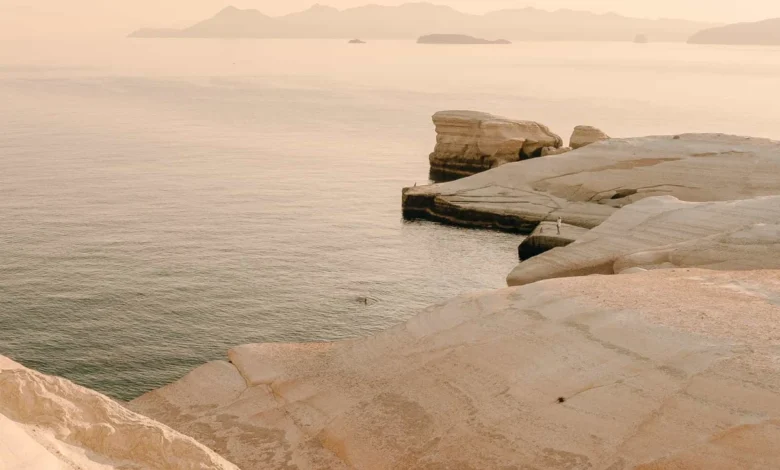
Among Milos’s most celebrated natural wonders is Sarakiniko Beach, located on the island’s northern coast, not far from Adamantas. This unique landscape, often described as lunar or otherworldly, is characterized by its dramatic white volcanic rock formations, sculpted over millennia by wind and sea. Unlike traditional sandy beaches, Sarakiniko offers a stark, gleaming white coastline that plunges into crystal-clear turquoise waters, inviting visitors to swim, relax, and marvel at its geological artistry. The formation is primarily composed of soft, white volcanic ash rock, known as tuff, which has been eroded by waves and wind into smooth, undulating shapes, creating small coves and tunnels. This geological phenomenon makes Sarakiniko a prime location for photography and an unparalleled coastal experience.

Visitors to Sarakiniko are advised to prepare for its unique environment. The reflective properties of the white rock, particularly during summer months, can intensify UV radiation, necessitating ample sunblock (SPF) application to prevent severe sunburn. Furthermore, the absence of extensive amenities, such as kiosks or shops directly on the beach, means that bringing sufficient water, snacks, and towels is crucial for a comfortable visit. Local authorities periodically issue guidance on responsible visitation, emphasizing environmental preservation and personal safety in this rugged, natural setting.

Exploring Milos by Sea: Unveiling Hidden Treasures

A boat tour is arguably the most immersive way to experience Milos’s unparalleled coastal splendor. The island’s intricate shoreline, dotted with hidden coves, dramatic cliffs, and accessible sea caves, comes alive when viewed from the Aegean Sea. Due to its volcanic geology, many of Milos’s most spectacular coastal formations are best, or only, reachable by water. Unlike more expensive boat excursions on neighboring islands, Milos often offers more affordable options for small group or private boat tours, complete with experienced skippers, providing exceptional value. These tours typically embark from Adamantas, promising a full day of exploration around the island’s circumference or to specific geological hotspots.

Key highlights of these maritime adventures typically include Kleftiko Bay and Sykia Cave. Kleftiko, located on the southern tip of Milos, is renowned for its towering white rock formations that emerge dramatically from the sea, forming natural arches and intricate cave systems. Historically, Kleftiko served as a notorious hideout for pirates during the Byzantine and Ottoman eras, its complex network of caves providing excellent camouflage and refuge. Today, its emerald waters and secret passages make it an ideal spot for swimming, snorkeling, and exploration. Many of these coves are largely inaccessible by land, underscoring the necessity of boat travel to fully appreciate their grandeur.

Sykia Cave, situated on the western side of the island, is another marvel accessible primarily by boat. Unique for its collapsed roof, which allows natural light to flood into its cavernous interior, it creates a breathtaking swimming experience within what feels like a natural, open-air grotto. While adventurous hikers might attempt the arduous mountain path to Sykia, navigating steep and unmaintained terrain, the safer and more rewarding option remains a guided boat tour. These tours often include traditional Greek lunch and drinks onboard, transforming a simple excursion into a comprehensive cultural and scenic journey. Due to high demand, particularly during peak summer months, early booking of boat tours is strongly recommended to secure availability.

Hilltop Charm and Traditional Villages

Beyond its captivating coastline, Milos’s interior offers a rich tapestry of traditional Cycladic villages, each with its own distinct character, reflecting centuries of island life and architectural traditions.

Plaka Town, the island’s capital, sits majestically atop a hill overlooking the Gulf of Milos, offering panoramic views of the Aegean Sea. A mere 10-minute drive inland from Adamantas, Plaka is a labyrinth of whitewashed alleys, bougainvillea-draped houses, and charming squares, inviting visitors to wander and explore. Its elevated position made it a natural defensive stronghold throughout history, a role epitomized by the Venetian Castle (Kastro) that crowns its summit. Built by the Venetians in the 13th century, the Kastro offers not only historical insight into the various influences and empires that shaped Milos but also arguably the most sought-after sunset views on the island, attracting crowds nightly during the tourist season.

Within Plaka, two significant churches stand out: Panagia Korfiatissa and Panagia Thalassitra. Panagia Korfiatissa, with its prominent bell tower and whitewashed courtyard, offers stunning vistas, especially during sunset, becoming a focal point for evening gatherings and cultural events. Panagia Thalassitra, often viewed from the Kastro, contributes to the town’s quintessential Cycladic aesthetic with its traditional architecture. Dining in Plaka ranges from casual lunchtime spots like Vlahos, known for its excellent souvlaki and grilled meats, to more upscale sunset dining experiences at Kyra Milos, offering exquisite alfresco meals with unparalleled views and a focus on local produce.

Mandrakia and Firopotamos: Fishing Village Serenity

The northern coast is home to the exquisitely charming fishing villages of Mandrakia and Firopotamos, small hamlets that embody the quintessential Cycladic aesthetic. Mandrakia, with its cluster of around 30 buildings, is particularly renowned for its "syrmata"—traditional boathouses carved into the rock, with brightly painted wooden doors that line the water’s edge. These structures, historically used by fishermen to protect their boats from the winter storms, now often serve as quaint holiday rentals, offering a unique glimpse into local life and architecture. Its proximity to Sarakiniko Beach makes it an ideal stop for a post-swim meal or a sunset viewing over its centuries-old harbor. Medusa Milos, a long-standing traditional Greek taverna in Mandrakia, is celebrated for its fresh seafood, particularly its sea bass, served in a warm, friendly atmosphere with stunning Aegean views. The taverna’s enduring popularity is a testament to its commitment to authentic Greek cuisine and hospitality.

Just a short drive further along the coast, Firopotamos offers a similar, yet distinct, charm. This picturesque village also features its characteristic syrmata and a beautiful, small sandy beach, Paralia Firopotamos, perfect for an afternoon dip in its calm waters. The Church of Agios Nikolaos stands as a serene landmark, adding to the village’s tranquil ambiance. A small beach bar provides refreshments, making it a perfect spot to relax with a frappe while soaking in the coastal scenery. Both Mandrakia and Firopotamos represent Milos’s ability to retain its traditional character despite growing tourism, offering visitors a peaceful retreat into authentic Greek island life and a window into the island’s maritime traditions.

Klima: A Village Etched into History

Near the ancient theatre of Milos lies the village of Klima, another unique fishing settlement celebrated for its iconic syrmata lining the waterfront. Unlike the more bustling port of Adamantas, Klima exudes a tranquil, timeless atmosphere, particularly captivating at sunset. While not a conventional sandy beach, its charming houses, many with vibrant, multi-colored doors and balconies hanging directly over the sea, create a picturesque scene perfect for a leisurely stroll. Dining here offers unique experiences, from fresh grilled shrimp at Astakas Café directly on the waterfront, providing a truly fresh catch experience, to the elevated delights of Barriello, located just a two-minute drive up the mountain. Barriello boasts divine views, especially at sunset, and is known for its delicious roasted lamb, making it a prime spot for an unforgettable evening meal. Klima also served as an ancient port and was historically significant due to its proximity to the ancient city of Fylakopi.

Hidden Coves and Adventurous Access

Milos is home to numerous other captivating beaches, each with its own allure. Papafragas Cave and Beach, also on the northern coast, presents a dramatic swimming area reminiscent of a natural pool, formed by towering cliffs and sea caves. While the small sandy strip can become crowded, the primary draw is the opportunity to explore the surrounding geological formations. For those seeking a truly private and secluded experience, Tsigrado Beach on the southern coast offers pristine waters but demands an adventurous spirit. Access to Tsigrado involves navigating a somewhat precarious wooden ladder and ropes down a steep cliff face, a challenge that rewards visitors with a tranquil, often less crowded, beach environment. Due to the difficulty of access, boat tours and kayak excursions are popular alternatives for reaching its shores. For a more traditional and spacious beach day, Agia Kiriaki Beach, located on the south of the island, offers a wider shoreline and more amenities, while Pollonia Beach provides a family-friendly option with calm waters and nearby tavernas.

Historical Depths: Catacombs and Ancient Theatre

Milos offers more than just natural beauty; it provides a profound journey into ancient history. The Catacombs of Milos, dating back nearly 2,000 years to the 1st-5th centuries AD, are an exceptional example of early Christian burial sites, among the most significant