Spirit Airlines Ceases Operations Amidst Spiraling Debt, Geopolitical Shocks, and Failed Government Intervention

The unexpected and abrupt cessation of all Spirit Airlines operations in the spring of 2026 marks a significant turning point in the fiercely competitive U.S. aviation industry, leaving 14,000 employees jobless and thousands of passengers stranded. This dramatic shutdown, while precipitated by two bankruptcy filings in November 2024 and August 2025, represents the culmination of years of mounting financial distress exacerbated by the COVID-19 pandemic, a critical blocked merger, and ultimately, a catastrophic surge in jet fuel prices following a major geopolitical event. The airline, once a pioneer in the ultra-low-cost carrier (ULCC) model, found itself unable to navigate a turbulent economic landscape, despite attempts at federal intervention and industry consolidation.
A Decade of Turbulence: Spirit’s Financial Decline
Spirit Airlines, founded in 1983, had carved out a distinctive niche in the North American market by offering unbundled fares, allowing passengers to pay only for the services they used. This "a la carte" model, while often criticized for its hidden fees, resonated with budget-conscious travelers, enabling Spirit to rapidly expand its network across the U.S., Latin America, and the Caribbean. By the late 2010s, it had become one of the largest ULCCs, challenging legacy carriers with its aggressive pricing strategy and high-density seating configurations.
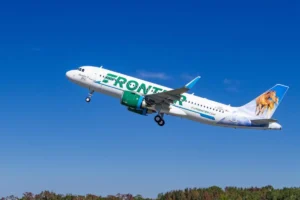
However, the airline’s financial foundation began to show cracks even before the global health crisis. Reports indicate Spirit had not been consistently profitable since 2019, a period characterized by intensifying competition from other budget airlines like Frontier and Allegiant, as well as legacy carriers introducing basic economy fares to compete on price. This market saturation put immense pressure on Spirit’s already thin margins, making it particularly vulnerable to external shocks.
The arrival of the COVID-19 pandemic in early 2020 dealt a devastating blow to the entire aviation sector, but its impact on ULCCs like Spirit was particularly acute. While government aid packages, such as the CARES Act, provided a temporary lifeline, they primarily focused on payroll support, leaving airlines to contend with plummeting passenger demand, grounded fleets, and significant fixed costs associated with aircraft leases and maintenance. Spirit’s business model relied heavily on high load factors and quick turnarounds to maximize asset utilization, a strategy rendered impossible by travel restrictions and public health concerns. The prolonged recovery of international and business travel, segments where Spirit had a growing presence, further hindered its ability to bounce back effectively.
By August 2025, the airline’s precarious financial position was starkly evident. Public filings revealed a staggering $8.1 billion in debt against a mere $8.6 billion in assets. This razor-thin equity margin of just $500 million left virtually no room for error, making the company exceptionally susceptible to any adverse market shifts or unexpected cost increases. Financial analysts at the time warned that such a leverage ratio made the airline’s long-term viability highly questionable, signaling that any significant operational or economic shock could trigger a full collapse.
The Final Blow: Geopolitical Conflict and Skyrocketing Fuel Prices
The long-simmering financial woes reached a critical inflection point in the spring of 2026, when an unforeseen geopolitical crisis sent the global energy markets into a tailspin. On February 28, 2026, a joint military action by the United States and Israel against strategic targets in Iran triggered immediate and widespread panic in the oil markets. Concerns over disrupted supply lines from the Middle East, a region vital to global oil production, led to an unprecedented surge in crude oil prices.
This geopolitical escalation directly translated into an astronomical increase in jet fuel costs. Spirit executives had conservatively budgeted for jet fuel at approximately $2.24 per gallon in their operating expenses for the fiscal year. However, in the weeks following the February 28 attack, prices for aviation turbine fuel soared, reaching an alarming $4.51 per gallon. This represented an increase of over 100% in a matter of weeks, an unsustainable burden for any airline, but particularly devastating for one already teetering on the brink of insolvency. Fuel typically accounts for 20-30% of an airline’s operating costs, and for a ULCC operating on thin margins, such a dramatic spike wiped out any hope of profitability and quickly drained remaining cash reserves. Spirit, like many smaller carriers, likely had limited fuel hedging strategies in place, or those hedges proved insufficient to mitigate such an extreme and rapid price shock. The immediate liquidity crisis created by this cost explosion made continued operations impossible.
Failed Lifelines: Merger Blocks and Government Bailout Attempts
In its desperate struggle for survival, Spirit Airlines pursued two primary avenues for relief: a merger with a larger carrier and a federal government bailout. Both attempts ultimately failed, sealing the airline’s fate.
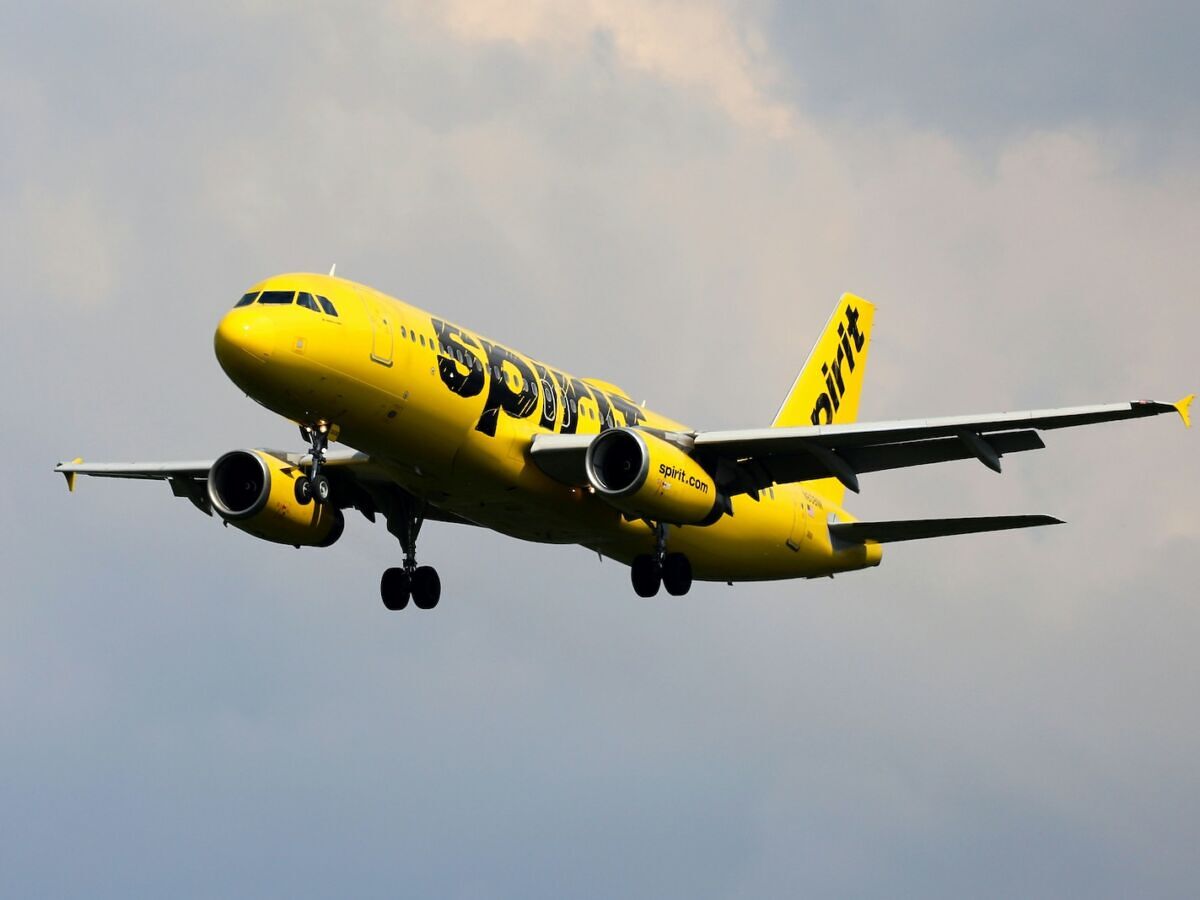
A pivotal moment in Spirit’s recent history was the proposed merger with JetBlue Airways in 2024. This deal, valued at approximately $3.8 billion, was intended to create the fifth-largest airline in the U.S., allowing the combined entity to better compete with the "Big Four" (American, Delta, United, Southwest). However, the U.S. Department of Justice (DOJ), under the Biden Administration, moved to block the merger on antitrust grounds. The DOJ argued that allowing JetBlue, a slightly higher-cost but still value-oriented carrier, to acquire Spirit would eliminate a critical ultra-low-cost competitor, thereby reducing consumer choice and leading to higher fares, particularly on routes where Spirit was dominant. Aviation experts largely concurred, pointing out that consolidation in an already concentrated industry could stifle competition and harm consumers. The federal court ultimately sided with the DOJ, deeming the merger to be in violation of antitrust laws, a decision that left Spirit without a crucial strategic partner and a potential financial savior. JetBlue subsequently pursued a partnership with United Airlines in 2025, further consolidating its own position, but leaving Spirit in an increasingly isolated and vulnerable state.
As its financial situation deteriorated further in its final weeks, Spirit made a last-ditch appeal to the White House for a $500 million federal bailout. Such a request was not unprecedented, as the U.S. government had provided significant financial assistance to airlines during the COVID-19 pandemic. However, the political climate surrounding corporate bailouts had shifted, and the terms proposed by the government were steep. The White House reportedly demanded a 90 percent ownership stake in Spirit in exchange for the half-billion-dollar injection of taxpayer money. Negotiations faltered, with President Trump, whose administration was in office at the time, publicly stating he would only agree if the government could secure "a good deal." Disagreements on both sides regarding the valuation, the terms of repayment, and the extent of government control proved insurmountable. The administration’s reluctance to fully nationalize a struggling private enterprise, coupled with the airline’s inability to accept such stringent conditions, meant the bailout never materialized. Simultaneously, other major airlines, keenly aware of Spirit’s substantial debt load and operational challenges, declined to make offers to purchase or absorb the beleaguered carrier, unwilling to take on its liabilities. The Trump Administration later attempted to shift blame to the preceding Biden Administration for blocking the JetBlue merger, though most independent analyses pointed to Spirit’s fundamental and long-standing unprofitability as the primary driver of its demise.
Immediate Fallout: Stranded Passengers and Jobless Employees
The sudden cessation of operations created immediate chaos across the country. Spirit Airlines, in its final communication, advised customers, "Spirit guests should not go to the airport. All Spirit flights are cancelled. We are grateful to all our guests who flew with us over the past 34 years." This blunt message left thousands of travelers with active reservations in a state of limbo, many of whom were already en route to airports or had flights scheduled for upcoming leisure and business trips.
The airline outlined different scenarios for refunds based on payment method. Passengers who purchased tickets directly through Spirit using a credit or debit card were informed that automatic refunds would be issued. However, with no staff remaining, the airline explicitly stated it could not assist with rebooking or finding alternative flights, placing the burden entirely on the stranded travelers. A far more precarious situation faced customers who had paid using airline vouchers or loyalty points. For these individuals, refunds were explicitly stated to be contingent on the lengthy and uncertain bankruptcy process, with no guarantee of full recovery, if any at all. Consumer advocacy groups immediately voiced concerns about the lack of clarity and support for these vulnerable passengers, urging the Department of Transportation (DOT) to intervene and ensure fair treatment.
The human cost of the shutdown was immense, with 14,000 employees instantly losing their jobs. This included pilots, flight attendants, ground crews, maintenance technicians, and administrative staff across Spirit’s network. Labor unions representing various employee groups expressed deep dismay and immediately began exploring options for support, retraining, and potential placement with other carriers. The economic ripple effect extended to airports, contractors, and communities that relied on Spirit’s operations for local employment and economic activity.
Industry Repercussions: Shifting Landscapes and Rising Fares
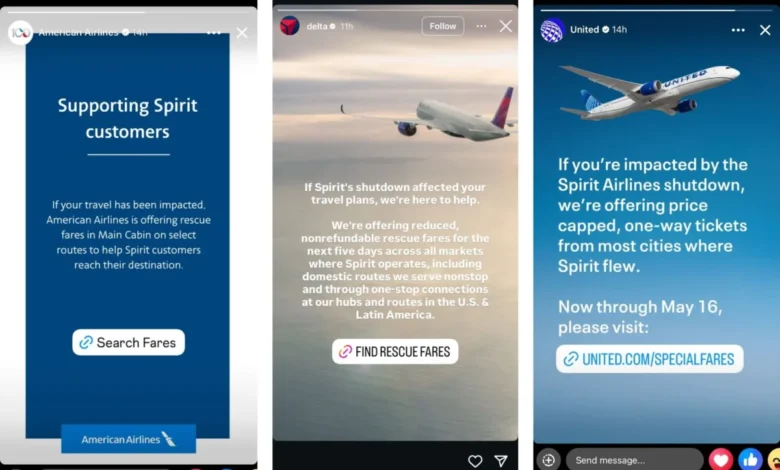
In the immediate aftermath, other U.S. carriers swiftly moved to mitigate the disruption and, in some cases, capitalize on Spirit’s sudden absence. U.S. Transportation Secretary Sean Duffy confirmed that major airlines were offering discounted fares, "capped around $200," for stranded Spirit customers, a move aimed at alleviating the immediate crisis and preventing widespread public outrage. This collaborative effort, while temporary, underscored the industry’s capacity to respond to significant operational shocks.
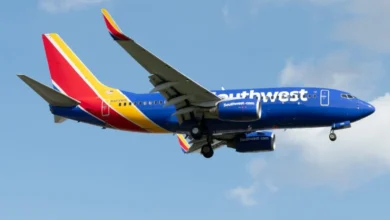
More significantly, the competitive landscape began to shift almost immediately. JetBlue Airways, having previously attempted to merge with Spirit, was among the first to announce aggressive expansion plans into former Spirit strongholds. JetBlue launched "rescue fares" as low as $99 and announced plans to add 11 new destinations from Fort Lauderdale, Florida, a key airport and hub for Spirit’s extensive network. Other airlines, including Southwest, American, and Delta, were expected to follow suit, absorbing Spirit’s former routes and airport slots, particularly in leisure-focused markets where Spirit had a dominant presence. This scramble for market share highlights the dynamic nature of the airline industry, where the collapse of one player quickly creates opportunities for others.
However, the broader implication for consumers is less favorable. Industry experts have warned that the decrease in airline competition caused by Spirit’s demise could lead to a significant increase in airfares. On key routes where Spirit was a major operator, providing a low-cost alternative, fare increases of approximately 15 percent are projected. This is particularly concerning for budget travelers who relied on Spirit’s ultra-low fares, as the absence of such a formidable ULCC reduces the downward pressure on pricing across the board. The fundamental principle of supply and demand dictates that with fewer competitors, airlines have less incentive to offer highly competitive pricing, potentially leading to a more expensive travel environment for millions of Americans.
The shutdown of Spirit Airlines serves as a stark reminder of the fragility of even well-established businesses in capital-intensive and highly regulated industries like aviation. It underscores the profound impact of global geopolitical events on domestic economies, the delicate balance between market competition and consolidation, and the inherent vulnerabilities of business models operating on razor-thin margins. While the immediate focus remains on assisting stranded passengers and displaced employees, the long-term effects of Spirit’s disappearance will undoubtedly reshape the U.S. airline industry, potentially ushering in an era of higher fares and reduced choices for a significant segment of the traveling public. The legacy of Spirit Airlines, once a symbol of accessible air travel, now stands as a cautionary tale of economic headwinds, strategic missteps, and the relentless pressures of a globalized market.