Foxwoods Resort Casino Solidifies Status as Premier Dining Destination with the Arrival of Iron Chef Morimoto and Gordon Ramsays Hells Kitchen

The landscape of the Northeastern hospitality and gaming industry continues to evolve as Foxwoods Resort Casino, located in Ledyard, Connecticut, aggressively expands its portfolio of high-end culinary offerings. By integrating globally recognized brands such as Gordon Ramsay’s Hell’s Kitchen and the newly inaugurated Momosan by Iron Chef Masaharu Morimoto, the resort is pivoting toward a comprehensive "eat-ertainment" model. This strategic move aims to attract a broader demographic of travelers who prioritize world-class dining and immersive experiences alongside traditional gaming. As one of the largest resort casino complexes in North America, Foxwoods now operates as a self-contained city, spanning over 9 million square feet and offering a multifaceted environment where luxury lodging, diverse gaming, and celebrity-driven gastronomy intersect.
The Architectural and Economic Scale of Foxwoods
Owned and operated by the Mashantucket Pequot Tribal Nation, Foxwoods Resort Casino has undergone significant transformations since its inception as a high-stakes bingo hall in 1986 and its subsequent opening as a full-scale casino in 1992. Today, the facility stands as a titan of the regional economy. The resort’s physical footprint is immense, encompassing six distinct casinos, over 2,000 hotel rooms, and a gaming floor that hosts more than 5,000 slot machines and hundreds of table games.
Beyond the gaming floor, the resort has invested heavily in non-gaming amenities to insulate itself against the fluctuating trends of the gambling market. This includes the Tanger Outlets at Foxwoods, a luxury shopping mall, multiple spas, and a wide array of recreational activities such as the Lake of Isles golf course, pickleball courts, and even axe-throwing venues. The interconnected nature of the resort’s towers—including the Grand Pequot Tower—allows guests to navigate the vast complex entirely indoors, a critical design feature for a destination that faces the harsh winters of New England.

The Culinary Anchor: Gordon Ramsay’s Hell’s Kitchen
The arrival of Gordon Ramsay’s Hell’s Kitchen at Foxwoods represents a major milestone in the resort’s culinary evolution. The restaurant, which mirrors the high-energy aesthetic of the long-running reality television series, is designed to offer fans and food enthusiasts an immersive glimpse into Ramsay’s exacting standards. The entrance is marked by an oversized, illuminated sign that serves as a beacon within the expansive resort, signaling a shift from casual dining to a theatrical culinary experience.
The interior of the restaurant features a vast open kitchen where chefs are divided into red and blue teams, replicating the competitive atmosphere of the television show. This "theatre of cooking" is a central draw for patrons. The menu focuses on Ramsay’s most celebrated signature dishes, which have become benchmarks for modern British-American fusion.
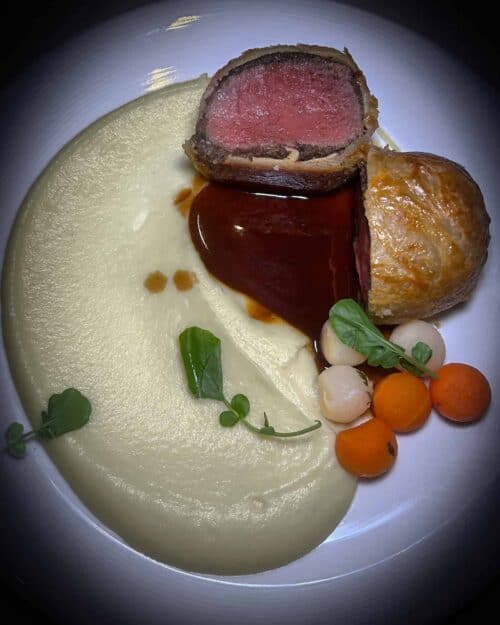
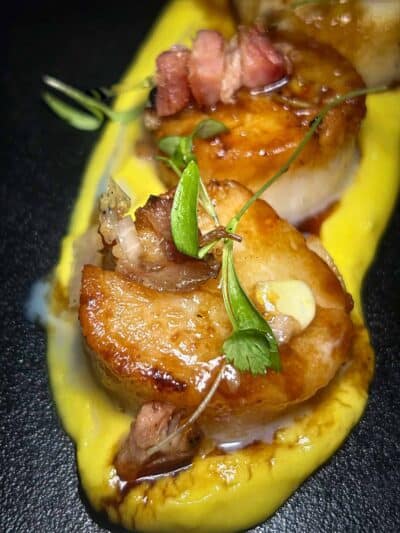
Among the standout offerings is the Beef Wellington, a dish that has become synonymous with Ramsay’s brand. The preparation involves a prime beef fillet wrapped in a layer of mushroom duxelles and prosciutto, encased in a flaky puff pastry, and served medium-rare. Accompanied by a potato purée, glazed root vegetables, and a rich red wine demi-glace, the dish serves as the cornerstone of the menu. Additionally, the pan-seared scallops, served with a sweet corn purée, braised bacon lardons, and pickled shallots, demonstrate the balance of textures and flavors that define the Hell’s Kitchen brand. The service model at the venue emphasizes a high-touch experience, with a bar program that features classic cocktails, such as expertly crafted martinis and digestifs like the "Beautiful"—a blend of cognac and Grand Marnier.
The Expansion of the Momosan Brand by Chef Morimoto
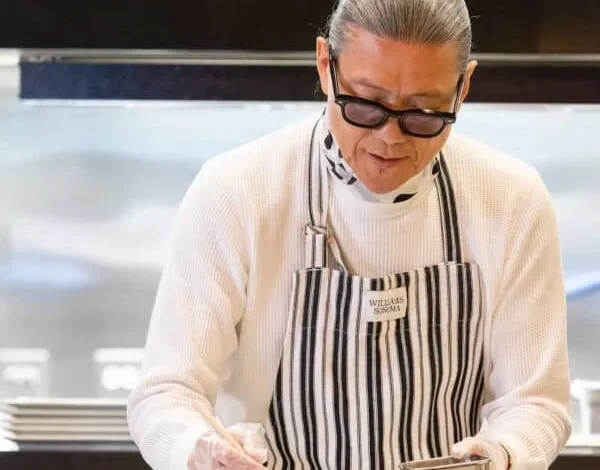
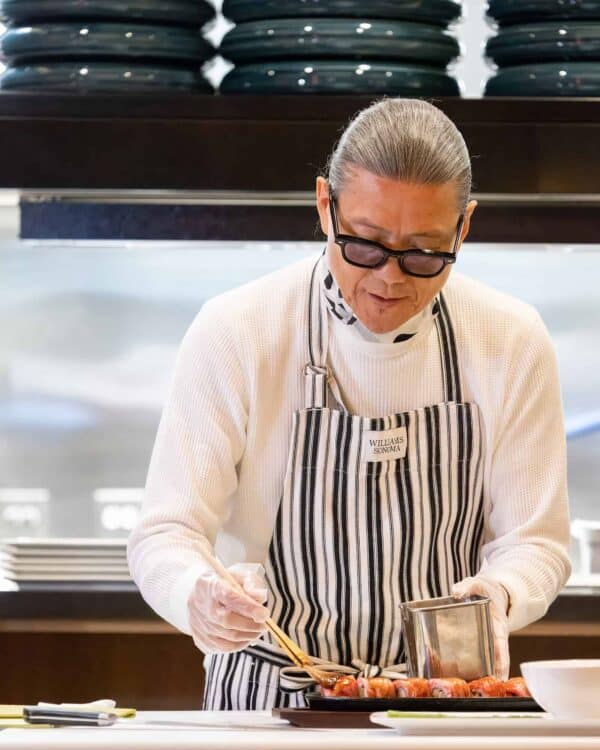
Further diversifying its high-end options, Foxwoods recently celebrated the grand opening of Momosan by Iron Chef Masaharu Morimoto. Morimoto, a pioneer in Japanese-Western fusion and a legendary figure from the original "Iron Chef" series, has designed Momosan to be a more accessible, ramen-centric concept compared to his fine-dining flagship restaurants.
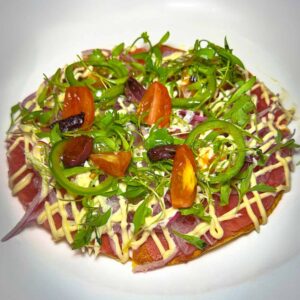
The opening event featured Chef Morimoto in person, highlighting the personal investment the celebrity chef has in this location. Momosan Foxwoods focuses on "soul food" through the lens of Japanese tradition, offering a menu that emphasizes bold flavors and communal dining. A signature item on the menu is the tuna pizza, which utilizes a crispy tortilla crust as a base for raw tuna, anchovy aioli, jalapeños, and onions. This dish exemplifies Morimoto’s ability to blend disparate culinary influences into a cohesive and modern appetizer.
The menu also features a variety of small plates and entrées, including:
- A5 Wagyu Surf & Turf: Seared tableside and served with tempura shrimp and spicy aioli, this dish reimagines the classic pairing with premium Japanese beef.
- Sticky Ribs: Twice-cooked pork ribs tossed in a hoisin-chili sauce, offering a balance of sweet and savory notes.
- Ramen Selection: The centerpiece of the restaurant is its ramen program, featuring a variety of broths, including a rich pork broth loaded with chashu (braised pork belly), kakuni (braised pork jowl), steamed chicken, and ajitama (marinated egg).
The inclusion of Momosan allows Foxwoods to tap into the growing demand for high-quality, authentic Asian cuisine, providing a contrast to the more traditional steakhouse and buffet options found elsewhere in the resort.
The Psychology and Strategy of the Gaming Floor
While the culinary offerings provide a significant draw, the core of the Foxwoods experience remains its gaming operations. The resort employs a sophisticated design philosophy common to major casino destinations: the creation of a "timeless" environment. By omitting clocks and windows in the gaming areas, the resort encourages a total immersion in the environment, allowing guests to lose track of time and focus entirely on the entertainment at hand.
Blackjack remains one of the most popular attractions on the floor. Unlike many games of pure chance, blackjack offers a mathematical edge to players who utilize "basic strategy"—a set of rules that dictate the optimal move for every possible hand combination. Industry analysts note that while the house always maintains a mathematical advantage over the long term, the presence of skilled players who follow disciplined betting and playing strategies adds a layer of competitive engagement to the casino floor.
The social atmosphere of the gaming floor is also a key component of the Foxwoods appeal. The interaction between dealers and players, the availability of complimentary beverages for active gamblers, and the high-energy environment of the tables create a sense of community and shared excitement.
Regional Competition and the Broader Impact
The strategic enhancements at Foxwoods do not occur in a vacuum. The resort faces stiff competition from Mohegan Sun, located only a few miles away in Uncasville, as well as newer regional entrants like Encore Boston Harbor in Massachusetts. This "arms race" of amenities has forced Connecticut’s tribal casinos to constantly innovate.
The economic implications of these developments are significant. Foxwoods is a major employer in New London County, supporting thousands of jobs in hospitality, maintenance, and administration. By attracting celebrity chefs like Ramsay and Morimoto, the resort increases its "capture rate"—the percentage of guests who stay on-site for multiple days rather than visiting for a few hours. This leads to higher occupancy rates in the Grand Pequot Tower and other hotel wings, as well as increased spending across the resort’s retail and entertainment sectors.
Furthermore, the diversification into celebrity-branded dining helps mitigate the risks associated with the rise of online gambling and sports betting. As more states legalize digital wagering, physical casinos must offer experiences that cannot be replicated on a smartphone. The "theatre" of a Hell’s Kitchen dinner or the unique flavors of a Morimoto ramen bowl serve as powerful incentives for physical visitation.
Analysis of the Celebrity Chef Trend in Hospitality
The trend of partnering with celebrity chefs is a calculated move to leverage existing global fanbases. Gordon Ramsay, with his massive social media following and multiple television franchises, brings an immediate brand recognition that appeals to a wide demographic. Similarly, Chef Morimoto’s reputation for precision and innovation attracts "foodies" who might otherwise not visit a casino.
From a management perspective, these partnerships often involve licensing agreements or management contracts where the chef’s team oversees the culinary standards while the resort handles the logistical operations. This ensures that the quality remains consistent with the brand’s global reputation, which is essential for maintaining guest trust. At Foxwoods, the success of these venues suggests that the modern traveler views dining not just as a necessity, but as a primary form of entertainment.
Conclusion
Foxwoods Resort Casino’s recent developments signal a clear commitment to maintaining its position as a leader in the integrated resort industry. By blending the high-octane energy of its six casinos with the sophisticated culinary artistry of Gordon Ramsay and Masaharu Morimoto, the resort has created a destination that transcends traditional gambling.
As the hospitality industry continues to recover and adapt to changing consumer preferences, the focus on "fantastic food and fun" serves as a robust blueprint for future growth. Whether it is through the meticulous preparation of a signature Beef Wellington or the strategic play at a blackjack table, Foxwoods offers a multifaceted escape that emphasizes quality, variety, and an unwavering focus on the guest experience. For the Mashantucket Pequot Tribal Nation and the state of Connecticut, the continued evolution of Foxwoods remains a vital component of the region’s cultural and economic landscape.