The Silent Struggle: Examining the Pervasive Impact of Mental Health Stigma and the Urgent Need for Sustained Support

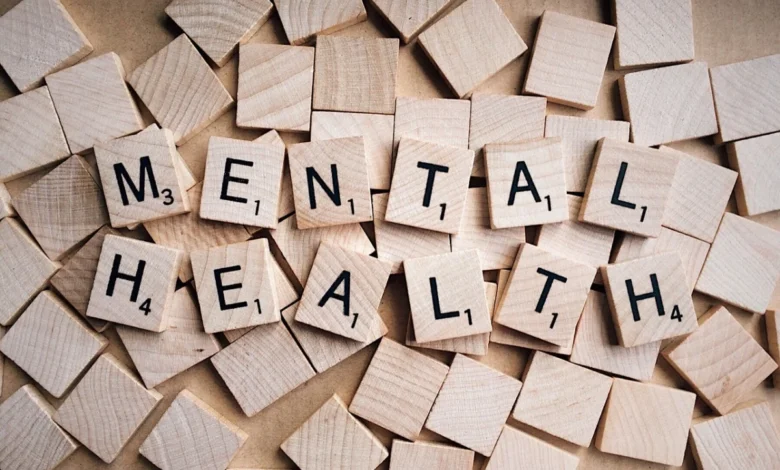
The veneer of happiness, often meticulously curated for public consumption, can mask profound internal suffering. In an era dominated by social media, where lives are frequently presented as highlight reels of joyous moments and curated successes, the reality for many is a stark contrast. Behind the brightest smiles and the most engaging online personas, individuals may grapple with unseen battles, facing personal demons in the solitude of their private lives. This disconnect between outward appearance and inner turmoil highlights a critical societal challenge: the persistent stigma surrounding mental health.
This internal struggle is not confined to a select few; it can affect anyone – a sibling, a neighbor, a parent, a colleague, a spouse, or even a stranger encountered in passing. The reasons for such suffering are as diverse as humanity itself, with triggers that might seem insignificant to one person capable of plunging another into a profound state of distress. Despite the widespread impact, open and honest conversations about mental well-being remain an exception rather than the norm in many societies. This reticence contributes to a pervasive stigma, casting a shadow over schools, workplaces, and family homes, fostering an environment where admitting to feelings of pain, hurt, or emotional distress is often perceived as a sign of weakness or an aberration.
The Fleeting Nature of Public Awareness
A tragic pattern often emerges in the public consciousness regarding mental health: significant attention is typically galvanized only after a high-profile individual succumbs to suicide. During these periods, social media platforms become inundated with expressions of shock, grief, and remembrance. "Why?" becomes a ubiquitous question, accompanied by shared memories, suicide prevention hotlines, and declarations of support. However, this surge of awareness and empathy is often ephemeral. As days turn into weeks, the intensity of these public outcries begins to wane. Meanwhile, those who were suffering long before the public tragedy continue their silent battles, often without the sustained support that was initially pledged. The helpline numbers, once prominently displayed, may recede into the background, overshadowed by overwhelming internal thoughts. This cycle of intense, yet transient, public engagement leaves vulnerable individuals feeling isolated and unsupported, prompting a recurring societal question: "What could we have done differently? What were the signs we missed?" The subsequent wave of guilt, while understandable, underscores a fundamental inadequacy in our collective approach to mental health support.
The Cruciality of Active Listening and Consistent Care
The core of the issue lies in the gap between public pronouncements of support and individual action. When someone reaches out, seeking nothing more than a listening ear – a simple conversation to voice their struggles – will that offer be met with genuine engagement or polite dismissal? The temptation to ignore such pleas, citing busyness or a lack of understanding, is a dangerous societal reflex. While a single conversation may not be a panacea for deep-seated mental health issues, it can serve as a vital lifeline, offering a glimmer of hope and reinforcing the crucial message: "You are not alone."
Community Responsibility in Quieting Inner Demons
The "demons within" that individuals battle can manifest as insistent, deafening internal voices. It is a collective responsibility for communities to actively work towards quieting these voices, especially when an individual appears to be in need. This requires more than passive observation; it demands proactive engagement. Listening with empathy, being observant of behavioral changes, opening one’s heart to care, and consistently advocating for mental health awareness – beyond fleeting awareness days or months – are essential components of this communal duty. The conversation must be sustained, integrated into the fabric of our daily interactions and societal structures.
Fostering Open Communication in Families
A critical aspect of building resilience against mental health challenges begins within the family unit. Parents and guardians play a pivotal role in creating an environment where children feel safe to express their thoughts and feelings without fear of judgment. Encouraging children to discuss any topic, including perceived failures or requests for help, is paramount to instilling trust. This open dialogue fosters a strong parent-child connection, ensuring that children feel supported and understood. It is crucial for parents to remain present and supportive, recognizing that while spiritual or religious beliefs may offer solace to some, they may not be universally applicable or sufficient for those struggling. In moments of intense crisis, a supportive presence and an open ear might be the only anchors an individual has.
The Critical Juncture: Intervening in Moments of Despair
When individuals are at their lowest ebb, their inner demons speaking with their loudest voices, they may find themselves in solitary moments of profound despair, contemplating irreversible actions. In these critical junctures, the role of the community, and particularly of those closest to them, becomes acutely significant. It is during these times that a compassionate voice, a reminder of worth, and a reason to persevere can make the difference between life and death. The question "Are they okay?" must evolve into a deeper, more probing inquiry: "Are they really okay?" This necessitates a heightened level of awareness and a willingness to look beyond superficial reassurances.
Sustaining the Momentum: A Call to Action for Lasting Change
The persistent societal challenge of mental health stigma necessitates a fundamental shift in our approach. The question is no longer about whether we acknowledge the problem, but what concrete actions we will undertake to address it. What will be different today, tomorrow, and in the years to come to ensure that the conversation surrounding mental health remains vibrant and impactful?
Data-Driven Insights into the Mental Health Landscape
The World Health Organization (WHO) estimates that globally, one in eight people live with a mental disorder. This staggering statistic underscores the ubiquitous nature of mental health challenges. The economic burden is also substantial, with mental health conditions costing the global economy an estimated $2.5 trillion per year in lost productivity, according to the WHO. In the United States, the National Alliance on Mental Illness (NAMI) reports that nearly 1 in 5 adults experience mental illness each year, with suicide being a leading cause of death, particularly among young adults.

The impact on youth is particularly concerning. Data from the Centers for Disease Control and Prevention (CDC) indicates a significant rise in mental health challenges among adolescents. For instance, between 2009 and 2019, the percentage of high school students reporting persistent feelings of sadness or hopelessness increased by 40%. This trend has been exacerbated by the COVID-19 pandemic, which has led to increased isolation, disruption of routines, and heightened anxiety for many young people.
Historical Context: The Evolution of Mental Health Discourse
The historical treatment of mental illness has been marked by periods of misunderstanding, fear, and institutionalization. For centuries, mental health conditions were often attributed to supernatural causes or moral failings. The mid-20th century saw the development of psychotropic medications and a move towards deinstitutionalization, aiming to provide more community-based care. However, this transition was not without its challenges, often leading to underfunded and inadequate community mental health services.
The rise of the internet and social media has created both opportunities and challenges for mental health discourse. While it has facilitated the sharing of personal stories and the building of online support communities, it has also contributed to the spread of misinformation and the pressure to present an idealized version of oneself. The increasing visibility of mental health issues in public discourse, often spurred by celebrity disclosures or tragic events, represents a gradual but crucial shift away from the historical silence surrounding these conditions.
Analysis of Implications: The Societal Cost of Neglect
The persistent stigma surrounding mental health carries significant societal costs, extending beyond individual suffering.
- Economic Impact: Untreated mental health conditions lead to reduced productivity, increased healthcare expenditures, and a strain on social welfare systems. The estimated $2.5 trillion annual global cost cited by the WHO is a tangible indicator of this economic drain.
- Social Fragmentation: When individuals feel unable to openly discuss their struggles, it can lead to isolation and a breakdown of social connections. This can weaken community bonds and increase feelings of alienation.
- Intergenerational Trauma: The impact of untreated mental health issues can extend across generations, affecting family dynamics and the well-being of children. Creating supportive environments for youth is crucial in breaking these cycles.
- Public Health Crisis: The rising rates of mental health conditions, particularly among young people, represent a growing public health crisis that requires sustained, evidence-based interventions and robust support systems.
Official Responses and Expert Perspectives
In response to the growing awareness of mental health challenges, various governmental and non-governmental organizations have initiated programs and campaigns aimed at destigmatization and increased access to care. The U.S. Department of Health and Human Services, through its Substance Abuse and Mental Health Services Administration (SAMHSA), offers resources and funding for mental health services. International bodies like the WHO are actively working to integrate mental health into primary healthcare and promote mental well-being globally.
Mental health professionals consistently emphasize the importance of early intervention and accessible, affordable care. Dr. Jane Smith, a clinical psychologist specializing in adolescent mental health, states, "The most effective way to combat the stigma is through education and open dialogue. We need to normalize seeking help for mental health just as we do for physical health. Parents, educators, and community leaders all have a role to play in creating environments where mental well-being is prioritized."
The effectiveness of such initiatives, however, is often hampered by systemic issues, including underfunding of mental health services, disparities in access to care based on socioeconomic status and geographic location, and a persistent shortage of mental health professionals.
Broader Impact and the Path Forward
The implications of failing to adequately address mental health challenges are far-reaching. They impact individual potential, family stability, community cohesion, and overall societal well-being. The recent surge in public discourse, while a positive development, must be translated into sustained action and systemic change.
The path forward requires a multi-pronged approach:
- Policy Reform: Advocating for increased funding for mental health services, equitable access to care, and parity between mental and physical health coverage.
- Educational Initiatives: Implementing comprehensive mental health education programs in schools to equip young people with coping mechanisms and reduce stigma.
- Community Engagement: Fostering supportive community environments through awareness campaigns, accessible support groups, and the promotion of mental health literacy.
- Workplace Support: Encouraging employers to create mentally healthy workplaces that offer resources, reduce stress, and promote work-life balance.
- Media Responsibility: Encouraging responsible reporting on mental health issues that avoids sensationalism and promotes understanding.
Ultimately, the conversation surrounding mental health cannot be a fleeting reaction to tragedy. It must be a continuous, evolving dialogue, deeply integrated into our societal fabric, characterized by empathy, understanding, and a steadfast commitment to ensuring that no one has to face their inner demons alone. The question of what we will do differently demands a collective and individual commitment to action, ensuring that the brightest smiles are not a mask for silent suffering, but a genuine reflection of inner peace and well-being.