Optimized Full-Body Workouts Revolutionize Hiking Fitness for Time-Pressed Enthusiasts

Updated April 14, 2026 10:39 AM
In an era where personal well-being is increasingly prioritized but time remains a precious commodity, the approach to fitness, particularly for specialized activities like hiking, is undergoing a significant transformation. Gone are the days when fitness enthusiasts rigidly adhered to segmented weekly workout routines, dedicating specific days to isolated muscle groups such as legs, arms, or back. While effective for those with ample time for daily gym sessions, this traditional methodology often proves impractical for individuals balancing demanding schedules. The contemporary trend, championed by leading fitness experts and outdoor guides, advocates for comprehensive, full-body workouts designed not only for efficiency but also for superior functional strength, injury prevention, and sustained endurance, all critical for navigating mountainous terrains.
This paradigm shift underscores a pragmatic understanding of both human physiology and modern lifestyles. For the multitude of individuals who can only spare an hour or two each week for physical training—or those who find the monotony of single-body-part routines disengaging—a strategic pivot toward integrated, full-body regimens has emerged as the most effective solution. These meticulously curated workouts are engineered to simultaneously target all essential muscle groups required for effortless, injury-free hiking. The objective is to impart a profound, satisfying muscle burn and just enough residual soreness to signal effective engagement, fostering readiness for the next session. These versatile routines can serve as standalone fitness programs or be customized by mixing and matching exercises to perfectly align with individual schedules and fitness objectives.
The Evolution of Functional Fitness for Outdoor Pursuits
The emphasis on full-body functional training represents a maturation of fitness science, moving beyond aesthetics to prioritize practical, real-world strength and resilience. Historically, bodybuilding culture heavily influenced gym practices, promoting muscle hypertrophy through isolated movements. However, for endurance and adventure sports like hiking, the demands are fundamentally different. Hiking requires a harmonious interplay of strength, cardiovascular endurance, balance, agility, and robust core stability to navigate uneven terrain, ascend steep inclines, and carry varying loads over extended periods. A strong core, powerful legs, and resilient upper body are not merely desirable; they are imperative for safety and performance.
This shift has been informed by increasing scientific understanding of biomechanics and the specific stressors placed on the body during outdoor activities. Physical therapists and sports scientists have long highlighted that many common hiking injuries—such as knee pain, ankle sprains, and lower back issues—often stem from imbalances, weaknesses, or a lack of integrated strength. Traditional isolated exercises might build impressive individual muscles, but they often fail to train these muscles to work cohesively as a unit, which is precisely what hiking demands. Consequently, modern fitness protocols for hikers prioritize compound movements that mimic the natural actions of walking, climbing, and load-bearing, ensuring that the body is trained as a comprehensive, adaptive system.
Expert Endorsement and Methodological Principles
The efficacy of these full-body routines is underscored by the involvement of prominent figures in both the wilderness guiding and fitness industries. Bryan Pope, a seasoned wilderness guide and self-proclaimed fitness enthusiast, contributes a routine centered on building guide-level endurance. His philosophy emphasizes low weight and high repetitions, a proven methodology for enhancing muscular stamina and delaying fatigue—essential for multi-day treks and sustained physical exertion in challenging environments. This approach trains the slow-twitch muscle fibers, crucial for endurance, while minimizing the risk of injury associated with heavy lifting.
Similarly, Rebecca Kennedy, a renowned Peloton instructor and avid hiker, advocates for the versatile application of kettlebells. Kettlebell training is celebrated for its unique ability to combine strength, cardio, and flexibility in dynamic, ballistic movements. Kennedy’s routines leverage the kettlebell’s potential to strengthen the legs, core, and upper body simultaneously, fostering the robust, integrated strength necessary for confident and capable hiking. The unilateral nature of many kettlebell exercises also significantly improves balance and addresses muscle imbalances, which are often exacerbated on uneven trails.
William Sturgeon, a physical therapist, further reinforces the importance of accessible and effective training. His development of bodyweight exercises, initially designed for hikers during periods of limited gym access such as the COVID-19 quarantine, has proven enduringly valuable. These routines emphasize challenging oft-neglected muscles without the need for specialized equipment, making high-quality fitness attainable anywhere, from a hotel room to a park. This accessibility democratizes fitness, ensuring that commitment to physical preparedness is not hindered by external circumstances.
Comprehensive Workout Strategies for Every Hiker
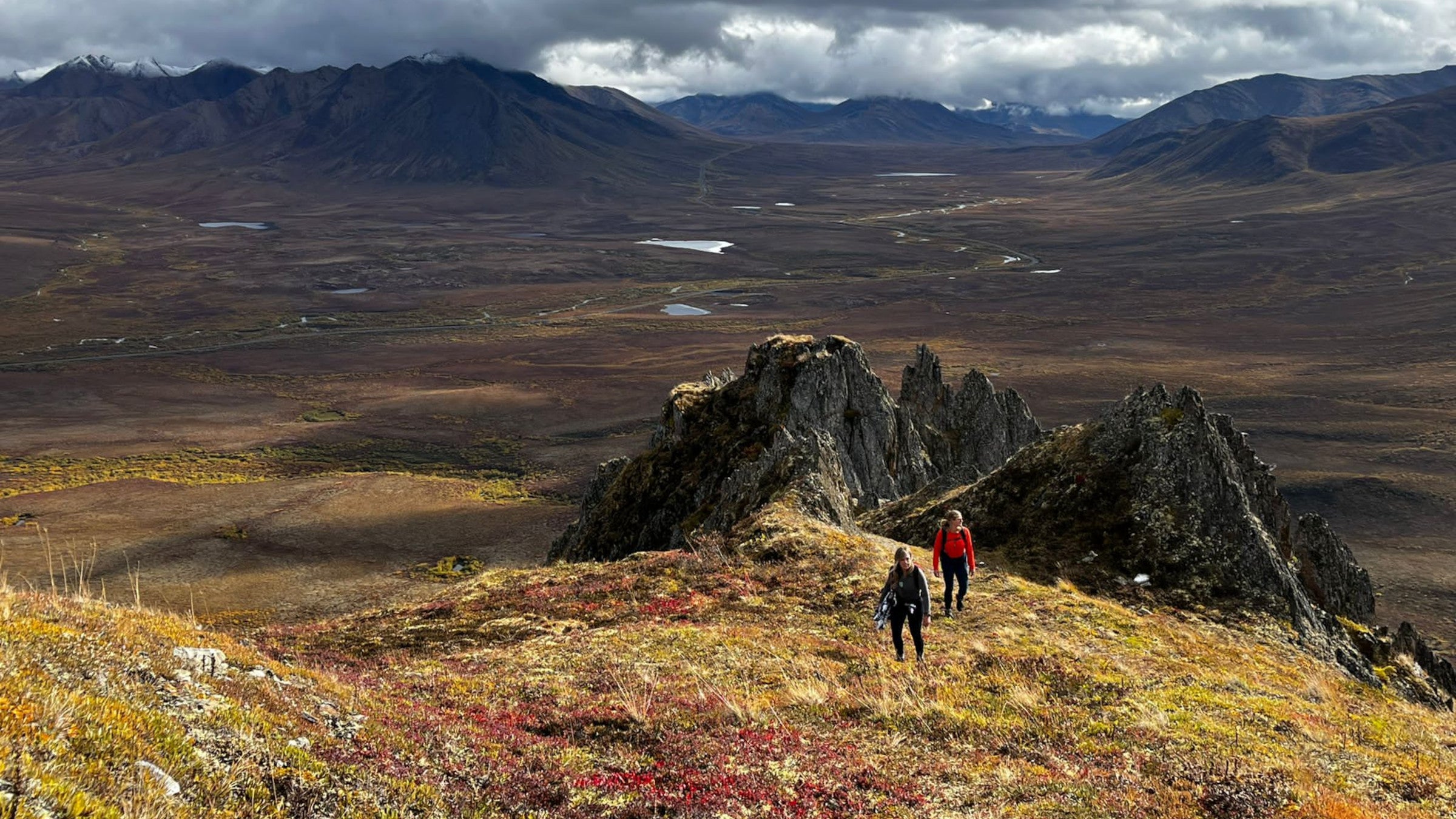
The diverse range of full-body workouts presented caters to every fitness level, from novices taking their first steps toward an active lifestyle to veteran lifters seeking to refine their trail performance. This inclusive approach addresses a common challenge in online fitness resources: finding routines that precisely match an individual’s current capabilities. The curated selection encompasses everything from foundational bodyweight exercises and targeted injury-prevention routines to advanced heavy lifts and complex coordination drills, ensuring a progressive pathway for all.
1. Train Like a Guide: Building Mountain Endurance
Bryan Pope’s "Train Like a Guide" routine is a testament to the effectiveness of targeted endurance training. This full-body gym routine is meticulously designed to foster the sustained strength required for arduous days in the mountains. The core principle of low weight and high repetitions is paramount here. This method specifically targets muscular endurance, improving the muscles’ ability to perform repeated contractions over extended periods without fatiguing. This directly translates to longer, more comfortable hiking days and a reduced risk of fatigue-related injuries.
- Featured Exercise: Sumo Squats. This exercise, performed with feet 3 to 4 feet apart and toes angled outwards at 45 degrees, significantly engages the glutes, hamstrings, and inner thighs. By bending the knees until the thighs are parallel with the floor, ensuring knees do not extend past the toes, hikers develop powerful lower body strength crucial for ascents and descents. The wider stance also promotes hip mobility, a key factor in navigating varied terrain. Completing 3 sets of 20 repetitions builds muscular endurance in these critical hiking muscles.
2. The Kettlebell Workout: Dynamic Strength and Stability
Rebecca Kennedy’s kettlebell workout highlights the instrument’s remarkable versatility and elegance. Kettlebells facilitate dynamic, compound movements that engage multiple muscle groups simultaneously, making them exceptionally efficient for full-body conditioning. They excel at building explosive power, improving grip strength, and enhancing core stability—all vital components for navigating challenging trails and carrying a pack.
- Featured Exercise: Single-Arm Dead Clean. This complex movement starts with feet hip-width apart and a kettlebell between them. Hinges at the hips, a flat back, and an engaged chest are crucial. The movement involves a powerful hip thrust to stand, drawing the kettlebell up to the shoulder into a front rack position. The controlled descent, hinging at the hips and pushing the butt back, ensures comprehensive muscle engagement. This exercise develops explosive power in the glutes and hamstrings, strengthens the core through anti-rotational stability, and builds unilateral strength, which is highly beneficial for balance on uneven terrain.
3. Hiking Workouts for Every Fitness Level: Scalability and Progression
Recognizing the diverse spectrum of fitness levels, this category provides adaptive routines. From fundamental bodyweight exercises for beginners to advanced strength and coordination moves for seasoned athletes, the emphasis is on meeting individuals where they are and providing a clear path for progression. This approach ensures that every hiker can find a challenging yet achievable workout, fostering continuous improvement.
- Featured Exercise: Single-Leg Squats. This exercise is a cornerstone for building unilateral leg strength and improving balance, both critical for hiking. By lifting one foot slightly off the ground and placing hands on hips, the focus shifts to the standing leg. Squatting until the knee bends to 90 degrees, while keeping hips level and weight on the heel, strengthens the glutes, quads, and hamstrings of the working leg. To increase difficulty, the free leg can be extended forward parallel to the ground, further challenging balance and core stability. This exercise directly mimics the alternating leg action of hiking and addresses potential muscle imbalances between limbs.
4. 11 Bodyweight Exercises: Accessible Fitness, Anytime, Anywhere
Physical therapist William Sturgeon’s bodyweight routine underscores the principle that effective fitness does not require expensive equipment or a gym membership. Initially developed for circumstances like the COVID-19 quarantine, these 11 exercises have become a go-to for their ability to challenge often-neglected muscles using only one’s body weight. They are perfect for maintaining fitness during travel, work-from-home days, or outdoor sessions with friends, ensuring consistency in training.
- Featured Exercise: Dead Bugs. This deceptively simple exercise is a powerhouse for core stability and anti-extension strength, crucial for maintaining good posture while carrying a backpack. Lying on the back with knees bent at a 90-degree angle and arms extended ceiling-ward, the key is to press the lower back into the floor throughout the movement. Extending one leg parallel to the ground while simultaneously lowering the opposite arm above the head creates a challenging diagonal tension. Returning to the starting position and alternating limbs trains the deep core muscles to resist spinal extension and rotation, providing a stable base for all movements on the trail.
5. 5 Dead-Simple Exercises: Strengthening the Comprehensive Core
Dispelling the common misconception that the core is solely defined by the abdominal muscles, this routine emphasizes the core’s broader anatomical scope, including the sides, back, and parts of the glutes. All these components are indispensable for maintaining optimal posture under load, preventing fatigue, and mitigating back pain during long hikes. This straightforward routine is designed to be easily incorporated into any schedule, yielding noticeable progress within a few consistent weeks.
- Featured Exercise: Uneven Farmer’s Carry. This exercise is a highly functional movement that directly mimics the asymmetrical loading often experienced when carrying a pack or navigating uneven terrain. By holding weighted objects (a kettlebell or pack) in each hand, with one being 10 pounds heavier than the other, and the total weight equaling 40 percent of body weight, the body is forced to engage the core intensely to resist lateral flexion and maintain an upright posture. Squatting to pick up the weights, maintaining a straight back and pushing through the heels, initiates the movement. Walking slowly for 30 yards with deliberate 12-inch strides, chin tucked and shoulders back, strengthens grip, builds immense core stability, and improves overall trunk endurance. Repeating the walk with the heavier weight on the opposite side ensures balanced development.
Broader Impact and Implications for Outdoor Recreation
The widespread adoption of these efficient, full-body workout philosophies carries significant implications beyond individual fitness. By making high-quality, targeted training more accessible and time-efficient, these methods empower a broader demographic to engage in outdoor activities like hiking. This increased participation not only fosters individual well-being but also promotes a greater appreciation for natural environments.
From an injury prevention standpoint, a better-prepared hiking population translates to fewer incidents requiring emergency services, thereby reducing the strain on search and rescue operations. Furthermore, enhanced physical capability allows hikers to explore more challenging trails safely and confidently, deepening their connection with nature and fostering a culture of sustainable outdoor recreation. The emphasis on functional strength ensures that individuals are not just "fit" in a gym context, but truly capable of navigating the unpredictable and demanding conditions of the wilderness.
Looking forward, the integration of expert knowledge from wilderness guides, physical therapists, and leading fitness instructors into accessible, comprehensive programs signifies a maturation of the fitness industry. This holistic approach, prioritizing functional movement and injury prevention over mere aesthetics, is poised to become the gold standard for preparing individuals for the rigors and rewards of an active, outdoor lifestyle. As more individuals discover the benefits of these intelligent training strategies, the trails will undoubtedly become safer, more enjoyable, and more welcoming for everyone.