Simpson’s in the Strand, a bastion of British culinary heritage, is once again capturing the imagination of London’s discerning patrons, not just with its legendary roast beef, but with a meticulously curated cocktail program that delves deep into the annals of libational history. Under the stewardship of restaurateur Jeremy King, the iconic establishment has unveiled a revitalized bar experience, offering a journey through time with each expertly crafted drink. This initiative not only honors the storied past of Simpson’s but also reintroduces forgotten cocktail classics to a contemporary audience, blending tradition with a sophisticated modern sensibility.
A Legacy of Gastronomy and Social Hub
The original Simpson’s-in-the-Strand, established in 1828, was more than just a restaurant; it was a quintessential London institution. Renowned for its magnificent roast beef carved tableside from a silver trolley, it quickly became a focal point for the city’s elite and a symbol of traditional British dining. Beyond its culinary prowess, Simpson’s also held a unique place in the social fabric of Victorian London, notably serving as a prominent meeting ground for chess enthusiasts. This historical connection to the strategic game has now been artfully woven into the very fabric of its new cocktail menu. The restaurant’s esteemed reputation, built over nearly two centuries, has provided a rich tapestry from which to draw inspiration for its contemporary offerings. The recent revitalization of its bar program signifies a deliberate effort to engage with this legacy, ensuring that Simpson’s continues to be a relevant and exciting destination for both long-time admirers and a new generation of connoisseurs.
A Tale of Two Bars: Nellie’s Tavern and Simpson’s Bar
The contemporary Simpson’s experience is bifurcated across two distinct bar environments, each offering a unique atmosphere and cocktail philosophy.
Nellie’s Tavern: A Theatrical Undercurrent
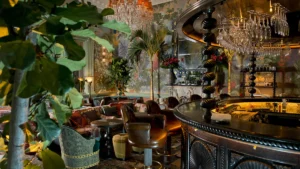
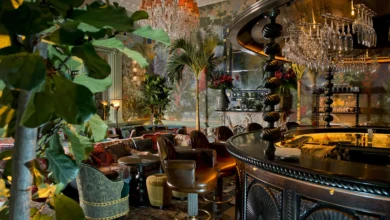
Nestled in the basement, Nellie’s Tavern evokes the spirit of London’s vibrant theatreland. Designed as a "late-night" cocktail lounge, its ambiance is imbued with a sense of playful theatricality, a fitting tribute to the district’s rich theatrical heritage. This space is envisioned as a more intimate and perhaps more daring setting, where patrons can unwind and engage with cocktails that might possess a more adventurous or evocative character, mirroring the drama and allure of the West End.
Simpson’s Bar: Art Deco Elegance and Timeless Sophistication
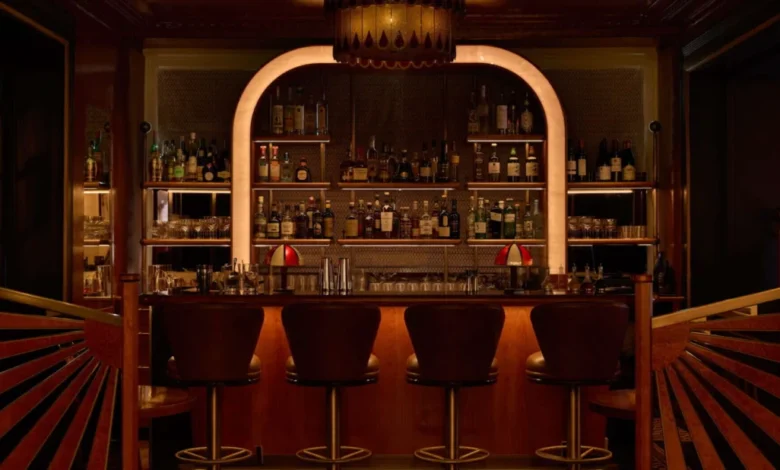
Ascending to the first floor, patrons will discover Simpson’s Bar, a space defined by its crisp Art Deco aesthetic. Here, white-jacketed bartenders move with practiced precision, serving a clientele that exudes an air of refined anticipation. The decor, featuring intricate marquetry sunbursts and plush brown leather banquettes, transports guests to an era of classic elegance. It is within this sophisticated setting that the most exciting and historically significant cocktails are presented, meticulously crafted by a team deeply versed in the nuances of cocktail history. This bar is positioned as the primary showcase for the establishment’s commitment to reviving and reinterpreting classic beverages.

The Cocktail Menu: A Historical Tapestry
The cocktail list at Simpson’s is a carefully constructed narrative, guiding patrons through different eras of cocktail history and the restaurant’s own past. It is divided into several thematic sections, each with its own distinct inspiration.
"Sharpeners": A Nod to Chess and Aperitif Culture
The menu commences with a series of "Sharpeners," half-sized, aperitif-style cocktails that cleverly allude to Simpson’s historical role as a hub for British chess in the mid-19th century. These introductory drinks are designed to gently awaken the palate and set the stage for the dining experience. An example like the "Book Move," featuring dry Riesling, Campari, and red vermouth, exemplifies this philosophy, offering a balanced and refreshing start. This approach to the aperitif is a deliberate echo of a bygone era when midday cocktails were a sophisticated ritual, a precursor to longer, more leisurely lunches. The inclusion of chess-themed names adds a layer of intellectual playfulness, inviting patrons to engage with the establishment’s heritage on multiple levels.
Martinis: A Trio of Cold Perfection
A significant portion of the cocktail list is dedicated to Martinis, offered in both half- and full-size servings. These are prepared with exceptional precision, served in ice-cold glasses designed by Giorgio Bargiani, a luminary from The Bar at the Connaught. Among the highlighted Martinis is the "Turf Club," a historically obscure variation named after the exclusive late 19th-century gambling clubs where it is believed to have originated. This complex drink features a juniper-forward Sipsmith VJOP gin, dry vermouth, maraschino liqueur, orange bitters, and a whisper of absinthe. Its baroque layering of flavors reflects the elaborate tastes of its era. The article notes a companion’s equally impressive experience with a No. 3 gin Martini, paired with Sacred Dry Vermouth and a dry sherry rinse, underscoring the menu’s commitment to quality and variety within this classic category.
The Resurgence of the Cobbler
Simpson’s has also taken the initiative to revive the Cobbler, a once wildly popular 19th-century drink. The Cobbler involved fortified wines or spirits mixed with sugar and fruit, served over generous mounds of crushed ice, or "cobbles." It is often credited with popularizing the drinking straw. The Simpson’s rendition features cognac, sherry, pineapple, triple sec, and a dash of Angostura bitters, offering a sweet, fruity, and complex profile that transports drinkers back to the era of its peak popularity. This revival speaks to a broader trend in the cocktail world, where bartenders are increasingly looking to lesser-known historical recipes for inspiration.
Regent’s Punch: A Regency Era Masterpiece
Deeper still into historical libations, the "Regent’s Punch" offers a taste of the Regency era, a time when punches were the zenith of celebratory drinks. This elaborate concoction combines pineapple rum, sherry, lime juice, orgeat, and a surprising splash of sparkling Saicho jasmine tea. Served in a tall, slender glass adorned with a jasmine blossom, it presents as a visually striking and palate-pleasing drink, characterized by its freshness, fruitiness, and a delicate, dry finish. The inclusion of Saicho jasmine tea, a contemporary artisanal product, demonstrates a thoughtful fusion of historical inspiration with modern, high-quality ingredients.
Beyond the Classics: Innovative Twists and Modern Interpretations
While the focus is on historical accuracy, the menu also offers contemporary interpretations and creative alternatives.

Modern Highballs and Margarita Alternatives
Notably absent from the menu are ubiquitous drinks like the Margarita. However, Simpson’s provides compelling alternatives. A tequila-based take on the Rickey, a late 19th-century highball traditionally made with hard liquor, lime, and sparkling water, offers a refreshing and effervescent option. The "Infante" is presented as a clever twist on the Margarita, substituting triple sec with orgeat (almond syrup), lending a different kind of sweetness and complexity. These choices highlight the bar’s ability to innovate within established frameworks, offering familiar profiles with unexpected nuances.
Digestifs: A World of Refined Endings
The digestif selection at Simpson’s is equally considered, featuring a curated edit of brandies and whiskies from around the globe. The Sazerac, prepared with Hennessy XO, Michter’s Rye, absinthe, and Peychaud bitters, is served in the traditional manner – neat and without garnish, emphasizing its medicinal origins and potent character. This commitment to authentic preparation extends to all aspects of the digestif service, ensuring a sophisticated conclusion to the dining experience.
The Enduring Appeal of Classic Comfort
The author’s personal experience highlights the comforting and nostalgic qualities of the drinks. The "Grasshopper," a creamy New Orleans classic, is described as akin to "liquid After Eights on a cloud," offering a delightful and decadent end to the evening. This sentiment is echoed by Jeremy King himself, who states, "I’ve never thought Simpson’s should feel like a museum, but there is real pleasure in revisiting the sort of drinks that would have been at home here in earlier eras." His vision is clearly realized, with a cocktail list that effectively spans the entire duration of a guest’s visit, from pre-lunch aperitifs to post-dinner indulgences.
Broader Implications for the Hospitality Industry
The revitalization of Simpson’s cocktail program is indicative of a larger trend within the high-end hospitality sector: the growing appreciation for historical authenticity and artisanal craftsmanship. By delving into its own rich past and that of classic cocktails, Simpson’s is not only reinforcing its brand identity but also contributing to the education of its patrons. This approach offers a counterpoint to the often fleeting trends in the beverage industry, emphasizing the enduring appeal of well-executed classics.
The success of such initiatives suggests that there is a significant market for establishments that can offer a genuine connection to history, coupled with a commitment to quality and innovation. For consumers, it provides an opportunity to explore the evolution of taste and mixology, while for the industry, it demonstrates the commercial viability of preserving and reinterpreting culinary and libational heritage. The dual bars, Nellie’s Tavern and Simpson’s Bar, cater to different moods and preferences, ensuring a broad appeal and maximizing the venue’s potential. The investment in skilled bartenders and high-quality ingredients further solidifies Simpson’s position as a leader in this refined approach to bar service.
In essence, Simpson’s in the Strand is not merely serving drinks; it is offering an immersive experience that celebrates history, craftsmanship, and the timeless pleasure of a well-made cocktail. The careful curation of its beverage menu, from the chess-themed "Sharpeners" to the classic digestifs, ensures that every sip tells a story, inviting patrons to become part of its ongoing narrative. This strategic re-engagement with its heritage is likely to attract a new wave of admirers, solidifying its status as a distinguished London landmark for generations to come.