The United Kingdom, with London at its vanguard, is experiencing a significant surge in the development of high-end hotels, a trend that underscores a profound evolution within the luxury hospitality sector. This expansion is not merely about increasing room inventory; it signifies a strategic repositioning of hotels as comprehensive lifestyle destinations, catering to a discerning clientele that prioritizes holistic experiences, community, and well-being. The recent opening of Six Senses London exemplifies this transformative trajectory, marking a pivotal moment for IHG Hotels & Resorts’ Luxury & Lifestyle portfolio and offering a potent case study for the industry’s future direction.
London at the Forefront of Luxury Expansion
London, already a global epicentre for luxury accommodation with over 100 five-star hotels, continues to be the epicentre of this burgeoning growth. The city is poised to welcome several highly anticipated openings later this year, including iconic names such as Waldorf Astoria, St. Regis, and Zetter. These establishments are set to join an already illustrious collection of historic and prestigious properties, further solidifying London’s status as a premier destination for discerning travellers. The influx of these renowned brands speaks to a robust market demand and a confidence in the city’s enduring appeal to the luxury segment.
Six Senses London: A New Benchmark for Lifestyle Hospitality
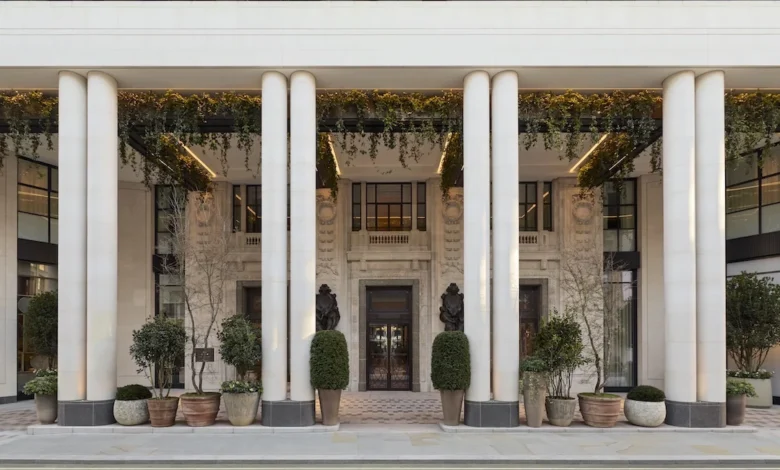
The recent debut of Six Senses London represents more than just a new addition to IHG’s portfolio; it is a powerful statement about the shifting landscape of luxury travel. Historically, the Six Senses brand has been synonymous with remote, secluded resorts offering long-haul escapes, often perceived as once-in-a-lifetime experiences. However, the brand’s strategic expansion into urban centres, including Rome and Kyoto, demonstrates a deliberate effort to integrate its core values into more accessible, everyday environments. The London property, situated in the historic Whiteley building between Hyde Park and Notting Hill, perfectly encapsulates this evolution.
This urban iteration of Six Senses is designed to be a "destination within a destination." It transcends the traditional hotel model by offering a multi-faceted experience that appeals to both transient guests and local residents. The integration of "Six Senses Place," the brand’s inaugural private members’ club, is a testament to this strategy. This initiative directly addresses the growing value that guests and residents place on community and belonging, offering a curated environment that fosters connection and shared experiences.
The Evolution of the Six Senses Proposition
The original ethos of Six Senses has always been rooted in creating a world that extends beyond the resort’s physical boundaries, emphasizing a connection to nature and a holistic approach to well-being. However, the brand’s recent urban ventures highlight a remarkable adaptability to evolving consumer desires. The move into city centres means that the Six Senses experience is no longer solely about escaping the hustle and bustle of daily life, but rather about integrating its principles of wellness, sustainability, and community into the urban fabric.
The choice of The Whiteley as the location for Six Senses London is particularly strategic. This historical building, reimagined as a mixed-use development, provides a prestigious address and a natural synergy with the surrounding affluent neighbourhoods of Notting Hill and Kensington. The development aims to create a vibrant hub that serves not only hotel guests but also the local community, fostering a sense of integration and mutual benefit. This approach acknowledges that the modern luxury consumer seeks authentic experiences that are both enriching and convenient, seamlessly blending travel with their existing lifestyles.
Health and Longevity: A Core Pillar of the Urban Luxury Offering
A significant driver behind the design and offering of Six Senses London is the increasing prioritization of health and longevity among its target demographic. The hotel boasts an expansive 2,300-square-meter spa and wellness facility that goes far beyond conventional spa treatments. It features London’s first hotel magnesium pool, cryotherapy chambers, flotation tanks, and dedicated recovery spaces. Furthermore, the inclusion of a longevity clinic and a Biohack Recovery Lounge underscores a commitment to cutting-edge wellness, catering to guests who are proactively investing in their long-term health and vitality.
The state-of-the-art performance space within the facility is another indicator of this trend, reflecting a growing interest in optimizing physical and mental well-being through advanced techniques and personalized programs. This focus on health and longevity is not an isolated trend but a broader societal shift that luxury brands are increasingly adept at integrating into their offerings. For Six Senses London, this translates into a holistic wellness sanctuary that complements its urban setting, offering a unique proposition for both hotel guests and local members seeking to enhance their well-being.
Market Influences and Strategic Adaptations
The success of Six Senses London is underpinned by a keen understanding of several key market influences. Firstly, the concept of a hotel as a "lifestyle brand" has gained considerable traction. Consumers no longer seek mere accommodation; they desire immersive experiences that align with their personal values and aspirations. Six Senses London masterfully achieves this by offering a blend of luxury, wellness, community, and sustainability.
Secondly, the increasing demand for authentic, hyper-local experiences influences how hotels are designed and operated. By integrating with the local community through Six Senses Place and offering amenities that appeal to residents, the hotel fosters a sense of belonging and provides a genuine connection to the neighbourhood. This approach moves away from the insular nature of traditional luxury hotels and embraces a more outward-looking, community-centric model.
Thirdly, the burgeoning wellness tourism sector, projected to reach $1.5 trillion globally by 2027 according to the Global Wellness Institute, plays a pivotal role. Six Senses London directly taps into this market by offering advanced health and longevity treatments, positioning itself as a leader in this rapidly growing segment. The investment in such comprehensive wellness facilities signals a clear strategy to attract a clientele that views well-being as an integral part of their travel and lifestyle choices.
Supporting Data and Industry Trends
The growth in London’s luxury hotel sector is supported by robust economic indicators and consumer behaviour trends. According to Knight Frank’s latest Wealth Report, the number of ultra-high-net-worth individuals (UHNWIs) globally is projected to increase by 28% over the next five years, reaching 756,000 individuals. These individuals are the primary target market for luxury hotels, and their increasing wealth fuels demand for high-end travel experiences.
Furthermore, a recent report by Savills highlights that London remains a top-tier global city for hotel investment, attracting significant capital despite economic fluctuations. The report indicates a strong pipeline of new luxury hotel developments, with occupancy rates and average daily rates (ADRs) for five-star hotels in London consistently outperforming other segments. This sustained performance validates the ongoing investment in the city’s luxury hospitality infrastructure.
The shift towards experiential travel is also a significant factor. A study by American Express found that 72% of millennials prefer to spend their money on experiences rather than material possessions. This preference directly translates into demand for hotels that offer more than just a place to sleep, but rather opportunities for unique engagement, personal growth, and memorable moments.
Chronology of Luxury Hotel Development in London
The growth in London’s luxury hotel market is not a sudden phenomenon but a culmination of sustained investment and evolving consumer preferences over the past decade.
- 2010s: This period saw a steady increase in luxury hotel openings, with a focus on iconic heritage properties and international brand expansions. Brands like Rosewood, The Langham, and Shangri-La established or enhanced their presence.
- Late 2010s – Early 2020s: A notable acceleration in development occurred, with a greater emphasis on boutique luxury and lifestyle brands. This era witnessed the opening of properties like The Hoxton, Nobu Hotel Shoreditch, and The Mandrake.
- 2023-2024: This period marked a significant increase in openings and planned developments, including Six Senses London, and the anticipation of Waldorf Astoria, St. Regis, and Zetter. The trend shifted towards integrated lifestyle offerings and a stronger focus on wellness.
- 2025-2026 and Beyond: Projections indicate a continued robust pipeline of luxury hotel openings, with an increasing emphasis on sustainability, technological integration, and hyper-personalized guest experiences. The continued expansion of brands like Six Senses into urban centres signals a long-term commitment to this evolving model.
Official Responses and Industry Outlook
While specific official statements regarding the overall growth trend are often embedded within company reports and investor briefings, the strategic decisions of major hotel groups like IHG speak volumes. A spokesperson for IHG Hotels & Resorts, in a general statement regarding their luxury portfolio expansion, has previously emphasized the company’s commitment to "meeting the evolving needs of today’s luxury traveller by offering unique, destination-led experiences that cater to a desire for wellness, sustainability, and authentic connections."
Industry analysts consistently project a positive outlook for the luxury hotel market in major global cities like London. The resilience of the high-net-worth segment, coupled with the growing demand for experiential and wellness-focused travel, provides a strong foundation for continued growth. The challenge for operators, as exemplified by Six Senses London, lies in adapting to these evolving demands while maintaining the core tenets of luxury service and operational excellence.
Broader Impact and Implications for the Hospitality Sector
The expansion of luxury hotels in London, particularly those embracing the lifestyle and wellness model, has several broader implications for the hospitality sector:
- Redefinition of the Hotel’s Role: Hotels are no longer just places to stay; they are becoming integrated social hubs and wellness destinations. This necessitates a broader range of amenities, services, and community-focused initiatives.
- Increased Competition and Innovation: The influx of new, high-profile properties intensifies competition, driving further innovation in guest experiences, technology adoption, and sustainable practices.
- Impact on Local Communities: Developments like Six Senses London, with their focus on community integration and multi-purpose offerings, can positively impact local economies and social fabric by providing amenities and employment opportunities for residents.
- Talent Acquisition and Development: The demand for highly skilled professionals in areas such as wellness, personalized service, and sustainable operations will grow, requiring investment in talent acquisition and training within the industry.
- Sustainability as a Core Value: The increasing prominence of sustainability in luxury travel means that hotels must integrate environmentally conscious practices throughout their operations, from design and construction to daily services.
In conclusion, the current wave of luxury hotel development in London, spearheaded by innovative concepts like Six Senses London, signifies a fundamental shift in the hospitality industry. It reflects a deeper understanding of the modern luxury consumer’s desire for holistic experiences that encompass well-being, community, and a strong sense of place. As this trend continues to unfold, hotels that successfully blend aspirational luxury with authentic lifestyle integration are poised to lead the market, setting new benchmarks for excellence and guest satisfaction.
Discover more about Six Senses London: https://www.sixsenses.com/en/hotels-resorts/europe/united-kingdom/london/
Explore our collection of luxury hotels in London: https://theluxuryeditor.com/location/europe/united-kingdom/england/greater-london/london/