Nasi Lemak, a dish synonymous with Malaysian identity and a beloved staple across Southeast Asia, finds one of its most celebrated expressions at Nasi Lemak Tanglin in Kuala Lumpur. This establishment, operating from the Kompleks Makan Tanglin, has cemented its reputation as a must-visit destination for both locals and tourists seeking an authentic taste of Malaysia’s national dish. Serving millions daily from the southern reaches of Thailand through Malaysia and into Singapore, this seemingly simple yet profoundly satisfying meal of "rice in cream" has become an indispensable part of the region’s culinary landscape.
The establishment’s popularity is immediately evident upon arrival. Visiting on a Friday morning, the parking lot was a testament to its drawing power, requiring multiple laps to secure a spot. This bustling atmosphere, even at 10 AM, underscores the widespread appeal of Malaysian breakfast and lunch fare, with Nasi Lemak Tanglin standing out as a beacon among a collection of stalls, each specializing in distinct local delicacies. The consistent demand for their Nasi Lemak is so high that it is a daily occurrence for the stalls to sell out, often by 11:30 AM, a phenomenon that necessitates an early arrival for patrons.
The Enduring Appeal of Nasi Lemak
Nasi Lemak, literally translating to "fat rice," derives its name from the method of cooking rice in coconut milk, which imbues it with a rich, creamy texture and a subtle, aromatic fragrance from pandan leaves. While the base remains consistent, the dish’s versatility is its true strength. It typically comprises a mound of fragrant coconut rice, served with a medley of accompaniments designed to provide a spectrum of flavors and textures. Essential components include a salty element, often in the form of fried ikan bilis (anchovies) or salted fish, and a crunchy counterpoint, usually provided by toasted peanuts and thinly sliced fresh cucumbers.
The heart of the Nasi Lemak experience, however, lies in its sambal. Far from being a simple chili paste, the sambal is a complex concoction, often requiring significant time and skill to prepare. Its flavor profile can range from subtly spicy and tangy to delicately sweet, particularly if fruit ingredients are incorporated. This sambal acts as the unifying element, binding the disparate flavors and textures of the dish into a harmonious whole. Its preparation is a testament to the depth and tradition embedded within Malaysian cuisine, where seemingly basic ingredients are elevated through meticulous technique.
Beyond its immediate deliciousness, Nasi Lemak holds significant cultural and economic importance. It is widely regarded as Malaysia’s "comfort food," a dish that evokes a sense of home and familiarity for many Malaysians. Furthermore, its affordability makes it an accessible and attractive option for budget-conscious travelers exploring Malaysia, offering a genuine taste of local life without a hefty price tag. The dish’s widespread availability and consistent quality across diverse settings highlight its role as a culinary ambassador for Malaysia.

A Legacy of Flavor: Nasi Lemak Tanglin’s Origins
Nasi Lemak Tanglin’s roots trace back to 1948, establishing it as a long-standing institution in Kuala Lumpur’s culinary scene. This extensive history speaks to its ability to adapt and maintain relevance across generations, a feat that requires consistent quality and a deep understanding of its customer base. The restaurant is part of a culinary hub that has evolved over time, yet Nasi Lemak Tanglin has remained a constant draw, a testament to its enduring appeal and commitment to tradition.
The enduring success of Nasi Lemak Tanglin can also be attributed to its strategic location within Kompleks Makan Tanglin, a food court environment that fosters a vibrant communal dining experience. This setting allows patrons to not only enjoy Nasi Lemak but also to sample a variety of other Malaysian delicacies, creating a rich tapestry of flavors within a single destination. The presence of live music, often featuring local Malay "Pop Yeh Yeh" – a genre of psychedelic rock popular from the 1960s and 70s – further enhances the dining atmosphere, transforming a simple meal into an engaging cultural experience. This blend of exceptional food and lively ambiance contributes significantly to the restaurant’s popularity.
The Tanglin Experience: More Than Just Rice
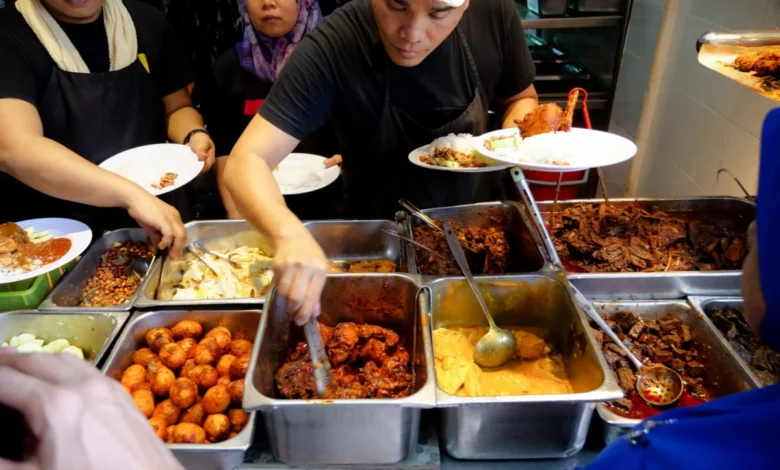
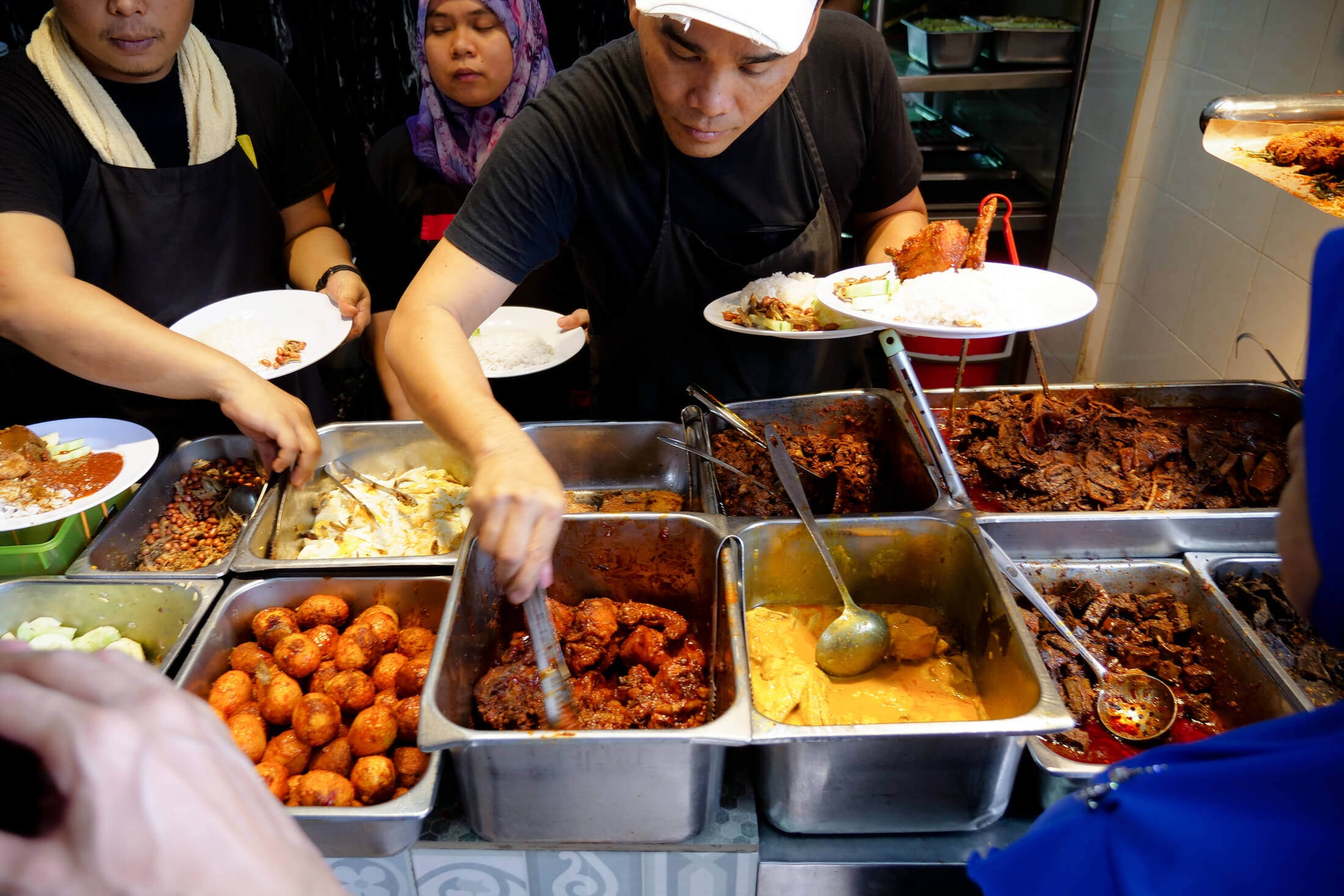
At Nasi Lemak Tanglin, the ordering process is designed for efficiency and customization. Patrons approach a central counter where the fragrant white rice is prepared. From there, they can select from an impressive array of curries and meat dishes to adorn their rice. The sheer variety on offer can be overwhelming, with numerous options vying for a spot on the plate. This extensive selection allows for a personalized Nasi Lemak experience, catering to diverse preferences and appetites.

The culinary team at Nasi Lemak Tanglin demonstrates remarkable skill in preparing a wide range of accompaniments. Among the popular choices are the rich, slow-cooked Rendang, a dry curry typically made with beef or chicken, and various flavorful curries. A particularly noteworthy recommendation, often highlighted by local patrons, is the inclusion of "kolong," which refers to beef intestines and spleen. This dish, often served bathed in a thick, dark brown curry sauce, is praised for its incredibly rich flavor and almost mushy, creamy texture. The recommendation to "always ask for extra spleen" speaks to its unique and satisfying character, a flavor profile that deviates from the more conventional options.
The addition of a fried egg is another popular enhancement, a universally acknowledged way to elevate almost any dish. The practice of eating Nasi Lemak Malay-style, by mixing the ingredients and curry broth into the rice with one’s fingers, is a sensory experience that deepens the flavor and texture, providing a more intimate connection with the food. This method, while perhaps less formal than using cutlery, is believed by many to unlock the full spectrum of flavors, coating each grain of rice in a way that a fork or spoon cannot replicate.
The restaurant’s commitment to sustainability is also noteworthy. While some might miss the traditional serving of Nasi Lemak on banana leaves, the use of reusable plates at Nasi Lemak Tanglin aligns with Malaysia’s efforts to ban single-use plastics and reduce deforestation associated with banana tree cultivation. This conscious choice reflects a growing awareness of environmental issues within the food industry and positions Nasi Lemak Tanglin as a forward-thinking establishment.

A Culinary Landmark and a Cultural Hub
Nasi Lemak Tanglin transcends the definition of a mere eatery; it is a cultural landmark and a testament to the enduring power of a well-executed traditional dish. The restaurant’s consistent popularity, evidenced by the daily sell-outs and packed dining area, highlights its status as a culinary destination. The diversity of offerings, from the classic Nasi Lemak components to a vast selection of meats and curries, ensures that each visit can be a new gastronomic adventure.
The establishment’s role extends beyond providing sustenance. It serves as a vibrant social space, a place where families and friends gather to enjoy a meal and connect. The lively atmosphere, amplified by the presence of live music, creates an environment that is both energizing and relaxing, making it an ideal spot for a weekday lunch or a leisurely weekend outing. The setting, often featuring open-air seating beneath tents with views of lush greenery, adds to the overall dining experience, offering a tranquil escape within the bustling city.
Nasi Lemak Tanglin stands as a prime example of Kuala Lumpur’s thriving food scene, a city recognized globally as a top destination for culinary exploration. Its ability to consistently deliver a high-quality, authentic Nasi Lemak experience, coupled with its welcoming atmosphere and commitment to tradition, solidifies its position as a cornerstone of Malaysian cuisine. For anyone visiting Kuala Lumpur, a meal at Nasi Lemak Tanglin is not just about tasting a dish; it is about experiencing a vital piece of Malaysian culture.

The restaurant’s operational details further underscore its accessibility and value. Open daily from 7 AM to 1 PM, it caters to early risers and lunch crowds alike. A single plate of Nasi Lemak is priced at a modest 2RM, with additional items like eggs and meats ranging from 1RM to 5RM. For instance, a recent meal for four people totaled 35RM, approximately US$8.50, demonstrating the exceptional affordability of this culinary experience. This economic accessibility ensures that Nasi Lemak Tanglin remains a beloved institution for all strata of society, reinforcing its status as a truly democratic culinary destination.
In conclusion, Nasi Lemak Tanglin is more than just a place to eat; it is a vibrant hub of Malaysian culture, a celebration of culinary heritage, and a testament to the enduring appeal of a perfectly crafted national dish. Its rich history, dedication to quality, and lively atmosphere make it an indispensable stop for anyone seeking an authentic taste of Kuala Lumpur.