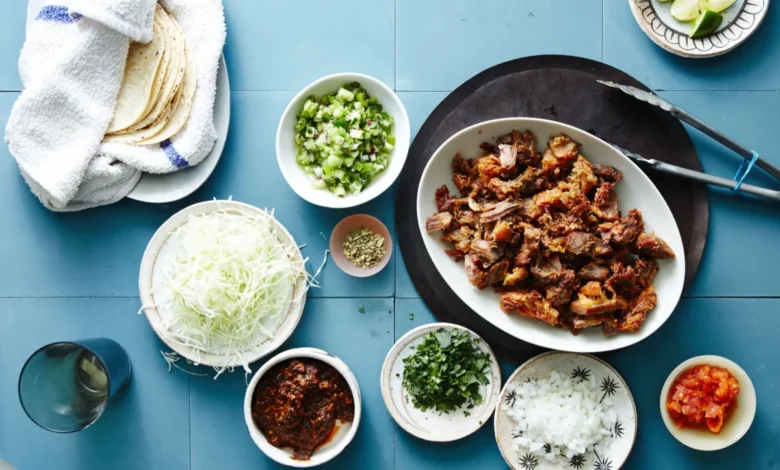
Carnitas, a beloved staple of Mexican cuisine, literally translating to "little meats," represent a culinary tradition steeped in history and flavor. This particular rendition, a "double-pork" recipe that artfully combines pork belly and shoulder, offers a profoundly flavorful and remarkably straightforward approach to this iconic dish. At its core, this recipe hinges on two fundamental pillars: the selection of exceptional quality meat and the virtue of patience. This streamlined method eschews the common inclusion of citrus, spices, and other aromatics often found in traditional carnitas recipes, deliberately opting for a braising process of elegant simplicity. The true magic unfolds in the final stage, where the slow-cooked pork is crisped to perfection in its own rendered fat. The result is a dish of unparalleled succulence, yielding tender, shreddable meat adorned with deeply caramelized, crackly edges and an intensely concentrated pork essence.
The genesis of carnitas can be traced back to the state of Michoacán in Mexico, a region renowned for its culinary heritage. While precise origins are often shrouded in the mists of time, the dish is believed to have emerged from the need to preserve and tenderize pork, a valuable commodity. Early methods likely involved slow cooking in lard, a technique that not only tenderized the meat but also imparted a distinctive richness. Over generations, this foundational process evolved, with regional variations incorporating different cuts of pork and aromatic additions. However, the essence of carnitas—slow braising followed by crisping—has remained remarkably consistent. The "double-pork" approach, as exemplified in this recipe, represents a modern interpretation that amplifies the inherent richness and textural complexity of the dish. By incorporating pork belly, known for its high fat content and succulent texture, alongside the more classic pork shoulder, which offers excellent shreddability, this recipe aims to achieve a depth of flavor and a duality of texture that is truly exceptional.
The beauty of this recipe lies in its deliberate stripping away of extraneous ingredients. While many carnitas recipes incorporate elements like oranges, garlic, bay leaves, or even beer to infuse the braising liquid, this approach champions the pure, unadulterated flavor of the pork itself. This focus on simplicity allows the inherent qualities of the meat to shine through, creating a canvas upon which the final crisping stage can perform its transformative alchemy. The braising process, which typically involves simmering the pork in a liquid (often water, broth, or a combination) until it is fork-tender, breaks down the connective tissues in the meat, rendering it incredibly moist and easy to shred. This is a critical step, often requiring several hours, underscoring the recipe’s emphasis on patience.
The Art of the Final Crisp
The transformative power of carnitas truly emerges in the final crisping phase. Once the meat has been thoroughly braised and shredded, it is introduced to a hot skillet, often with a small amount of its own rendered fat. This is where the magic happens: the edges of the shredded pork caramelize and crisp up, creating delightful textural contrasts. The moist, tender interior of the shredded meat is juxtaposed with the intensely browned, almost brittle exterior. This duality of texture is a hallmark of exceptional carnitas and is directly attributable to this crucial frying step. It is during this phase that the flavors become even more concentrated, as the Maillard reaction—the complex chemical process responsible for browning and flavor development—intensifies.
The implications of this simplified approach are significant for home cooks. By reducing the number of ingredients and focusing on technique, the recipe becomes more accessible without sacrificing the authentic, deeply satisfying flavor profile that defines great carnitas. This also allows for greater flexibility in serving. The resulting carnitas can be enjoyed in a multitude of ways, with the most popular being carnitas tacos.
Serving Carnitas: A Versatile Culinary Canvas
Once the meat has achieved its perfect balance of juicy tenderness and crispy edges, it is ready to be transformed into delectable carnitas tacos. This involves warming fresh corn tortillas, a step that enhances their pliability and flavor. These warm tortillas then serve as the ideal vessel for the succulent shredded pork. The toppings are where personal preference and regional variations truly come into play, offering a spectrum of complementary flavors and textures.
Classic accompaniments include a generous scattering of freshly chopped cilantro, which provides a bright, herbaceous counterpoint to the richness of the pork. Sliced avocado or a dollop of creamy guacamole adds a smooth, luxurious texture and a mellow richness. A vibrant salsa verde, with its tangy tomatillo base and herbaceous notes, or a fiery habanero jam, offering a sweet and spicy kick, can elevate the dish with a burst of acidity and heat. Finely chopped white onion provides a sharp, pungent crunch, while a spoonful of cooling crema offers a soothing contrast to any spice. This versatility ensures that carnitas can be tailored to suit a wide range of palates and preferences, making them a perennially popular choice for both casual gatherings and more formal dining occasions.
Carnitas FAQ: Addressing Common Culinary Queries
What cut is best for carnitas? Is pork belly essential?
The quintessential cut for carnitas is boneless pork shoulder, also commonly known as pork butt or Boston butt. This cut is prized for its generous marbling of fat and connective tissue, which break down during the slow braising process, resulting in exceptionally tender and easily shreddable meat. The high fat content ensures that the meat remains moist and flavorful throughout the cooking.
The inclusion of pork belly, as in this double-pork recipe, is not strictly traditional but offers a significant enhancement. Pork belly, with its distinct layers of fat and meat, renders down to produce incredibly rich, succulent morsels and contributes to the desirable crispy texture in the final stage. While pork shoulder alone will undoubtedly yield very good carnitas, the addition of pork belly introduces an extra layer of richness and textural complexity, creating those coveted extra-delicious, crispy bits that many carnitas enthusiasts adore. For those seeking the absolute leanest option, pork shoulder on its own is a perfectly acceptable and delicious choice, though it may result in a slightly less varied textural experience.
Why aren’t my carnitas getting crispy?
The failure to achieve crispy carnitas is most often attributed to the final frying step. This stage is not merely optional; it is absolutely essential for achieving the signature texture of this dish. Several factors can contribute to soft, rather than crisp, carnitas:
- Overcrowding the Pan: The most common culprit is placing too much pork into the skillet at once. The meat should be cooked in batches in a wide skillet. This allows the rendered fat to circulate freely around the meat, facilitating a true frying process. When the pan is overcrowded, the meat begins to steam in its own juices rather than fry in the hot fat, preventing the development of a desirable crisp exterior.
- Insufficient Fat: While the recipe emphasizes using the pork’s own rendered fat, ensuring there is an adequate amount in the skillet is crucial. If the initial rendered fat is insufficient, a small amount of additional lard or neutral oil can be added to facilitate proper frying.
- Temperature Control: The skillet should be heated to a medium-high temperature. Too low a temperature will not create the necessary sear and crisping, while a temperature that is too high can burn the exterior before the interior has a chance to crisp.
- Moisture Content: Ensuring the braised pork is adequately drained of excess liquid before being added to the skillet can also help promote crisping. Excess moisture will hinder the frying process.
Can I add spices, citrus, or aromatics?
Absolutely. While this particular recipe is meticulously designed to highlight the pure, unadulterated flavor of the pork through a simplified braising process, the beauty of carnitas lies in its adaptability. Many traditional and contemporary recipes incorporate a range of spices, citrus fruits, and aromatics to impart additional layers of flavor. Common additions include:
- Spices: Cumin, coriander, and oregano are frequently used to add earthy and aromatic notes.
- Citrus: Oranges, particularly their zest and juice, are a popular addition, providing a subtle sweetness and acidity that can help tenderize the meat and balance the richness. Limes are also often used for a brighter, more zesty profile.
- Aromatics: Garlic cloves, bay leaves, and onions are commonly added to the braising liquid to infuse the pork with fragrant undertones.
- Liquids: Some recipes call for beer or milk in the braising liquid, which can contribute to tenderness and flavor complexity.
This recipe’s intentional omission of these elements serves to create a baseline of intensely pork-forward flavor. However, there is no culinary law that dictates a single method. Enthusiasts are encouraged to experiment and personalize the recipe to their own taste. A common approach is to add these flavorings during the braising stage. For instance, a whole orange, halved, can be added to the pot along with a few crushed garlic cloves and a bay leaf. The key is to understand that these additions will alter the final flavor profile. This recipe’s strength lies in its ability to showcase the meat’s natural character, making it a perfect starting point for those who wish to explore the nuanced world of carnitas.
The enduring popularity of carnitas across Mexico and beyond is a testament to its satisfying combination of texture and flavor. Whether enjoyed as a humble taco filling or incorporated into more elaborate dishes, this "little meat" has firmly established itself as a cornerstone of Mexican gastronomy, a dish that rewards patience and celebrates the inherent deliciousness of well-prepared pork. The accessibility of this double-pork recipe, while rooted in traditional techniques, also signifies a broader trend in culinary arts: the rediscovery and refinement of fundamental cooking methods to achieve maximum flavor with elegant simplicity.