Jurassic Quest Returns: How the Popular Drive-Thru Dinosaur Exhibit is Adapting to Modern Family Entertainment

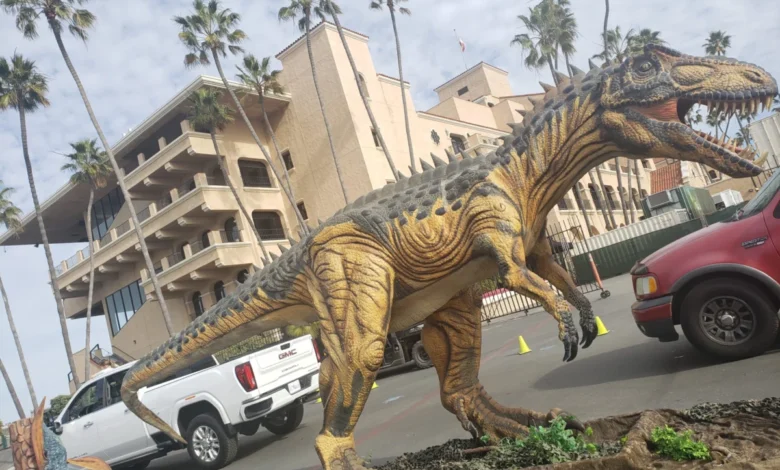
The popular interactive touring exhibition Jurassic Quest has officially announced its return to select cities nationwide, bringing back its widely attended drive-thru dinosaur experience that first captivated families during the height of the COVID-19 pandemic. Originally launched to provide a safe, socially distanced entertainment option for families confined by public health restrictions, the tour has evolved into a staple of modern mobile family attractions. Featuring life-sized, animatronic dinosaurs, synchronized audio tours, and streamlined per-vehicle ticketing, the resurrected exhibition aims to blend entertainment with paleontology in an accessible format for audiences across the United States.
Background Context and Origins of the Drive-Thru Format
The emergence of drive-thru entertainment models like Jurassic Quest represented a pivotal shift in the live-events industry. Following widespread venue closures and event cancellations in 2020 due to the global pandemic, producers of large-scale exhibitions had to fundamentally rethink how to deliver immersive experiences while adhering to local and federal health guidelines. Traditional walk-through exhibitions, theme parks, and museums experienced unprecedented financial strain, prompting creators to pivot toward automotive-based formats.
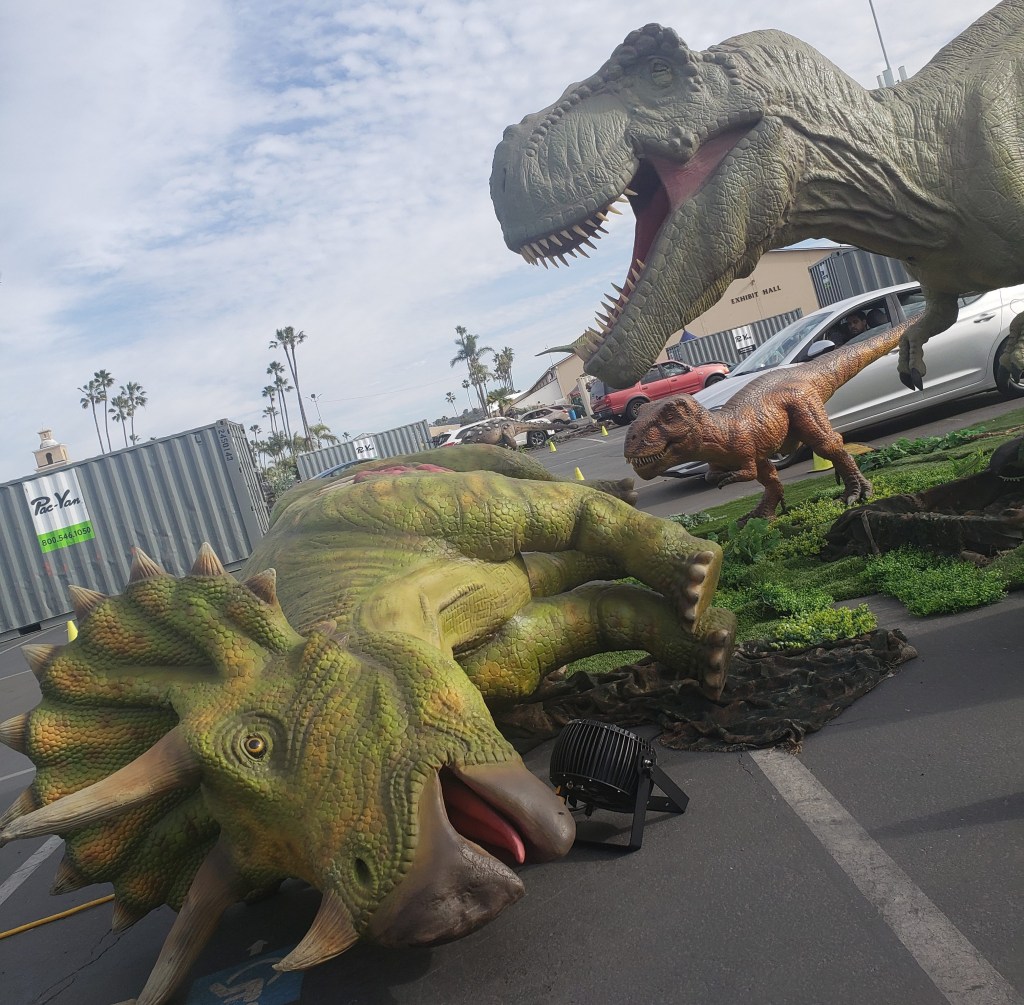
Jurassic Quest capitalized on this logistical shift by transforming open-air fairgrounds and large parking complexes—such as the Del Mar Fairgrounds in Southern California—into prehistoric landscapes. Visitors could remain safely isolated inside their personal vehicles while navigating through pathways lined with moving, roaring prehistoric beasts. The adaptation not only preserved revenue streams for event organizers and venue operators but also established a new blueprint for family-friendly tourism that prioritized safety, predictability, and controlled guest flow.
Chronology and Expansion of the Tour
The timeline of Jurassic Quest reflects a remarkable adaptability to changing public health landscapes and consumer demands. Originally founded as a traditional indoor walk-through event featuring stationary and animatronic dinosaurs, fossil digs, and interactive science stations, the brand was forced to pivot rapidly in 2020.
- Mid-2020: In response to nationwide indoor gathering restrictions, Jurassic Quest conceptualized and launched its first-ever drive-thru tour, successfully deploying fleets of animatronic dinosaurs to fairgrounds across multiple states.
- Late 2020 to Early 2021: The tour gained significant traction during the winter holiday season and early spring. Engagements such as the January residency at the Del Mar Fairgrounds drew thousands of vehicles, proving the commercial viability of the automotive format even as traditional venues began reopening at reduced capacities.
- Current Phase: Building on the accumulated operational expertise from previous iterations, organizers have reintroduced the drive-thru model to select cities. This phase caters both to families seeking nostalgic returns to the attraction and to new audiences looking for convenient, weather-resistant weekend outings.
Operational Mechanics and Educational Integration
Unlike traditional amusement parks that price admission strictly on a per-person basis, Jurassic Quest maintains its signature flat-rate pricing structure, charging approximately $49 per vehicle. This pricing model has been widely credited by consumer analysts for reducing financial barriers for larger families and multi-generational groups. Additionally, visitors can purchase tiered add-on "quest packs"—ranging from $15 to $50—which include supplemental activity books, fossil digging kits, and themed merchandise designed to extend the educational experience beyond the physical tour.
Education remains a core pillar of the exhibition’s curriculum. As vehicles enter the course, families synchronize their smartphones or car audio systems with a professionally narrated audio tour. The broadcast is specifically engineered to pace traffic flow, allowing vehicles to pause or proceed slowly without missing narrative cues. The script provides factual, age-appropriate insights into various prehistoric species, including the Cretaceous and Jurassic periods, dietary habits, and recent paleontological discoveries. This audio-guided structure ensures that children depart the exhibition not merely entertained by visual spectacles, but equipped with empirical knowledge regarding prehistoric life.
Animatronic Engineering and Production Standards
The visual centerpiece of Jurassic Quest relies heavily on advanced animatronic engineering. The exhibition features dozens of species ranging from small raptors to massive long-necked sauropods and apex predators like the Tyrannosaurus rex. Unlike static fiberglass statues commonly found in roadside attractions, these models are constructed with internal mechanical frameworks, pneumatic actuators, and realistic synthetic skin that allows for fluid movement, blinking eyes, synchronized jaw articulation, and authentic vocalizations.

Production teams work in collaboration with paleontologists to ensure that anatomical proportions, skin coloration patterns, and physical behaviors reflect the most current scientific consensus. While some artistic liberties are taken—such as the narrative integration of a missing T-Rex designed to prompt interactive family game-play or scavenger hunts—the overarching presentation adheres strictly to educational standards established by natural history institutions.
Economic and Logistical Implications for Event Venues
The return of Jurassic Quest carries significant economic implications for municipal fairgrounds, convention centers, and local hospitality sectors. Large-scale venues such as the Del Mar Fairgrounds rely heavily on steady calendar bookings to offset year-round maintenance costs and facility overhead. The drive-thru model requires minimal on-site staffing compared to traditional festivals, reducing operational friction while still generating substantial foot traffic for ancillary services.
Furthermore, the integration of pre-event carnival food booths and post-tour drive-up gift shops creates a decentralized economic ecosystem. Local vendors and food truck operators benefit from the steady influx of captive consumers who purchase meals and souvenirs before or after their designated time slots. This symbiotic relationship helps stimulate local micro-economies without placing undue strain on local infrastructure or parking management.
Broader Impact on the Family Entertainment Sector
The sustained popularity of Jurassic Quest underscores a permanent shift in consumer preferences toward flexible, ticket-controlled, and highly customizable entertainment options. Even as traditional amusement parks, museums, and indoor family entertainment centers have fully resumed standard operations, the demand for hybrid experiences—those that combine the safety of personal transport with the scale of theatrical production—remains robust.

Industry observers note that the success of mobile, vehicle-based exhibits has encouraged other intellectual property holders to explore non-traditional venues. By decentralizing entertainment and bringing major touring exhibitions directly to suburban and regional fairgrounds rather than concentrating them exclusively in major metropolitan theme park hubs, producers can reach broader demographic segments.
Visitor Logistics and Future Outlook
For families planning to attend the upcoming limited-engagement runs of Jurassic Quest, advanced online booking remains mandatory due to high demand and structured time-slot allocations. Organizers advise patrons to review local venue guidelines regarding vehicle height restrictions, pet policies, and audio synchronization procedures before arrival.
As Jurassic Quest continues its multi-city deployment, the exhibition serves as a prime case study in how entertainment brands can successfully pivot, innovate, and maintain long-term relevance by prioritizing accessibility, education, and family-oriented value. For further details on tour dates, ticketing, and regional city schedules, visitors are encouraged to consult the official Jurassic Quest website.