The modern mountain travel experience is undergoing a fundamental shift in perception, moving away from a singular focus on downhill skiing toward a more holistic, immersive approach to alpine culture. While snow sports remain the primary economic driver for high-altitude destinations, statistical trends from the last decade indicate that non-skiers and "slopes-adjacent" travelers now represent a significant, growing demographic. This transition marks a departure from the traditional resort-centric model, where the success of a winter town was measured solely by annual snowfall and lift ticket sales, to a model defined by community, culinary identity, and wellness-based tourism.

The Economic Evolution of Alpine Destinations
Data from the National Ski Areas Association (NSAA) suggests that while skier visits have remained relatively resilient, the average visitor demographic is aging and seeking experiences that prioritize comfort and social engagement over high-risk physical exertion. Consequently, municipalities that have successfully diversified their offerings—integrating arts, gastronomy, and unconventional outdoor pursuits—have seen a marked increase in off-season and mid-week revenue.
This shift is not merely a matter of convenience; it is a strategic economic imperative. As climate volatility creates unpredictable seasons, mountain towns are investing heavily in "resilience infrastructure," which includes year-round event spaces, geothermal spa facilities, and expanded local food networks. By decoupling the destination’s appeal from the presence of a deep snowpack, these towns are effectively insulating their local economies against the inherent risks of climate change.

The Anatomy of the Modern Winter Escape
To understand the changing face of winter travel, one must analyze the specific components that transform a visitor from a transient tourist into a repeat patron. The "third-morning phenomenon"—whereby a visitor develops a sense of local belonging through consistent interactions with service staff—has become a cornerstone of hospitality research.
- Culinary Localization: Towns like Saratoga Springs, New York, have leveraged regional food traditions, such as winter chowder festivals, to create a sense of place that resonates with visitors. This creates a "culinary anchor" that keeps tourists engaged even when weather conditions are suboptimal for outdoor sports.
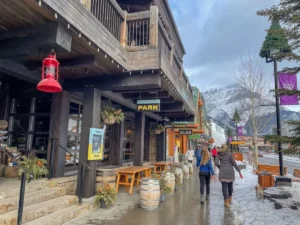
- Wellness as a Destination Driver: The definition of wellness has expanded from basic fitness to psychological restoration. In locations such as Banff, Alberta, the integration of ice climbing and high-end gastronomy into a wellness framework suggests that travelers are increasingly seeking a balance between high-intensity adrenaline and restorative luxury.
- Tradition and Heritage: The longevity of local customs, such as the 115-year-old Swiss Velogemel racing tradition, provides a narrative framework that connects the visitor to the history of the region. Engaging with these traditions offers a sense of authenticity that standardized, manufactured resort experiences often lack.
Chronology of the Winter Tourism Pivot
The trend toward experiential mountain travel gained significant momentum following the global travel disruptions of 2020–2022. During this period, the industry observed the following timeline of change:
- 2020–2021 (The Isolation Era): A surge in domestic travel saw mountain towns acting as refuges. Travelers stayed longer, leading to a deeper integration with local communities.
- 2022–2023 (The Diversification Phase): Resorts and municipalities began formalizing "off-slope" programming, including bobsledding in Olympic venues and high-end spa retreats, to capture the market of travelers who were less interested in traditional skiing.
- 2024–Present (The Sustainability Era): Current efforts are focused on sustainable infrastructure, with gear companies like Cotopaxi and specialized tourism boards emphasizing "blending in"—adopting local aesthetics and habits to minimize the social friction between locals and seasonal visitors.
Supporting Data: The Rise of the Non-Skier
Market analysis conducted by regional tourism boards indicates that in mountain towns with strong town-center programming, non-skier participation in local economic activity has increased by approximately 22% since 2019. In Bend, Oregon, for instance, the "hallelujah curve" approach to tourism—emphasizing the transition from urban convenience to high-altitude wilderness—has successfully positioned the town as a year-round hub rather than a seasonal satellite of the Mt. Bachelor ski area.
Furthermore, the "wellness economy" in alpine settings is projected to grow at a compound annual growth rate (CAGR) of 6.8% through 2028. This growth is driven by travelers who prioritize thermal bathing, localized nutrition, and cultural heritage over the pursuit of vertical feet.
Official Perspectives on Community Integration
Tourism directors and community leaders emphasize that the "local connection" is the ultimate product. In recent statements, municipal representatives from major North American mountain hubs noted that the most successful marketing campaigns are those that highlight the "human element."
"A mountain town is only as strong as its residents’ ability to feel like the town is their own, even when it is crowded with visitors," says one industry consultant specializing in destination management. "When a visitor learns to navigate a town—understanding the local slang, knowing where the best late-night coffee is, and participating in the local culture rather than just observing it—the loyalty they feel to that destination increases exponentially."

Broader Implications and Future Trends
The implications of this shift are profound for urban planning and environmental management. As mountain towns focus on developing walkable, dense, and culturally rich cores, they are simultaneously reducing their reliance on massive, resource-intensive lift infrastructure.
Looking forward, the integration of technology and tradition will continue to define the space. For example, digital platforms are increasingly used to help travelers "blend in" by providing curated guides on local customs, gear requirements for the specific micro-climate, and ethical tourism practices. This not only improves the visitor experience but also alleviates the strain on local infrastructure by distributing tourism traffic more evenly throughout the day and the week.

Conclusion: The Future of the Mountain Experience
The narrative of the winter mountain trip is being rewritten. While the allure of the snowy peak remains a powerful psychological draw, the staying power of a destination is increasingly found in the "in-between" moments: the warmth of a local cafe, the shared silence of an Icelandic thermal pool, or the collective excitement of a local tradition.
As we look toward future seasons, the mountain towns that will thrive are those that recognize that they are not just providers of slopes, but curators of experiences. By prioritizing the human connection and the unique cultural identity of their regions, these towns are transforming the winter holiday from a temporary athletic pursuit into a sustainable, lifelong relationship between the traveler and the mountain. The goal is no longer just to reach the summit; it is to find a place where the traveler feels they truly belong, regardless of how much snow happens to fall on the slopes that year.