The Ultimate Guide to Using Your Smartphone and Mobile Data in Europe Without Breaking the Bank


Staying connected while traveling across Europe has evolved from a luxury into an absolute logistical necessity. Whether navigating historic cobblestone streets via digital maps, translating foreign languages in real-time, securing last-minute train tickets, or sharing experiences on social media, a reliable high-speed data connection is indispensable for the modern traveler. However, utilizing an American iPhone or Android device abroad can quickly turn into a confusing and financially punishing ordeal for the unprepared. International roaming fees, throttled network speeds, and incompatible carrier stipulations frequently catch tourists off guard, resulting in exorbitant cell phone bills upon returning home.
Device Compatibility and The Evolution of International Connectivity
For travelers originating in the United States, hardware compatibility is thankfully no longer a primary concern. Virtually all modern smartphones manufactured after 2016, including the iPhone 7 and newer generations, are fully equipped to interface with Europe’s advanced telecommunications infrastructure. Major American mobile carriers—such as Verizon, AT&T, and T-Mobile—maintain extensive bilateral roaming agreements with regional European networks. Consequently, an American-issued device will automatically handshake with a local foreign carrier the moment it lands abroad, provided international data roaming is enabled within the user’s operating system settings.
Despite seamless hardware integration, the financial implications vary wildly depending on the chosen connectivity strategy. Relying on default domestic carrier add-ons often subjects consumers to steep daily fees coupled with heavily restricted bandwidth. Alternatively, purchasing prepaid European SIM cards or digital eSIM profiles from third-party providers routinely slashes costs in half while delivering vastly superior network speeds and data caps. Analyzing the structural differences between these options reveals distinct operational pros, cons, and technical prerequisites that every international traveler must evaluate prior to departure.

American Mobile Carrier International Plans: Convenience at a Premium
The most frictionless approach to maintaining connectivity abroad is modifying an existing domestic mobile subscription to include international roaming features. Major carriers offer automated add-on packages that can be activated online within minutes. Once configured, the smartphone establishes a connection with foreign partner networks seamlessly upon arrival.
However, industry analysts and frequent travelers consistently point out the major drawbacks of this approach: prohibitive costs, stringent data limits, and aggressive throttling. Standard daily international passes from major US providers typically cost a minimum of $10 to $15 per day. Even at these premium price points, users frequently report being throttled down to sluggish 3G or 2G speeds after consuming a minuscule 100MB to 500MB of daily high-speed data. Voice calls on these plans often average $1 per minute, while standard SMS text messages can incur per-message charges.
Carrier-specific policies highlight these disparities. T-Mobile historically disrupted the market by bundling international data and text into select mid-tier and premium plans, offering unlimited texting and data across more than 210 countries, alongside a baseline of up to 5GB of high-speed LTE data before throttling speeds to 2G. While sufficient for light email and messaging, extended itineraries quickly exhaust this allowance. Conversely, legacy competitors like Verizon and AT&T lean heavily on daily flat-rate travel add-ons, which can accumulate rapidly over a multi-week vacation, making them financially unfeasible for budget-conscious explorers.
The European Prepaid Alternative: Physical SIM and eSIM Technology
To bypass the inflated pricing structures of domestic carriers, savvy travelers increasingly turn to local European mobile data solutions. Europe’s telecommunications market features intense regulatory oversight and fierce corporate competition, driving down consumer prices while forcing rapid technological deployment. Consequently, prepaid data bundles offering upwards of 20GB of high-speed 4G/5G data can routinely be secured within the European Union for approximately €20, frequently inclusive of regional voice minutes and text messaging.
A pivotal regulatory milestone in this sector occurred when the European Union legislated the abolition of intra-EU roaming charges. Under these directives, a prepaid SIM card or data plan purchased within any EU member state functions seamlessly across all other member states without incurring supplementary cross-border tariffs.
Furthermore, the telecommunications landscape has been revolutionized by the widespread adoption of embedded SIM (eSIM) technology. Unlike traditional physical plastic SIM cards that require physical extraction and replacement, modern smartphones equipped with eSIM capabilities allow users to download digital data profiles instantly over the internet. This technological leap preserves the primary domestic phone number in the physical SIM slot while simultaneously operating a regional European data profile via the eSIM, eliminating the risk of losing home-country connectivity or physical cards.
Navigating Device Unlocking and Carrier Restrictions
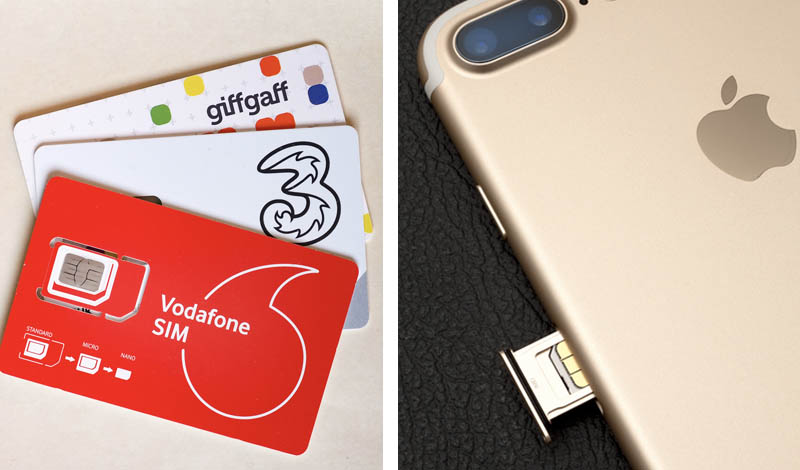
Before implementing a European SIM or eSIM strategy, consumers must address potential software locks imposed by domestic American carriers. To protect hardware financing agreements, many US network operators deploy software locks that prevent devices from accepting third-party SIM cards.
Unlocking a device requires contacting the carrier’s customer service division and formally requesting an international unlock. Carriers typically mandate specific eligibility criteria, such as the complete fulfillment of device payment plans or active account standing. Because administrative backlogs and bureaucratic hurdles can delay this process, industry experts strongly advise initiating unlock requests weeks in advance of a scheduled departure.

In scenarios where a carrier refuses to unlock a device—frequently due to active equipment installment contracts—travelers have two primary workarounds. The first involves utilizing an older, fully unlocked backup smartphone dedicated exclusively to travel purposes, mitigating the risk of losing or damaging a primary device. The second involves leveraging public Wi-Fi infrastructure paired with offline productivity tools, reserving cellular data usage strictly for essential transit navigation.
Pre-Trip Procurement Versus On-the-Ground Acquisition
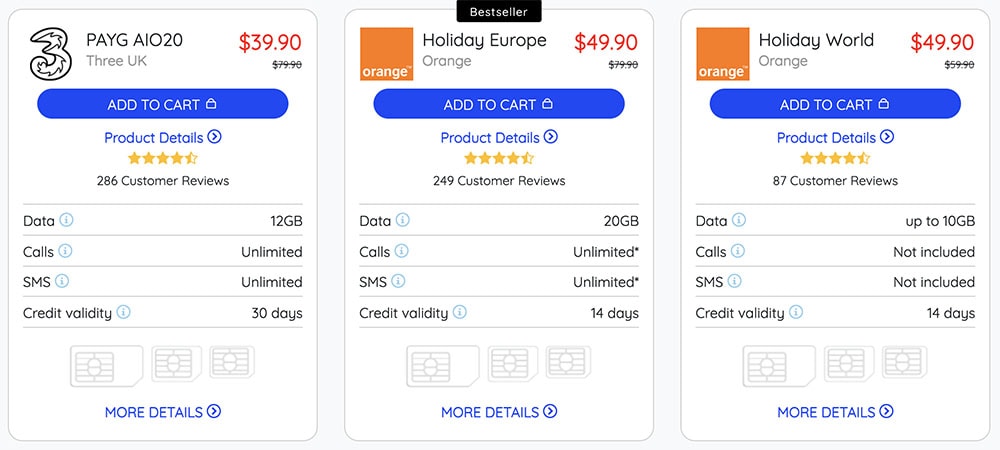
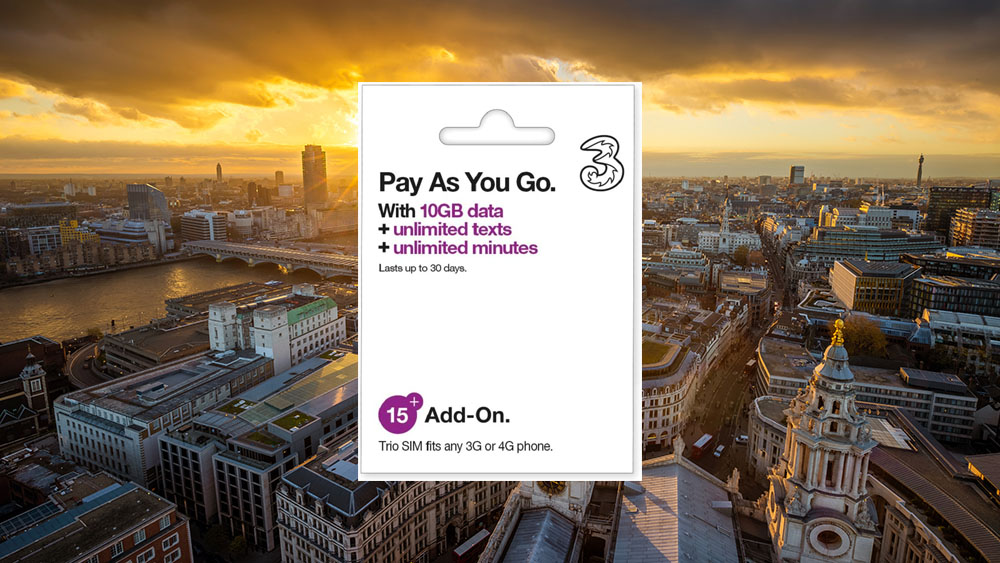
Travelers favoring physical preparation can purchase prepaid European SIM cards domestically prior to departure through specialized authorized international resellers such as SimOptions. These platforms partner directly with major European mobile giants—including Orange, Bouygues Telecom, and Three UK—allowing consumers to receive physical or digital SIM configurations directly at their home addresses before boarding international flights.

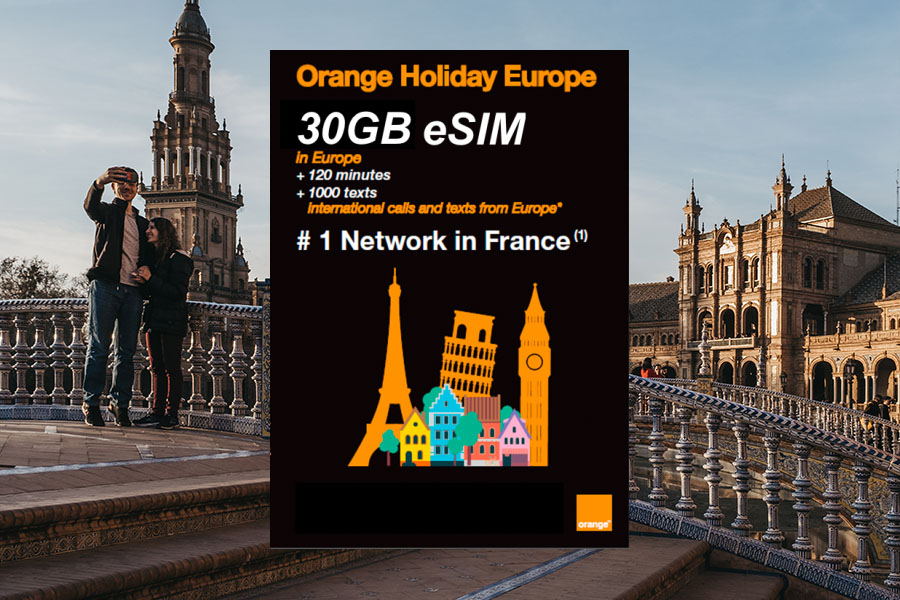
Among the most popular pre-configured options is the Orange Holiday Europe Prepaid SIM card. Regarded as a gold standard for international travelers, the plan typically provides generous high-speed data allowances valid across the EU, alongside extensive international voice and text allotments. Competitors like Three UK offer flexible 30-day validity periods ideal for extended backpacking excursions, while startup digital providers such as Holafly offer specialized unlimited data eSIM packages tailored to varying trip durations.
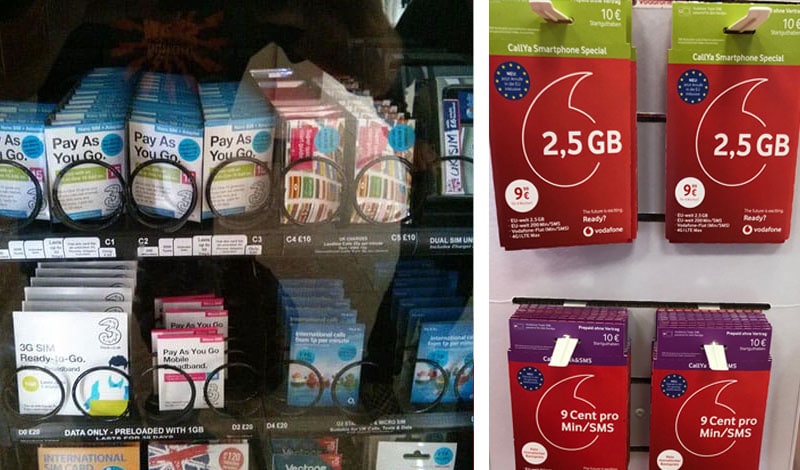
Alternatively, travelers can acquire prepaid SIM cards upon arrival at European international airports, local convenience stores, or dedicated carrier storefronts. While purchasing in-person ensures direct technical support from local representatives, it introduces potential language barriers and consumes valuable vacation time navigating activation procedures and identity registration laws.
Regulatory Compliance and Identity Verification Protocols
When acquiring mobile services within certain European jurisdictions, travelers must navigate local regulatory frameworks regarding telecommunications security. Several European nations mandate strict identity verification protocols for prepaid mobile activations, legally requiring purchasers to present a valid passport and register a local residential address, such as a hotel or short-term rental property, at the point of sale.
Failure to comply with these registration mandates can result in suspended service or blocked data access. To circumvent these administrative inconveniences, utilizing internationally accredited eSIM providers prior to departure often bypasses local storefront registration hurdles entirely, authenticating the user digitally through secure web portals.
Strategic Data Management for International Travelers
Even with generous data packages, mitigating excessive background data consumption is vital for maintaining connectivity throughout an extended trip. Modern operating systems continuously sync background applications, cloud storage, social media feeds, and email clients, which can deplete cellular data allowances rapidly without user awareness.
To optimize data conservation, travelers should execute several preventative configurations:
- App-Specific Data Blocking: Manually disable cellular data access in operating system settings for non-essential applications that do not require real-time updates abroad.
- Offline Navigation: Utilize applications like Google Maps to download comprehensive regional vector maps prior to departure. Because GPS positioning operates independently of cellular networks, downloaded offline maps provide accurate turn-by-turn navigation without consuming mobile data.
- Wi-Fi Calling and Messaging: Prioritize internet-based communication platforms such as WhatsApp, iMessage, and Signal over traditional cellular voice channels. These services operate efficiently over standard Wi-Fi hotspots and low-bandwidth data connections, drastically reducing reliance on costly international voice minutes.
Financial Implications and Market Analysis
The choice of mobile connectivity strategy ultimately dictates a significant portion of a traveler’s incidental expenses abroad. Relying exclusively on default American carrier daily roaming fees for a standard two-week European vacation can easily inflate travel expenditures by $150 to $250 per line for severely throttled service. Conversely, investing in a localized prepaid eSIM or regional physical SIM package typically caps telecommunications expenditures between $25 and $50, delivering exponentially higher data thresholds and uncompromised 4G/5G speeds.
As telecommunications infrastructure continues to modernize, the transition toward universal eSIM integration promises to further streamline international mobility. By proactively evaluating device compatibility, confirming carrier unlock statuses, and selecting appropriate prepaid regional data profiles, international travelers can ensure uninterrupted, high-speed connectivity while maximizing their travel budget across Europe.