The concept of the wellness retreat has historically been synonymous with rigid structures: early morning yoga, restricted caloric intake, spa treatments, and an emphasis on stillness. However, a recent shift in travel trends suggests that high-performance travelers are increasingly moving away from passive recovery in favor of active, immersive, and indulgent experiences that prioritize mental clarity over strictly monitored health metrics. In the mountain town of Banff, Alberta, a confluence of extreme outdoor sports, local culinary culture, and unconventional mindfulness practices is redefining the industry’s standards for what constitutes a restorative getaway.
The Evolution of the Wellness Paradigm
The global wellness tourism market, which the Global Wellness Institute has projected to reach a valuation of over $1 trillion by 2025, is currently undergoing a structural transformation. For years, the sector relied on the "spa-first" model. Today, travelers are seeking "transformative travel"—a sub-sector that emphasizes personal growth through challenge rather than just relaxation.
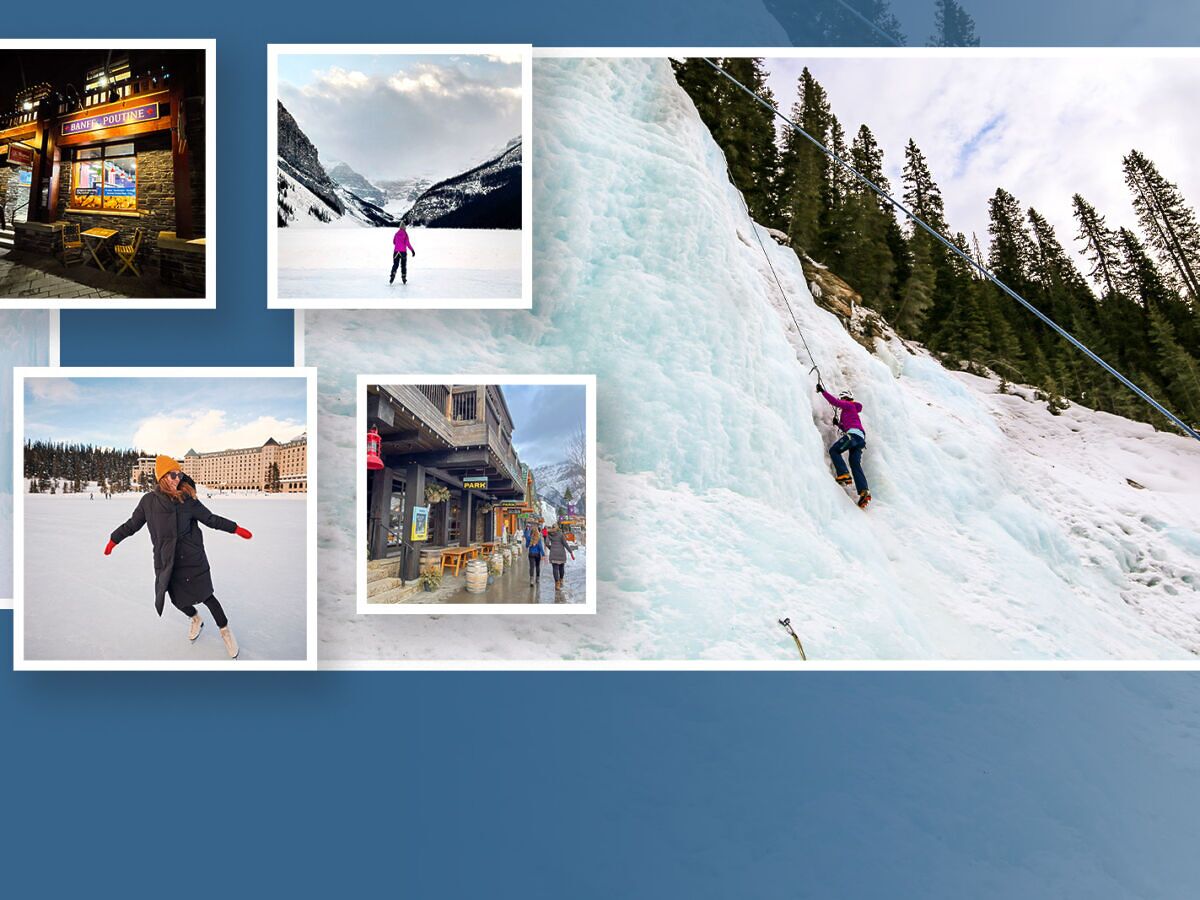
In Banff, a town nestled within the UNESCO World Heritage site of Banff National Park, this shift is particularly evident. Visitors are increasingly choosing to balance traditional restorative practices—such as yoga and meditation—with high-intensity activities like ice climbing, backcountry skiing, and spontaneous exploration. This hybrid approach addresses a common issue identified by clinical psychologists: the "burnout cycle" experienced by professionals, which often requires more than just sleep or silence to rectify.
A Chronology of the Modern Retreat
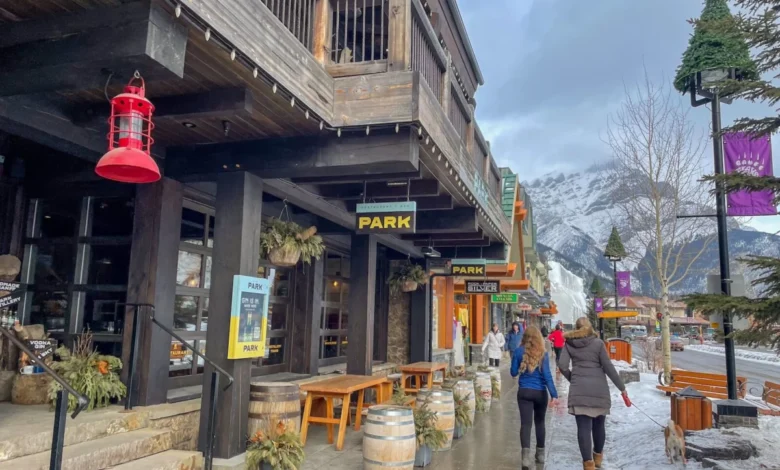
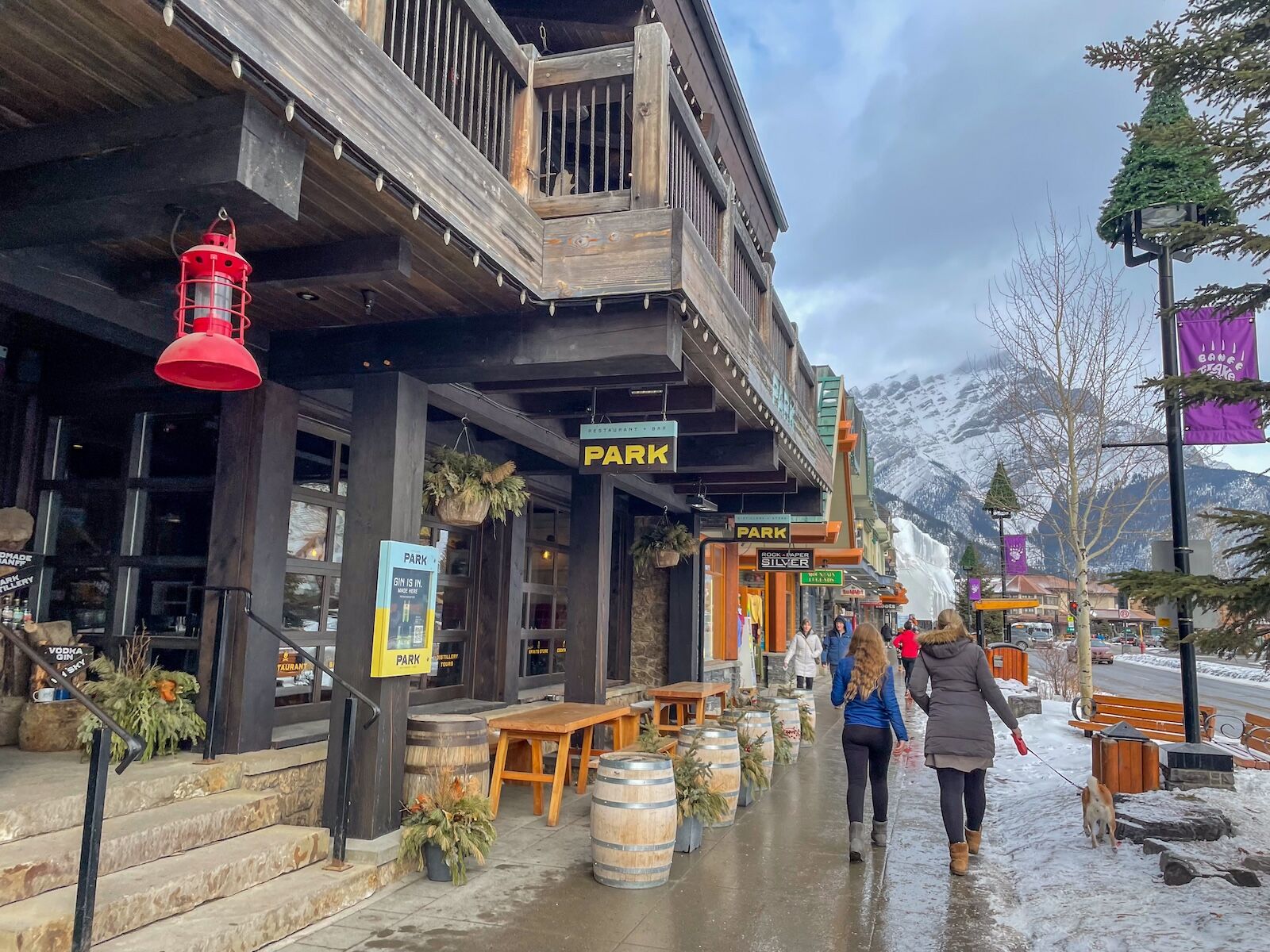
The traditional "wellness weekend" in Banff typically begins with an arrival in the valley, often characterized by the striking contrast between the bustling downtown core and the surrounding wilderness.
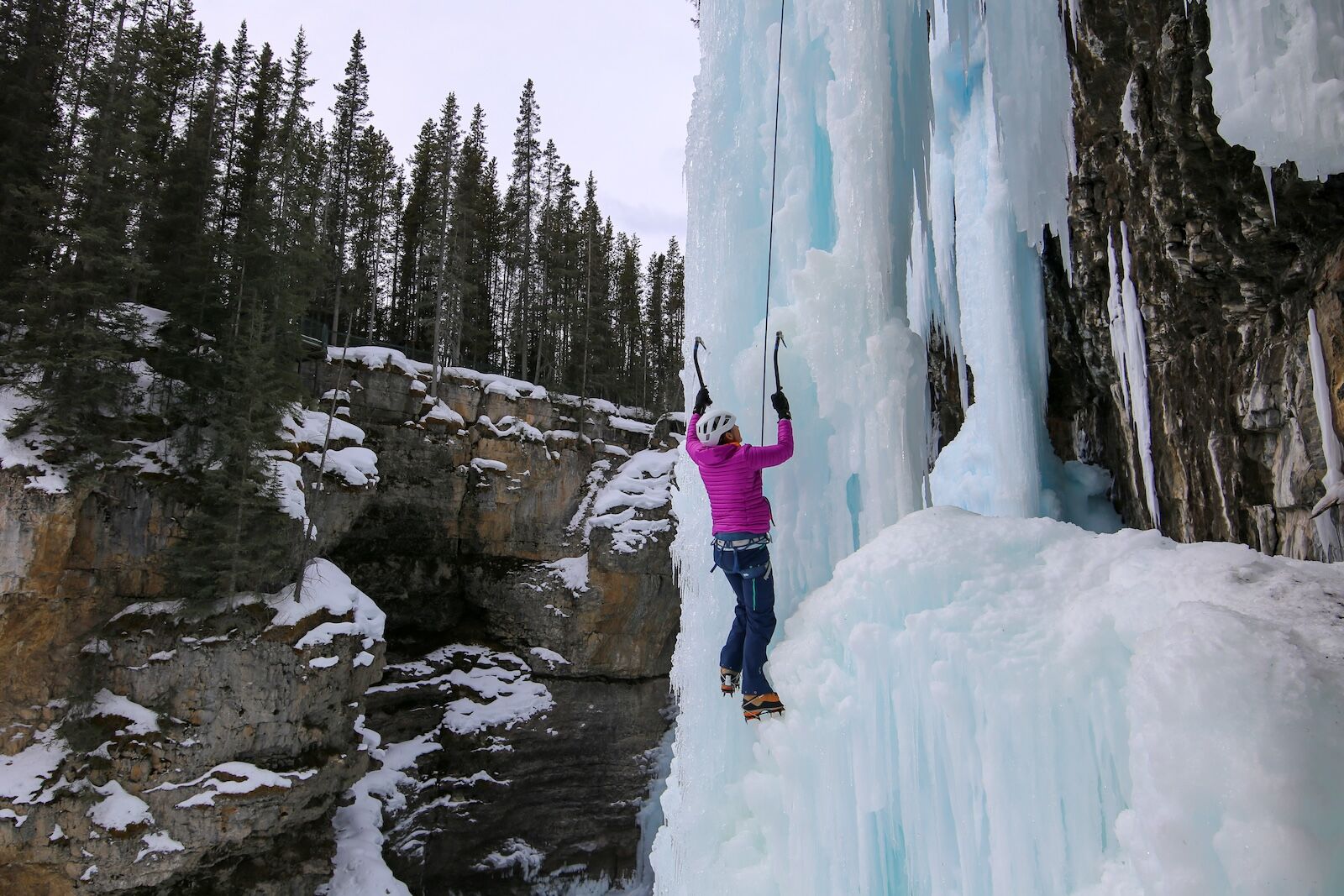
The itinerary of the modern, flexible traveler often follows a distinct, non-linear chronology. For instance, the first day is frequently dedicated to "sensory grounding"—engaging in activities that demand total physical and mental presence. Ice climbing, a sport deeply rooted in the Canadian Rockies’ history, serves as a primary example. By engaging with local guiding services such as Yamnuska Mountain Adventures, participants are introduced to the technical aspects of the sport, including crampon navigation and axe placement.
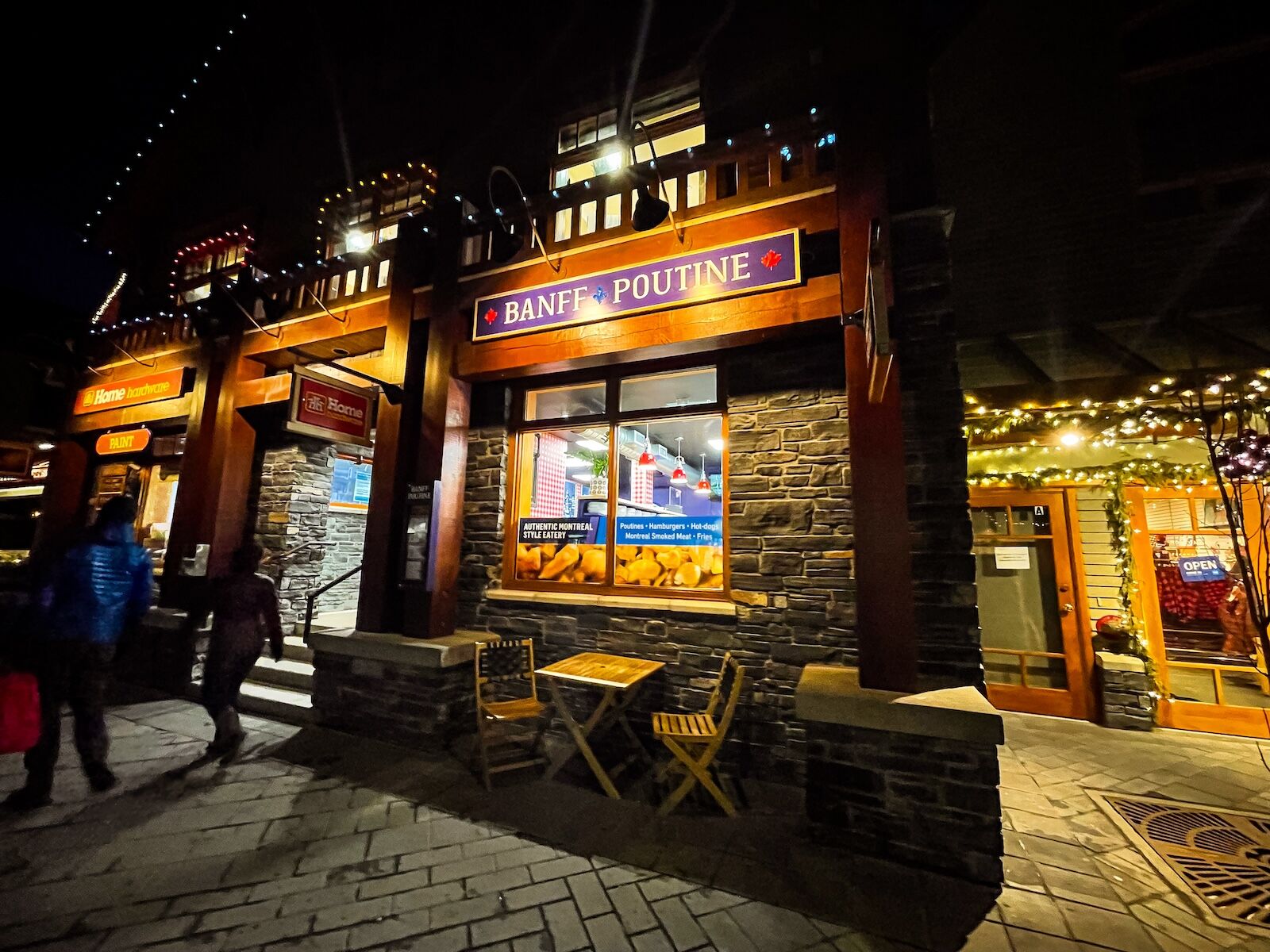
By the second day, the focus often pivots toward communal and sensory experiences. This might include visits to boutique studios such as Flow State Yoga, where instructors are experimenting with non-traditional methodologies. The inclusion of cannabis-informed yoga, or "Flower with Flow," represents a departure from the conservative definitions of wellness, focusing on the intention of upliftment rather than impairment. The final phase of the trip often concludes with "experiential indulgence"—the rejection of restrictive dietary patterns in favor of local, high-quality culinary experiences, such as authentic poutine or fresh-caught seafood, which prioritize the psychological benefits of pleasure and satisfaction.
Technical Demands and Mental Benefits
The shift toward high-intensity physical activity, such as ice climbing, is not merely a test of endurance; it is a neurological exercise in focus. When a climber is suspended on a vertical ice wall, the brain enters a state of "flow"—a psychological concept developed by Mihaly Csikszentmihalyi, characterized by complete immersion in an activity. In this state, the prefrontal cortex—the area of the brain responsible for complex decision-making and self-monitoring—is temporarily downregulated.
Data from sports physiology studies indicate that this form of "active meditation" can be more effective at reducing cortisol levels than passive rest for certain personality types. By forcing the practitioner to focus exclusively on the next physical move, the external stressors of daily life—such as professional deadlines or digital connectivity—are effectively muted. The physical result is often a release of muscle tension, particularly in the upper back and shoulders, which are common sites of stress-induced physical discomfort.
The Role of Culinary Experiences in Holistic Health
Dietary restriction has long been a hallmark of the wellness industry. However, recent trends in "intuitive eating" and the "mindful consumption" movement suggest that the mental health benefits of enjoying a meal outweigh the physiological impacts of temporary caloric excess.
In Banff, the local culinary scene has become an integral part of the visitor’s mental health toolkit. Rather than adhering to a strict regimen, many travelers are opting for meals that represent local culture and craftsmanship. Whether it is a bowl of poutine, which offers comfort and satiety, or a multi-course sushi meal at establishments like Hello Sunshine, the focus has shifted to the quality of ingredients and the act of dining as a social, rewarding event. Research into the gut-brain axis suggests that the satisfaction derived from a pleasurable, high-quality meal can trigger the release of dopamine and serotonin, further contributing to the overall sense of well-being.
Broader Implications for the Travel Industry
The diversification of wellness activities in regions like Banff carries significant implications for the hospitality sector. Tourism boards and service providers are beginning to recognize that "wellness" is a subjective term. The rise of "adventure-wellness" suggests that future travelers will demand itineraries that are modular, allowing them to switch between adrenaline-based activities and quiet, introspective moments.
Furthermore, the integration of local culture—such as visiting the Whyte Museum of the Canadian Rockies—indicates a growing interest in intellectual wellness. Providing opportunities for cognitive engagement with history, art, and aesthetics is becoming as crucial to the travel experience as physical activity.
Expert Perspectives and Industry Outlook
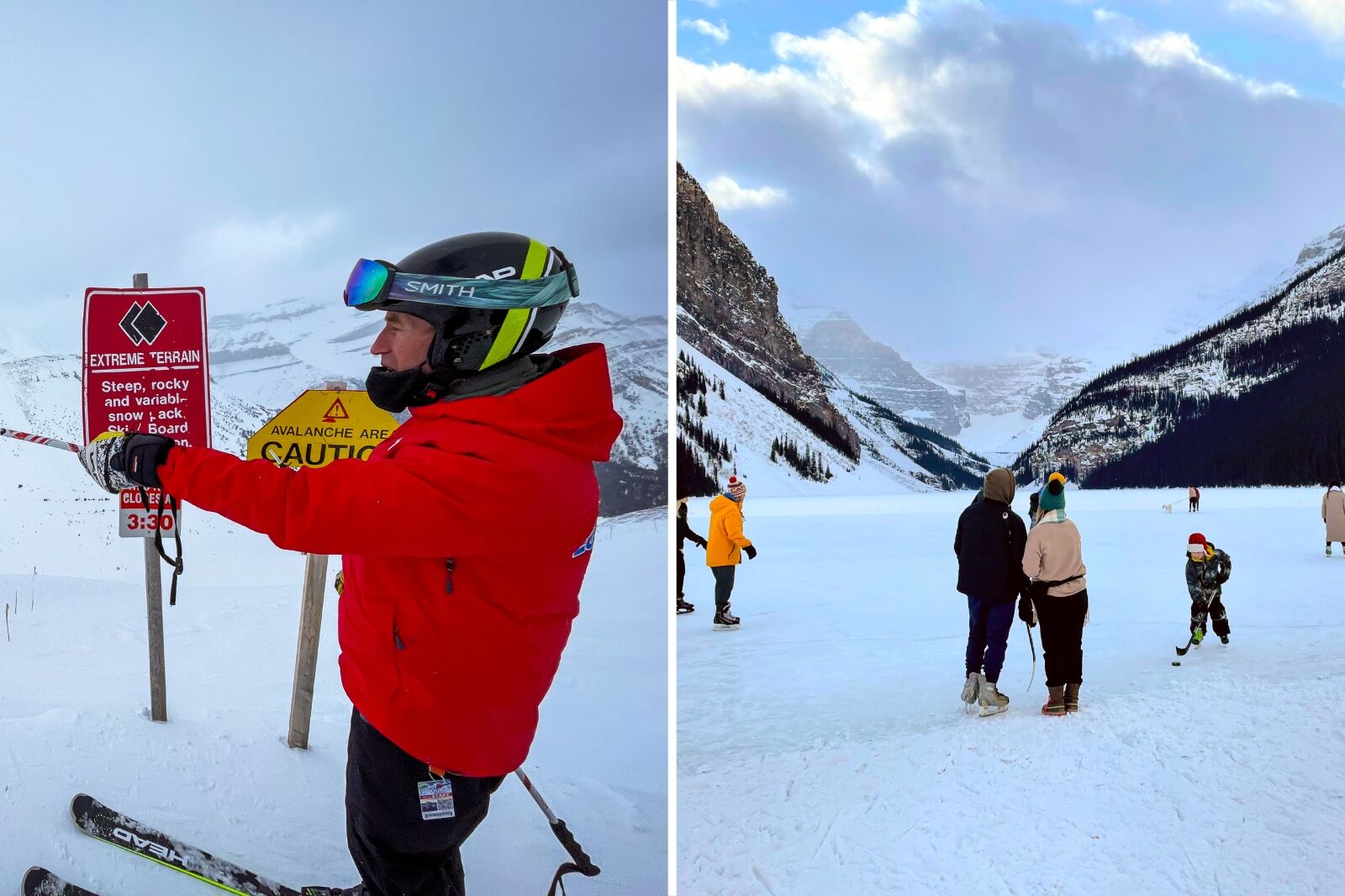
Industry observers note that the success of these unconventional retreats is largely tied to the elimination of "wellness guilt." When travel is framed as a mandatory list of "healthy" chores, it can paradoxically increase stress. By allowing for spontaneity—such as a last-minute decision to ice skate on Lake Louise or a visit to a local museum—travelers reclaim their autonomy.
Official responses from regional tourism representatives suggest a commitment to this broader definition of the sector. The goal is to position Banff not just as a site for outdoor sports or luxury relaxation, but as a holistic environment that supports the individual’s specific needs for restoration. Whether that means three hours on a frozen waterfall or a quiet hour spent observing the landscape, the focus is on the outcome: a feeling of being fully recharged and mentally prepared for the challenges of the upcoming year.
As the industry looks forward, the intersection of high-octane adventure and restorative practices will likely remain a dominant trend. By abandoning the prescriptive, one-size-fits-all model of wellness, travelers are creating a new, more sustainable blueprint for what it means to take a break. This, in essence, is the future of travel: a bespoke journey that prioritizes the self-identified needs of the visitor over the marketing-driven trends of the past.